In the demanding world of industrial security and perimeter protection, the selection of materials can make the difference between a lasting investment and a recurring maintenance nightmare. galvanised fence mesh has emerged as the global gold standard for those seeking a balance between structural integrity and corrosion resistance. By applying a protective zinc coating to steel, this material effectively shields the underlying metal from the oxidative forces of nature, ensuring that boundaries remain secure for decades.
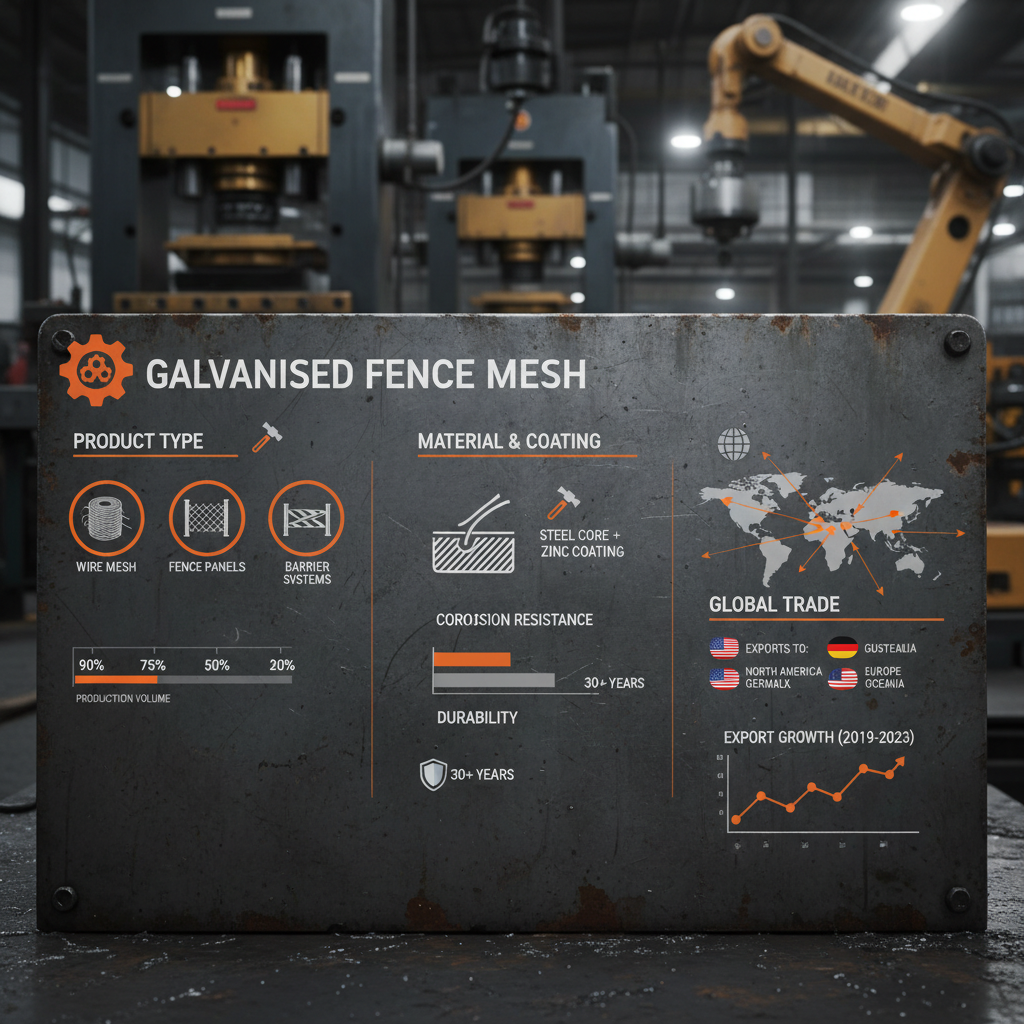
The global demand for high-quality fencing solutions is driven by the need to protect critical infrastructure, livestock, and private property across diverse climates. From the humid coastlines of Southeast Asia to the arid plains of Australia, the versatility of galvanised coatings allows these meshes to withstand extreme weather conditions that would normally degrade untreated steel. Understanding the technical nuances of the galvanisation process is essential for engineers and procurement officers who aim to optimize the lifecycle cost of their security installations.
Beyond mere durability, the implementation of galvanised fence mesh represents a strategic approach to sustainable construction. By extending the replacement cycle of fencing systems, industries can significantly reduce their material footprint and labor costs. This guide delves into the technical specifications, global applications, and future innovations of galvanised mesh, providing a comprehensive roadmap for selecting the right security solution for any environment.
The Fundamentals of Galvanised Fence Mesh Durability
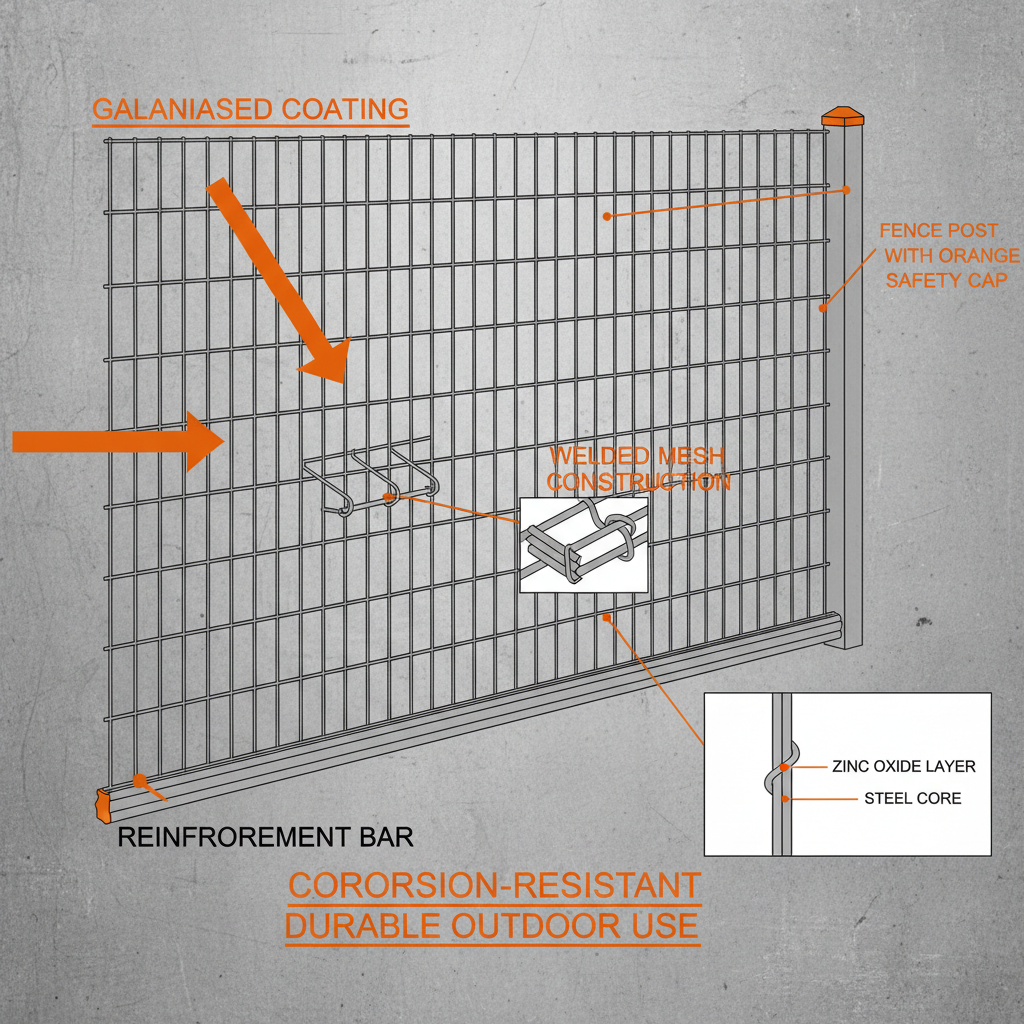
At its core, the durability of galvanised fence mesh relies on the chemical property of zinc acting as a sacrificial anode. When the mesh is exposed to oxygen and moisture, the zinc layer corrodes first, protecting the inner steel core from rust. This electrochemical process ensures that even if the surface is scratched during installation, the surrounding zinc continues to provide protection, preventing the "creep" of rust that often destroys non-galvanised alternatives.
Furthermore, the mechanical bond created during the hot-dip process allows the zinc to integrate with the steel on a molecular level. This results in a robust coating that resists peeling and flaking, even under the stress of physical impacts or extreme temperature fluctuations. For industrial sites requiring long-term security without frequent maintenance, this fundamental resilience makes galvanised mesh the only viable choice for perimeter integrity.
Global Industry Standards and Technical Specifications
The production of galvanised fence mesh is governed by strict international standards, such as ASTM A123 and ISO 1461, which dictate the minimum coating thickness and adhesion quality. These standards ensure that whether a project is located in North America or Europe, the material will perform consistently under specified environmental loads. Adherence to these benchmarks allows architects and security consultants to calculate the expected lifespan of a fence based on the local corrosivity category (C1 to C5).
Technical specifications often focus on the "zinc coating weight," measured in grams per square meter (g/m²). A higher coating weight generally correlates with a longer service life, especially in saline environments near oceans. Engineers must balance this weight with the flexibility of the mesh; too thick a coating can sometimes lead to brittleness in certain specialized wire weaves, although modern hot-dip technology has largely mitigated this issue.
Beyond the coating, the tensile strength of the base wire is a critical specification. High-carbon steel is often used in conjunction with galvanisation to create meshes that are not only rust-proof but also resistant to cutting and bending. This combination of chemical protection and physical strength is what defines professional-grade security fencing in the modern industrial landscape.
Core Components of High-Performance Mesh Systems
The efficacy of a galvanised fence mesh system depends on more than just the wire; it involves the synergy of the weave pattern, the wire gauge, and the coating method. The weave determines the mesh's ability to resist climbing or penetration, while the gauge dictates the load-bearing capacity of the structure.
A critical component often overlooked is the quality of the zinc alloy used. Pure zinc is standard, but adding small percentages of aluminum or magnesium (Zn-Al alloys) can create a more stable oxide layer, significantly increasing the lifespan of the galvanised fence mesh in highly acidic or industrial environments.
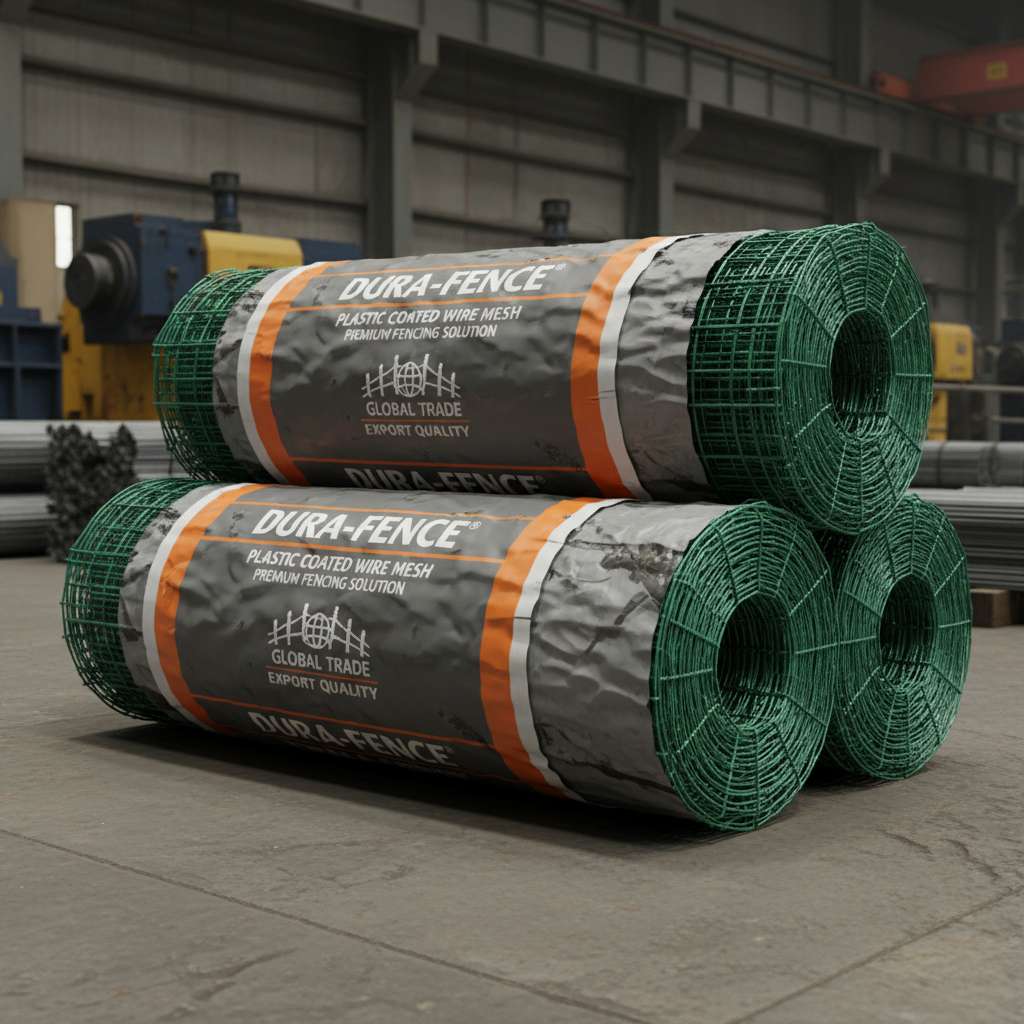
Finally, the integration of accessories—such as galvanised tensioners, clips, and posts—is vital. If the mesh is high-quality but the fasteners are untreated steel, the system will fail at the joints. A fully integrated galvanised ecosystem ensures that every point of contact is protected against oxidation.
Comparative Analysis of Coating Methods
When selecting galvanised fence mesh, it is crucial to distinguish between hot-dip galvanising and electro-galvanising. Hot-dip galvanising involves submerging the mesh in a bath of molten zinc, creating a thick, durable layer that is ideal for outdoor and harsh environments. In contrast, electro-galvanising uses an electrical current to apply a thinner, more aesthetically smooth layer, which is better suited for indoor use or as a base for powder coating.
The choice between these methods usually comes down to the intended environment and the budget. While electro-galvanised mesh is cheaper and looks "cleaner," it lacks the sacrificial depth required to survive ten to twenty years of rain and snow. For infrastructure projects, the hot-dip method is almost always preferred due to its superior longevity.
Performance Comparison of Galvanised Fence Mesh Coating Types
Real-World Applications Across Global Sectors
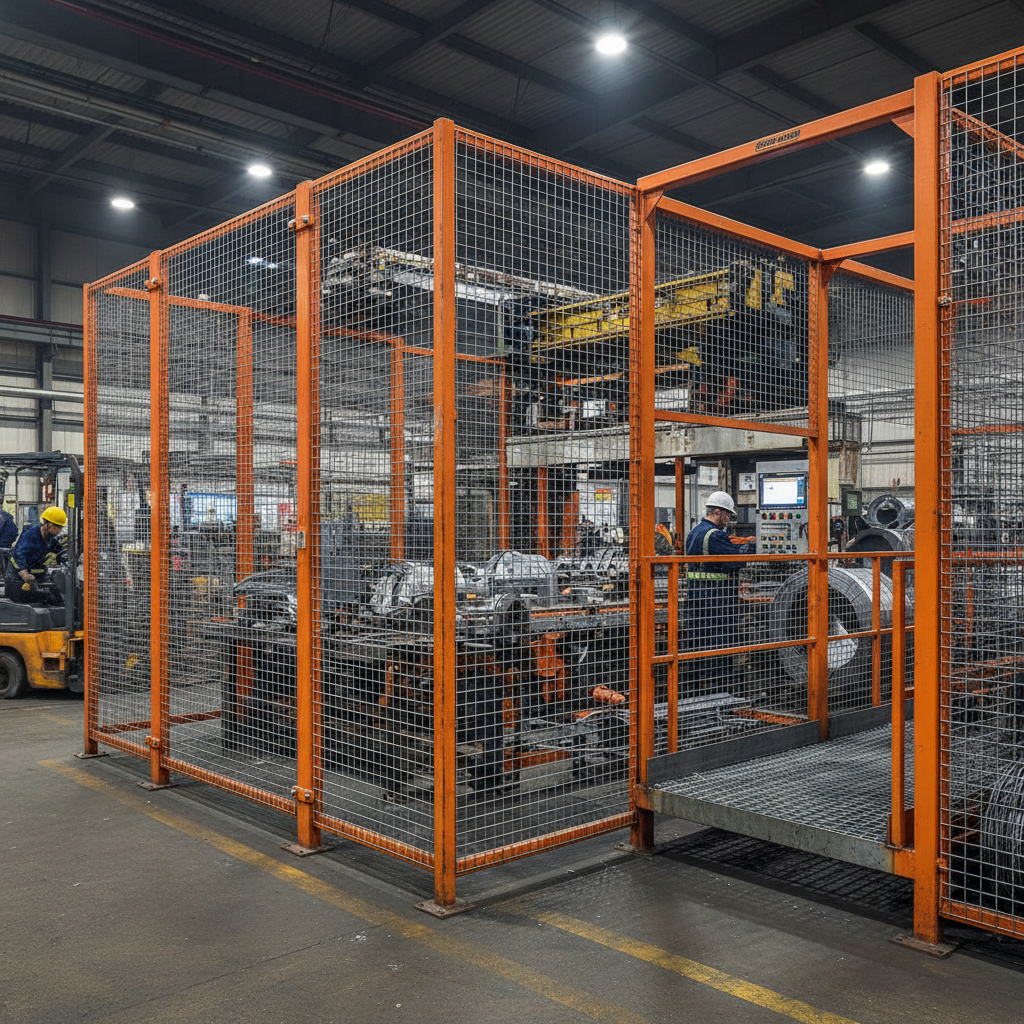
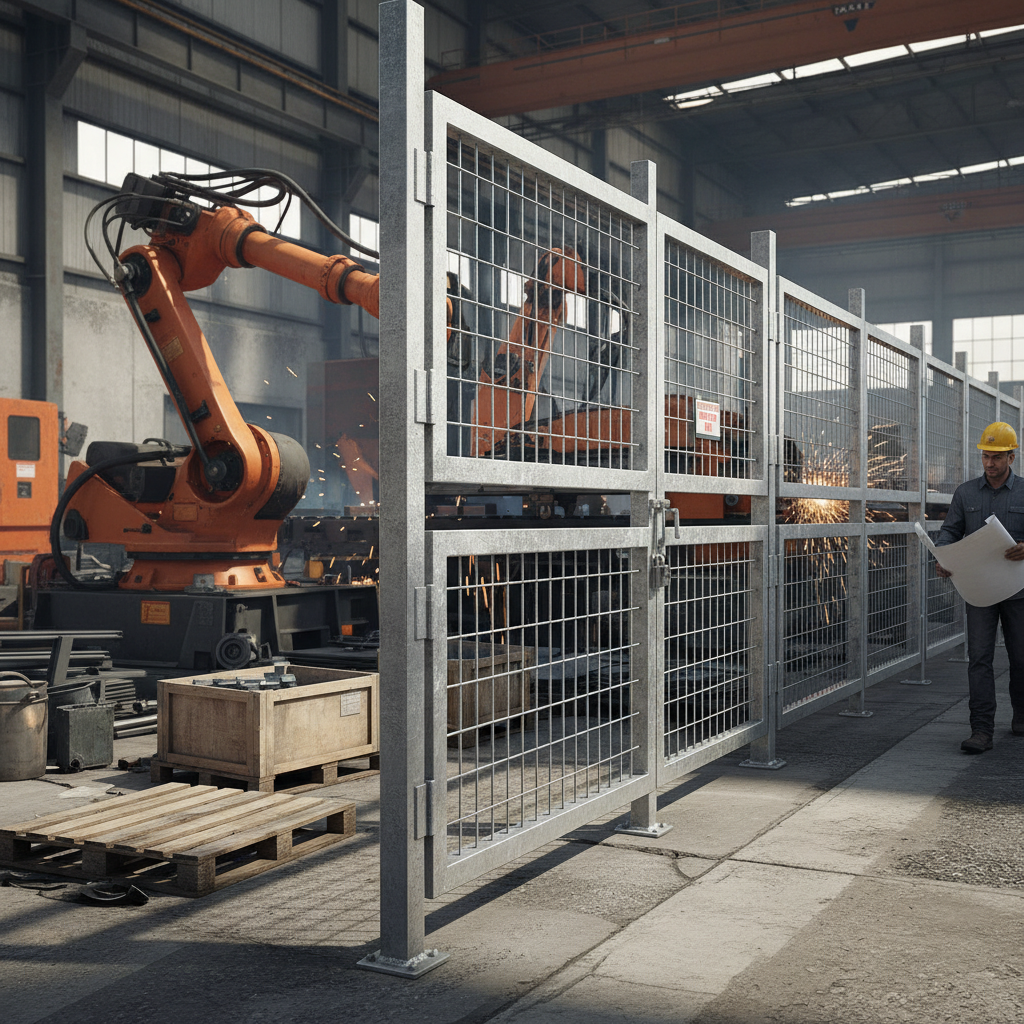
The application of galvanised fence mesh spans an incredible variety of industries. In the agricultural sector, it is indispensable for creating livestock enclosures and cattle fences that can withstand the physical pressure of animals and the corrosive effects of manure and moisture. In the industrial sector, it is used for securing warehouses, power plants, and water treatment facilities where security and weather resistance are non-negotiable.
Furthermore, in urban planning and public safety, galvanised mesh is used in the construction of pedestrian barriers, sports courts, and noise barriers. In remote industrial zones, such as mining sites in Western Australia or oil fields in the Middle East, the low-maintenance nature of galvanised coatings reduces the need for costly logistics associated with frequent repair and replacement.
Long-Term Value and Economic Sustainability
When evaluating the cost of galvanised fence mesh, one must look beyond the initial purchase price and consider the Total Cost of Ownership (TCO). While untreated steel or low-grade coated wires may be cheaper upfront, the cost of labor for rust removal, repainting, and eventual replacement quickly exceeds the initial premium paid for high-quality galvanisation.
From a sustainability perspective, galvanised mesh is highly eco-friendly. Steel and zinc are both infinitely recyclable materials. By choosing a product with a longer lifecycle, companies reduce the frequency of resource extraction and the energy consumption associated with manufacturing new fencing. This aligns with global ESG (Environmental, Social, and Governance) goals for corporate responsibility.
Ultimately, the value lies in peace of mind. Knowing that a perimeter is secure and that the structural integrity is not being silently compromised by oxidation allows facility managers to focus on core operations rather than infrastructure failure. Trust in the material is the foundation of long-term operational security.
Future Innovations in Galvanised Mesh Technology
The future of galvanised fence mesh is being shaped by material science and automation. We are seeing the rise of "smart coatings," where the zinc layer is infused with nano-particles that can signal when the coating has reached a critical level of wear, allowing for preemptive maintenance. Additionally, the integration of Graphene into galvanising baths is being researched to create an almost impenetrable barrier against chloride ions.
Automation in the weaving process is also enhancing the consistency of the mesh. Robotic welding and precise tensioning ensure that every intersection in the galvanised mesh is perfectly bonded, eliminating weak points where corrosion typically starts. This precision reduces waste and increases the strength-to-weight ratio of the final product.
Moreover, the shift toward "green galvanising" involves reducing the carbon footprint of the zinc smelting process and implementing closed-loop water systems in the pickling stage of production. These innovations ensure that the security solutions of tomorrow are not only stronger but also kinder to the planet.
Comparative Analysis of Modern Galvanised Mesh Specifications
|
Mesh Variant
|
Corrosion Resistance (1-10)
|
Installation Effort
|
Expected Lifespan (Years)
|
| Standard Hot-Dip Mesh |
8 |
Moderate |
20-30 |
| Zn-Al Alloy Mesh |
10 |
Moderate |
40-50 |
| Electro-Galvanised |
4 |
Easy |
5-10 |
| PVC Coated Galv |
9 |
Hard |
25-35 |
| High-Tensile Galv |
7 |
Hard |
15-25 |
| Light Duty Galv |
5 |
Very Easy |
10-15 |
FAQS
Hot-dip galvanising involves dipping the steel into molten zinc, creating a thick, uneven, but extremely durable layer that provides long-term protection against harsh weather. Electro-galvanising uses an electrical process to apply a thinner, smoother layer. While electro-galvanised mesh is more aesthetically pleasing and cheaper, it lacks the corrosion resistance required for outdoor security applications and is primarily used for indoor or low-exposure environments.
In coastal areas, salt spray accelerates corrosion. A standard hot-dip galvanised fence mesh typically lasts 15-25 years, depending on the zinc coating weight. However, for extreme saline environments, we recommend Zn-Al alloy coatings or PVC-coated galvanised mesh, which can extend the lifespan to 30-50 years by providing an additional barrier against chloride penetration.
Yes, but it requires specific preparation. Because zinc has a smooth, non-porous surface, standard paints may peel. The mesh should be treated with a T-wash or a zinc-phosphate primer to create a chemical bond. Once primed, powder coating can be applied to provide both the ultimate corrosion resistance of galvanisation and the aesthetic flexibility of custom colors.
It depends on the budget and environment. Stainless steel offers superior corrosion resistance in extreme conditions but is significantly more expensive. Galvanised mesh provides a "best-of-both-worlds" solution—offering high durability and strength at a fraction of the cost of stainless steel. For most industrial and agricultural security needs, galvanised mesh is the more cost-effective and practical choice.
Cutting the mesh exposes the raw steel core. To prevent "edge rust," it is essential to apply a cold-galvanising spray or a zinc-rich primer to all cut ends immediately after trimming. This restores the sacrificial protection at the point of the cut, ensuring that rust does not begin to spread from the edges into the rest of the fence panel.
For standard industrial use, a coating weight of 450-600 g/m² is typically recommended. For highly corrosive industrial zones (C4 or C5 categories), weights exceeding 610 g/m² are preferred. Always check the mill certificate of your galvanised fence mesh to ensure the coating meets the specified international standards for your local environment.
Conclusion
In summary, galvanised fence mesh stands as a cornerstone of modern perimeter security, offering an unparalleled combination of tensile strength and corrosion resistance. By leveraging the sacrificial properties of zinc, these systems provide a long-term, low-maintenance solution that outperforms untreated steel in every measurable metric. From the selection of coating methods like hot-dip galvanising to the integration of high-carbon steel, every technical detail contributes to a boundary that is not only difficult to breach but also resistant to the elements.
Looking forward, the evolution of alloys and smart coatings will only further enhance the reliability of galvanised systems. For facility managers and developers, the priority should remain on selecting materials that align with the specific corrosivity of their environment to maximize ROI. Investing in high-quality galvanised mesh today is not just a security decision, but a commitment to operational efficiency and environmental sustainability. Visit our website for more professional solutions: www.fencingwiremesh.com