
Ke ano
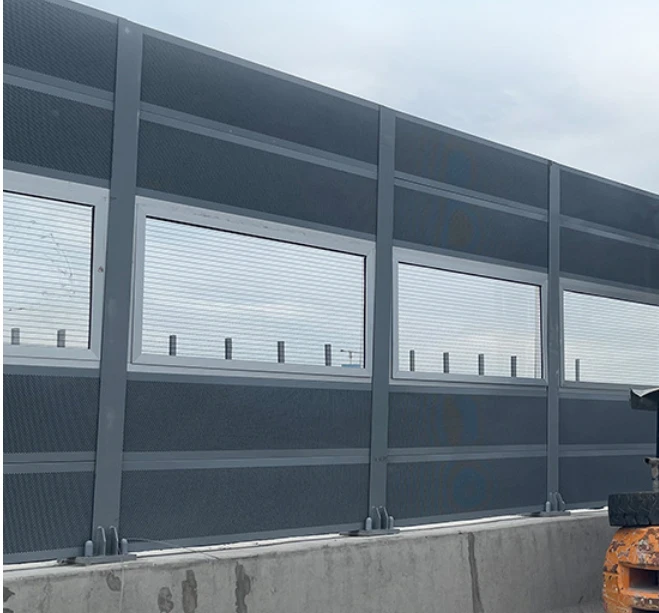
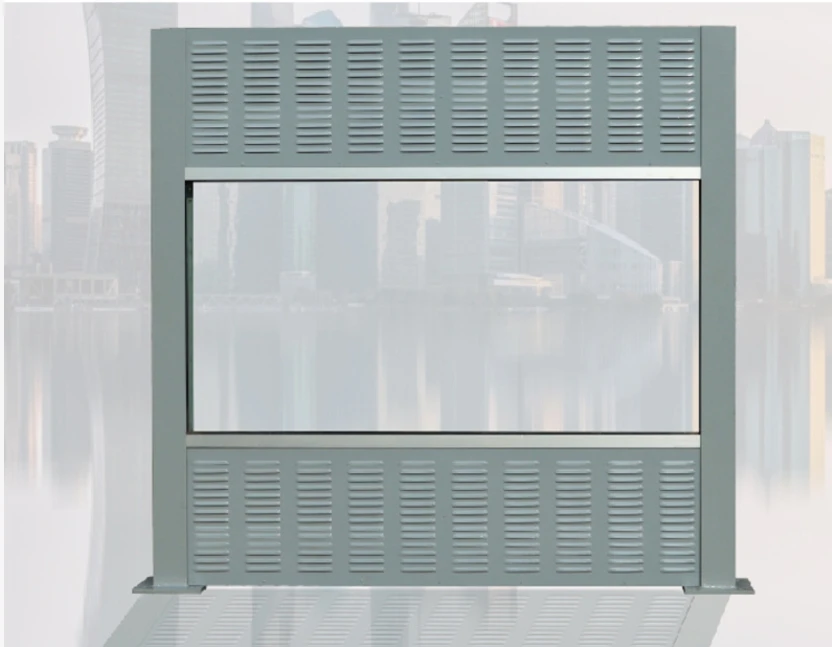
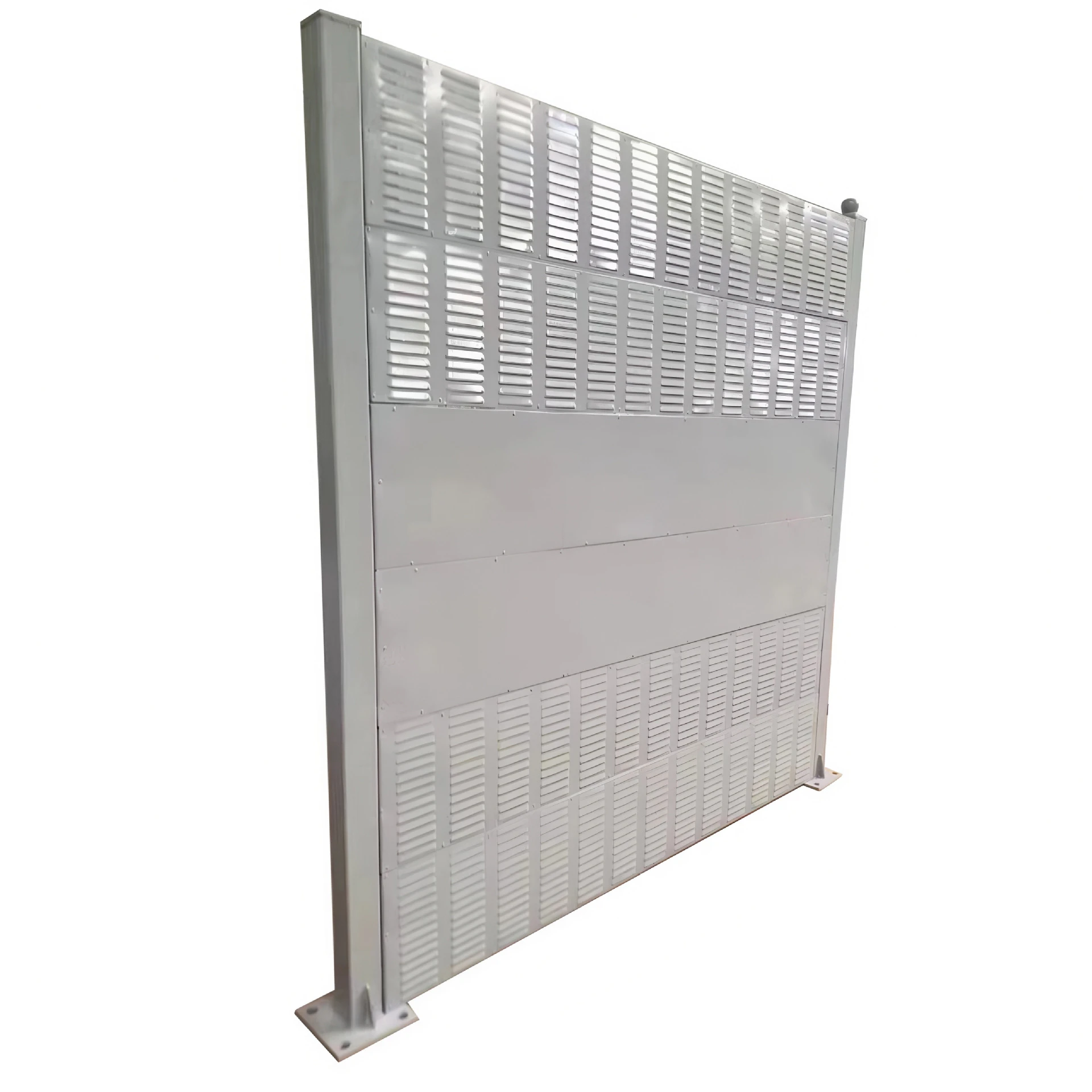
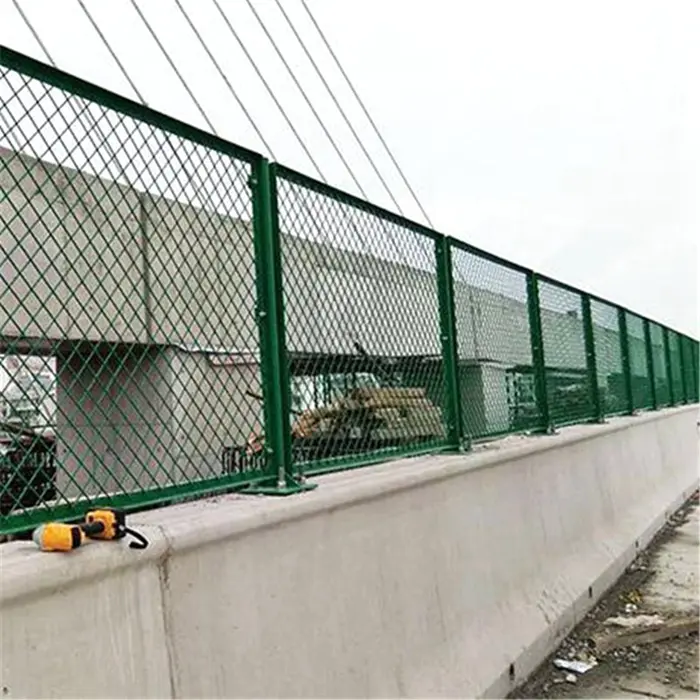
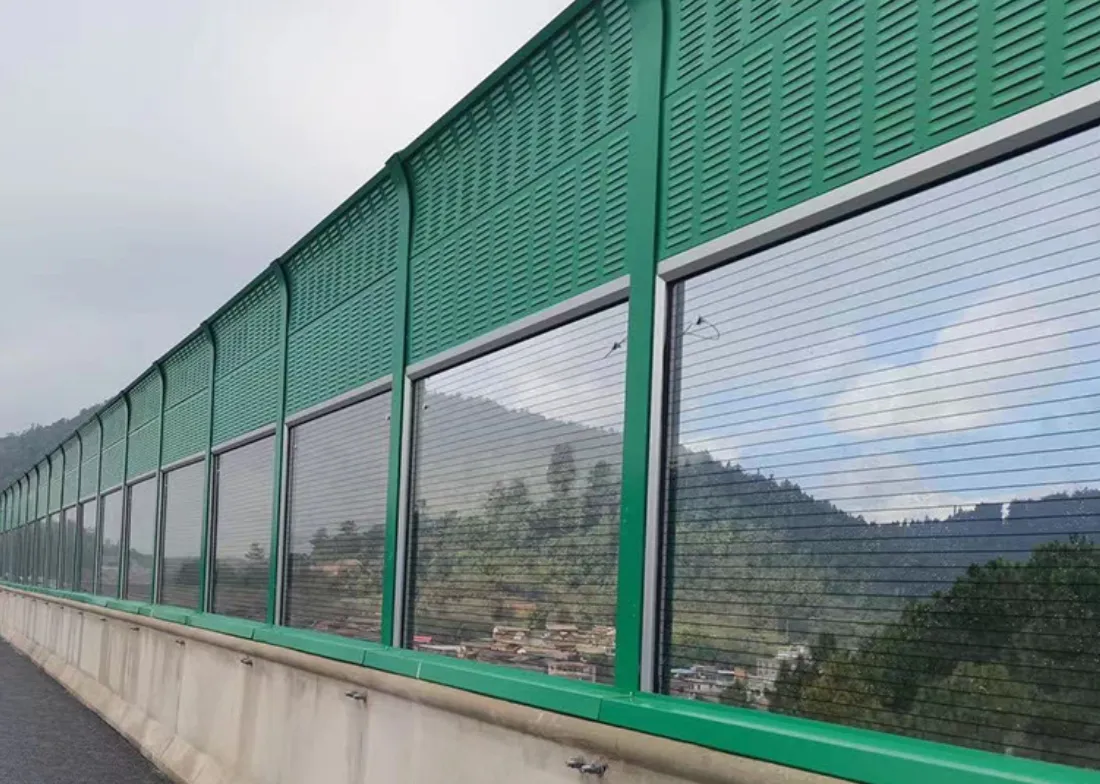
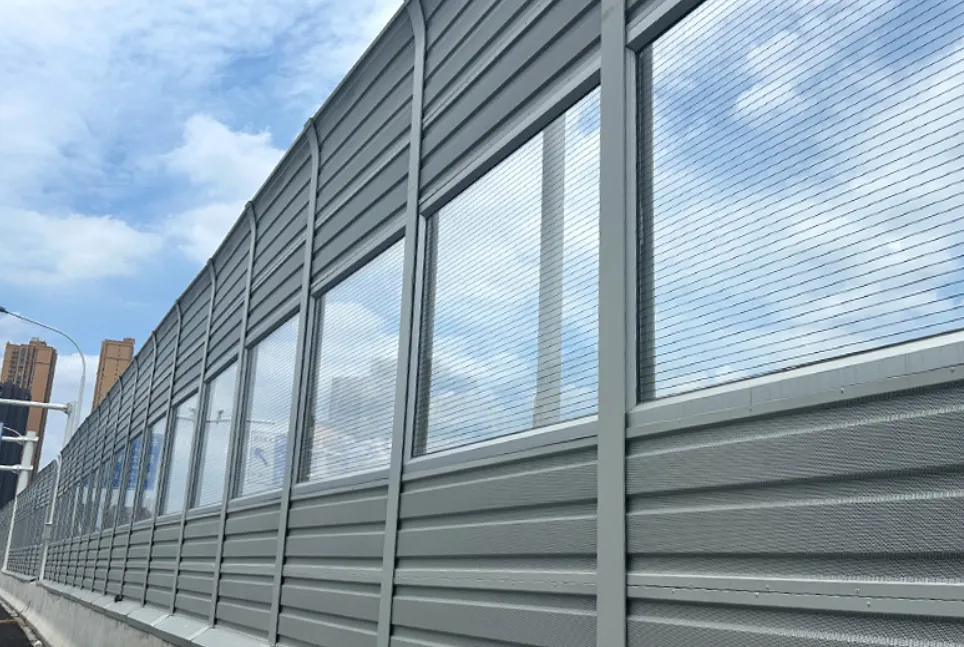
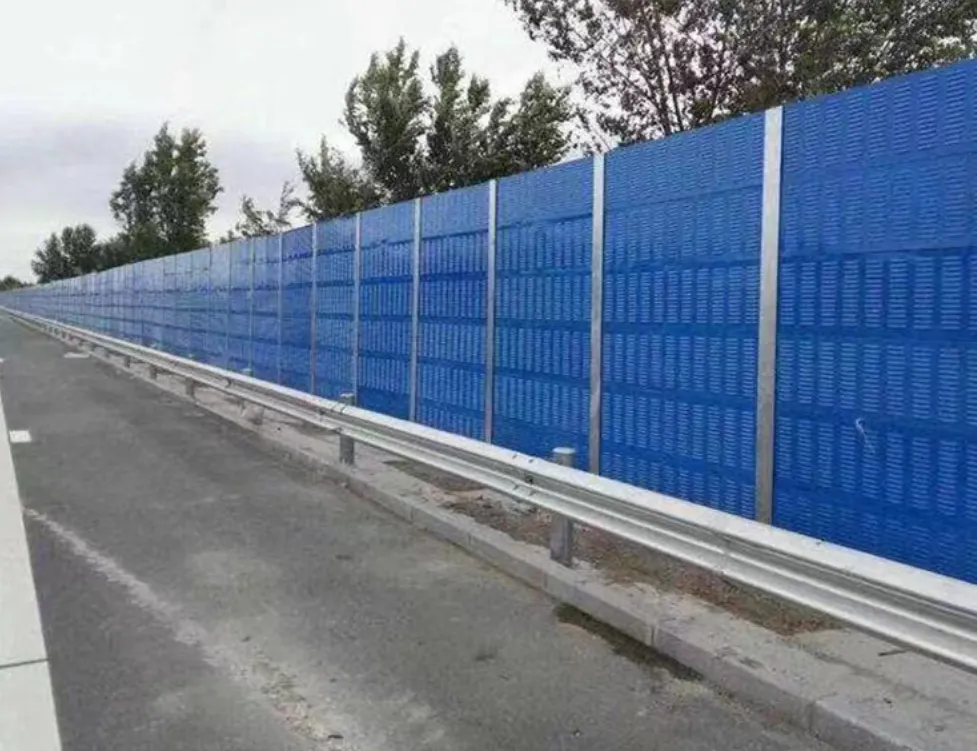
The sound barrier has three core advantages: efficient noise reduction,durability,and ventilation and light transmission.The combination of perforated panels and sound-absorbing layers with acoustic optimization design provides customized solutions for noise in different frequency bands; the high-quality metal substrate is combined with triple anti-corrosion technology to ensure the long-term and stable use of the product in harsh environments.
Application:
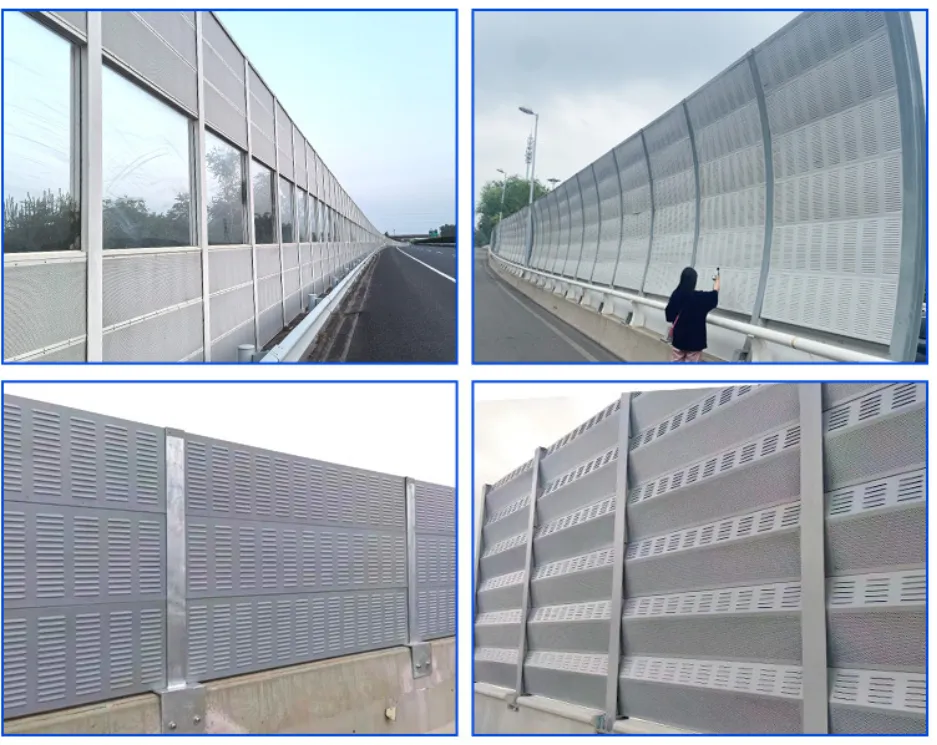
Transportation: highways,viaducts,railways,airports.
Industrail:power plants, chemical plants, manchining workshops.
Municipal engineering:schools, hospitals,senstive areas around residential areas.
Commercial facilities: noise reduction around large shopping malls and stadiums.
Product Parameters:
| Inoa Huahana | Pale Leo |
| Mea waiwai | Alumiinium ,Galvanized |
| Nā ʻano puka lau | Round hole, louver hole |
| kalakala | Green, blue,gray, white, customizable |
| Lapaʻau ʻili | Galvanized, powder, coated |
construction noise barrier
external noise barriers
mea hana pa metala
noise barriers
noise reduction barriers
outdoor noise barrier
temporary noise barriers
what is noise barrier
what type of barrier is noise
ʻO ka mana piha o ka huahana hiki iā mākou ke hōʻoia i ka loaʻa ʻana o nā mea kūʻai aku i nā kumukūʻai kiʻekiʻe loa a me nā lawelawe. Haʻaheo mākou i nā mea a pau a mākou e hana ai e lawelawe i kā mākou mea kūʻai.