The global demand for secure and durable perimeter solutions has led to the widespread adoption of specialized wire systems, where fine wire mesh fencing plays a pivotal role. These systems provide an essential balance between visibility and security, ensuring that boundaries are clearly defined while remaining resistant to external intrusions. In the modern industrial landscape, the ability to customize the aperture and material of the mesh allows for a versatile range of applications across various sectors.
From urban infrastructure to rural agricultural boundaries, the implementation of high-quality wire mesh is critical for safeguarding assets and managing access. The evolution of coating technologies, such as hot-dip galvanization and PVC encapsulation, has significantly extended the lifespan of these installations, reducing maintenance costs and environmental impact. As security requirements become more stringent, the industry has shifted toward materials that offer higher tensile strength without sacrificing flexibility.
Understanding the technical nuances of fine wire mesh fencing is essential for engineers and property managers who seek long-term reliability. By selecting the correct wire gauge and weaving pattern, users can ensure that their fencing not only meets ISO certifications but also adapts to the specific climatic challenges of their region. Whether used for sports courts or industrial enclosures, the right choice of mesh is the foundation of a secure environment.
Material Composition and Durability of Fine Wire Mesh Fencing
The strength of fine wire mesh fencing begins with the selection of the raw material. High-quality low-carbon steel wire serves as the primary base, though options such as stainless steel, redrawn wire, and zinc-aluminum alloy wire are utilized depending on the required tensile strength and environment. This variety ensures that the fence can withstand significant pressure without sagging or rolling up at the bottom, maintaining a rigid vertical profile over time.
Durability is further enhanced through the use of precision-engineered alloys that resist mechanical deformation. By adhering to ISO certification standards, these materials guarantee a consistent diameter and structural homogeneity across every roll produced. This rigorous material control prevents weak points in the weave, ensuring that the security boundary remains intact even under extreme physical stress.
Weaving Techniques and Structural Integrity
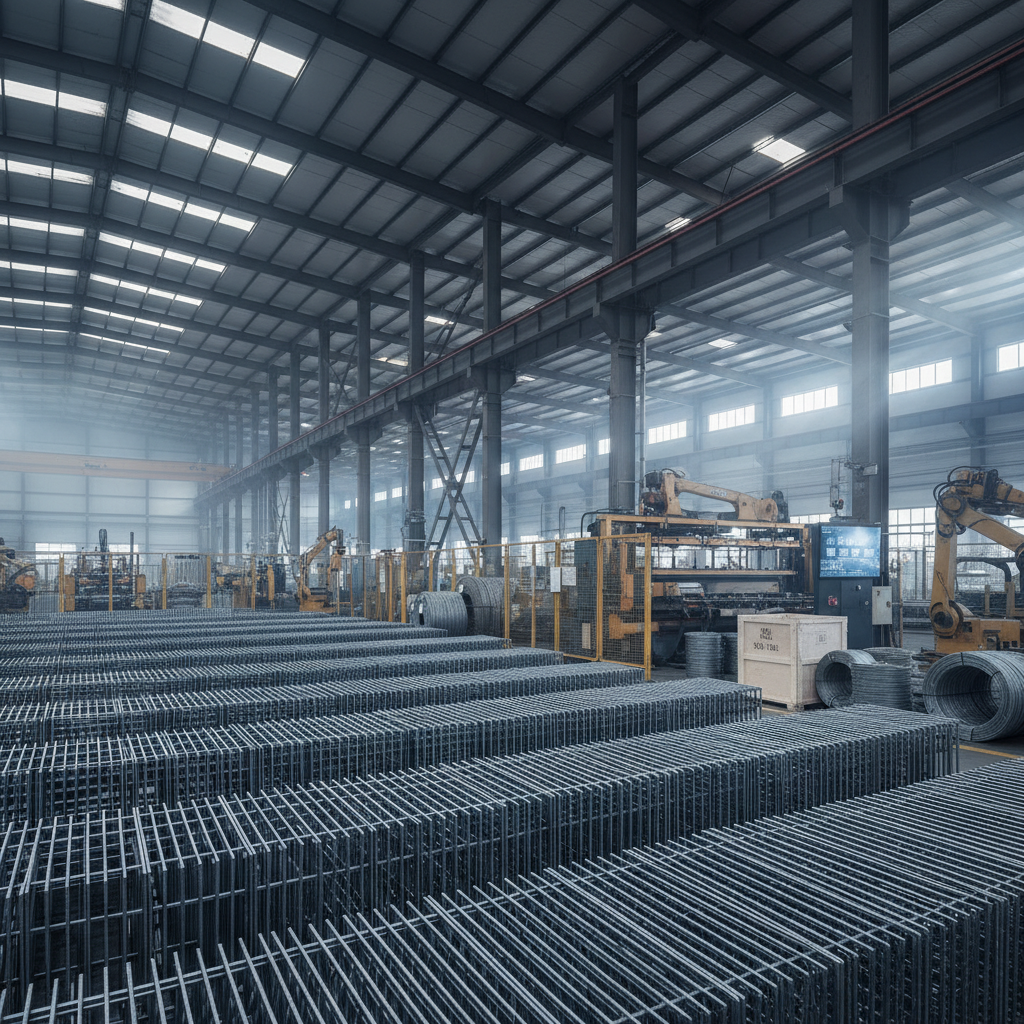
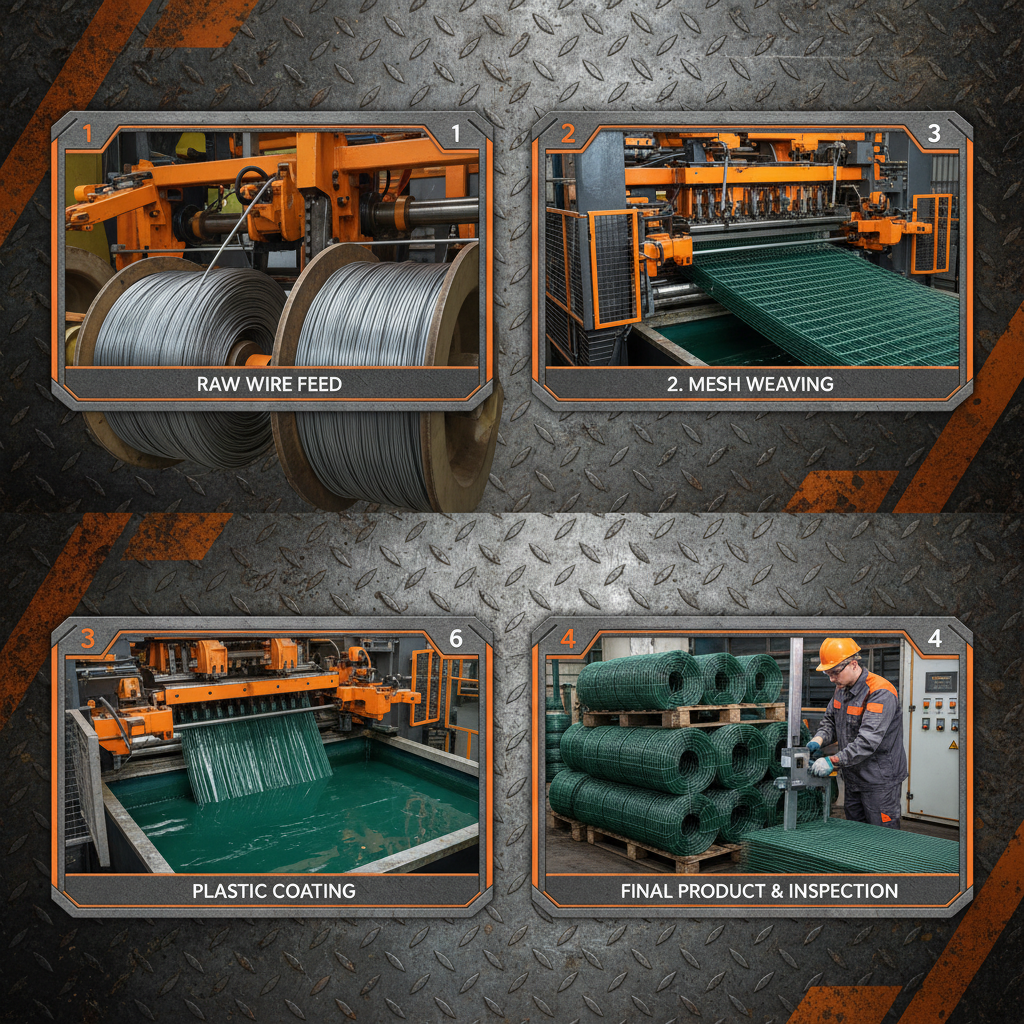
The production of high-performance mesh involves a sophisticated process where wire is transformed into a flat spiral semi-finished product via a dedicated chain link machine. This process ensures that each wire is spirally crocheted with the next, creating the iconic diamond pattern that is both aesthetically pleasing and functionally superior. The uniformity of the mesh holes is a direct result of machine-led precision, which eliminates the human error associated with manual weaving.
Structural integrity is maintained by ensuring a smooth mesh surface and a wide web width. This design prevents the fence from distorting when stretched across long distances, making it ideal for extensive perimeters like railways, expressways, and large-scale industrial zones. Because the wires are interwoven tightly, the resulting fabric is flexible enough to follow the contours of the land but strong enough to act as a formidable barrier.
Furthermore, the "diamond guardrail" configuration allows for efficient tensioning during installation. When properly secured to posts, the mesh distributes external loads evenly across the entire surface, preventing localized failures. This mechanical advantage makes it a preferred choice for sports venues, where it must withstand high-impact contact from balls or equipment without losing its shape.
Corrosion Protection and Surface Treatments
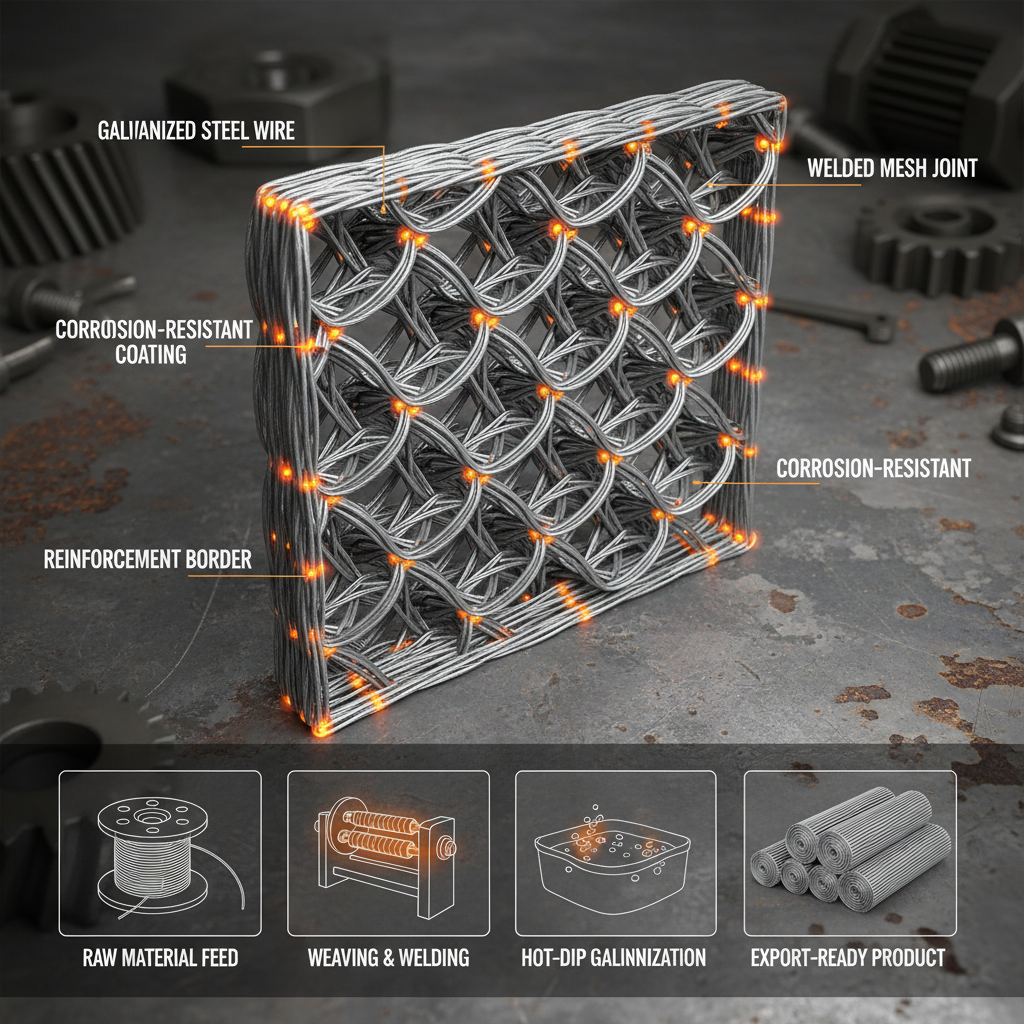
One of the most critical challenges for any outdoor installation is oxidation. To combat this, fine wire mesh fencing undergoes various surface treatments including electro-galvanization and hot-dip galvanization. These processes create a sacrificial zinc layer that protects the underlying steel from moisture and salt, which is essential for installations near coastal areas or in high-humidity regions.
For environments requiring an extra layer of defense, PVC coating is applied over the galvanized wire. This dual-layer protection not only prevents corrosion but also provides a customizable color palette—most commonly green—allowing the fence to blend into the natural surroundings. The plastic coating acts as a shield against UV radiation and chemical pollutants, ensuring that the mesh does not degrade under prolonged sunlight exposure.
The long-term value of these treatments is evident in the product's lifespan, which can exceed a decade when hot-dip galvanized coatings are used. By investing in superior surface chemistry, facility managers can significantly reduce the frequency of replacements. This sustainable approach ensures that fine wire mesh fencing remains a cost-effective solution for long-term infrastructure projects.
Comparative Performance Analysis of Mesh Systems
When evaluating the efficacy of different fencing systems, it is important to look at metrics such as installation speed, corrosion resistance, and physical stability. Different coatings and materials result in varying performance levels. For instance, PVC-coated systems offer the highest aesthetic and weather resistance, while standard galvanized wires provide the best balance of cost and strength.
The following analysis demonstrates how various configurations of wire mesh perform across key industrial benchmarks. By comparing these options, users can determine which specification best suits their specific environmental needs, whether it be a high-traffic tennis court or a remote mountain slope.
Performance Metrics of Fine Wire Mesh Fencing Variants
Diverse Global Applications and Use Cases
The versatility of these mesh systems allows them to be deployed in a vast array of settings. In residential areas, they provide a secure yet unobtrusive boundary for gardens and yards. In more specialized environments, they are used as protective nets for mechanical equipment and conveyor systems, where the fine mesh prevents debris from entering sensitive machinery while allowing airflow.
On a larger scale, these fences are indispensable for public infrastructure. They secure the perimeters of roads, railways, and expressways, preventing unauthorized access and enhancing safety. In the sports industry, they are the gold standard for tennis courts and school playgrounds, providing a high level of security that does not interfere with the visibility of the game.
Engineering Benefits for Civil Works and Greenery
Beyond simple perimeter security, fine wire mesh fencing is utilized in complex civil engineering projects. One of its most innovative applications is in mountain protection and slope stabilization. By utilizing the air-permeable nature of the diamond weave, engineers can fix rocks and soil on steep inclines, preventing landslides and erosion.
To integrate these industrial solutions with the environment, the mesh is often sprayed with green grass seeds. Over time, the vegetation grows through the apertures of the mesh, creating a "self-curing" effect where the plants and the steel work together to bind the earth. This results in a perfect combination of mechanical protection and ecological greening.
Additionally, when the mesh is formed into box-shaped containers and filled with stone, it becomes a gabion system. These are widely used for flood control, seawall support, and reservoir protection. The flexibility of the wire allows the structure to settle naturally into the terrain, providing a durable and porous barrier that manages water flow without collapsing.
Selection Guide for Industrial Grade Mesh
Choosing the right mesh requires a careful analysis of the intended application and environmental stressors. For a warehouse or tool room, a standard galvanized steel wire is often sufficient for protective reinforcement. However, for marine fishing fences or river course projects, a PVC-coated or stainless steel option is mandatory to prevent rapid salt-water corrosion.
The aperture size also plays a critical role. For livestock such as chickens, ducks, or rabbits, a tighter weave is necessary to prevent escapes and keep predators out. Conversely, for road green belts or sports fields, a wider diamond pattern is preferred to maintain optimal visibility and reduce wind resistance.
Ultimately, the decision should be based on a balance of budget, required lifespan, and the specific security level needed. By consulting the specifications of low-carbon steel versus zinc-aluminum alloys, procurement officers can ensure they are not over-specifying for simple tasks nor under-specifying for critical infrastructure.
Core Technical Specifications for Fine Wire Mesh Fencing Selection
| Material Type |
Primary Application |
Corrosion Resistance |
Lifespan Rating |
| Low Carbon Steel |
General Residential |
Moderate |
5-8 Years |
| Hot-Dip Galvanized |
Industrial Perimeters |
High |
10-20 Years |
| PVC Coated |
Sports & Parks |
Very High |
15-25 Years |
| Stainless Steel |
Marine/Chemical Zones |
Extreme |
30+ Years |
| Zinc-Aluminum |
Rural Fencing |
High |
12-18 Years |
| Electro-Galvanized |
Indoor Decoration |
Low |
3-5 Years |
FAQS
Galvanized mesh is treated with a layer of zinc to prevent rust, providing excellent structural strength. PVC coated mesh is galvanized first and then encapsulated in a plastic layer. This adds a second barrier against corrosion, protects against UV rays, and allows for aesthetic color choices, making it more suitable for sports fields and environmentally sensitive areas.
Yes, chain link style wire mesh is widely used for mountain protection. Its air-permeable design allows it to fix rocks and soil effectively. When combined with hydroseeding (spraying grass seeds), it creates a biological and mechanical bond that prevents erosion and landslides while promoting natural greening.
Wire diameter should be chosen based on the required security level. For light residential use, a thinner gauge is sufficient. For industrial or high-security zones, a thicker wire diameter is necessary to prevent cutting and to increase the overall tensile strength of the fence. Always check the ISO specifications to ensure the wire meets your local building codes.
Not necessarily. While stainless steel offers the highest corrosion resistance, it is also the most expensive. For most inland projects, hot-dip galvanized or PVC-coated steel provides more than enough durability for 10-20 years. Stainless steel is typically reserved for marine environments or chemical plants where extreme corrosion is a constant threat.
Depending on the environment and the quality of the underlying galvanization, a PVC coated fence can last between 15 and 25 years. The longevity is largely dependent on the thickness of the PVC layer and the stability of the installation, which prevents the mesh from sagging or rubbing against abrasive surfaces.
div>
Absolutely. Because the weave can be customized, it is ideal for breeding chickens, ducks, geese, and rabbits. The strength of the steel wire prevents animals from pushing through, while the smooth finish of the PVC coating ensures that the animals are not injured by sharp wire ends.
Conclusion
In summary, fine wire mesh fencing represents a sophisticated intersection of metallurgy and industrial design. From the precision of the diamond weave to the advanced protection offered by PVC and galvanized coatings, these systems provide an unparalleled balance of security, versatility, and durability. Whether applied in urban security, sports infrastructure, or critical civil engineering for slope stabilization, the right mesh configuration ensures long-term asset protection and environmental integration.
Looking forward, the industry continues to evolve toward more sustainable materials and automated installation processes. For property owners and engineers, the key to success lies in selecting a product that matches the specific environmental stressors of the site. By prioritizing material quality and certified manufacturing processes, you can ensure a secure boundary that stands the test of time. Visit our website for more professional solutions: www.fencingwiremesh.com