
Iwa
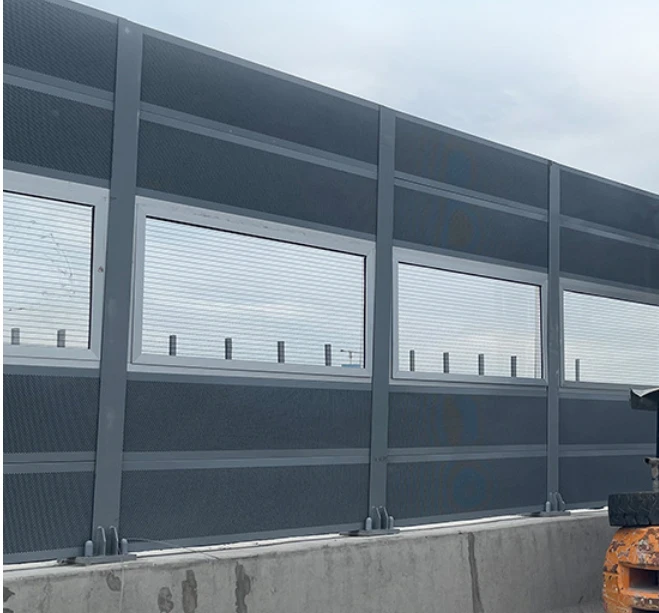
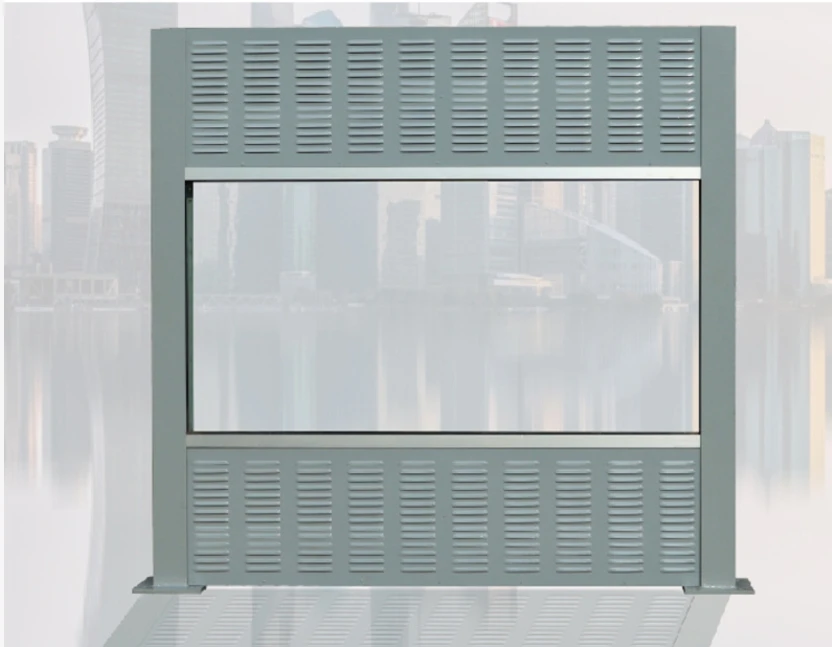
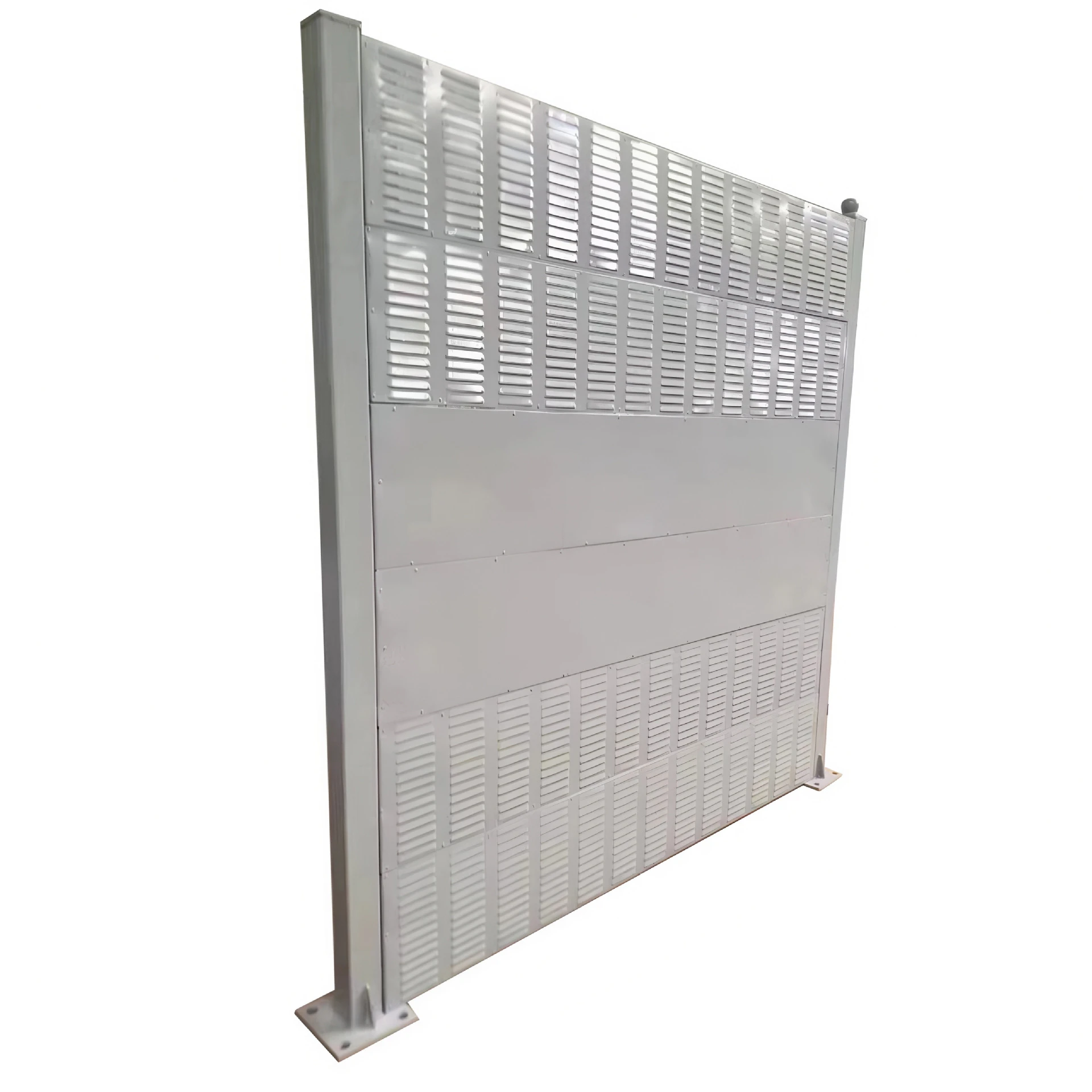
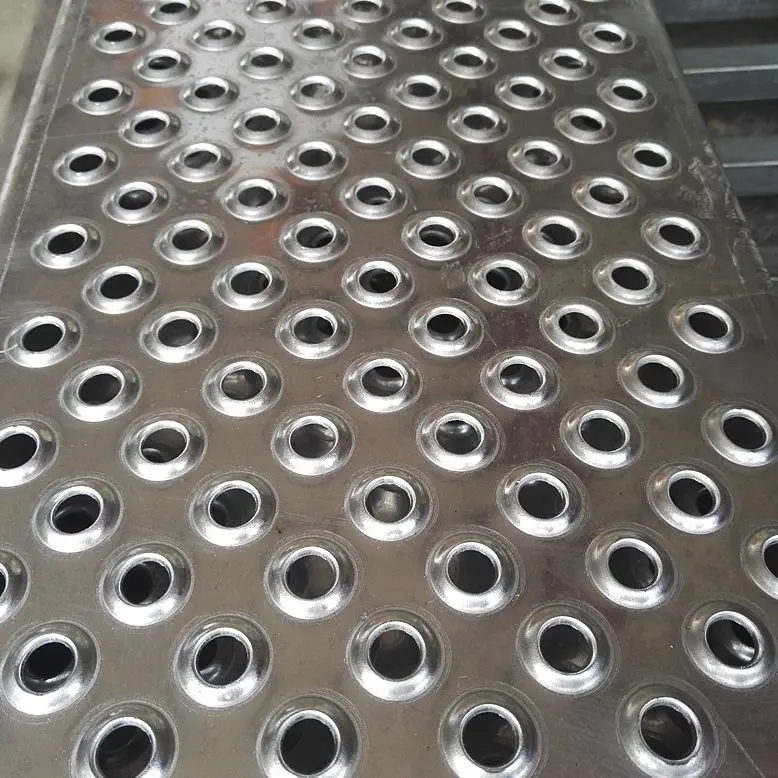
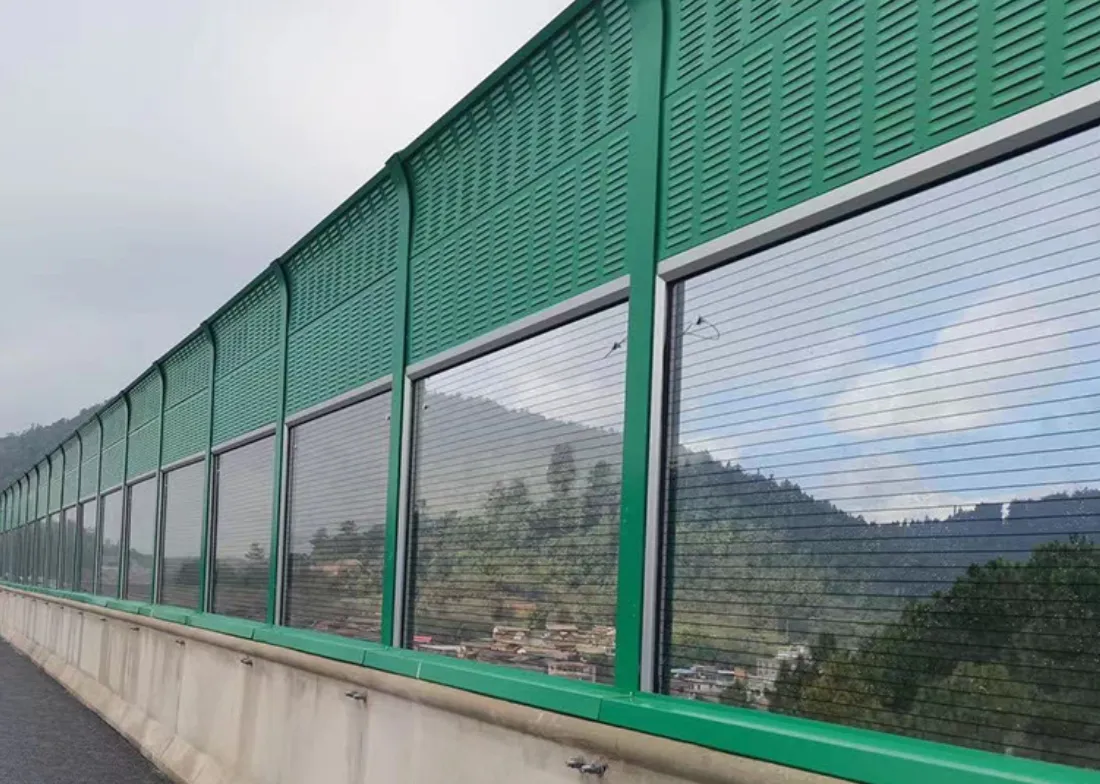
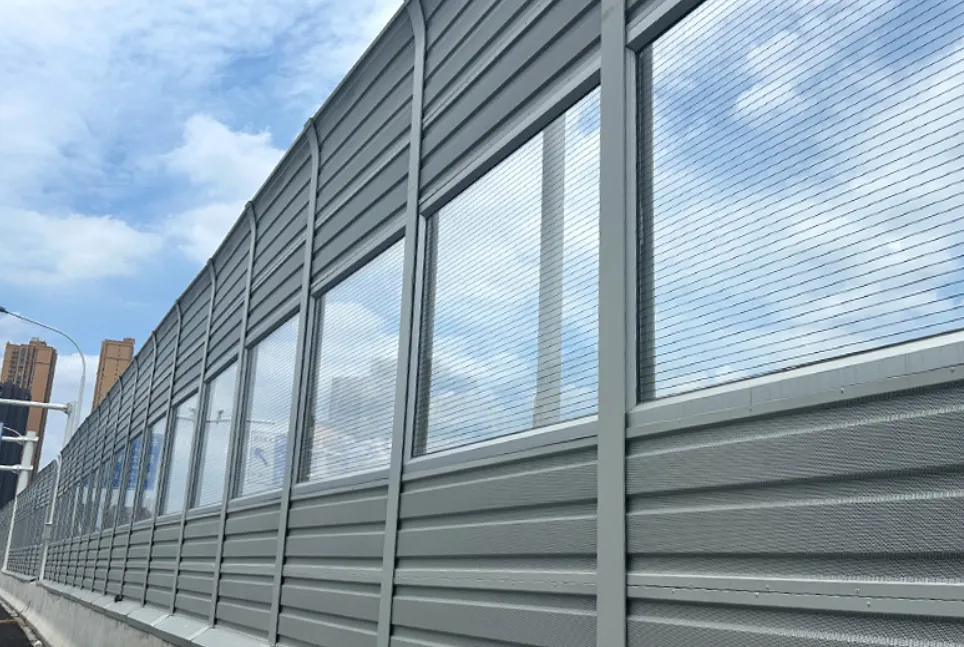
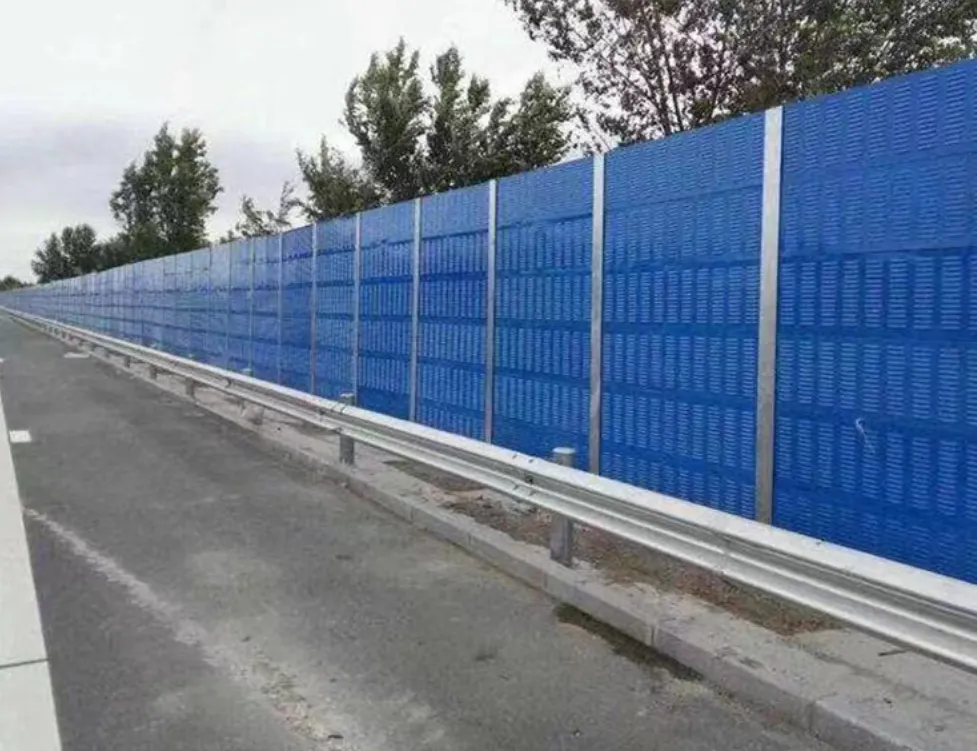
The sound barrier has three core advantages: efficient noise reduction,durability,and ventilation and light transmission.The combination of perforated panels and sound-absorbing layers with acoustic optimization design provides customized solutions for noise in different frequency bands; the high-quality metal substrate is combined with triple anti-corrosion technology to ensure the long-term and stable use of the product in harsh environments.
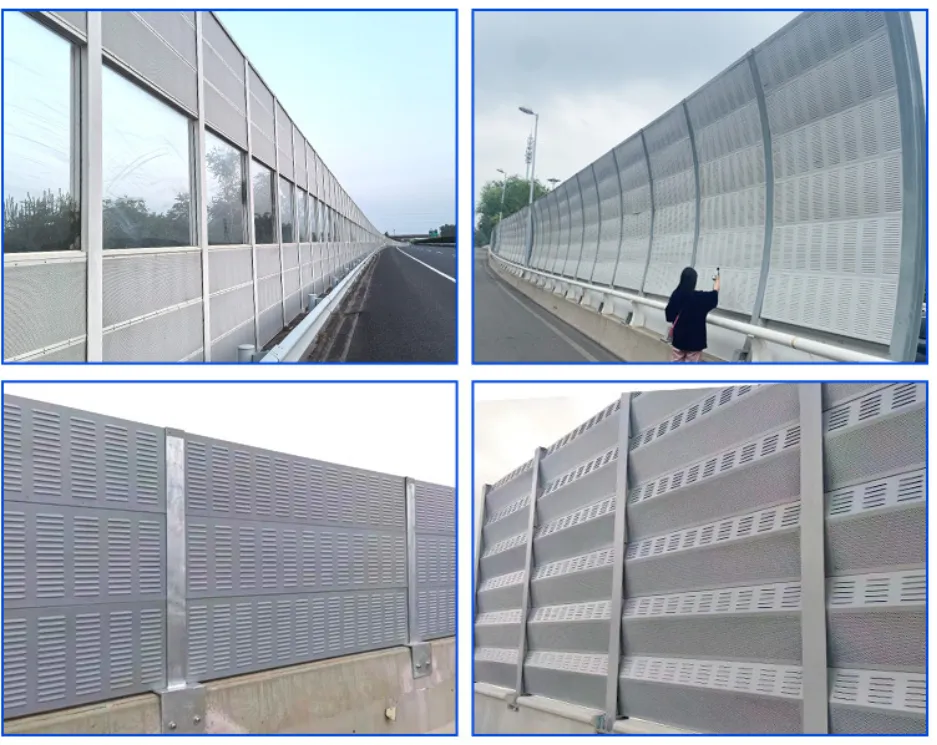
Application:
Transportation: highways,viaducts,railways,airports.
Industrail:power plants, chemical plants, manchining workshops.
Municipal engineering:schools, hospitals,senstive areas around residential areas.
Commercial facilities: noise reduction around large shopping malls and stadiums.
Product Parameters:
| Orukọ ọja | Ohun Idankan duro / Ariwo Idankan duro |
| Ohun elo | Alumiinium ,Galvanized |
| Orisi ti Iho dì | Round hole, louver hole |
| Àwọ̀ | Green, blue,gray, white, customizable |
| Dada itọju | Galvanized, powder, coated |
construction noise barrier
external noise barriers
irin odi išoogun
noise barriers
noise reduction barriers
outdoor noise barrier
temporary noise barriers
what is noise barrier
what type of barrier is noise
Iṣakoso pipe lori ọja jẹ ki a rii daju pe Awọn alabara gba awọn idiyele ati awọn iṣẹ ti o ga julọ. a Ṣe igberaga ninu ohun gbogbo ti a ṣe lati ṣe iranṣẹ fun awọn alabara wa.