When it comes to securing industrial perimeters, agricultural lands, or high-security installations, galvanised steel wire mesh fencing stands as the global gold standard for balancing strength and longevity. By applying a protective zinc coating to high-grade steel, this fencing solution eliminates the primary enemy of metal structures: oxidation. In an era where infrastructure must withstand increasingly volatile weather patterns and rigorous use, understanding the technical superiority of galvanised mesh is essential for any project manager or property owner.
The global demand for robust perimeter solutions has surged, driven by the expansion of logistics hubs, the need for secure livestock management, and the reinforcement of critical national infrastructure. From the humid coastal regions of Southeast Asia to the arid plains of Australia, the versatility of galvanised steel wire mesh fencing provides a reliable barrier that reduces long-term maintenance costs while enhancing site safety. It is not merely a physical boundary but a strategic investment in asset protection.
However, selecting the right type of mesh—whether it be welded, woven, or high-tensile—requires a deep dive into material science and application needs. This comprehensive guide explores the technical nuances, global applications, and future innovations of galvanised steel wire mesh fencing, providing the professional insights needed to choose a system that offers maximum security with minimal upkeep.
The Technical Fundamentals of Galvanised Steel Wire Mesh Fencing
At its core, galvanised steel wire mesh fencing relies on the process of galvanization, where steel is coated with a layer of zinc to prevent rusting. This chemical bond creates a sacrificial anode; the zinc corrodes first, shielding the underlying steel from moisture and oxygen. Whether through hot-dip galvanising or electro-galvanising, the result is a high-strength barrier capable of resisting harsh environmental stressors for decades.
The structural integrity of these fences is further enhanced by the mesh geometry. By utilizing various weaving or welding patterns, manufacturers can optimize the balance between visibility, airflow, and intruder deterrence. This technical flexibility allows the fencing to be adapted for everything from light agricultural boundary marking to heavy-duty industrial security, ensuring that the physical properties of the steel align perfectly with the intended risk profile of the site.
Global Market Relevance and Industrial Demand
The global adoption of galvanised steel wire mesh fencing is closely tied to the rise of urbanization and the standardization of security protocols. According to industrial reports and ISO standards for metallic coatings, the shift toward galvanised materials has significantly reduced the lifecycle cost of infrastructure projects globally. In developing economies, where rapid industrialization is occurring, these fencing solutions provide an affordable yet durable way to secure critical assets.
One of the primary challenges addressed by this technology is the "maintenance gap." Traditional painted or untreated steel fences require frequent repainting and rust treatment, which is often neglected in remote areas. Galvanised mesh solves this by providing inherent corrosion resistance, making it the preferred choice for government projects, airport perimeters, and large-scale solar farms where manual maintenance is logistically impossible or prohibitively expensive.
Furthermore, the integration of galvanised steel wire mesh fencing into modern architecture reflects a trend toward "transparent security." Modern facilities want the safety of a steel barrier without the oppressive feel of a concrete wall. The open-mesh design allows for natural surveillance and light penetration, aligning with CPTED (Crime Prevention Through Environmental Design) principles used by urban planners worldwide.
Core Components and Material Composition
The effectiveness of galvanised steel wire mesh fencing begins with the raw steel grade. High-carbon steel is often used for high-tensile applications, while mild steel is preferred for general-purpose boundaries. The tensile strength of the wire determines how much force the fence can absorb before deformation, which is critical for preventing breaches in high-security zones.
Central to the longevity of the system is the Zinc coating thickness, measured in grams per square meter (g/m²). A thicker galvanised layer on the galvanised steel wire mesh fencing ensures a longer lifespan in corrosive environments, such as saltwater spray zones or chemical processing plants, where salt-induced corrosion would otherwise destroy untreated steel in a matter of months.
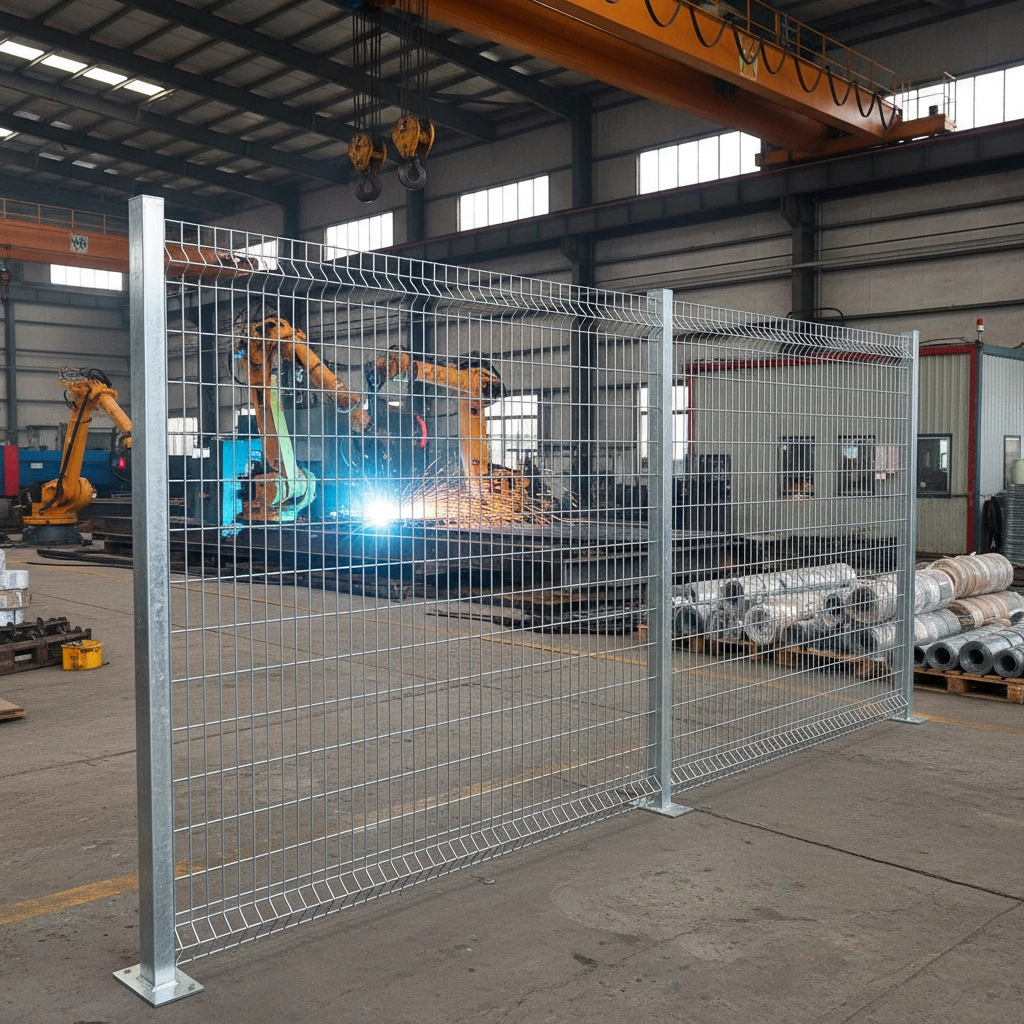
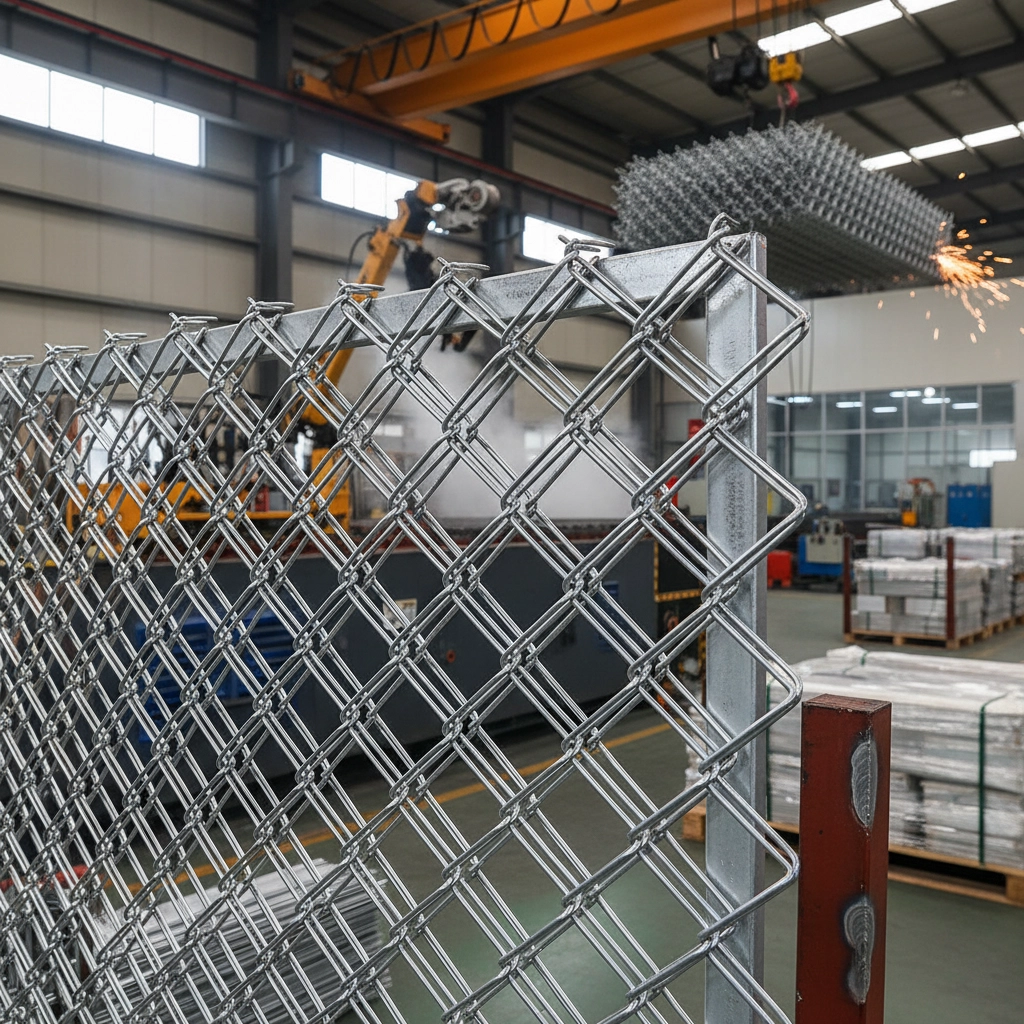
Finally, the joining method—welding vs. weaving—defines the fence's rigidity. Welded mesh offers a rigid, stable structure that is difficult to distort, making it ideal for 3D fences and security panels. Woven mesh, on the other hand, provides a degree of flexibility and is often used in gabion systems or cattle fencing, demonstrating the versatility of the material in adapting to different terrain and usage requirements.
Performance Metrics and Durability Factors
When evaluating galvanised steel wire mesh fencing, professionals look at a combination of impact resistance, corrosion rates, and installation speed. High-quality galvanised mesh is tested against salt-spray standards to predict its lifespan. For instance, a fence installed in a rural inland area may last 50 years, while the same product in a coastal industrial zone might require a heavier coating to achieve a 20-year lifespan.
Beyond chemical resistance, the mechanical performance of the fencing is paramount. The ability of the mesh to resist cutting and climbing is a key metric for security. By adjusting the aperture size—making the holes smaller—the galvanised steel wire mesh fencing becomes "anti-climb," as there are no convenient footholds for intruders, thereby increasing the perceived and actual security of the perimeter.
Performance Comparison of Galvanised Steel Wire Mesh Fencing Types
Diverse Global Applications and Use Cases
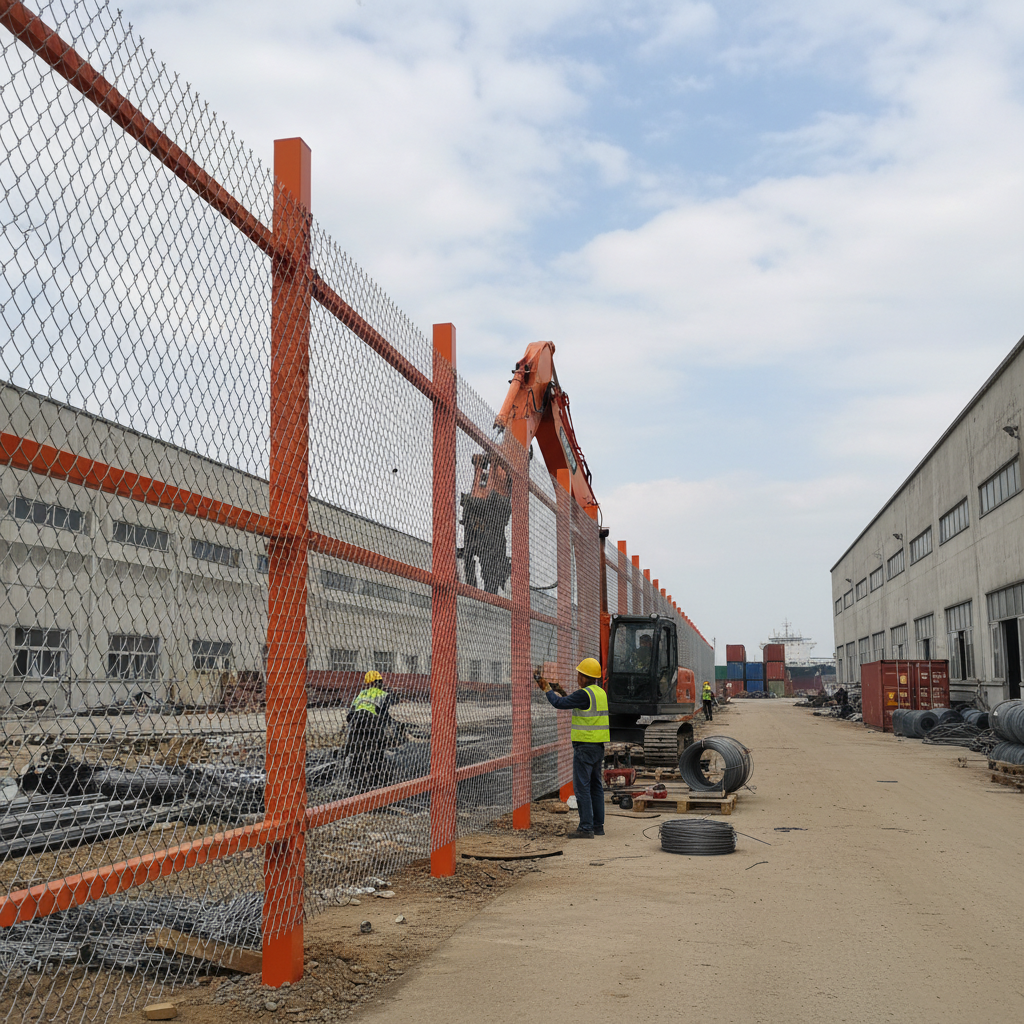
The application of galvanised steel wire mesh fencing spans across virtually every sector of the modern economy. In the energy sector, it is used to surround solar arrays and wind turbine bases, preventing wildlife interference and unauthorized human access without blocking the wind or sunlight. In industrial zones, it creates clear boundaries for warehouses and factories, ensuring that logistics flows are streamlined and secure.
Furthermore, the agricultural sector relies heavily on these systems for livestock management. From cattle fences to poultry enclosures, the rust-resistant nature of the mesh ensures that fences do not degrade when exposed to animal waste and rain. In urban environments, galvanised steel wire mesh fencing is frequently seen in sports courts, park perimeters, and noise barrier supports, proving its versatility in both functional and aesthetic roles.
Long-Term Economic and Sustainable Value
From a financial perspective, the initial cost of galvanised steel wire mesh fencing may be higher than untreated alternatives, but the Total Cost of Ownership (TCO) is significantly lower. When you factor in the costs of labor, paint, and replacement materials over a 20-year period, galvanised systems typically save operators 40-60% in maintenance expenditures. This makes it a logical choice for corporate CAPEX budgets.
Sustainability is another critical driver. Steel is one of the most recycled materials on earth, and galvanised mesh is no exception. At the end of its long lifecycle, the fencing can be melted down and repurposed without loss of quality. This circular economy approach reduces the environmental footprint of construction projects and aligns with global green building certifications.
Beyond the logic of cost and ecology, there is an emotional value tied to reliability. A secure perimeter provides peace of mind to employees and property owners. The trust that a galvanised steel wire mesh fencing system will stand firm against the elements and intruders allows businesses to focus on their core operations rather than worrying about the integrity of their boundaries.
Future Trends in Security Fencing Technology
The future of galvanised steel wire mesh fencing is moving toward the integration of "smart" technology. We are seeing the emergence of mesh systems embedded with fiber-optic sensors that can detect vibrations or cutting attempts in real-time. This transforms a passive physical barrier into an active surveillance tool, notifying security teams of the exact location of a breach instantly.
Material science is also evolving, with the development of Zinc-Aluminum-Magnesium (ZAM) coatings. These advanced alloys offer even higher corrosion resistance than traditional galvanising, particularly in extreme industrial environments. When applied to galvanised steel wire mesh fencing, these coatings can extend the maintenance-free window by several decades, further reducing the environmental impact of steel production.
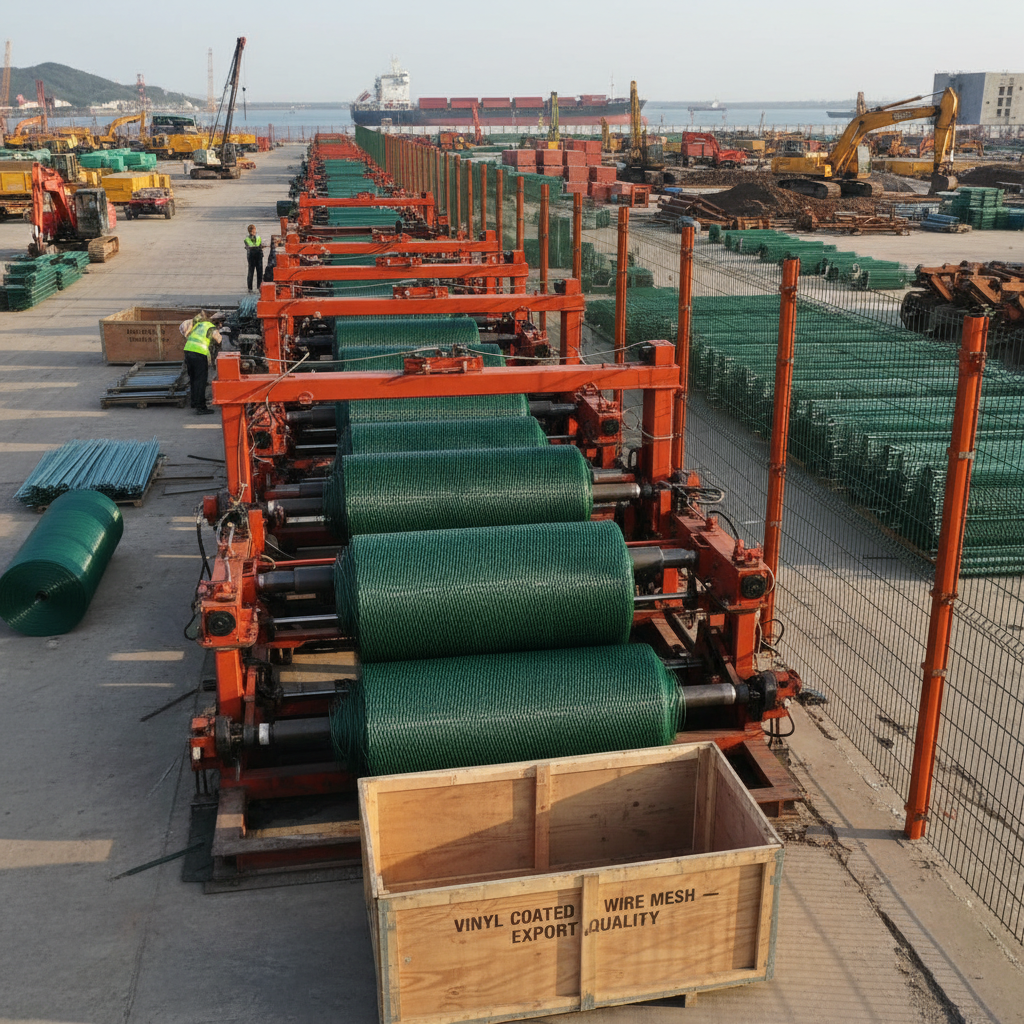
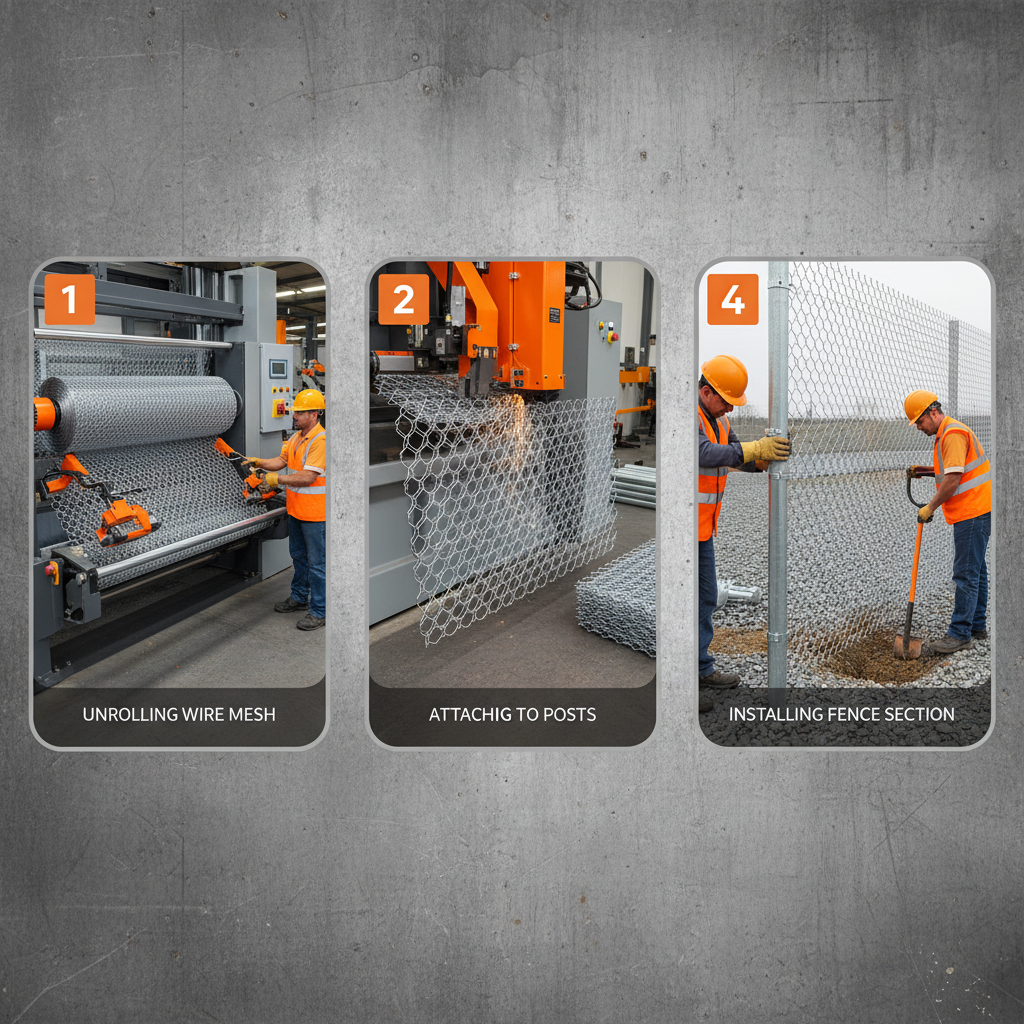
Additionally, automation in manufacturing—such as robotic welding and precision coating—is allowing for more complex mesh geometries. This means we can now produce fencing that is lighter yet stronger, reducing transportation costs and installation time while increasing the overall security grade of the perimeter.
Analysis of Material Performance and Lifecycle of Galvanised Fencing
|
Coating Type
|
Typical Lifespan (Years)
|
Corrosion Resistance
|
Primary Use Case
|
| Hot-Dip Galvanised |
20-50 |
Very High |
Industrial/Agricultural |
| Electro-Galvanised |
5-15 |
Moderate |
Indoor/Dry Climates |
| Galvanised + PVC |
15-30 |
High (Chemical) |
Residential/Sports |
| ZAM Alloy Coating |
40-70 |
Extreme |
Marine/Heavy Industry |
| Cold-Rolled Steel |
2-5 |
Low |
Temporary Barriers |
| Galvanised Welded Mesh |
25-40 |
High |
High-Security Zones |
FAQS
Hot-dip galvanising involves immersing the steel in molten zinc, creating a thick, durable layer that is ideal for outdoor and harsh environments. Electro-galvanising uses an electrical current to apply a thinner zinc layer, which provides a smoother finish but less long-term corrosion protection, making it more suitable for indoor or low-exposure applications of galvanised steel wire mesh fencing.
In coastal regions, salt air accelerates corrosion. While standard galvanised mesh may last 15-20 years, we recommend high-zinc coatings or ZAM alloys for these areas, which can extend the lifespan to 30+ years. Adding a PVC coating over the galvanised layer provides an extra barrier against saline moisture, significantly increasing the durability of the fencing system.
Initially, it may be more expensive than low-grade wood or basic plastic fencing. However, when considering the lifecycle, it is far more cost-effective. Wood rots and PVC can become brittle under UV exposure; galvanised steel wire mesh fencing requires almost zero maintenance and lasts decades longer, reducing the frequency of costly replacements.
Yes, absolutely. Depending on the mesh type, you can use "stepping" techniques for welded panels or "contouring" for woven mesh. Because galvanised steel possesses high tensile strength, it can be tensioned across varying elevations without compromising its structural integrity, making it perfect for hilly industrial sites or rural farmland.
Anti-climb galvanised steel wire mesh fencing utilizes a much smaller aperture (opening) and higher-gauge wire. This prevents intruders from getting a finger-hold or toe-hold on the mesh. Additionally, the rigidity of the welded structure prevents the fence from bowing, making it nearly impossible to scale without specialized equipment.
Galvanised fencing is largely maintenance-free. However, to maximize its life, we recommend periodic inspections for any deep scratches or physical damage that might expose the raw steel. If the zinc layer is compromised, a cold-galvanising spray (zinc-rich paint) can be applied to the affected spot to restore the sacrificial protection and prevent rust from spreading.
Conclusion
In summary, galvanised steel wire mesh fencing represents the perfect intersection of material science and practical security. By combining the inherent strength of steel with the sacrificial protection of zinc, it provides a versatile, durable, and sustainable solution for a vast array of global challenges—from securing critical energy infrastructure to managing livestock. Its ability to withstand extreme weather while requiring minimal maintenance makes it the most economically viable choice for long-term asset protection.
As we move toward a future of "smart" perimeters and greener construction, the role of galvanised mesh will only grow. Investing in high-quality, correctly coated fencing today not only secures your physical perimeter but also reduces your future environmental footprint and operational costs. For those seeking a balance of transparency, strength, and longevity, galvanised steel remains the definitive choice. Visit our website for professional guidance and premium products: www.fencingwiremesh.com