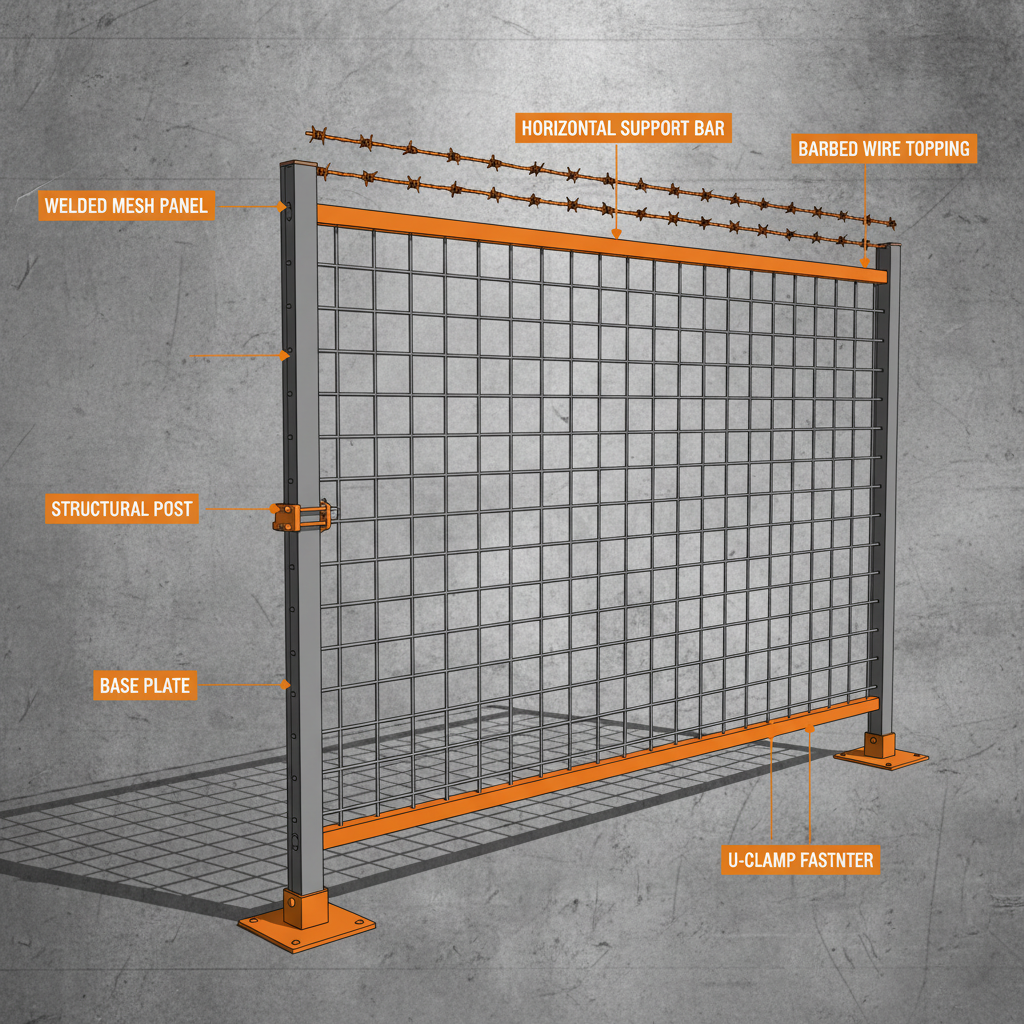
Look, I've been running around construction sites for over fifteen years, and honestly, the biggest thing I've seen lately is everyone chasing higher strength steel. Not just in fencing, but everywhere. Seems like every other engineer is obsessed with tensile strength numbers. It's good, sure, but sometimes I think they forget that a fence needs to stay up, not just resist a hurricane in a lab. They spend so much time modeling, they forget about the guys actually building it.
And the coatings… don't even get me started. Everyone wants longer-lasting corrosion protection, which is great, but have you noticed how many of these new "eco-friendly" coatings are just a pain to work with? They need special primers, specific application temperatures… I was at the Beijing railway materials factory last time, and the foreman was pulling his hair out trying to get a consistent finish. Said the stuff was like painting with water. It looked pretty in the brochure, though.
It all comes down to steel fencing supplies, of course. It’s a deceptively simple thing, a fence. But there's a lot more to it than just buying wire.
The Current Landscape of Steel Fencing Supplies
To be honest, it's a race to the bottom on price, most of the time. Everyone's looking for the cheapest steel, and that’s… well, that’s a gamble. You see a lot of thinner gauges being used, claiming equivalent strength through alloy adjustments. Seems legit on paper, but I've seen those bows under load in a stiff wind. It's the little things, you know? The post spacing, the bracing…
The supply chains are still a mess too. Covid threw everything off, and it hasn’t fully recovered. Getting consistent deliveries of galvanized wire is a headache. It’s not just the price, it’s the timing. If you’re on a tight schedule, you can’t afford to wait for the next shipment. That impacts everything, from labor costs to client satisfaction.
Design Pitfalls and Common Mistakes
Strangely, one of the biggest mistakes I see is over-engineering. People design a fence to withstand a force that’s statistically impossible in that location. They add extra posts, heavier gauge wire… it’s overkill, and it drives up the cost for no real benefit. It's like building a battleship to protect a rowboat.
Another thing? Ignoring local conditions. A fence in a coastal area needs a very different design than one in a desert. Salt spray is brutal on steel, even with galvanization. And in the desert, you have extreme temperature swings that can cause expansion and contraction, stressing the entire system. You gotta know your environment.
And the corners! Oh, the corners. People always skimp on the corners. They think they can get away with a flimsy post and a few strands of wire. That’s where the whole thing is going to fail. Corners need to be reinforced, properly braced, and built to last.
Materials: A Hands-On Perspective
We primarily work with Q235 and Q345 steel. Feels solid, you know? Has a good weight to it. The smell of hot-dip galvanization… yeah, that's a familiar scent after a while. You can tell a good galv coating by the texture – it should be smooth, uniform, and not too brittle. If it flakes off easily, it's a bad batch.
And the wire itself… I’ve seen everything from high-carbon steel to stainless steel. Stainless is great, obviously, but it's expensive. It’s only worth it for really corrosive environments. The high-carbon stuff is strong, but it's also prone to rust if it's not properly coated. You can tell a high-carbon wire by the way it feels – it’s a little harder, a little less flexible.
PVC coating is pretty common too. Adds a layer of protection, but it can get brittle in the sun. I encountered this at a school playground last time – the PVC cracked and flaked off, exposing the steel underneath. Not a good look.
Real-World Testing and Performance
Forget the lab tests. I want to see a fence survive a real winter storm, or a curious bull, or a determined group of teenagers. That's when you really know if it's built to last. We’ve started doing more on-site pull tests – just hooking a chain to a section of fence and seeing how much force it takes to break it. Simple, but effective.
We also observe how the fences age over time. We’ll revisit sites after a year, two years, five years… and check for corrosion, sagging, broken wires. That gives us a much more realistic picture of performance than any laboratory report.
Steel Fencing Supplies Performance Metrics
How Users Actually Interact with Steel Fencing Supplies
It's not always what you expect. A lot of farmers, they don’t just want to keep animals in, they want to keep animals out. And they’re not always gentle about it. They’ll lean on the fence, tie things to it, drive equipment close to it… So, it needs to be robust.
And then you have the homeowners. They want something that looks nice, fits their landscaping. They don’t care about tensile strength; they care about aesthetics. It’s a different mindset.
Advantages, Disadvantages, and Customization Options
The biggest advantage of steel, obviously, is strength. It's tough, durable, and can withstand a lot of abuse. But it’s also heavy, prone to rust, and can be expensive. Anyway, I think a lot of people underestimate the cost of maintenance.
Customization? Absolutely. Last month, that small boss in Shenzhen who makes smart home devices insisted on changing the interface to , and the result was… a total nightmare. The original design was perfectly fine, but he wanted to be "innovative." Ended up delaying the project by two weeks and costing him a fortune. But we made it work, eventually. They wanted to run power and data through the fence posts. A bit excessive, but hey, it’s their money.
A Deep Dive into Quality Control and Manufacturing
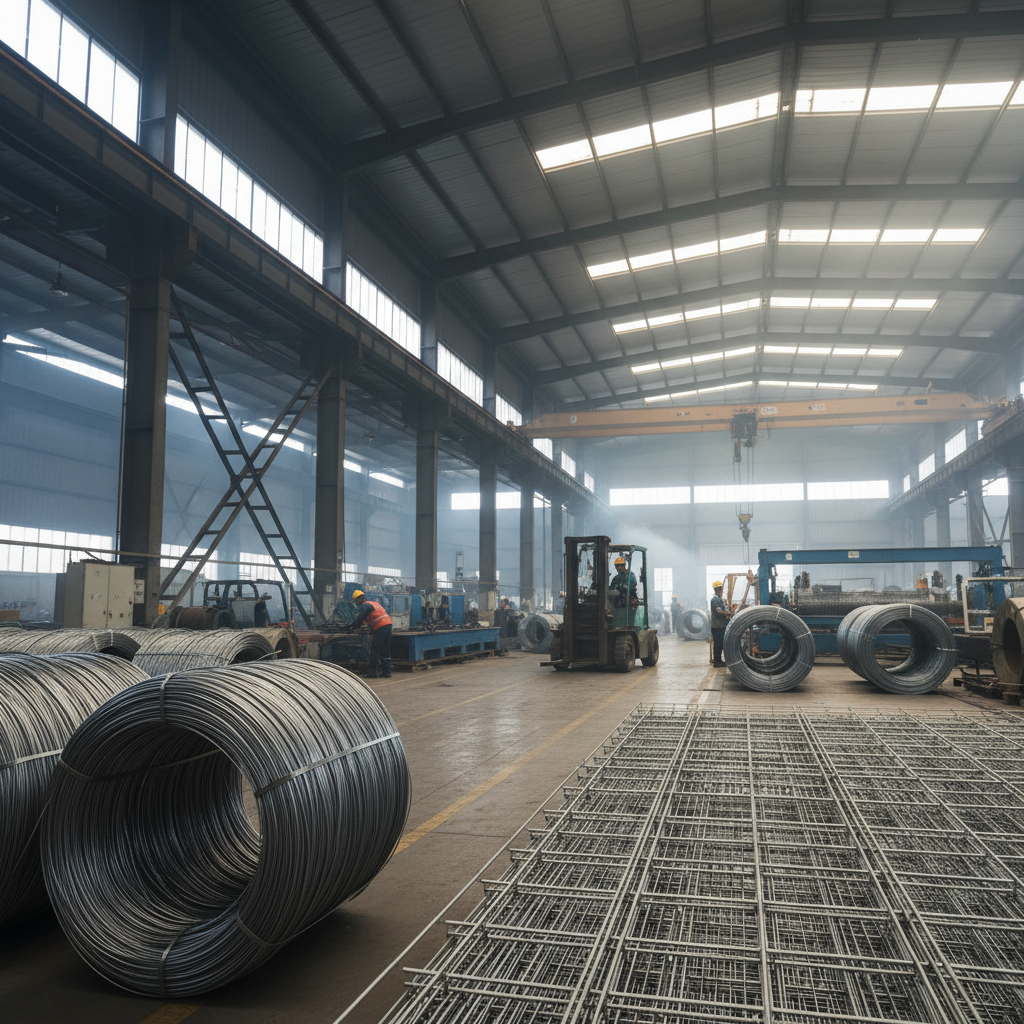
Quality control starts at the mill. You need to inspect the steel for defects, check the dimensions, and make sure it meets your specifications. But it doesn’t stop there. You need to monitor the welding process, the galvanization process, the coating process… everything.
We’ve got a little testing rig in our workshop where we simulate real-world conditions. We apply salt spray, expose the steel to UV radiation, and subject it to repeated stress cycles. It’s not perfect, but it gives us a good indication of how it’s going to perform.
Honestly, the biggest problem I see is lack of attention to detail. People rushing through the process, cutting corners… it always comes back to bite you.
Key Quality Control Parameters for Steel Fencing Supplies
| Material Composition |
Coating Thickness (μm) |
Weld Strength (MPa) |
Corrosion Resistance (Salt Spray Hours) |
| Q235 Steel |
80-100 |
450-550 |
500-700 |
| Q345 Steel |
90-110 |
550-650 |
700-900 |
| Galvanized Steel |
60-80 |
400-500 |
300-500 |
| PVC Coated Steel |
150-200 |
350-450 |
400-600 |
| Stainless Steel 304 |
N/A |
500-600 |
1000+ |
| Powder Coated Steel |
50-70 |
400-500 |
600-800 |
FAQS
For coastal areas, you really want to prioritize corrosion resistance. While stainless steel is ideal, it's pricey. A heavy-duty galvanized steel with a high-quality powder coating is a good compromise. The key is a thick galvanization layer – at least 80 microns – and a powder coat specifically designed for marine environments. Regular maintenance, like washing off salt spray, is also crucial.
It depends on your environment, but at least once a year is a good starting point. In coastal areas or industrial zones, you should inspect it every six months. Look for rust spots, flaking paint, and damaged coatings. Address any issues promptly to prevent them from worsening. Small touch-ups now can save you a lot of money later.
Hot-dip galvanization provides a much thicker and more durable coating than electrogalvanization. In hot-dip, the steel is immersed in molten zinc, creating a metallurgical bond. Electrogalvanization uses an electric current to deposit a thin layer of zinc. Hot-dip is the way to go for long-lasting corrosion protection, especially in harsh environments. It’s just… messier.
Yes, absolutely. In fact, it's the recommended approach. The galvanization provides the primary corrosion protection, and the powder coat adds an extra layer of protection and aesthetic appeal. Just make sure the galvanization is properly cleaned and prepped before applying the powder coat. Otherwise, it won’t adhere properly.
With proper installation and regular maintenance, a steel fence can easily last 20-30 years, even in challenging environments. Regular inspection and touch-ups are key. The initial investment in quality materials and a solid installation will pay off in the long run. Don't skimp on the basics, or you’ll be replacing it sooner than you think.
There's a lot of research going into recycled steel and bio-based coatings, but nothing that's truly taken off yet. Recycled steel is a good option, but the quality can vary. Bio-based coatings are promising, but they haven’t proven to be as durable as traditional coatings. For now, sticking with high-quality galvanized steel and responsible manufacturing practices is the most eco-friendly approach.
Conclusion
So, yeah, steel fencing supplies. It's a surprisingly complex topic. It’s about more than just steel and wire; it’s about understanding materials, design, manufacturing, and the real-world conditions where the fence will be installed. It’s about balancing cost, durability, and aesthetics. And it’s about remembering that a good fence isn't just a barrier; it’s an investment.
Ultimately, whether this thing works or not, the worker will know the moment he tightens the screw. Because at the end of the day, it’s the details that matter. And if those details are right, that fence will stand for a long, long time.