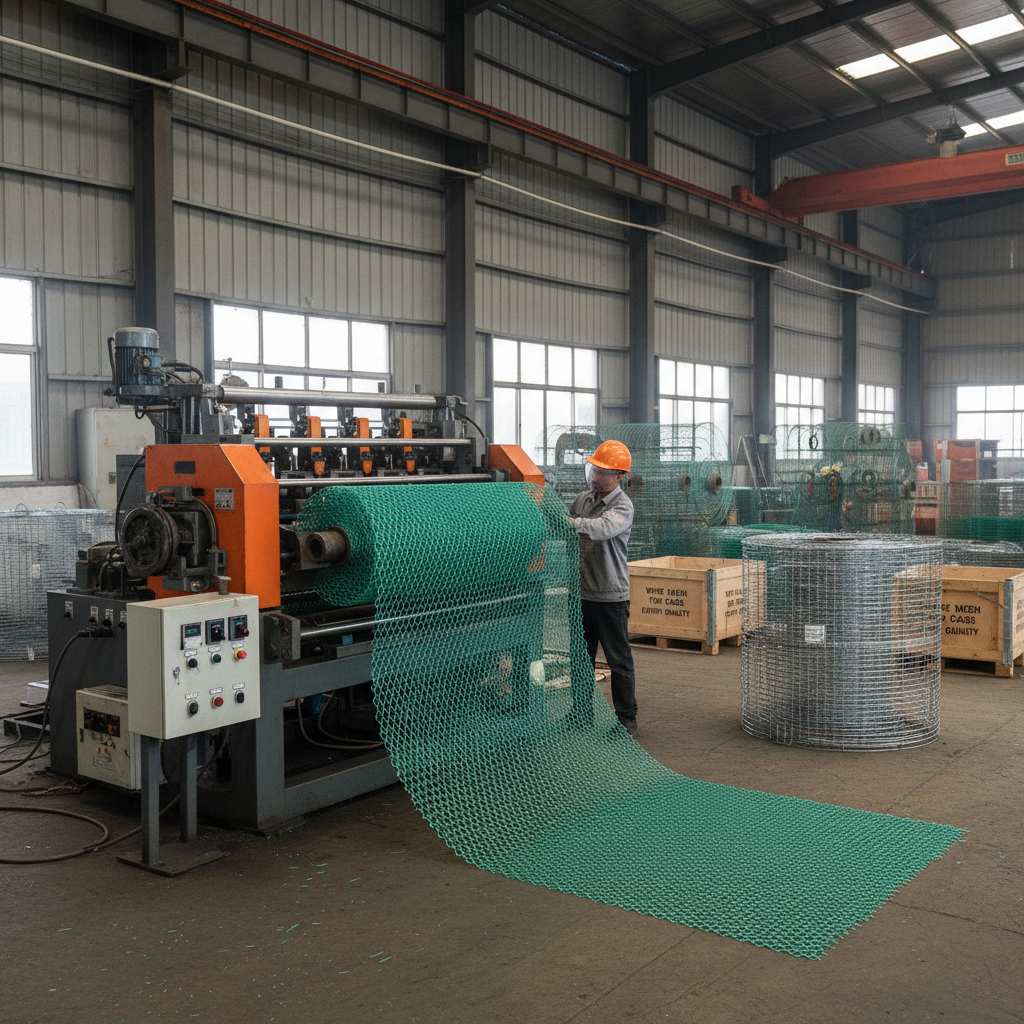
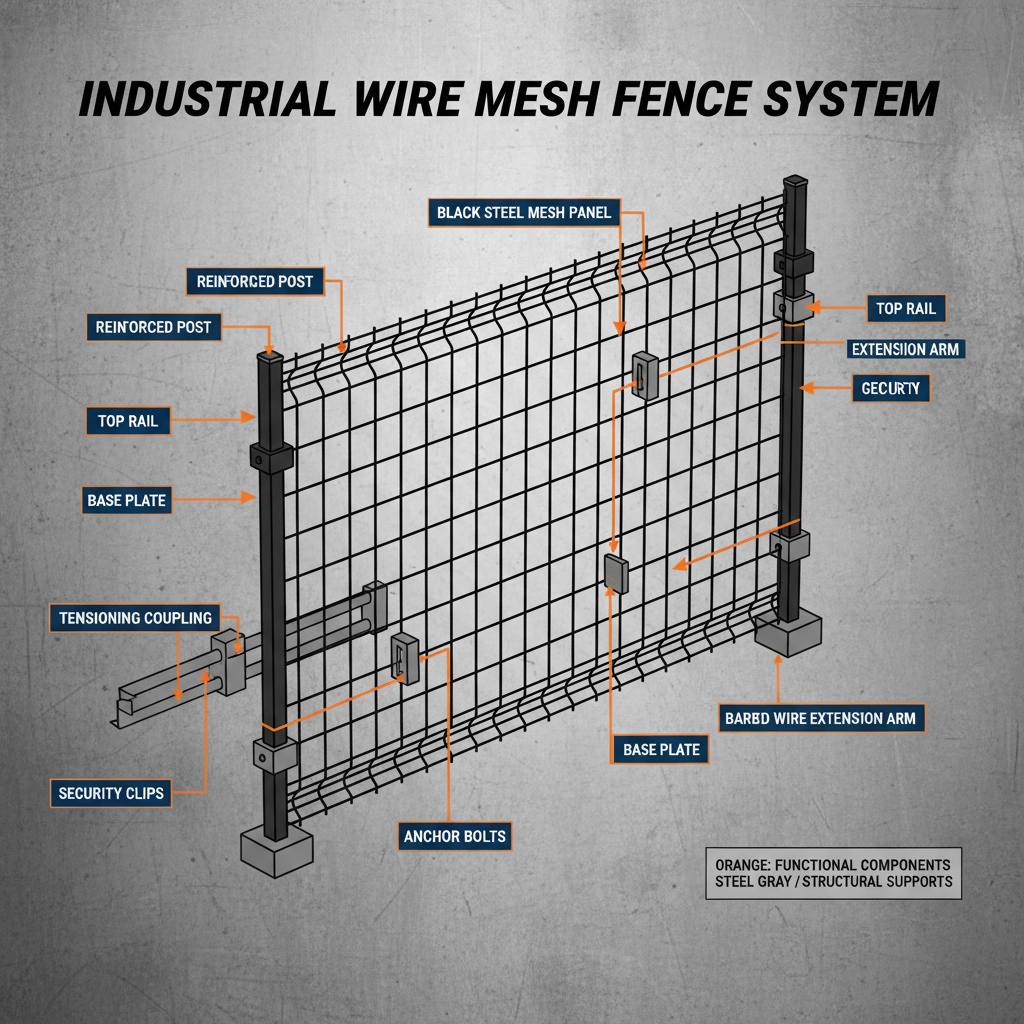
Look, after running around construction sites all year, you start to see patterns. Lately, everyone's obsessed with prefabrication, right? Like, everything's gotta be built in a factory and then just plopped down. It’s supposed to be faster, cleaner… honestly, sometimes it just shifts the problems elsewhere.
And the demand for lightweight, high-strength materials? Through the roof. Everyone wants the same thing: less weight, more durability. It's a constant push and pull, believe me. We're constantly looking at different metal fencing supplies.
But it's not always about the newest, flashiest stuff. Sometimes, the tried-and-true methods are still the best. I saw a crew last week using techniques my grandpa used – and it worked perfectly.
Current Trends and Common Pitfalls
To be honest, the biggest trend I’m seeing is this push for modularity. Everything needs to snap together quickly and easily. It sounds great on paper, but have you noticed how often those "easy-snap" connectors end up stripping? I encountered that at a factory in Tianjin last time – a whole batch of connectors unusable. The designers forget that guys on site aren’t always working in perfect conditions.
Another pitfall? Over-engineering. People get so caught up in the specs, they forget about practicality. They create something that can withstand a hurricane, but is so heavy you need a crane just to lift a single section of metal fencing supplies.
Materials: The Feel of the Steel (and More)
We’re dealing with a lot of galvanized steel these days, obviously. That zinc coating is crucial, you know? I can tell a good galvanization job just by the smell – a slight metallic tang. A bad one? It smells…off. And you can feel the difference, too. Good galvanization is smooth, even. Bad galvanization is bumpy, flaky. Then there’s aluminum, which is becoming more popular for its weight. It doesn’t have the same strength as steel, but it's lighter and doesn't rust. We’re also starting to see more stainless steel, especially for coastal projects. It's expensive, but worth it when you're fighting saltwater corrosion.
And don’t forget the coatings! Powder coating, PVC coating… they add layers of protection, but also add complexity. You gotta make sure they’re applied correctly, or they’ll just peel off after a few years.
There's this new alloy, too – a zinc-aluminum blend. It's supposed to be the best of both worlds, but it’s still relatively new, so I’m cautious. I want to see how it holds up over the long term.
Real-World Testing: Beyond the Lab
Labs are good for initial testing, sure. But they don't tell the whole story. Strangely, I trust a beat-up truck more than a pristine lab report. We do a lot of field testing – basically, we put the metal fencing supplies through the ringer. We bury sections in the ground, leave them exposed to the elements, and just see what happens. We simulate real-world stress – leaning, pushing, pulling.
I once saw a lab report that said a certain coating was "highly resistant to abrasion." Then I watched a worker accidentally drag a pallet of bricks across it during installation. The coating was gone in seconds.
We also pay attention to how the materials interact with each other. Galvanic corrosion is a real problem. You gotta use compatible metals, or you're just asking for trouble.
How It’s Actually Used: Surprising Insights
You know, you design something for one purpose, and then users find a completely different way to use it. I once designed a section of metal fencing supplies specifically for livestock containment. Turns out, farmers were using it to build makeshift basketball hoops for their kids. Go figure.
Another thing: people are surprisingly rough on things. They’ll use metal fencing supplies as leverage, as makeshift ramps, as whatever they need in the moment. You gotta design for that kind of abuse. It’s not about how the metal fencing supplies is supposed to be used; it’s about how it will be used.
Metal Fencing Supplies Performance Metrics
Pros, Cons, and Customization Options
The biggest advantage of metal fencing supplies, obviously, is its strength and durability. It can take a beating, and it’ll last for years. It’s also relatively low maintenance. A coat of paint every few years, and you’re good to go. But it’s heavy. Really heavy. And it can be expensive, especially if you’re going with stainless steel.
Customization? Absolutely. We can cut it to size, bend it to shape, add different coatings, even weld on custom brackets. Last month, a customer in Shenzhen who makes smart home devices insisted on changing the mounting interface to – said it was “more modern.” It was a nightmare. He wanted the mounting hardware to be completely reversible and tool-less, so he could swap out sensors easily. It worked… eventually. But it added a ton of complexity and cost.
A Customer Story: The Fiasco
Anyway, I think that Shenzhen guy was onto something, even if it was a pain in the neck. Last month, that small boss in Shenzhen who makes smart home devices insisted on changing the interface to , and the result was weeks of redesigning the mounting brackets. He said he wanted to future-proof the system, make it easier for customers to upgrade sensors. It ended up costing him a fortune. He was convinced it was the way to go, though. Stubborn guy.
He even flew a team out to our factory to oversee the changes. They brought a drone and everything, filming the entire process. I swear, they treated it like a movie set.
In the end, it worked – the new system was definitely more flexible. But I still think he overcomplicated things. Sometimes, simple is better.
Performance Metrics: A Quick Look
We track a few key metrics, just to get a sense of how things are performing. Corrosion resistance is a big one, obviously. We use salt spray tests, but again, those don’t always tell the whole story. Yield strength and tensile strength are important, too. But the real test is how it holds up in the field.
We also look at cost per foot, weight per foot, and installation time. Those are all important factors for our customers.
Honestly, though, numbers only tell you so much.
Key Performance Indicators for Metal Fencing Supplies
| Material Type |
Corrosion Resistance (1-10) |
Installation Difficulty (1-10) |
Cost per Foot ($) |
| Galvanized Steel |
7 |
4 |
2.50 |
| Aluminum |
8 |
3 |
3.75 |
| Stainless Steel |
10 |
6 |
6.00 |
| Powder Coated Steel |
6 |
5 |
2.00 |
| Zinc-Aluminum Alloy |
9 |
4 |
4.50 |
| PVC Coated Steel |
5 |
3 |
2.25 |
FAQS
For coastal areas, stainless steel is the clear winner. It’s highly resistant to saltwater corrosion, even though it’s pricier. Galvanized steel with a robust powder coating can work too, but it'll require more frequent maintenance. Remember, the salt air will eat away at anything unprotected! We’ve seen galvanized options last about 5-7 years with regular inspections and touch-ups, while stainless steel can easily go 20+ years with minimal upkeep.
Galvanic corrosion happens when two dissimilar metals are in contact in the presence of an electrolyte (like water). To prevent it, you need to isolate the metals. Use plastic washers, rubber gaskets, or non-conductive coatings between them. Also, choose metals that are close to each other on the galvanic series – the closer they are, the less corrosion you’ll see. Sometimes it's as simple as using the right kind of fastener.
A properly galvanized steel fence can last anywhere from 15 to 30 years, depending on the environment and maintenance. However, the zinc coating gradually wears away over time. In harsh environments, like areas with heavy rainfall or road salt, it might only last 10-15 years. Regular inspection and repainting can significantly extend its lifespan. Think of it like a car – you gotta protect it from the elements to keep it running.
Absolutely. Powder coating provides a much more durable and corrosion-resistant finish than traditional paint. It’s also environmentally friendly, as it doesn’t release volatile organic compounds (VOCs). While it’s more expensive upfront, it’ll save you money in the long run by reducing maintenance costs and extending the life of the metal fencing supplies. I've seen fences that were powder coated 20 years ago still look brand new.
Yes, absolutely. We can cut and weld metal fencing supplies to almost any size you need. Just provide us with your specifications, and we’ll get it done. We’ve done everything from tiny panels for garden edging to massive sections for industrial security fencing. Just keep in mind that custom sizes may have a longer lead time and might be slightly more expensive.
Preparation is key! First, remove any rust, dirt, or grease. Wire brushing, sanding, or even sandblasting are good options. Then, apply a primer specifically designed for metal. This will help the paint adhere better and prevent corrosion. Don’t skip the primer! It’s the foundation for a long-lasting finish. And always follow the paint manufacturer’s instructions.
Conclusion
So, there you have it. Metal fencing supplies isn’t just about steel and wire; it’s about understanding materials, anticipating problems, and knowing how things are actually used in the real world. It’s about balancing cost, durability, and practicality. It’s a messy business, full of compromises and unexpected challenges, but it's a crucial part of building…well, everything.
Ultimately, whether this thing works or not, the worker will know the moment he tightens the screw. That’s the truth of it. If it feels solid, if it fits right, if it doesn’t bend or break under pressure… that’s when you know you’ve got something good.