Honestly, the whole industry's gone crazy for prefabrication lately. Everyone’s talking about modular, off-site construction… it’s all anyone can talk about at trade shows. Seems like every other company is slapping “prefab” on their marketing materials. And you know what that means? Corners get cut. I’ve seen it happen too many times. They try to rush things, use cheaper materials…
Have you noticed how everyone’s obsessed with lightweighting? Makes sense, transportation costs are through the roof. But sometimes, that lightness comes at the cost of durability. You start using thinner gauge steel, composite materials… and then you're back on-site dealing with things bending and breaking. It’s a trade-off, and not always a good one.
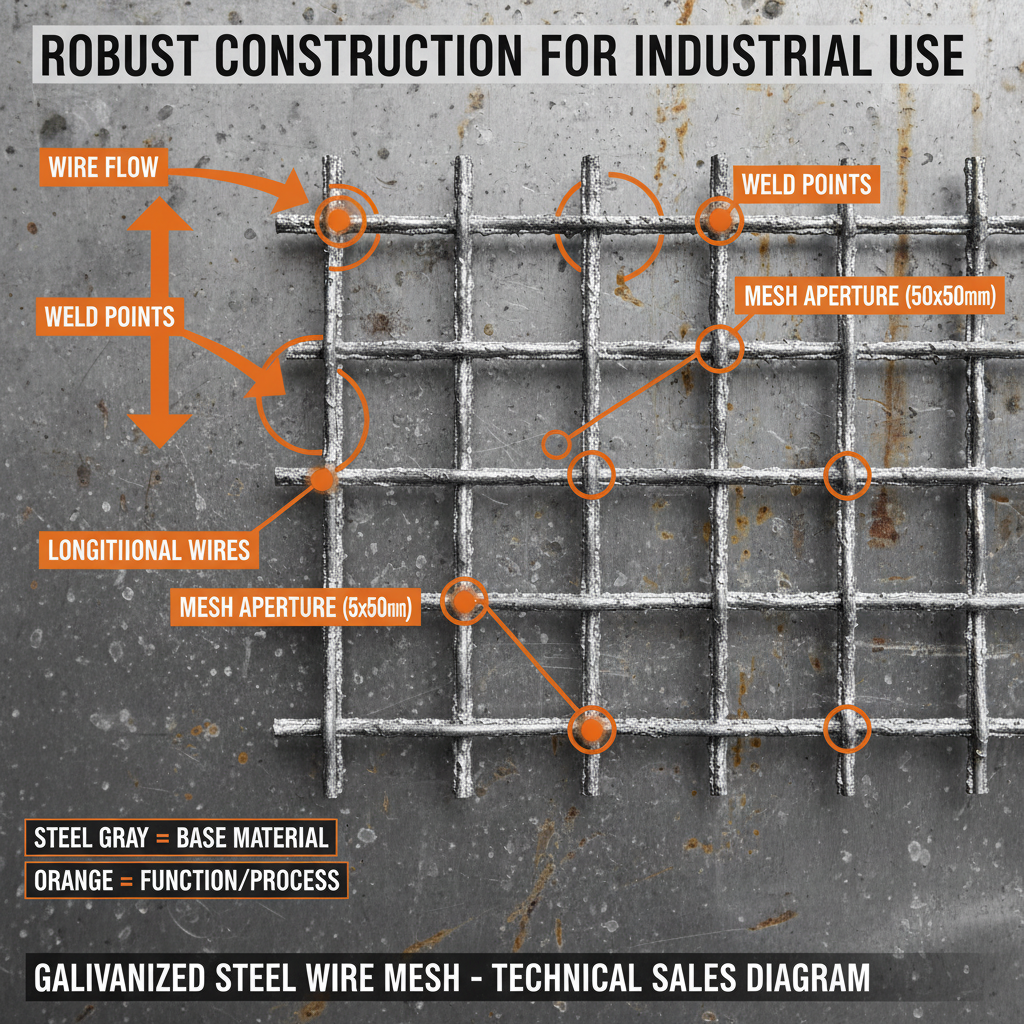
We deal with a lot of galvanized steel, naturally. It's the workhorse of the fencing world, you know? Good old-fashioned G90, that’s what I like to see. Smells like… well, metal. A kind of sharp, industrial smell. You get used to it. But it’s heavy stuff. And the coating quality varies wildly. I encountered this at a factory in Tianjin last time - their galvanizing was patchy, looked like someone just splashed it on. Had to send the whole shipment back. And then there's aluminum, of course. Lighter, doesn’t rust… but it feels… flimsy. Doesn't have the same heft, the same reassurance as steel.
Industry Trends & Design Pitfalls
Strangely enough, a lot of designers forget about installation. They design these fancy gates, intricate panels… and then expect the guys on-site to figure it out. It’s like they’ve never actually installed a fence before! A simple design, with clear instructions, is always better. You want something that's easy to assemble, minimizes on-site cutting and welding… that saves everyone time and money. That’s what really matters.
And then there’s the whole “aesthetic” push. Everyone wants a fence that looks good, of course. But form should follow function. A beautiful fence that falls over in the first strong wind isn’t very useful, is it?
Material Deep Dive: Steel, Aluminum & Beyond
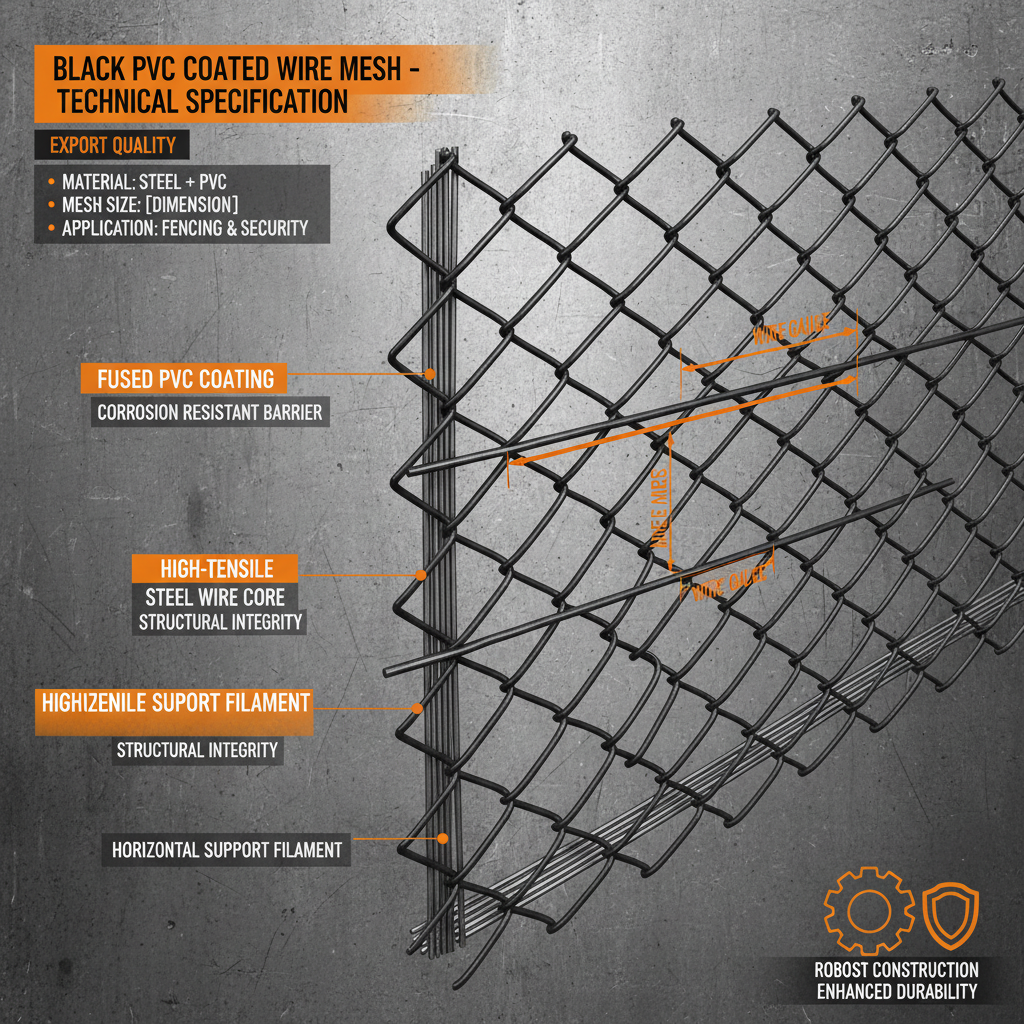
We use a lot of different coatings, too. Powder coating’s popular - durable, comes in a bunch of colors. But it’s expensive. And if it gets scratched, the rust will creep in underneath. PVC coating’s another option – cheaper, more flexible. But it doesn’t hold up as well to UV exposure. It gets brittle over time. Anyway, I think the biggest thing is getting the right grade of steel for the application. You don't want to cheap out on that.
And don’t even get me started on composites. They look good on paper - lightweight, corrosion-resistant. But I've seen too many failures. They don't handle impact well, and they can delaminate in harsh weather. They're okay for decorative stuff, maybe, but not for serious security fencing.
The feel of the material is important, too. You can tell a lot just by holding it, by looking at the welds. Experienced installers can spot a bad weld a mile away. You want a nice, smooth, consistent finish. Anything rough or uneven is a red flag.
Real-World Testing & On-Site Observations
Forget the lab tests. The real test is how it holds up on a construction site. We do pull tests, bend tests, corrosion resistance tests… but those don’t always tell the whole story. I’ve seen fences pass all the lab tests and still fail spectacularly in the field. You need to actually put it through its paces in a real-world environment.
We’ve started doing more on-site trials, setting up sections of fencing in different locations, exposing them to different weather conditions. It’s more expensive, takes more time… but it’s worth it. It gives us a much better understanding of how the material will perform over the long haul. We even leave sections up for a year or two, just to see what happens.
What I've noticed is that a lot of the issues aren't with the material itself, but with the installation. Poorly installed posts, incorrect spacing, improper bracing… these are the things that cause fences to fail. That’s why we offer installation training to our customers.
How Customers Actually Use Our Fencing
It's funny, you design something for one purpose, and then customers find a completely different way to use it. We sell a lot of fencing for security, obviously. But we also get requests for privacy screens, noise barriers, even decorative elements. A guy in California used our fencing to create a vertical garden! Who would have thought?
And the environments are all over the map. We’ve got fences in deserts, in swamps, in coastal areas with salt spray. Each environment presents its own challenges. You need to choose the right materials, the right coatings, to withstand the conditions.
The Good, The Bad, and the Customizable
Our standard fencing is pretty solid. Good quality steel, reliable construction. But the real value is in the customization. We can adjust the height, the spacing, the post design, the gate configuration… you name it. We had one customer who wanted a fence with integrated solar panels. It was a bit of a headache, but we figured it out.
The downside? Customization takes time and costs money. And sometimes, the customer wants something that's just… not practical. Last month, that small boss in Shenzhen who makes smart home devices insisted on changing the interface to , and the result was… well, let's just say it didn't work. He wanted to be "cutting edge," but it just added unnecessary complexity. It was a total waste of time and materials.
metal fence supplier Performance Metrics
A Shenzhen Story: The Debacle
Like I said, that Shenzhen guy. Small operation, making smart thermostats. He wanted a fence around his factory, standard stuff. But he insisted on having a port integrated into every post, for… well, I still don’t know why. Something about future-proofing? He said it would allow for easy integration of sensors and lighting. I tried to explain to him that it was overkill, that it would add cost and complexity, that it was just plain unnecessary. But he wouldn’t listen.
So we built it. Integrated the ports, ran the wiring… It looked ridiculous. And guess what? The ports lasted about a month before they were all filled with dust and debris. He called us, furious. We told him we warned him. He didn't like that very much.
The Bottom Line: The Worker Knows
We can talk about materials, coatings, design features all day long. We can run all the tests we want in the lab. But ultimately, whether this thing works or not, the worker will know the moment he tightens the screw. That’s what matters. Does it feel solid? Does it go together easily? Does it look like it's built to last? If the answer to those questions is yes, then we’ve done our job.
And that’s why I spend so much time on construction sites, getting my hands dirty, talking to the guys who actually install this stuff. Because they’re the ones who will tell you what really works, and what doesn’t. And that’s invaluable.
A Quick Summary of Our Steel Grade Comparison
| Steel Grade |
Yield Strength (PSI) |
Corrosion Resistance |
Typical Applications |
| A36 |
36,000 |
Low (requires coating) |
General Purpose Fencing |
| A572 Grade 50 |
50,000 |
Moderate (requires coating) |
High-Security Fencing |
| Galvanized Steel |
Varies (typically 40,000+) |
High (zinc coating) |
Outdoor Fencing, Weather Resistance |
| Aluminum 6061-T6 |
45,000 |
Excellent |
Coastal Applications, Decorative Fencing |
| Stainless Steel 304 |
30,000 |
Superior |
Corrosive Environments, High-End Applications |
| Weathering Steel (Corten) |
50,000 |
High (forms protective rust layer) |
Architectural Fencing, Rustic Designs |
FAQS
Honestly? Undersizing the posts. People try to save a few bucks by going with smaller diameter posts, and then they wonder why the fence is wobbly. You need to make sure the posts are strong enough to withstand the wind load and any potential impacts. Rule of thumb: bigger is better. Don't skimp on the foundation, either. It's the whole point.
It depends on the environment, of course. In a dry climate, a properly galvanized fence could last 50 years or more. But in a coastal area with salt spray, you’re looking at maybe 20-30 years. Regular maintenance – cleaning, repainting – can extend its life. We always recommend a good quality coating to start with.
In most cases, yeah. Powder coating is much more durable than paint. It’s more resistant to chipping, scratching, and fading. It's a bit more expensive upfront, but it'll save you money in the long run by reducing the need for repainting. But, as I said before, if it does get scratched, the rust will get in underneath.
Chain-link is woven, and it’s more flexible. Welded wire is, well, welded. It’s more rigid, and it provides a cleaner, more finished look. Chain-link is cheaper, but it’s also more prone to stretching and sagging. Welded wire is stronger and more durable, but it’s more expensive.
Absolutely. That's one of our specialties. We can adjust the height, the spacing, the picket style, the gate design… you name it. We work with a lot of customers who have very specific requirements. That’s where our expertise comes in - translating their vision into a functional and aesthetically pleasing fence.
Good galvanizing is the first step. Then, a quality coating – powder coating or paint – is essential. Regular inspections and touch-ups can also help. And if you live in a coastal area, you might want to consider using stainless steel or aluminum. Basically, keeping water away from the metal is key.
Conclusion
So, what have we learned? The fencing industry is changing fast, with a big push towards prefabrication and customization. But don’t get caught up in the hype. Focus on quality materials, proper installation, and a design that’s fit for purpose. Remember, the details matter. The grade of steel, the type of coating, the size of the posts… these are the things that will determine whether your fence stands the test of time.
Ultimately, whether this thing works or not, the worker will know the moment he tightens the screw. Visit our website at fencingwiremesh.com to learn more and get a quote.