Honestly, stainless steel weld mesh suppliers… it’s been a wild year. Everyone’s talking about prefabrication, modular construction. It’s not new, obviously, but the pressure to build faster, cheaper, and with less manpower? It’s hit fever pitch. And that means a massive uptick in demand for good, reliable mesh. I’ve seen projects delayed for weeks waiting on quality supply. Makes you appreciate the simple stuff, you know?
What’s really striking is the shift toward wanting everything yesterday. Clients are less willing to wait for custom orders and more focused on off-the-shelf solutions. It’s put a real strain on suppliers to maintain stock levels. You wouldn't believe the calls I get… "Can you get me 500 square meters of 304 grade, 2mm aperture, by Friday?" Friday!
And it’s not just about speed. Sustainability is a huge driver now too. Everyone wants to demonstrate their green credentials, and stainless steel, especially recycled content, ticks a lot of boxes. It’s a long game, of course, but it’s definitely influencing procurement decisions.
The Current Landscape of stainless steel weld mesh suppliers
To be honest, the market’s fractured. You’ve got the huge, established players – mostly in China, admittedly – pumping out volume. Quality varies wildly though. Then you have smaller, regional suppliers, often specializing in niche products or offering faster turnaround times. I encountered this at a factory in Guangdong last time; they were amazing with small bespoke runs, but couldn't handle anything larger.
What I've noticed is a lot of these suppliers are increasingly offering value-added services, like cutting to size, bending, or even pre-fabricating entire panels. That’s a game-changer for smaller contractors who don’t have the in-house capabilities. It’s not just about the mesh anymore; it's about the whole package.
Defining Stainless Steel Weld Mesh Suppliers
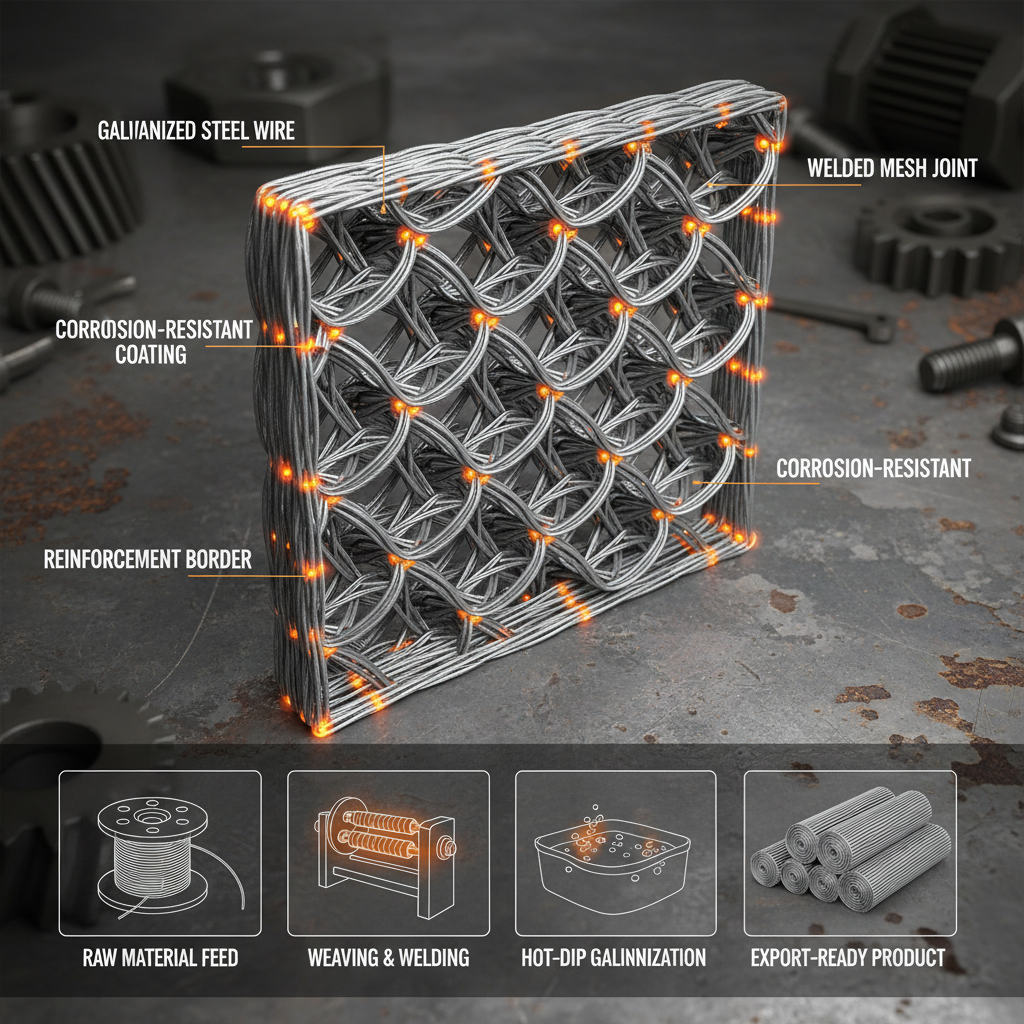
Essentially, stainless steel weld mesh suppliers are the companies that manufacture and distribute mesh made by welding stainless steel wires together. Sounds simple, right? But it’s the nuances that matter. The grade of stainless steel (304, 316, etc.), the wire diameter, the aperture size (the gaps in the mesh), the welding process itself… all of that impacts the final product’s strength, corrosion resistance, and overall performance. It's fundamental to so much construction; safety barriers, animal enclosures, architectural features…it’s everywhere.
It's the backbone of a lot of modern infrastructure, really. Think about water treatment plants, food processing facilities, even pharmaceutical manufacturing. Hygiene and durability are paramount, and stainless steel mesh plays a critical role in maintaining those standards.
And it's not just industrial. You're seeing it more and more in residential applications – security screens, balcony railings, even decorative elements. People want something that looks good and lasts.
Key Considerations When Selecting Suppliers
Choosing the right supplier isn’t just about price. It’s about reliability, consistency, and quality control. You need to know they’re using the correct grade of stainless steel, that their welding is up to standard, and that their mesh meets the relevant industry certifications. Strangely, a lot of suppliers will say they meet the standards, but proving it is another matter entirely.
Material traceability is huge. You need to be able to track the origin of the stainless steel, to verify its composition and ensure it hasn't been compromised. Also, don’t underestimate the importance of lead times and shipping logistics. A late delivery can bring an entire project to a standstill. Believe me, I’ve been there.
Don't forget about their customer service! Do they respond to inquiries promptly? Are they willing to work with you to find a solution if there's a problem? A good supplier is a partner, not just a vendor.
Global Applications and Industry Impact
The applications are incredibly diverse. Construction, obviously, but also agriculture – poultry netting, livestock fencing. Mining – screening and filtration. Aerospace – composite materials. Even the automotive industry uses it in exhaust systems and catalytic converters. It's pervasive, really.
You see a lot of demand coming from developing countries, particularly in Asia and Africa, where infrastructure development is booming. There's a real need for durable, cost-effective materials, and stainless steel mesh fits the bill. In post-disaster relief operations, it's invaluable for temporary shelters and sanitation facilities.
Stainless Steel Weld Mesh Suppliers Application Ratings
Benefits and Long-Term Value Proposition
The long-term value is significant. Stainless steel is incredibly durable, corrosion-resistant, and requires minimal maintenance. That translates to lower lifecycle costs, which is a big win for clients. It's an investment, not just an expense.
It also enhances safety. Properly installed mesh provides a robust barrier, protecting workers, livestock, or the public. And let’s be real, it looks professional. It gives a sense of quality and permanence.
Future Trends and Innovations in the Industry
I think we'll see more automation in the manufacturing process, leading to increased efficiency and lower costs. There’s also a growing focus on using recycled stainless steel, which will further reduce the environmental impact. Anyway, I think digital twins – virtual models of physical assets – will become more prevalent, allowing for better design and optimization of mesh structures.
And the demand for customized mesh solutions will only increase. Clients want products tailored to their specific needs, and suppliers will need to be agile and responsive to meet those demands.
Common Challenges and Potential Solutions
One of the biggest challenges is maintaining consistent quality across different suppliers. It's a real headache for project managers. I think stricter quality control standards and independent certifications are essential.
Another issue is the rising cost of stainless steel. That puts pressure on suppliers to find ways to reduce their production costs without compromising quality. Exploring alternative alloys and optimizing welding processes can help.
Last month, that small boss in Shenzhen who makes smart home devices insisted on changing the interface to , and the result was a three-week delay because none of the mesh suppliers had tooling for the new connector. It was a disaster!
Key Challenges and Mitigation Strategies for Stainless Steel Weld Mesh Suppliers
| Challenge |
Impact on Project |
Mitigation Strategy |
Implementation Cost (Scale 1-10) |
| Quality Control Variance |
Increased Rework, Potential Safety Issues |
Supplier Audits, Independent Testing |
6 |
| Rising Material Costs |
Project Budget Overruns |
Long-Term Contracts, Value Engineering |
4 |
| Supply Chain Disruptions |
Project Delays, Material Shortages |
Multiple Suppliers, Buffer Stock |
7 |
| Customization Lead Times |
Inability to Meet Tight Deadlines |
Standardized Designs, Early Planning |
5 |
| Lack of Transparency |
Difficulty Verifying Material Origin |
Material Traceability Systems, Supplier Documentation |
8 |
| Skilled Labor Shortages |
Impacts Welding Quality |
Training Programs, Automation |
6 |
FAQS
304 stainless steel is more cost-effective and suitable for general applications where corrosion resistance isn’t critical. 316, however, contains molybdenum, which significantly enhances its resistance to chlorides and other corrosive elements. If you're near saltwater or harsh chemicals, 316 is the way to go. The extra cost is worth it in the long run to avoid premature failure. It's a judgement call based on the environment.
Aperture size depends on what you're trying to contain or exclude. Smaller apertures offer greater containment but can restrict airflow. Larger apertures provide better ventilation but may allow smaller objects to pass through. Consider the size of the particles, insects, or animals you need to manage. A good rule of thumb: if it can fit through the mesh, it will! It’s often a balancing act.
Lead times vary depending on the complexity of the order and the supplier’s current workload. Generally, you can expect a lead time of 2-4 weeks for standard customizations, like cutting to size or bending. More complex fabrications, such as custom shapes or welds, can take 6-8 weeks or longer. Plan ahead to avoid delays!
Lab tests are important, sure – tensile strength, corrosion resistance, weld integrity. But I trust a good old-fashioned bend test. You grab a piece, put it in a vise, and bend it. Does it snap? Does it deform easily? That tells you a lot more than any report. We also do a visual inspection for weld defects and dimensional accuracy. Real-world testing, that's what matters.
Absolutely. Most suppliers offer cutting, bending, and welding services to customize the mesh to your exact specifications. For example, we had a client who needed mesh panels shaped like interlocking puzzle pieces for a decorative façade. It required precise cutting and bending, but it looked fantastic when it was finished.
With proper maintenance, stainless steel weld mesh can easily last 20-30 years in outdoor applications. However, lifespan is affected by factors like exposure to saltwater, industrial pollutants, and physical damage. Regular cleaning and occasional inspection for corrosion are recommended to maximize longevity. It's not maintenance-free, but it's pretty close.
Conclusion
Ultimately, stainless steel weld mesh suppliers are a vital link in the construction and industrial chain. Choosing the right supplier, understanding the material properties, and considering the long-term value proposition are crucial for project success. It’s not just about buying a product; it’s about building a relationship with a trusted partner.
The future lies in innovation, sustainability, and a greater focus on customized solutions. But at the end of the day, whether this thing works or not, the worker will know the moment he tightens the screw. And that’s all that really matters.