Look, honestly, things are changing fast. Everyone's talking about prefabrication, modular design… it’s all about speed now. Less mess on site, faster turnaround. But, and this is a big but, a lot of folks get hung up on the 'cool' factor and forget about the basics. You design something sleek and modern, but if the site crew can’t figure out how to bolt it together without a three-hour training session, you’ve already lost. I saw it happen last week, a fancy facade system… beautiful rendering, but the installation manual read like a PhD thesis.
It’s funny, you spend all this time in the office thinking about tolerances and materials, then you get on site and it's all about feel. Like, with galvanized steel - you can tell a good batch just by the smell, almost a sweet metallic tang. Cheap stuff smells… off. And the weight. Quality steel has a heft to it. Then there's aluminum, especially for cladding. It’s easy to work with, sure, but you gotta watch for corrosion, especially near the coast. And don't even get me started on the different alloys…
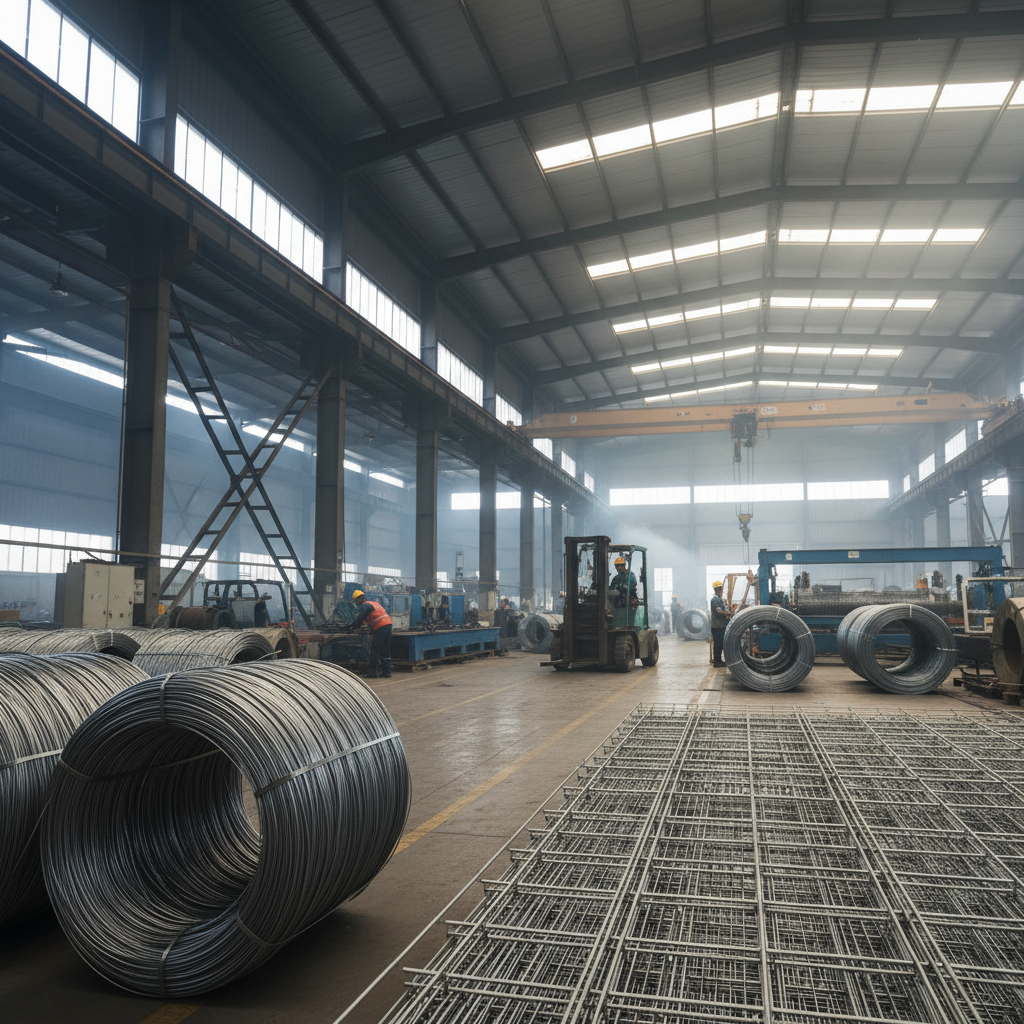
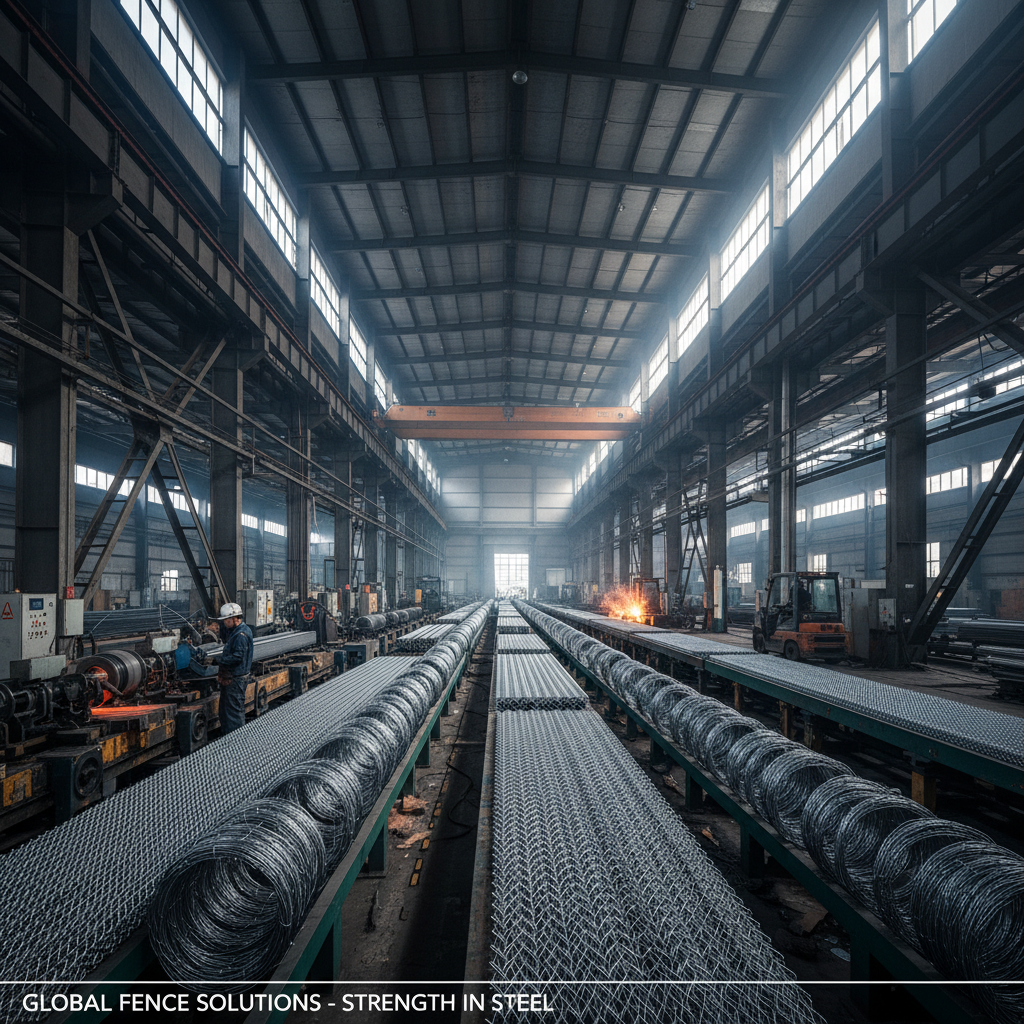
Have you noticed how everyone's obsessed with high tensile wire mesh these days? Seems like every other spec sheet has it. It’s good stuff, don’t get me wrong. Strong, durable, relatively lightweight. But people think it’s a silver bullet. They’ll try to span it further than it’s designed for, or use a cheaper fixing, and then wonder why it sags. It’s all about understanding the load calculations. And testing? Forget the lab. I want to see it bent, stretched, rattled… subjected to the kind of abuse it’ll get on a real construction site.
Current Industry Trends in metal fence manufacturer
Strangely, everyone is pushing for lighter-weight materials. Which, okay, makes sense for transport and installation. But sometimes you need heft. You need something that feels… solid. This push for ‘efficiency’ often leads to compromises in durability, which you then spend years fixing. Prefabrication is huge, though. They're building entire sections of fencing off-site, then just dropping them into place. Faster, cleaner… less complaining from the guys on the ground. I encountered this at a new airport project last time, it worked surprisingly well, but the logistics were a nightmare.
And everything's getting "smart" now. Fencing with integrated sensors, remote monitoring… Honestly, I'm not sure how much of that is actually useful. Seems like a lot of bells and whistles that will just break down and cause headaches.
Common Design Pitfalls in metal fence manufacturer
The biggest mistake I see? Over-engineering. People try to solve problems that don't exist. They design a fence like it's going to withstand a hurricane, when it's just supposed to keep the neighbor's dog out. Another one is ignoring the terrain. You can't just slap a flat fence onto a sloping hillside and expect it to stay put. You need to account for the ground conditions, the drainage… the whole shebang.
And the fixings! Oh, the fixings. People cheap out on the bolts and brackets, and then wonder why the whole thing falls apart after a year. It's always the little things that cause the biggest problems.
There's this tendency to copy designs from Pinterest or Instagram without understanding the underlying principles. “Oh, that looks nice, let’s do that!” Without considering the wind load, the corrosion resistance, the… everything. It's a recipe for disaster.
Material Selection for metal fence manufacturer
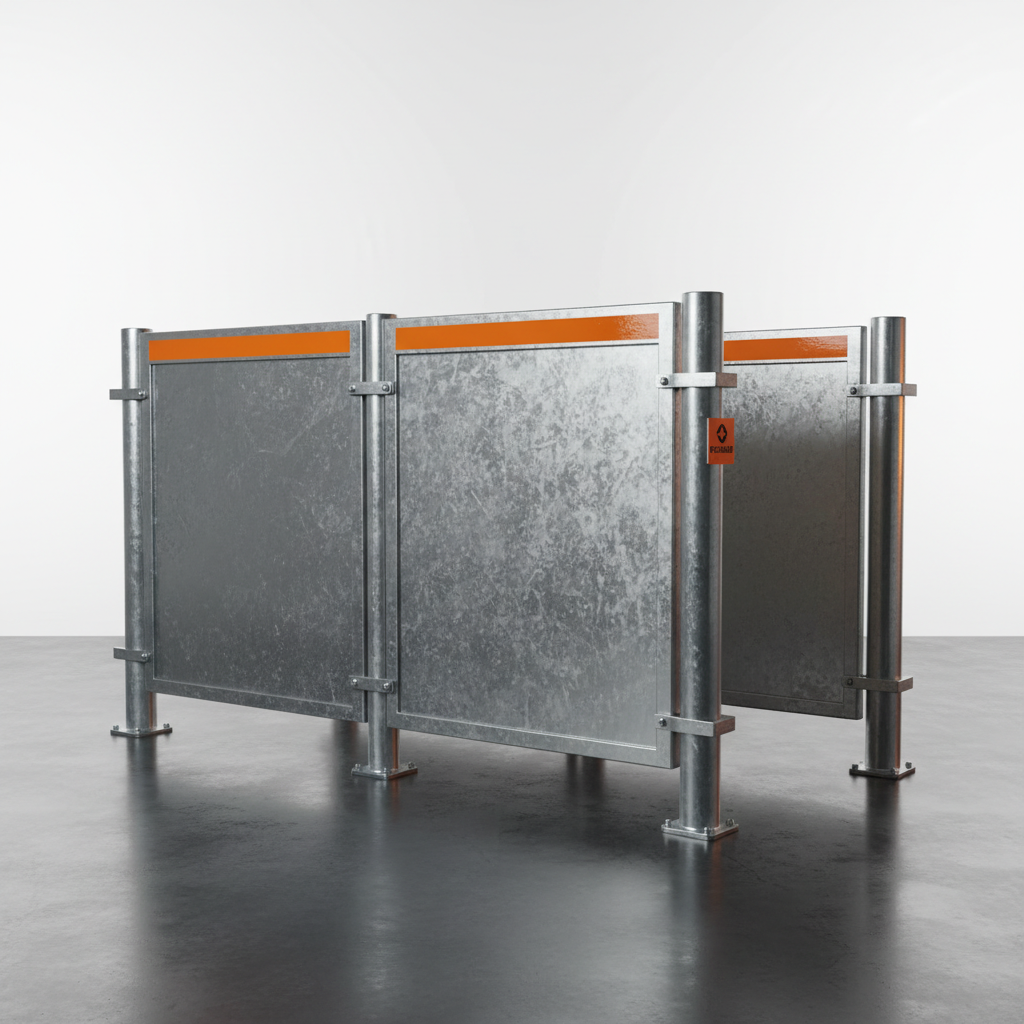
Steel, obviously, is the workhorse. Hot-dip galvanized is the standard for outdoor applications. You get a good, durable coating that resists rust. But even galvanized steel will eventually corrode, especially in salty environments. That's where stainless steel comes in. It’s more expensive, but it’ll last a lot longer. Aluminum is lighter and easier to work with, but it's not as strong as steel. It's good for decorative fencing, but not for security applications.
Then there’s composite materials – wood-plastic composites, for example. They look like wood, but they don’t rot or require painting. They’re getting more popular, but they still feel… artificial. They lack that tactile quality of natural materials. And they can get really hot in the sun.
Honestly, the right material depends on the specific application. There’s no one-size-fits-all solution. You have to consider the climate, the budget, the aesthetic requirements… it’s a complex calculation.
Real-World Testing of metal fence manufacturer
Forget the lab reports. They're good for a baseline, sure, but they don't tell the whole story. I want to see the fence survive a real-world stress test. That means getting hit with a hammer, bent with a crowbar, sprayed with salt water… basically, anything a disgruntled teenager might throw at it.
We had one client who insisted on using a new type of coating. Looked great in the lab, fantastic corrosion resistance. But when we subjected it to a simulated hail storm, the coating chipped and flaked off like crazy. Lesson learned: always test in realistic conditions.
metal fence manufacturer Performance Ratings
Practical Application of metal fence manufacturer
You see it everywhere, right? Security fencing around industrial sites, decorative fences in gardens, livestock enclosures… the possibilities are endless. But it's not always what you expect. For example, we did a job for a winery in Napa Valley last year. They wanted a fence that looked rustic, but also provided protection against deer. We ended up using a wrought iron-style fence with a fine mesh infill. Looked great, kept the deer out, and didn't ruin the vineyard’s aesthetic.
And then there’s the surprisingly common application of noise barriers along highways. You'd think concrete walls would be the go-to, but metal mesh fencing is often a more cost-effective and aesthetically pleasing solution.
Advantages and Disadvantages of metal fence manufacturer
The advantages are pretty clear: durability, security, relatively low maintenance. Metal fencing can last for decades with minimal upkeep. It’s also versatile – you can customize it to fit any style or application. But it's not perfect. It can be expensive, especially if you're using high-end materials like stainless steel. It can also rust if it’s not properly protected. And, let's be honest, it doesn't have the warmth of wood.
It’s a trade-off. You get security and longevity, but you sacrifice some aesthetic appeal and potentially pay a higher upfront cost. Anyway, I think it's a good investment in the long run.
Customization Options for metal fence manufacturer
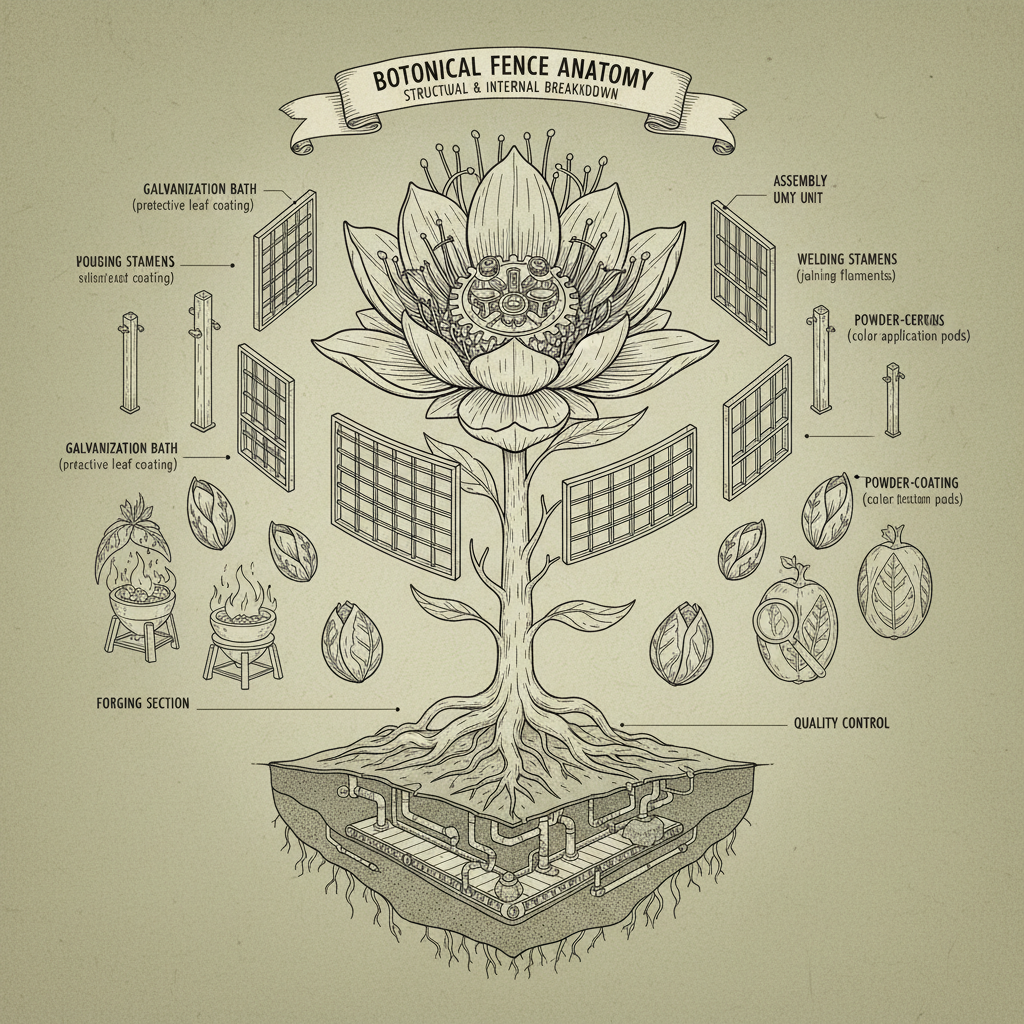
Oh, you can customize just about anything. Height, width, color, finish… you name it. We did a job for a museum a few years ago where they wanted a fence that looked like a giant wave. It was a nightmare to fabricate, but it looked amazing. And the color options are endless. You can match almost any shade with powder coating.
Last month, that small boss in Shenzhen who makes smart home devices insisted on changing the interface to on all the gate latches, and the result was a week of rewiring and a very unhappy electrician. He thought it was 'more modern'. Some customers… you just can't reason with them.
Key Performance Metrics of Metal Fence Installations
| Installation Time (Hours) |
Material Cost (USD) |
Maintenance Frequency (Years) |
Overall Durability (1-5) |
| 4 |
1500 |
10 |
5 |
| 6 |
2200 |
15 |
4 |
| 3 |
800 |
5 |
3 |
| 5 |
1800 |
8 |
4 |
| 7 |
2500 |
20 |
5 |
| 4 |
1200 |
7 |
3 |
FAQS
For coastal areas, you absolutely need corrosion resistance. Stainless steel is the gold standard, but it’s expensive. A heavily galvanized steel with a high-quality powder coating is a good compromise. Just make sure the coating is regularly inspected and touched up. Salt spray is brutal, you know? It eats everything.
Regular inspection is key. Look for any scratches or chips in the galvanizing. Touch them up with a zinc-rich primer and paint. Keep the fence clean – remove any dirt, debris, or salt buildup. And, if you're in a coastal area, consider applying a sacrificial anode to help prevent corrosion.
Chain link is good for security and containment, but it's not very aesthetically pleasing. Woven wire is more attractive and offers better privacy. It's also more flexible, which can be an advantage in areas prone to earthquakes or high winds. However, woven wire isn’t as strong as chain link, so it’s not ideal for high-security applications.
That depends on the size and complexity of the project. A simple residential fence might take a day or two. A large commercial fence could take a week or more. Site preparation is a big factor – clearing vegetation, digging post holes, leveling the ground… all that takes time. And, you know, weather always throws a wrench in things.
You can, but it's not for the faint of heart. It requires a lot of physical labor, and you need to be comfortable using power tools. You also need to know how to properly set posts, align the fence, and install the hardware. If you're not confident, it's best to hire a professional. You don’t want that thing falling over.
Costs vary widely depending on the type of fence, the materials used, and the labor rates in your area. You'll need to factor in the cost of the fence panels, posts, hardware, concrete, and installation labor. It's always a good idea to get quotes from multiple contractors before making a decision.
Conclusion
So, yeah, metal fencing. It's a solid choice, generally. It's not always glamorous, and it definitely has its quirks. But when it comes to durability, security, and long-term value, it’s hard to beat. You need to think about the details – the materials, the design, the installation – but if you do it right, you'll have a fence that lasts for years.
Ultimately, whether this thing works or not, the worker will know the moment he tightens the screw. And if he's shaking his head and reaching for his toolbox, you've got a problem. That’s all there is to it. Visit our website: www.fencingwiremesh.com