
0%

Table of Contents

The robust and versatile steel fence plays a critical role in modern infrastructure and security worldwide. From defining property boundaries and protecting valuable assets to providing vital security in sensitive areas, its applications are far-reaching. The demand for effective perimeter security solutions continues to rise globally, fueled by increasing concerns over safety, theft, and unauthorized access. Understanding the nuances of steel fence – its types, installation, maintenance, and benefits – is therefore essential for professionals in construction, security, and property management.

Globally, the steel fence market is experiencing consistent growth, projected to reach significant figures in the coming years according to industry reports. Factors driving this expansion include increased urbanization, infrastructure development in emerging economies, and stricter security regulations across various sectors. The World Bank estimates that infrastructure investment needs in developing countries will reach trillions of dollars by 2030, a substantial portion of which will require effective perimeter security systems.

Addressing challenges like vandalism, trespass, and theft necessitates durable and reliable solutions. Steel fence offers a long-term, cost-effective solution that provides a strong physical deterrent and contributes to peace of mind for property owners and communities.
The Vital Role of Steel Fence in Modern Security and Infrastructure

The Significance of Steel Fence

The Vital Role of Steel Fence in Modern Security and Infrastructure

The importance of a well-constructed steel fence extends far beyond simply marking a property line. It’s a critical component of overall security strategies, providing a physical barrier against unauthorized access, deterring criminal activity, and protecting valuable assets. Beyond security, a steel fence can enhance aesthetic appeal, adding value and character to a property.

Properly installed steel fence systems contribute significantly to safety, particularly in areas with high traffic or potential hazards. They can help contain animals, prevent accidents, and protect children and pets. The long-term benefits of a durable steel fence significantly outweigh the initial investment, offering peace of mind and lasting protection for years to come.

Defining a Steel Fence

A steel fence is a barrier constructed primarily from steel materials – typically steel posts, rails, and mesh or panels – designed to enclose, protect, or demarcate an area. These fences are available in a wide range of styles, heights, and finishes to suit diverse applications and aesthetic preferences. They contrast with fences made from wood, vinyl, or aluminum in terms of strength, durability, and lifespan.

Its connection to modern industry lies in its role as a foundational element of infrastructure security. From safeguarding industrial complexes and critical infrastructure to protecting agricultural lands and residential properties, steel fence provides a reliable and cost-effective security solution.

Furthermore, in humanitarian contexts, steel fence can be adapted for temporary enclosures in refugee camps or disaster relief zones, offering a degree of security and order in challenging circumstances. The inherent robustness of steel ensures these structures can withstand harsh conditions.

Core Components of Steel Fence Systems

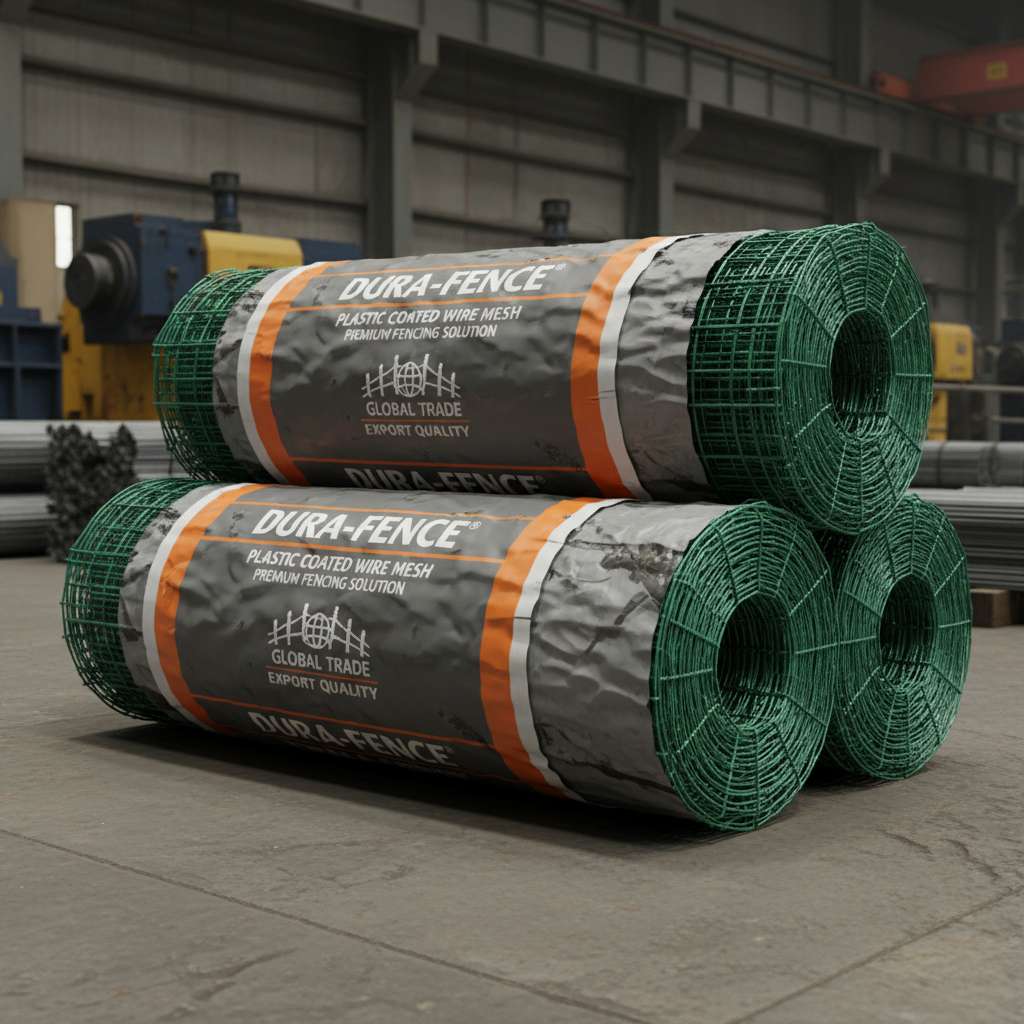
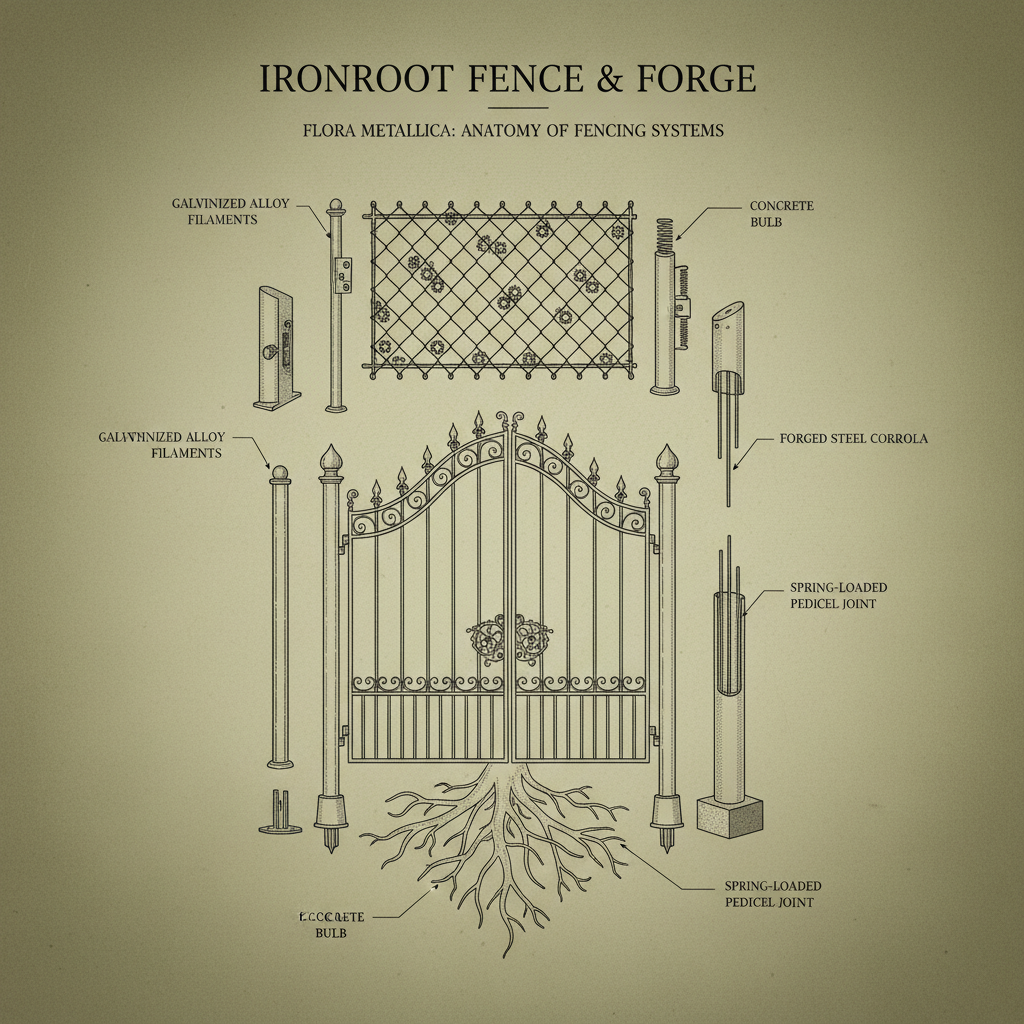
The foundation of any steel fence system lies in its components. Steel posts, typically made of galvanized or powder-coated steel, provide the vertical support. Rails connect the posts, forming the framework for the fence panels or mesh. The type of mesh or panels used significantly impacts the fence’s security level and aesthetic appearance.

Additional components such as gates, hinges, latches, and security hardware further enhance the functionality and security of the steel fence. Proper installation and selection of these components are crucial for ensuring the fence's longevity and effectiveness. Specialized fittings and accessories can also be added to customize the fence and meet specific requirements.

The quality of the steel used is paramount. Galvanization and powder coating are common treatments used to protect the steel from corrosion, extending the lifespan of the steel fence, particularly in harsh weather conditions. Choosing the appropriate steel grade and protective coating is essential for maximizing durability and minimizing maintenance costs.

Key Factors Influencing Steel Fence Performance

The durability of a steel fence is significantly impacted by the quality of the materials used, particularly the steel grade and the protective coating. Higher-grade steel and robust coatings provide greater resistance to corrosion, impact, and weathering, extending the fence’s lifespan.

Performance Ratings of Different Steel Fence Methods


Global Applications of Steel Fence

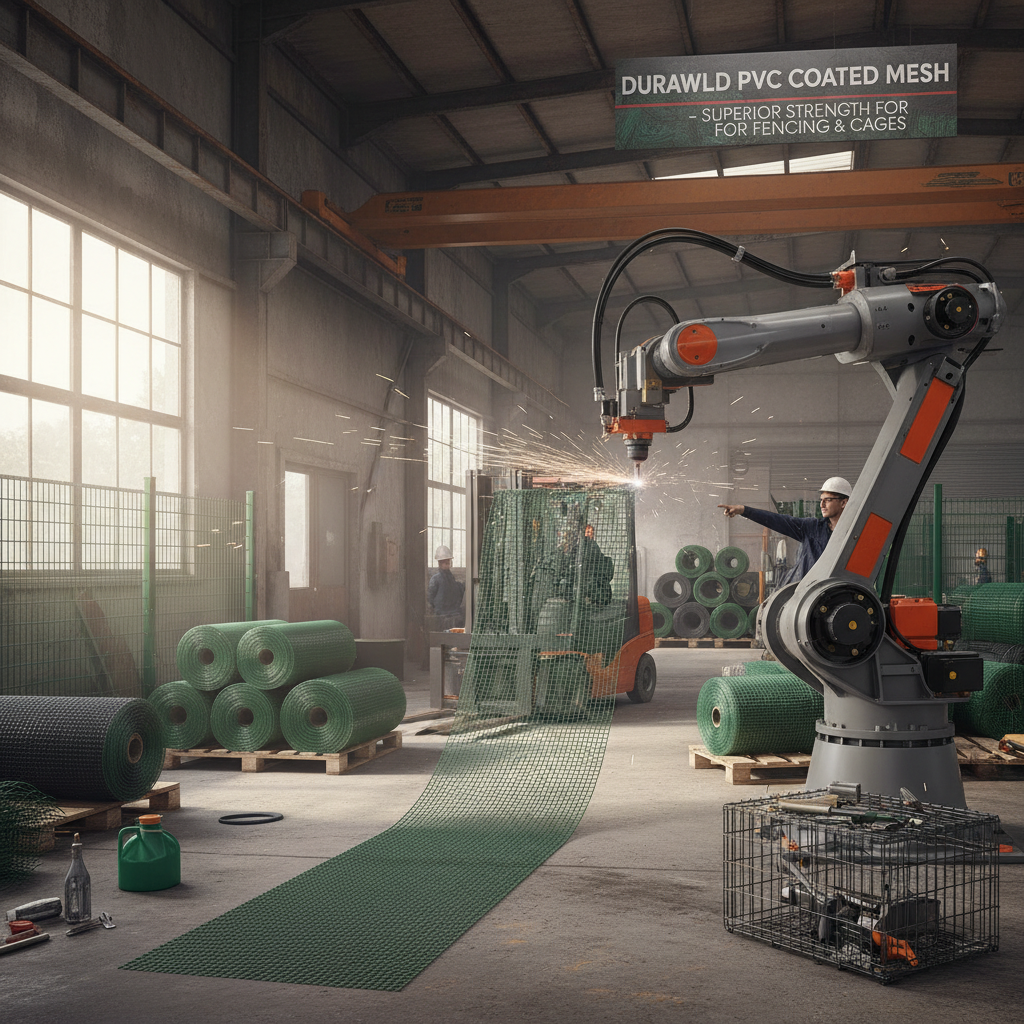
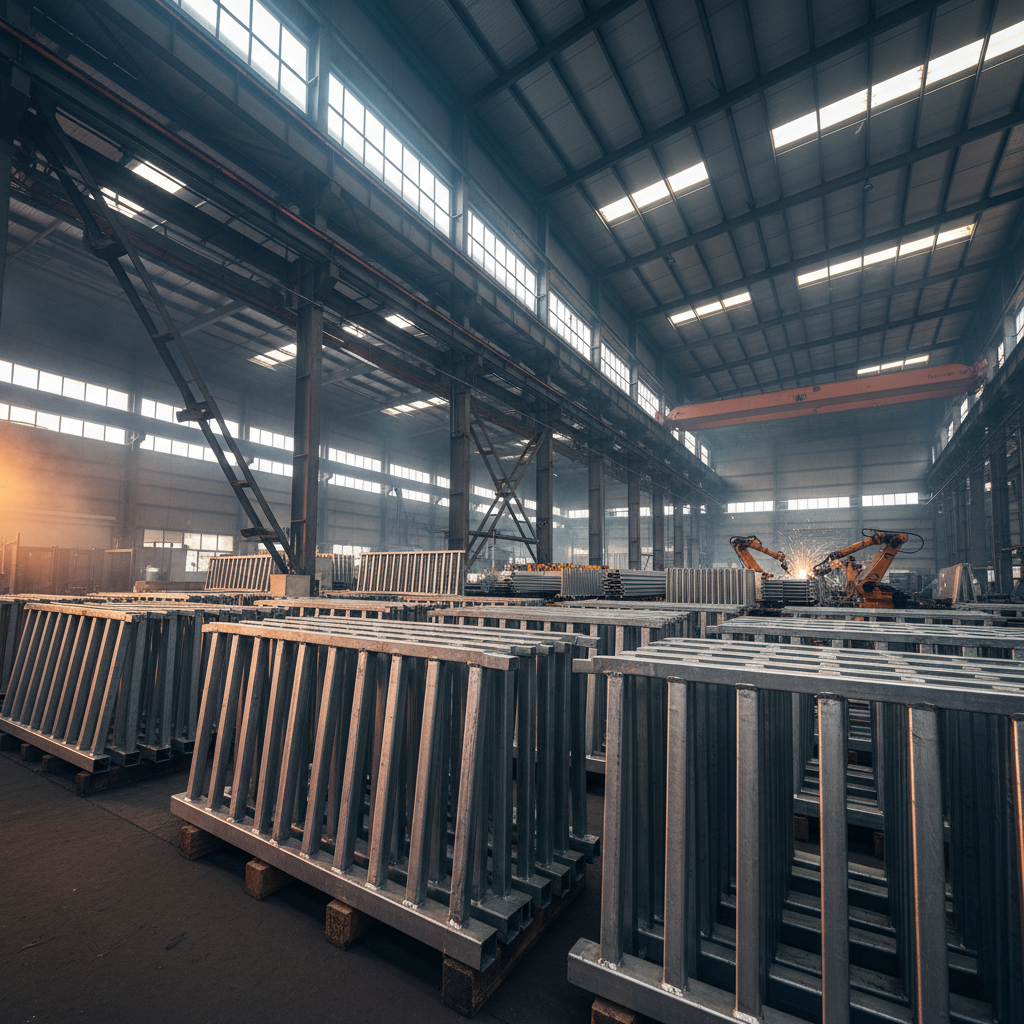
Steel fence is extensively used in securing industrial facilities, protecting warehouses, and defining boundaries for commercial properties worldwide. In regions with high levels of industrial activity, like China and Germany, steel fence is a ubiquitous sight, providing robust perimeter security.

Advantages and Long-Term Value of Steel Fence

The cost-effectiveness of a steel fence is a significant advantage. While the initial investment may be higher than some alternatives, its long lifespan, minimal maintenance requirements, and superior security features translate into substantial long-term savings.

From a sustainability perspective, steel is a highly recyclable material, reducing the environmental impact of steel fence installations. This aligns with growing global concerns about environmental responsibility and promotes a circular economy.

Beyond these tangible benefits, a steel fence provides peace of mind, knowing that your property and assets are adequately protected. This sense of security contributes to a higher quality of life and fosters a safer community.

Future Trends and Innovations in Steel Fence Technology

Innovations in coatings and steel alloys are leading to even more durable and corrosion-resistant steel fence systems. Self-healing coatings and enhanced galvanization techniques are extending the lifespan of fences and reducing maintenance needs.

The integration of smart technology, such as sensors and security cameras, is transforming steel fence into intelligent security systems. These systems can provide real-time alerts, remote monitoring, and enhanced access control, offering a proactive approach to perimeter security.

Automation in manufacturing and installation processes is also driving down costs and increasing efficiency. Pre-fabricated steel fence panels and automated installation equipment are streamlining the construction process and reducing labor costs.

FAQS

What are the primary advantages of choosing a steel fence over wooden or vinyl options?

Steel fences consistently outperform wood and vinyl in terms of durability, security, and longevity. They are resistant to rot, pests, and fire, requiring significantly less maintenance over their lifespan. Steel offers a higher level of physical security, deterring intruders and protecting your property. While the initial cost may be higher, the long-term value and reduced maintenance make steel a more cost-effective choice.

How do I prevent rust and corrosion on my steel fence?

Rust prevention is crucial for a long-lasting steel fence. Galvanization is a primary defense, coating the steel with a protective zinc layer. Powder coating adds an additional layer of protection and aesthetic appeal. Regular inspection for scratches or damage to the coating is essential. Any damaged areas should be promptly repaired and re-coated to prevent rust from forming. Avoid prolonged exposure to saltwater environments without specialized coatings.

What is the typical lifespan of a well-maintained steel fence?

A properly installed and maintained steel fence can easily last 20-30 years, and even longer in certain environments. Factors influencing lifespan include the quality of the steel, the protective coating, and the climate. Regular maintenance, such as cleaning and repairing any damaged coatings, will significantly extend the fence’s life. Choosing a reputable installer is also vital for ensuring proper construction and longevity.

Can a steel fence be customized to match my property's aesthetic?

Absolutely. Steel fences offer a high degree of customization. They can be powder-coated in a wide range of colors to match your property’s aesthetic. Different styles of panels and picket designs are available, allowing you to create a fence that complements your landscape. Gate designs can also be customized to enhance the overall appearance. Furthermore, decorative elements can be added to create a unique and visually appealing fence.

What is the cost range for installing a standard steel fence per foot?

The cost of installing a steel fence varies depending on factors such as the height, style, complexity of the terrain, and local labor rates. Generally, you can expect to pay between $25 and $60 per linear foot for materials and installation. More intricate designs, taller fences, and challenging installation sites will increase the cost. Obtaining multiple quotes from reputable installers is recommended.

Are there specific building codes or permits required for installing a steel fence?

Yes, most municipalities require permits for fence installation to ensure compliance with local building codes. These codes often regulate fence height, setback requirements from property lines, and visibility concerns. It's crucial to check with your local building department before beginning any fence project. Failure to obtain the necessary permits can result in fines and delays. Your fence installer should be familiar with local regulations.

Conclusion

In conclusion, the steel fence remains an indispensable solution for security, property demarcation, and aesthetic enhancement. Its inherent durability, versatility, and long-term value make it a superior choice compared to alternative fencing materials. The continuous innovation in steel alloys, coatings, and smart technologies further solidify its position as a leading perimeter security solution for residential, commercial, and industrial applications.

Looking ahead, proactive investment in robust steel fence systems will continue to be vital for safeguarding assets, ensuring safety, and contributing to thriving communities. We encourage you to explore the options available and select a solution that best suits your specific needs. Visit our website at www.fencingwiremesh.com to learn more about our extensive range of steel fencing products and services.

Michael Johnson

Michael Johnson

Michael Johnson is the Quality Control Supervisor at Anping Tangren Wire Mesh Products Co., Ltd. He oversees all aspects of production, ensuring that our metal fences meet stringent international standards. With a background in materials science and a keen eye for detail, Michael is responsible for maintaining the quality of
Previous Elegant Black Metal Fence Solutions for Residential and Commercial Security
Next Comprehensive Guide to Metal Fencing Solutions Security and Applications

If you are interested in our products, you can choose to leave your information here, and we will be in touch with you shortly.