
When procurement managers search for cheap wire mesh fencing, the primary challenge is not finding a low price, but identifying where the cost reduction occurs. In the metal products industry, "cheap" can either mean streamlined production efficiency or a compromise in material grade and coating thickness.
The balance between upfront capital expenditure and long-term maintenance costs is the critical pivot point for industrial and commercial security. Understanding the technical trade-offs between galvanized coatings, wire gauge, and mesh aperture allows buyers to secure a budget-friendly solution without sacrificing the structural integrity of their perimeter.
This analysis examines the economic drivers of wire mesh production and provides a framework for selecting cost-effective fencing that meets specific security and durability requirements.


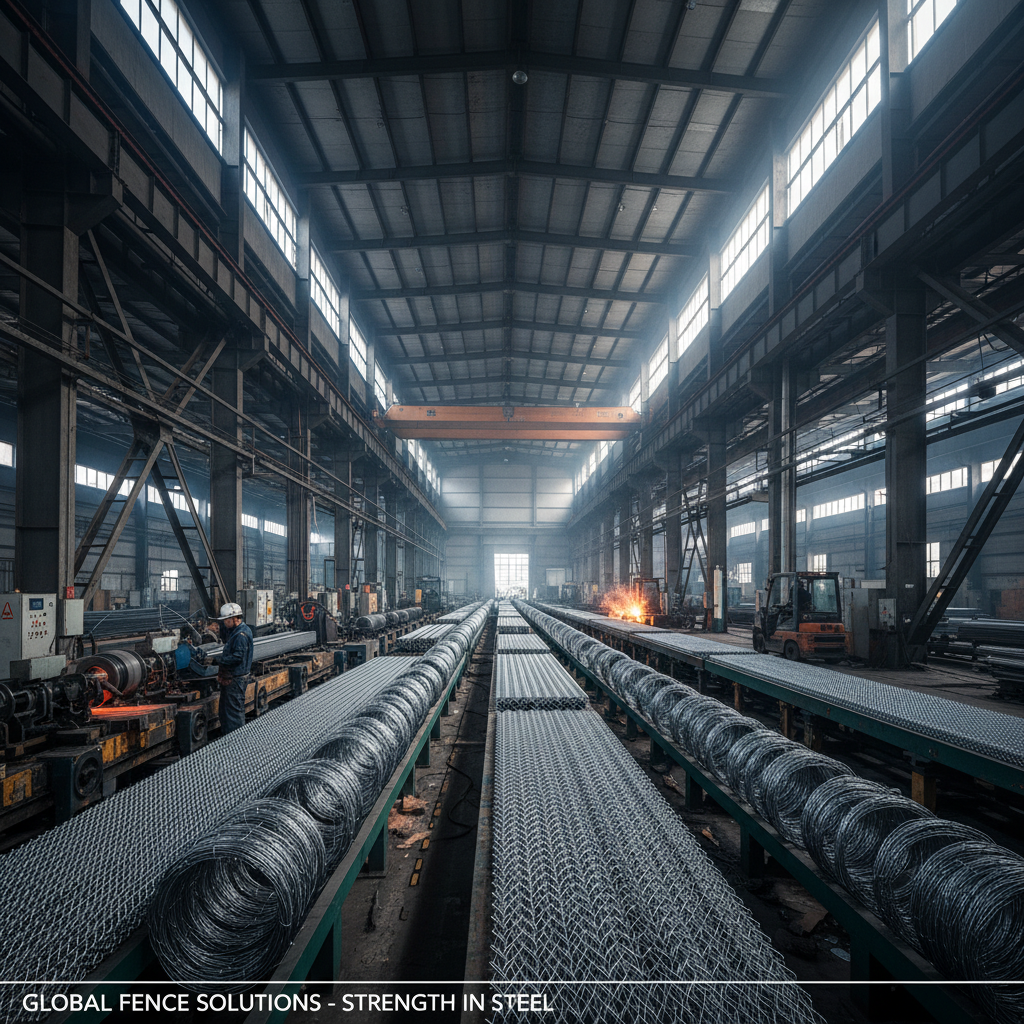
The cost of wire mesh is fundamentally tied to the weight of the raw steel and the complexity of the fabrication process. Mass production in integrated facilities—where wire drawing, weaving/welding, and coating occur under one roof—significantly reduces logistics overhead, allowing for more competitive pricing.
For companies like Anping Tangren Wire Mesh Products Co., Ltd., leveraging specialized workshops for powder coating and stamping ensures that efficiency gains are passed to the customer. When evaluating low-cost options, the focus should be on whether the price is a result of scale (efficient production) or a reduction in raw material quality (thinner wire or low-zinc coatings).
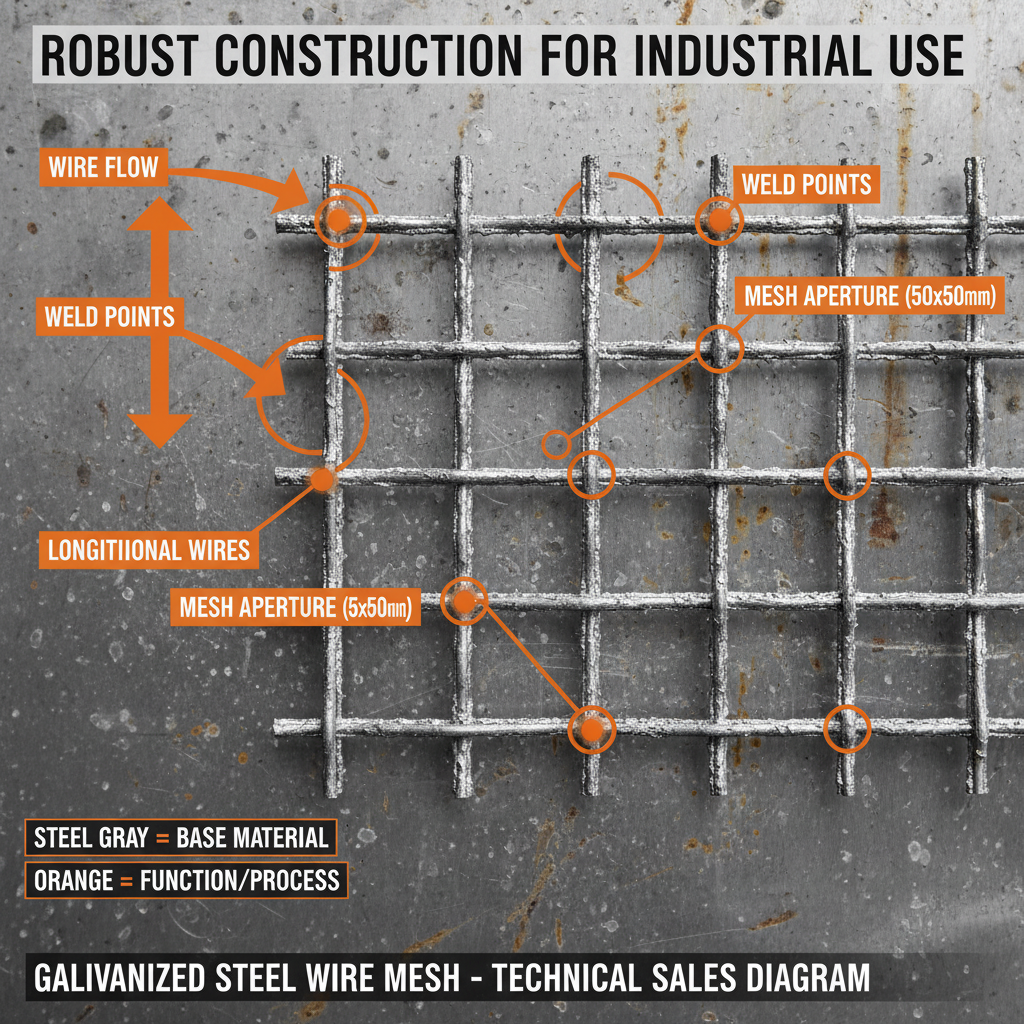
The most significant cost variable is the wire diameter. A slight reduction in gauge across thousands of linear meters leads to substantial material savings, but it also affects the tensile strength and wind resistance of the fence. Buyers must ensure that the chosen gauge is sufficient for the intended wind load and physical impact risks of the site.
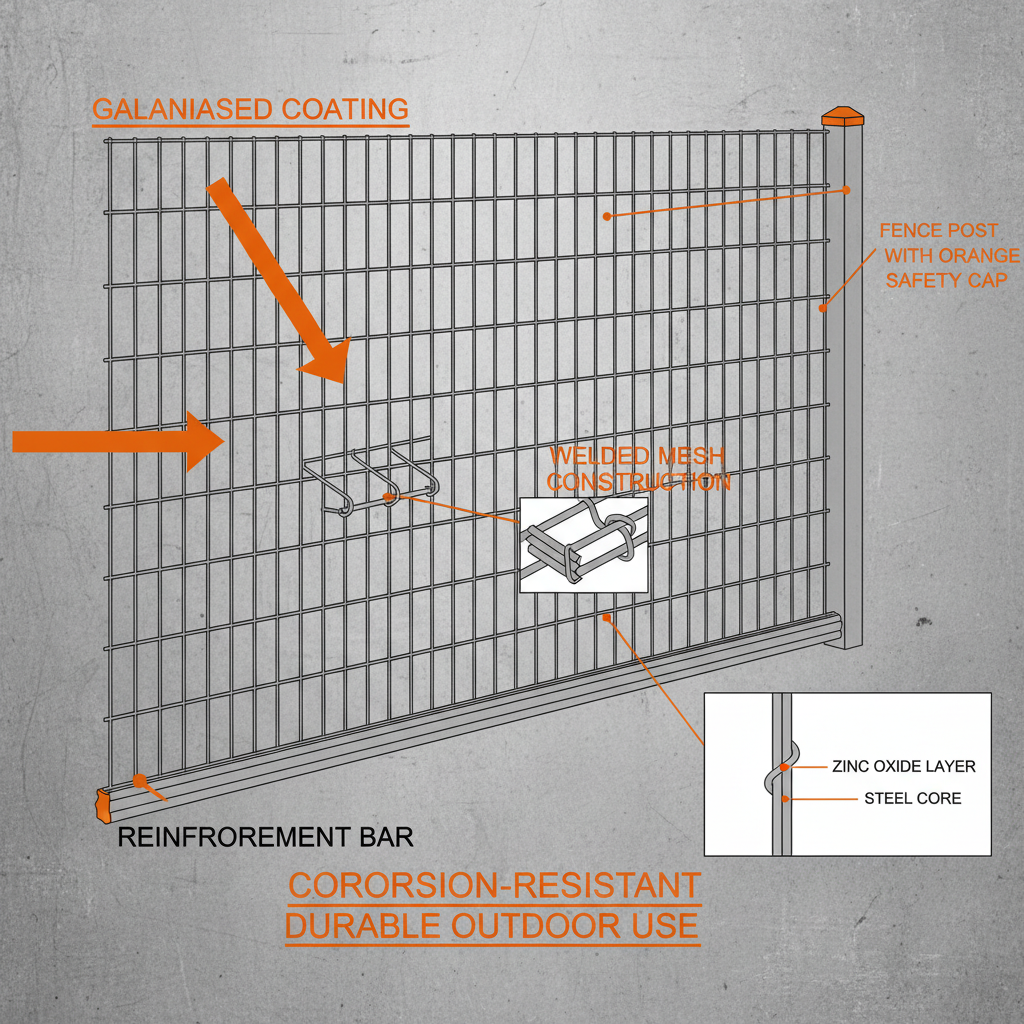
Coating technology further differentiates cost. Hot-dip galvanizing provides the highest corrosion resistance but is more expensive than electro-galvanizing. PVC coating adds an aesthetic layer and an extra barrier against moisture, which is essential for coastal environments but may be an unnecessary expense for dry, inland industrial zones.
Welding precision also plays a role. In welded wire mesh, the strength of the joint determines the fence's ability to resist deformation. High-frequency welding ensures stable joints that prevent "sagging" over time, whereas lower-quality welding may lead to joint failure under minimal stress.
Security requirements vary wildly between a temporary construction site and a permanent utility substation. Using a high-security 358 Anti Climb Mesh Fence where a simple Chain Link Fence would suffice is a common procurement error that inflates costs without adding practical value.
Optimal cost-efficiency in fencing is achieved by matching the "deterrence level" of the mesh to the "risk profile" of the assets being protected, rather than opting for the highest possible specification by default.
Integrating complementary products can also optimize spending. For instance, instead of upgrading the entire fence to a premium grade, a buyer can use standard welded mesh and add Concertina Razor Wire or Barbed Wire only at the top of the perimeter to increase security at a fraction of the cost.
Different mesh configurations offer varying levels of durability, visibility, and security. While some options prioritize low cost and ease of installation, others are engineered for extreme deterrence. The following index illustrates a relative comparison of common fencing types based on industry application standards.
By analyzing these values, procurement officers can determine if the price premium of a specialized fence, such as the 3D Fence or Double Wire Mesh Fence, is justified by the increase in structural rigidity and lifespan.
In a typical industrial setting, such as a warehouse perimeter, the priority is often a combination of visibility and basic deterrence. Here, a standard welded wire mesh provides the necessary boundary without the extreme cost of anti-climb systems. Conversely, in high-risk areas like electrical substations, the investment in 358 Anti Climb Mesh is a strategic decision to prevent unauthorized entry and avoid costly liability.
Agricultural needs differ further; cattle fences and hexagonal wire mesh are optimized for flexibility and cost over rigid security. In these scenarios, the "cheapest" option is defined by the ability to cover vast areas with minimal maintenance, making light-gauge galvanized wire the most rational choice.
There is a growing trend toward "modular" fencing. Instead of purchasing custom-fabricated panels for every section, many companies are moving toward standardized 3D Fence systems. This shift reduces installation time and allows for easy replacement of damaged sections, lowering the total cost of ownership over the product's lifecycle.
Sustainability is also influencing material choice. The industry is seeing an increase in demand for higher-quality coatings that extend the life of the fence from 10 to 25 years. While the initial price is higher, the reduction in replacement frequency makes these options "cheaper" in the long run.
Global supply chain optimization has also allowed manufacturers to offer specialized products, like the Expanding Metal Fence or Perforated Sheet Metal Fence, at prices previously reserved for simple chain link. This allows budget-conscious buyers to access higher-performance materials.
Choosing the right fencing requires a systematic evaluation of the environment. If the site is prone to heavy rain or salt spray, the cost of a PVC-coated or hot-dip galvanized fence is a mandatory investment to prevent premature rust. In contrast, for temporary event boundaries, lightweight construction mesh is the only logical choice.
The trade-off between "cheap" and "value" is best understood by comparing the relative suitability of different mesh types against common project requirements. A solution that is too cheap often fails within two years, leading to a 100% loss of the initial investment.
The following table provides a comparative framework for matching fence types to specific operational constraints and budget priorities.
| Fence Category | Primary Driver | Relative Cost | Life Expectancy |
|---|---|---|---|
| Chain Link | Low Initial Cost | Very Low | Moderate |
| Welded Wire | Structural Rigidity | Low to Mid | High |
| 3D Panel | Rapid Installation | Moderate | High |
| Anti-Climb | High Security | High | Very High |
| Hexagonal Mesh | Flexibility/Area | Low | Moderate |
| Razor Mesh | Maximum Deterrence | Moderate | High |
The key is to verify the technical specifications rather than the price tag. Check the zinc coating weight (g/m²) and the actual wire diameter using a caliper. Low-quality fencing often uses "under-gauge" wire or thin electro-galvanized layers that rust quickly. A reputable supplier will provide a technical data sheet specifying the material grade and coating thickness, ensuring that the low cost comes from manufacturing efficiency rather than material shortcuts.
For livestock and large perimeters, hexagonal wire mesh or standard cattle fences are the most cost-effective. They offer the necessary flexibility to follow uneven terrain and use lighter-gauge wire to reduce costs over long distances. While they lack the security of welded panels, their lower price point per linear meter makes them the only viable option for massive land enclosures.
It depends entirely on the environment. In high-humidity or coastal areas, PVC coating is a critical investment because it prevents the underlying steel from oxidizing, effectively doubling the lifespan of the fence. However, for interior warehouse partitions or dry climates, standard galvanization is sufficient, and the extra cost of PVC provides purely aesthetic value with little functional return on investment.
Yes, by using a hybrid approach. You can install high-security 358 Anti Climb Mesh only at critical access points and vulnerable boundaries, while using more affordable welded wire mesh for the remaining sections. To further enhance the budget mesh, adding a top layer of concertina razor wire provides significant deterrence at a much lower cost than upgrading the entire perimeter to a premium security grade.
Lifespan varies by coating. Electro-galvanized fencing in industrial environments typically lasts 2-5 years before significant rust appears. Hot-dip galvanized fencing can last 10-20 years depending on the zinc layer thickness. When searching for affordable options, always ask if the product is "hot-dipped" or "electro-plated," as the former offers a far superior value-to-cost ratio over time.
Yes, because the aperture size determines the amount of wire used per square meter. Smaller apertures (like those in anti-climb mesh) require significantly more wire and more welding points, which increases both material and labor costs. Larger apertures reduce the total weight of the fence, making it cheaper to produce and ship, though it offers less security against small objects or intruders.
Finding cheap wire mesh fencing is a matter of optimizing the relationship between material specs, production efficiency, and the actual risk level of the site. True value is found not in the lowest single quote, but in the lowest "cost per year of service."
By prioritizing hot-dip galvanization, matching the mesh type to the security need, and sourcing from integrated manufacturers who control the entire production chain, buyers can achieve professional-grade security while adhering to strict budget constraints.