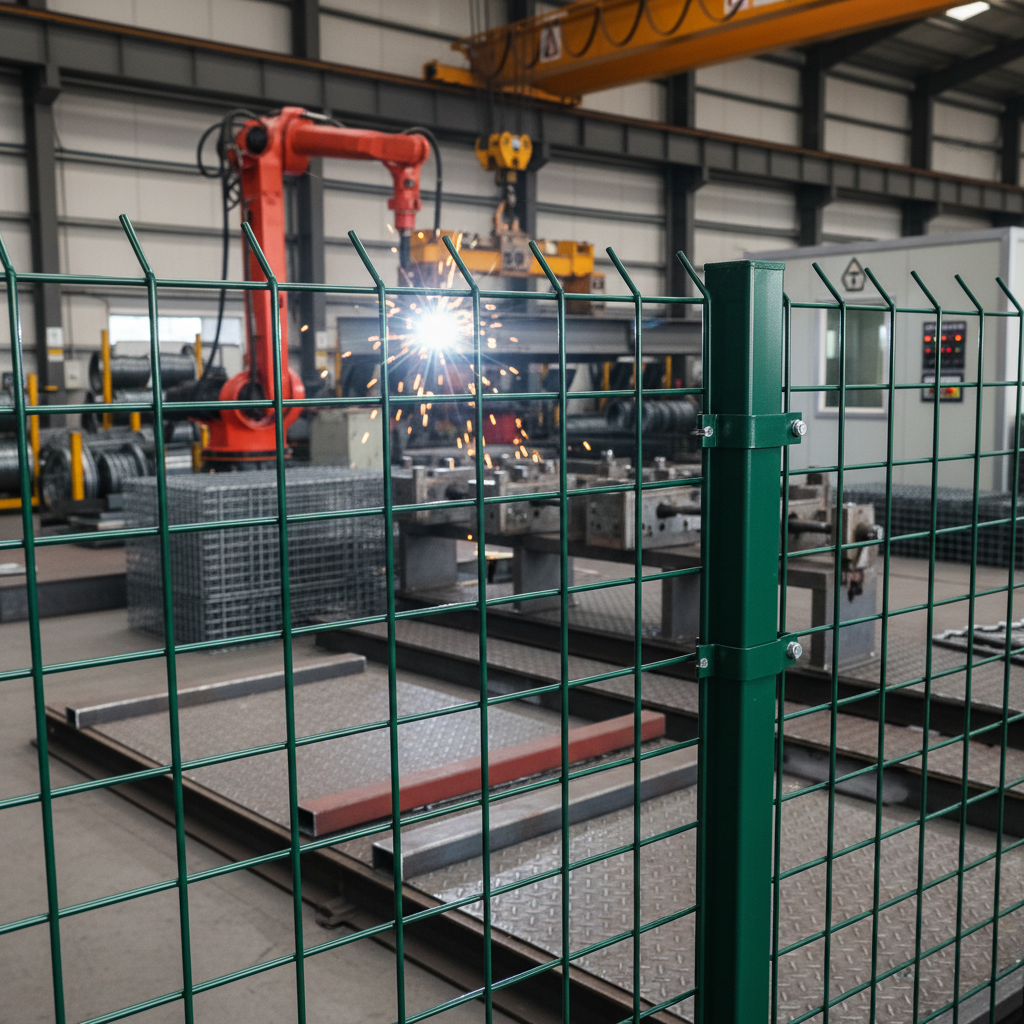
When it comes to high-security perimeter protection and architectural aesthetics, stainless steel mesh fencing stands as the gold standard for industries requiring extreme durability and corrosion resistance. Unlike traditional galvanized steel, stainless steel options provide an unparalleled shield against harsh environmental conditions, making them essential for coastal regions, chemical plants, and high-end urban developments. Understanding the nuances of these materials is critical for engineers and facility managers who seek a balance between impenetrable security and a modern, clean visual appeal.
The global shift toward sustainable infrastructure has further highlighted the importance of choosing materials with a long lifecycle. By integrating stainless steel mesh fencing, organizations can significantly reduce the frequency of replacements and maintenance costs, aligning their operational goals with environmental stewardship. The ability of these meshes to withstand oxidation without the need for frequent repainting or chemical treatments makes them a superior choice in the current industrial landscape.
However, selecting the right mesh configuration requires a deep dive into technical specifications such as wire gauge, weave type, and alloy grade (such as 304 or 316). Whether the goal is to prevent unauthorized access in a high-security zone or to create a decorative yet functional boundary in a public park, the versatility of stainless steel allows for customized solutions that meet stringent safety codes and ISO standards.
Global Relevance of Stainless Steel Mesh Fencing
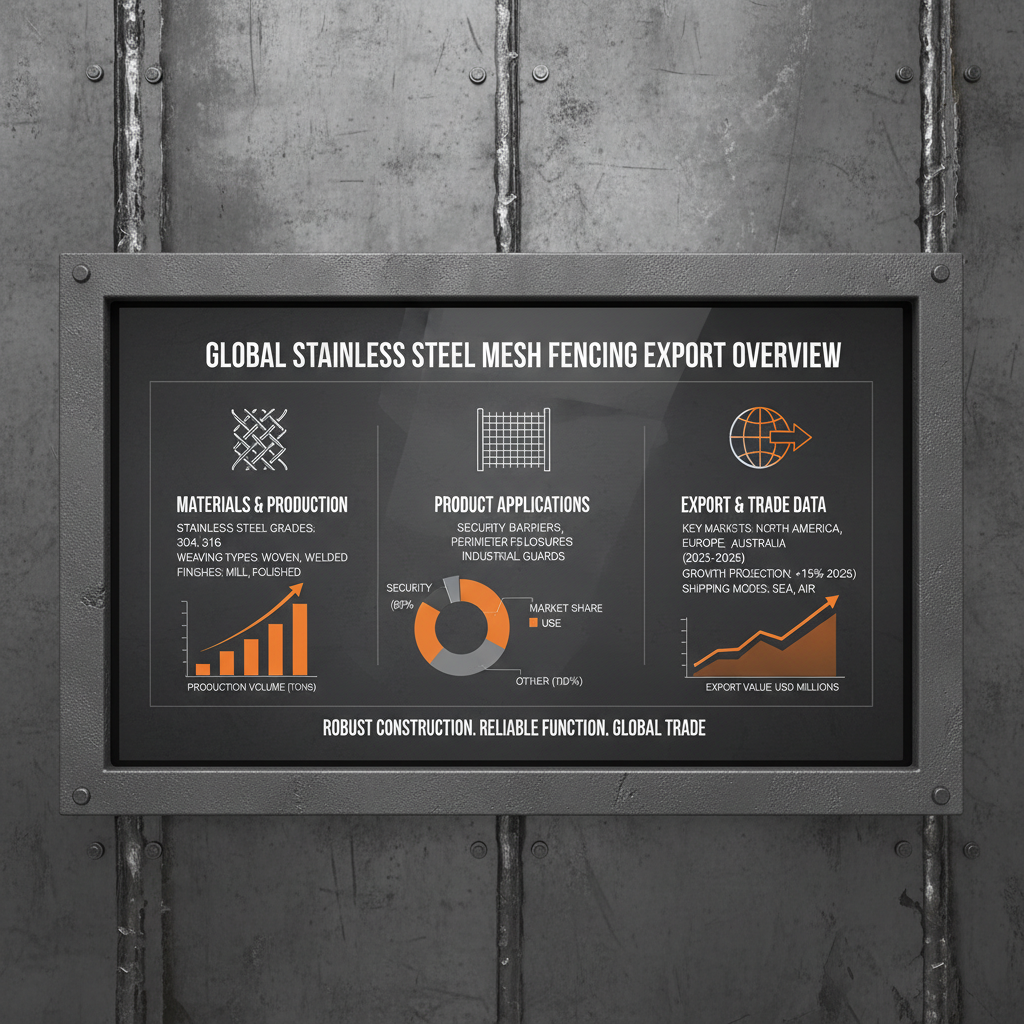
In the contemporary industrial era, the demand for stainless steel mesh fencing has surged due to the increasing need for infrastructure that can withstand extreme climates. From the humid coastlines of Southeast Asia to the salty air of the North Sea, traditional fencing materials often fail within a few years due to rust and structural decay. Data from international material standards indicate that stainless steel alloys, particularly the 316 grade, offer a lifespan up to five times longer than standard galvanized alternatives in corrosive environments.
This global relevance is not just about longevity but also about security. As urban density increases and critical infrastructure becomes more exposed, the need for "invisible yet impenetrable" barriers has grown. Stainless steel mesh provides the necessary tensile strength to resist cutting and climbing, addressing the critical challenge of perimeter breach while maintaining a professional, non-intimidating aesthetic that integrates well into modern cityscapes.
Technical Definition and Industrial Meaning
At its core, stainless steel mesh fencing is a high-precision engineered barrier constructed from chromium-nickel steel alloys. Unlike simple wire fences, these systems are often woven or welded using automated processes to ensure uniformity in aperture size and joint strength. The "stainless" property comes from a thin, invisible layer of chromium oxide that forms on the surface, which prevents further corrosion and allows the material to heal itself if scratched.
In an industrial context, this fencing is more than just a boundary; it is a safety component. For humanitarian projects or high-security industrial zones, it represents a commitment to long-term stability. By utilizing specialized weaves—such as the high-tensile crimped mesh—manufacturers can create barriers that are nearly impossible to scale or cut without heavy industrial equipment, thereby enhancing the security posture of the facility.
Furthermore, the integration of stainless steel mesh into modern architecture reflects a shift toward "functional minimalism." It serves a dual purpose: providing a rigid physical barrier for safety and acting as a design element that allows light and air to pass through, preventing the "prison-like" feel often associated with heavy-duty security fencing.
Core Components of High-Performance Mesh
The effectiveness of stainless steel mesh fencing is determined by several critical factors, the most prominent being the alloy composition. The choice between Grade 304, suitable for most indoor and outdoor environments, and Grade 316, which contains molybdenum for superior chloride resistance, dictates how the fence will perform over decades of exposure.
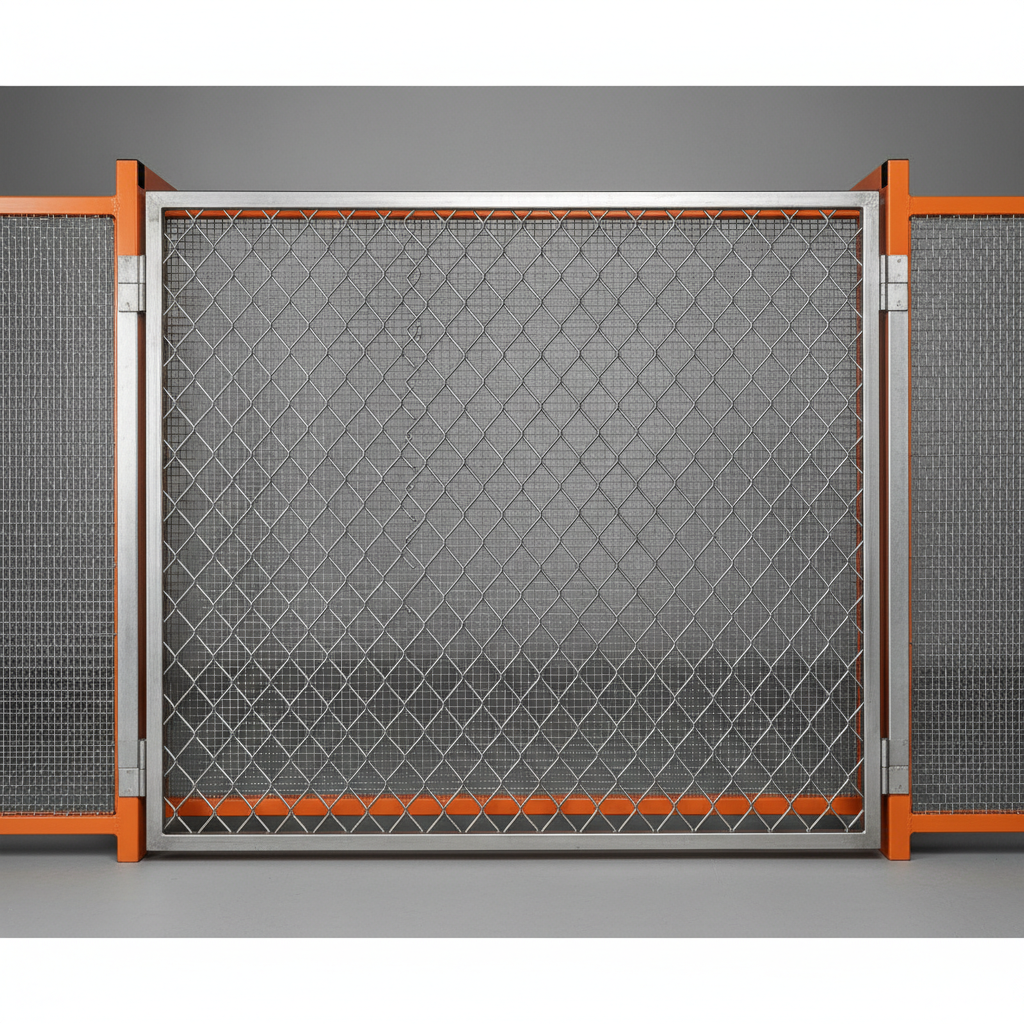
Another pivotal component is the mesh geometry. Whether the design utilizes a square weld, a diamond weave, or a specialized anti-climb pattern, the aperture size is calibrated to prevent footholds. This engineering precision ensures that stainless steel mesh fencing can meet strict safety certifications, such as those required for government installations or hazardous material storage areas.
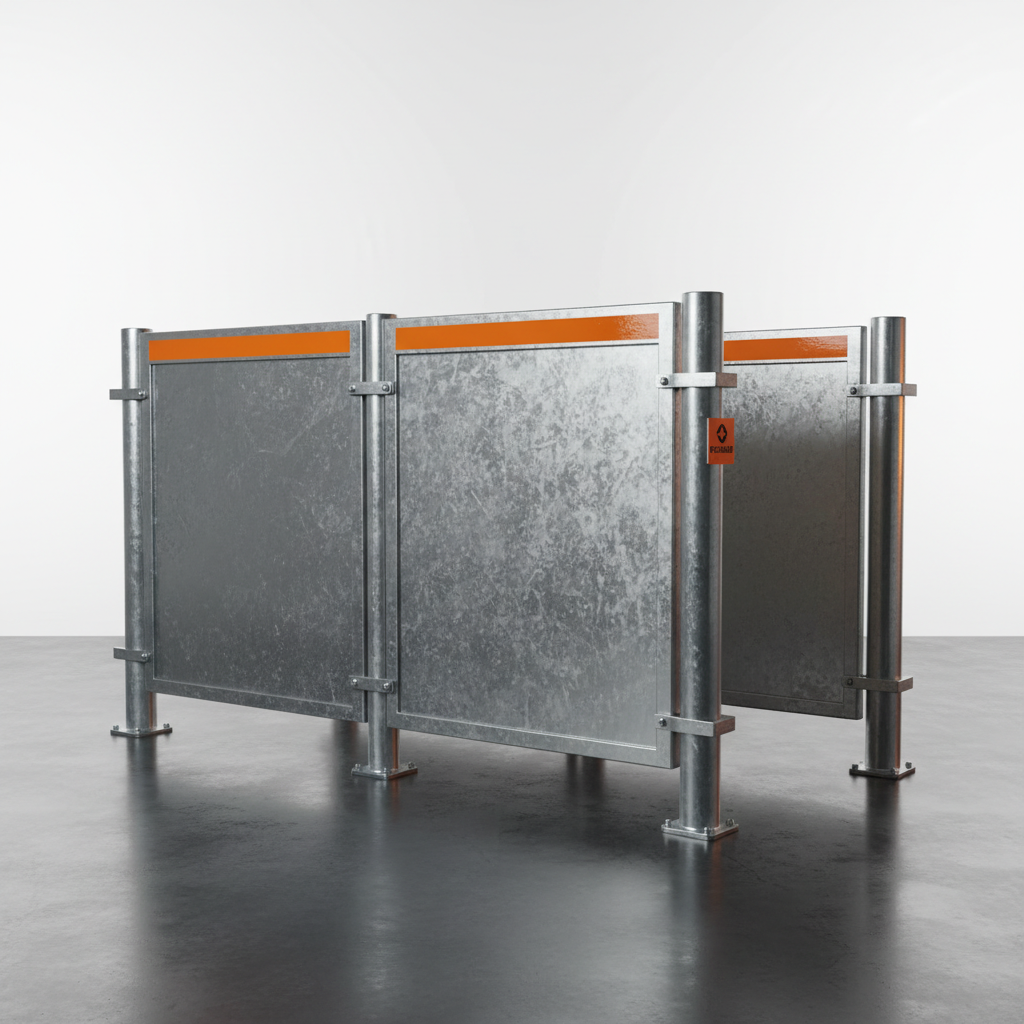
Lastly, the mounting system and tensioning hardware play a vital role. A high-quality stainless mesh is only as strong as its anchors. The use of stainless steel tensioners and reinforced posts prevents the "sagging" effect commonly seen in lower-grade fences, ensuring that the perimeter remains taut and secure throughout its operational life.
Global Applications and Use Cases
The application of stainless steel mesh fencing spans a diverse range of industries. In the petrochemical sector, these fences are used to isolate volatile areas where sparks from rust-induced friction or material failure could be catastrophic. Similarly, in the aerospace industry, stainless mesh is often employed to secure runways and sensitive equipment hangars, where durability against weather and high-wind loads is non-negotiable.
Beyond heavy industry, we see widespread adoption in urban infrastructure and public safety. For instance, in high-traffic metropolitan transit hubs, stainless steel mesh is used for crowd control and pedestrian barriers because it resists the wear and tear of thousands of daily contacts and is easy to sanitize. In coastal cities, it is the only viable choice for seawall reinforcements and beachfront property boundaries.
Comparative Performance of Stainless Steel Mesh Fencing Types
Tangible Advantages and Long-Term Value
The most immediate advantage of stainless steel mesh fencing is the drastic reduction in Total Cost of Ownership (TCO). While the initial investment may be higher than that of galvanized or PVC-coated steel, the absence of corrosion means that painting, sealing, and replacement cycles are virtually eliminated. For a large-scale industrial site, this can result in millions of dollars in savings over a twenty-year period.
Beyond the financial logic, there is a significant psychological and social value. High-quality stainless steel provides a sense of permanence and reliability. In critical infrastructure—such as power plants or water treatment facilities—this reliability translates to peace of mind. Moreover, from a sustainability standpoint, stainless steel is 100% recyclable, ensuring that at the end of its long life, the material can be repurposed without polluting the environment.
Future Trends in Security Mesh Innovation
The evolution of stainless steel mesh fencing is now intersecting with the digital transformation of security. We are seeing the rise of "Smart Fencing," where sensors are integrated directly into the mesh weave. These sensors can detect vibrations, cutting attempts, or climbing patterns in real-time, alerting security teams to the exact GPS coordinate of a breach.
Material science is also advancing, with the development of nano-coatings that can make stainless steel mesh hydrophobic or anti-graffiti. These innovations ensure that the fence remains visually pristine even in high-vandalism urban areas, further reducing maintenance overhead and improving the aesthetic value of the surrounding property.
Furthermore, the industry is moving toward automated modular installation. Pre-fabricated stainless steel panels that can be snapped together with high-tension locking mechanisms are reducing installation times by up to 40%, allowing for rapid deployment in emergency zones or fast-track construction projects.
Common Challenges and Expert Solutions
One of the primary challenges with stainless steel mesh fencing is the risk of galvanic corrosion when it comes into contact with dissimilar metals, such as carbon steel posts. To solve this, experts recommend using isolation gaskets or ensuring that all support structures are also made of stainless steel or high-grade aluminum to maintain the electrochemical balance of the system.
Another common concern is the weight and rigidity of the material, which can make installation labor-intensive. The solution lies in utilizing specialized tensioning tools and lightweight high-tensile alloys that offer the same strength as heavier wires but with a smaller diameter, reducing the overall load on the support structure without compromising security.
Finally, the cost barrier often deters small-scale projects. However, by implementing a "hybrid" strategy—using premium stainless steel mesh in high-exposure areas (like gates and coastal edges) and high-quality galvanized steel in sheltered zones—owners can optimize their budget while still leveraging the core benefits of stainless steel.
Analysis of Stainless Steel Mesh Fencing Material Options and Suitability
| Material Grade |
Corrosion Resistance |
Security Level |
Recommended Use |
| SS 304 Mesh |
Moderate |
High |
Indoor/Urban areas |
| SS 316 Mesh |
Extreme |
High |
Marine/Chemical plants |
| Anti-Climb Weave |
High |
Maximum |
Prisons/High-security |
| Welded Mesh |
Moderate |
Medium |
Industrial partitions |
| Crimped Mesh |
High |
Medium |
Architectural facades |
| Duplex Steel Mesh |
Ultimate |
High |
Offshore platforms |
FAQS
The primary difference lies in corrosion resistance. Galvanized steel relies on a zinc coating that eventually wears off, leading to rust. Stainless steel mesh fencing contains chromium, which creates a self-healing oxide layer, making it nearly immune to rust in most environments and eliminating the need for periodic repainting.
For coastal or marine environments, Grade 316 stainless steel is highly recommended. It contains molybdenum, which specifically protects the metal against pitting and corrosion caused by chlorides (salts) in the air, ensuring the fence doesn't degrade in salty sea breezes.
While the material is more rigid than chain-link, modern installation methods use pre-tensioned panels and specialized locking hardware that simplify the process. Using professional tensioning tools ensures the mesh remains taut and structurally sound over long distances.
Yes, absolutely. Due to its clean, silver finish and the ability to be woven into various patterns (like crimped or expanded meshes), it is widely used for building facades, balcony railings, and luxury interior partitions where both safety and style are required.
Sagging is prevented by using high-tensile wire and a robust tensioning system. We recommend using stainless steel turnbuckles and reinforced anchor posts that match the grade of the mesh, ensuring the entire system maintains its tension regardless of temperature fluctuations.
Yes, it is highly sustainable. Stainless steel is 100% recyclable and has an exceptionally long lifespan, which reduces the amount of waste generated by frequent replacements. It also doesn't require toxic anti-rust coatings that can leach into the soil.
Conclusion
In summary, stainless steel mesh fencing represents the pinnacle of perimeter security, blending extreme durability with an uncompromising aesthetic. By addressing the critical challenges of corrosion, security breaches, and maintenance costs, it provides a long-term value proposition that far outweighs its initial cost. From industrial plants to urban architecture, the versatility of stainless alloys ensures that security does not have to come at the expense of beauty or sustainability.
As we move toward a future of "smart" infrastructure and green building, the role of high-performance materials will only grow. Investing in premium stainless steel mesh today is not just a security decision, but a strategic move toward reducing operational overhead and enhancing the resilience of your assets. For those seeking the ultimate in reliability and style, we invite you to explore our specialized solutions. Visit our website: www.fencingwiremesh.com