Ensuring the safety and freedom of our canine companions requires a delicate balance between secure containment and a natural environment. For many pet owners and kennel managers, rolled wire fencing for dogs has emerged as the gold standard for creating reliable boundaries that prevent escapees while maintaining visibility and airflow. Unlike rigid wall structures, these flexible wire solutions adapt to the contours of various terrains, providing a versatile shield against both external intrusions and internal curiosity.
On a global scale, the demand for specialized animal containment has surged as urban spaces shrink and the focus on animal welfare increases. The industry has shifted from basic makeshift barriers to engineered wire mesh systems that prioritize durability and safety. By utilizing high-tensile steel and corrosion-resistant coatings, modern rolled fencing addresses the fundamental challenge of balancing cost-effectiveness with the long-term structural integrity needed to withstand the digging and jumping habits of active dogs.
Understanding the technical nuances of these fencing systems—from gauge thickness to coating types—allows owners to make informed decisions that protect their pets. Whether it is a sprawling rural estate or a compact suburban backyard, the implementation of professional-grade rolled wire fencing for dogs ensures that pets can enjoy the outdoors without compromising their security or the aesthetic value of the property.
Understanding Rolled Wire Fencing for Dogs
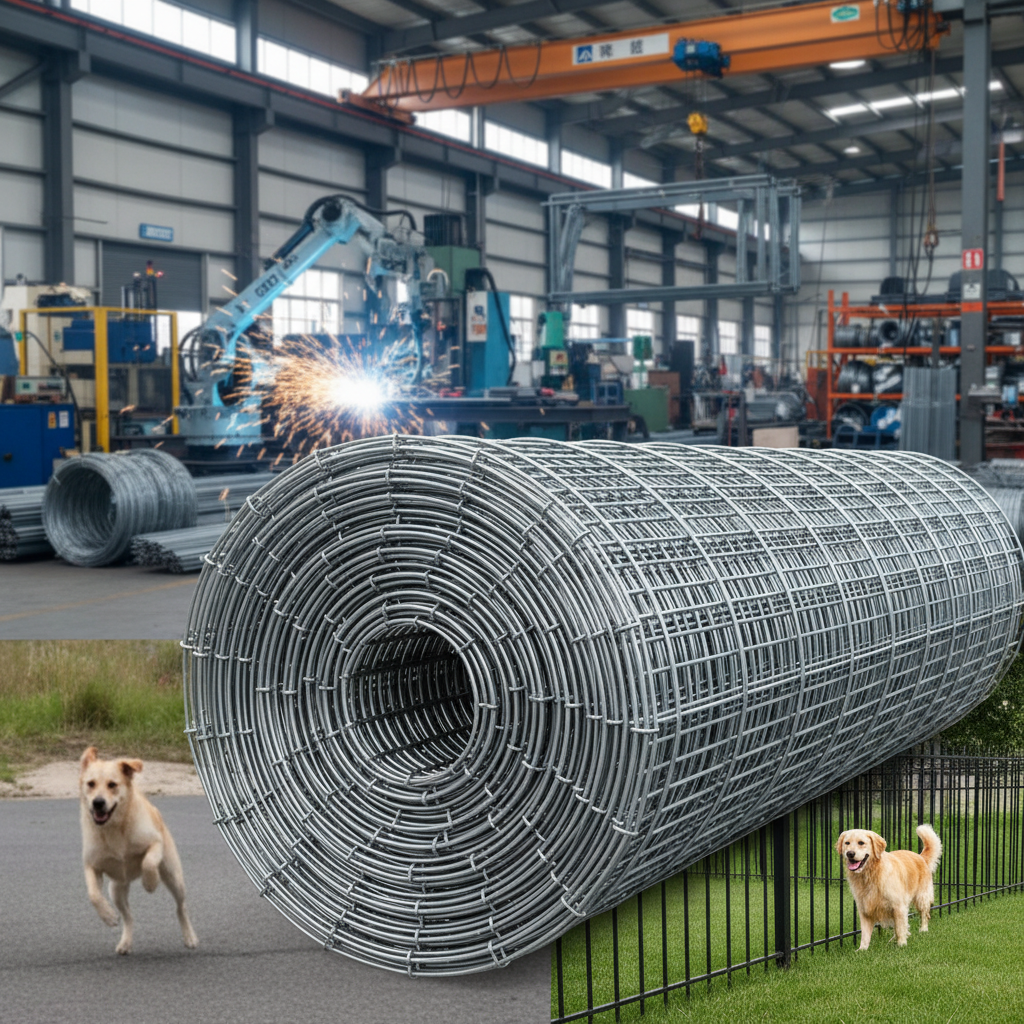
At its core, rolled wire fencing for dogs refers to a prefabricated mesh of galvanized or coated steel wires that are wound into convenient rolls for easy transport and rapid deployment. Unlike panel fences, these rolls allow for a continuous perimeter without the need for excessive joining hardware, which minimizes potential weak points where a determined dog might find a gap.
This type of fencing is specifically designed to meet the behavioral needs of canines, offering a visual barrier that doesn't isolate them from their surroundings. By utilizing a specific weave—often a combination of welded and woven techniques—these fences provide the necessary tensile strength to resist leaning and pushing, making them an essential tool for responsible pet ownership worldwide.
Technical Specifications and Material Composition
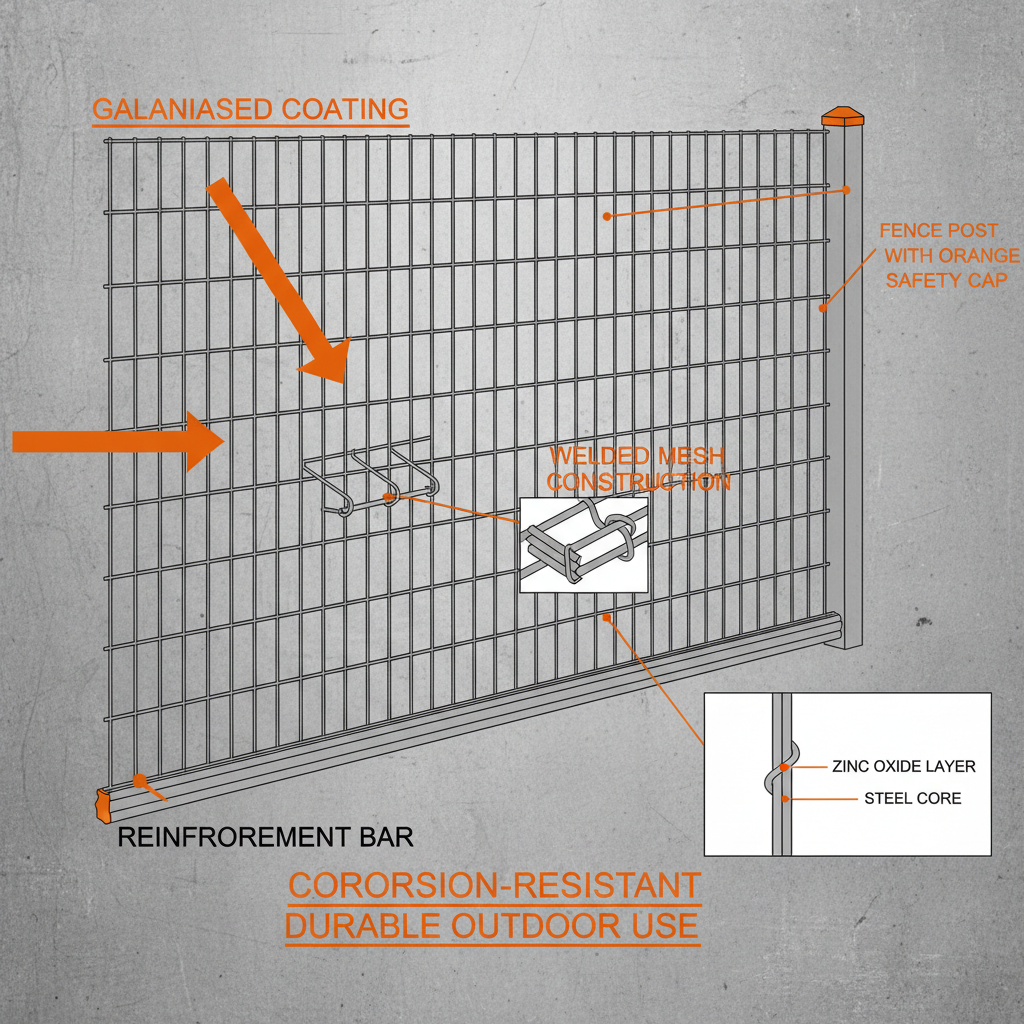
The efficacy of rolled wire fencing for dogs depends heavily on the grade of the steel used. Most professional-grade options employ hot-dipped galvanized steel, which creates a zinc layer that protects the core wire from oxidation. This is critical for outdoor installations where exposure to rain, humidity, and soil acidity can lead to rapid rust and structural failure.
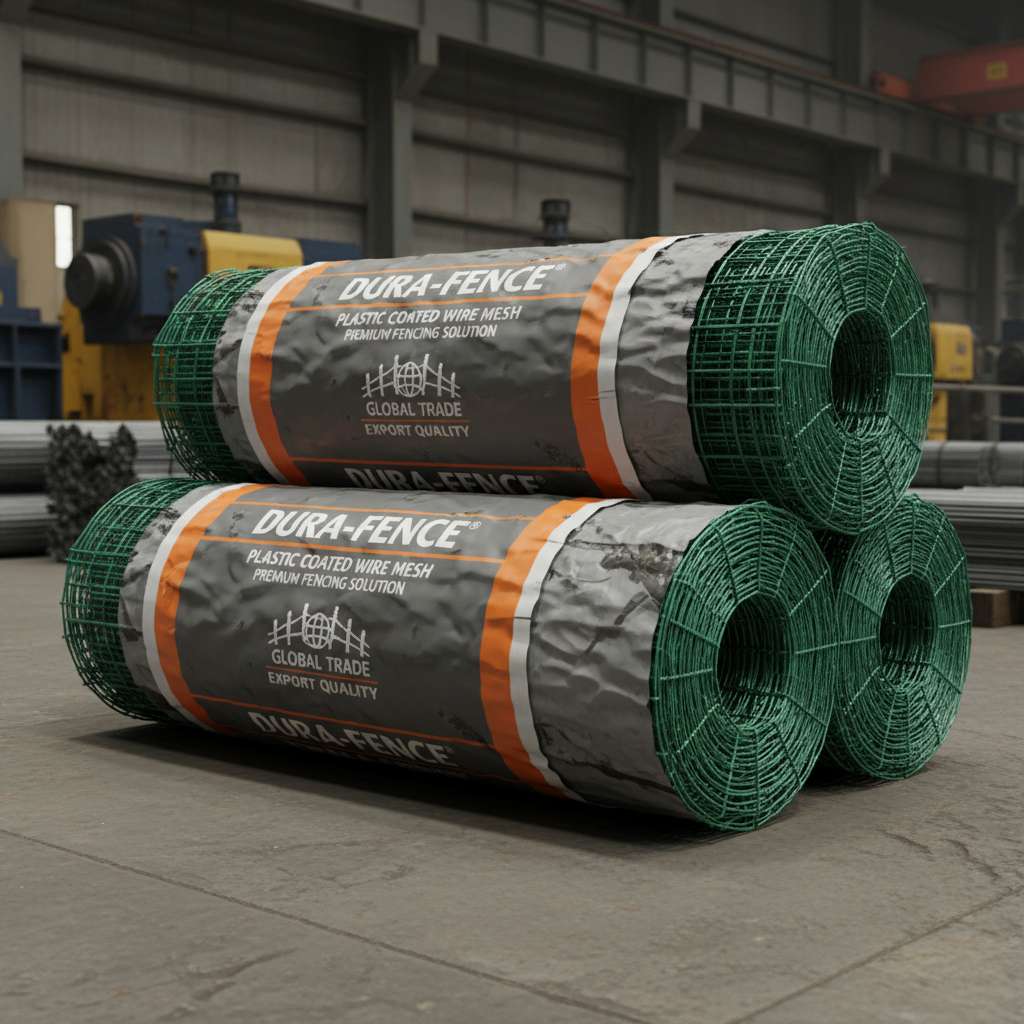
Beyond the base metal, the coating plays a pivotal role. PVC (Polyvinyl Chloride) coating is frequently applied over galvanized wire to provide an extra layer of protection and a softer touch, reducing the risk of scrapes or injuries to the dog's skin. The mesh size—the distance between the intersecting wires—is also carefully calibrated to ensure that even small breeds cannot squeeze through, while larger breeds cannot easily bend the wires.
From an industrial perspective, the "gauge" or thickness of the wire determines the fence's resistance to impact. For aggressive chewers or high-energy breeds, a lower gauge (meaning a thicker wire) is recommended. This technical approach ensures that the containment system remains intact over years of wear and tear, reducing the need for frequent repairs and increasing the overall safety of the enclosure.
Key Factors for Evaluating Dog Fencing
When selecting rolled wire fencing for dogs, durability is the primary metric. This encompasses not only the tensile strength of the wire but also its ability to maintain tension over time. A fence that sags is an invitation for a dog to crawl underneath, making the quality of the roll and the accompanying tensioning tools critical for a successful install.
Scalability and cost-efficiency are equally important factors. Rolled wire solutions are significantly more affordable than custom masonry or heavy-duty aluminum panels. This allows owners to secure larger areas—such as multi-acre rural properties—without incurring prohibitive costs, all while maintaining a professional level of security that satisfies local ordinances and animal welfare standards.
Finally, the ease of installation cannot be overlooked. Because these products come in rolls, they can be deployed across uneven terrain more effectively than rigid sections. This flexibility ensures that the rolled wire fencing for dogs can follow the natural slope of a hill or weave around existing landscaping, providing a seamless boundary that doesn't require extensive land grading.
Practical Applications and Global Use Cases
The application of rolled wire fencing for dogs varies significantly by region and purpose. In North American suburban environments, it is often used as a primary boundary for backyards, providing a clear limit for pets while blending into the neighborhood. In contrast, in European urban centers, these fences are frequently used in designated "dog parks" where high-traffic use requires a durable, easy-to-maintain mesh that can be replaced in sections if damaged.
In more specialized contexts, such as animal shelters or rescue centers in Southeast Asia and Africa, these rolled wire solutions are invaluable for creating temporary yet secure quarantine zones. The ability to quickly deploy large amounts of fencing allows these organizations to manage animal populations safely during emergency relief operations or disease outbreaks, ensuring that dogs are kept secure and separated as needed.
Performance Comparison of Rolled Wire Fencing for Dogs Types
Long-Term Advantages of Wire Mesh Solutions
The long-term value of investing in high-quality rolled wire fencing for dogs extends beyond simple containment. From a psychological perspective, providing a secure outdoor space reduces anxiety in dogs, preventing the destructive behaviors often associated with confinement. Moreover, the transparency of the wire mesh allows for social interaction with neighbors and other pets, which is crucial for a dog's mental well-being.
Economically, these systems offer a superior return on investment. Because they are resistant to the elements and easy to repair, the lifecycle cost is significantly lower than wood, which rots, or vinyl, which can crack under extreme temperature fluctuations. By choosing a professional-grade rolled wire system, owners ensure a one-time installation that provides a decade or more of reliable service.
Future Innovations in Canine Containment
The future of rolled wire fencing for dogs is being shaped by advancements in material science. We are seeing the introduction of "smart alloys" that offer higher strength-to-weight ratios, allowing fences to be lighter and easier to install without sacrificing security. Additionally, there is a growing trend toward eco-friendly coatings that are non-toxic and biodegradable, ensuring that the fencing does not leach chemicals into the soil over time.
Integration with digital technology is another emerging frontier. Some modern installations are combining physical rolled wire barriers with wireless "virtual" boundaries. In this hybrid model, the physical fence provides the primary security, while sensors embedded in the wire or perimeter can alert owners via a smartphone app if a dog is persistently scratching or attempting to climb a specific section of the fence.
Sustainability is also driving innovation. Manufacturers are increasingly using recycled steel for their rolls, reducing the carbon footprint of production. These green initiatives, combined with automation in the weaving process, are making professional-grade rolled wire fencing for dogs more accessible and environmentally responsible than ever before.
Overcoming Common Installation Challenges
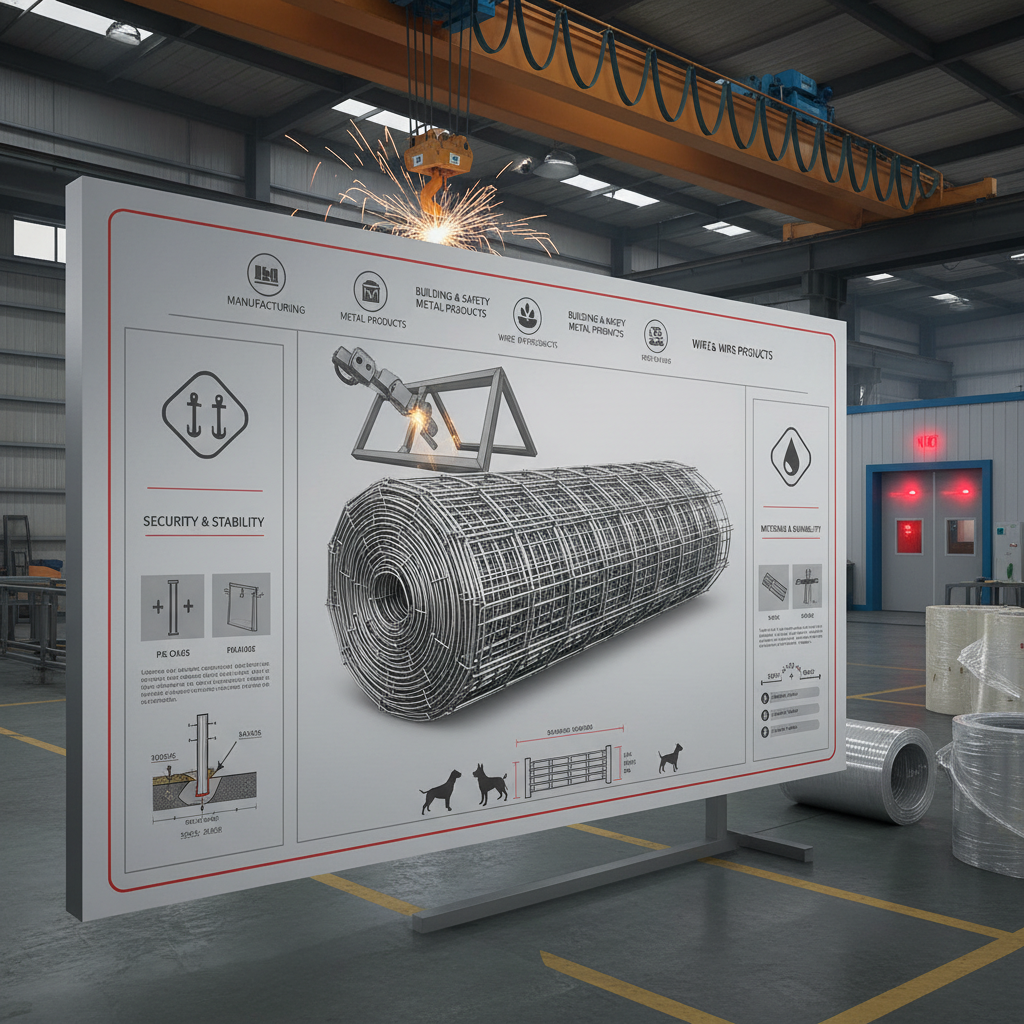
One of the most frequent challenges when installing rolled wire fencing for dogs is the "dig-under" problem. Many dogs instinctively try to find a way under the barrier. The professional solution involves an L-shaped footer installation, where the bottom of the wire roll is bent 90 degrees and buried six inches into the ground, creating a physical subterranean wall that prevents tunneling.
Another common issue is tension loss. Over time, the wire can stretch, creating gaps. To combat this, the use of high-quality tensioning wires (top, middle, and bottom) is essential. By anchoring these wires to sturdy steel posts and using a winch or tensioner, the mesh remains taut, ensuring that there are no slack areas for a dog to push through or climb over.
Finally, cornering and termination points are where most failures occur. Using reinforced corner posts and industrial-grade staples or ties ensures that the stress of the tensioned roll doesn't pull the posts out of alignment. By following these expert installation protocols, the longevity and effectiveness of the rolled wire fencing for dogs are maximized.
Technical Analysis of Rolled Wire Fencing Deployment Strategies
| Deployment Method |
Security Level |
Installation Cost |
Maintenance Need |
| Surface Mounting |
Medium |
Low |
High (Tension checks) |
| Buried Footer (L-Shape) |
Very High |
Medium |
Low |
| Tension Wire Support |
High |
Medium |
Medium |
| PVC Coating Layer |
Medium |
Medium |
Very Low |
| Reinforced Cornering |
High |
Low |
Low |
| Hybrid Mesh Setup |
Extreme |
High |
Medium |
FAQS
Yes, provided you choose a heavy-gauge galvanized or PVC-coated wire. PVC coating not only adds strength but also prevents the dog from tasting the metal and reduces the risk of cuts. For aggressive chewers, we recommend a welded wire mesh over a woven one, as it is significantly harder to bend or break through.
The most effective method is the "L-foot" technique. During installation, extend the bottom of the rolled wire fencing 6-12 inches outward or inward and bury it in a shallow trench. This creates a physical barrier that the dog encounters as soon as they start digging, effectively discouraging them from continuing.
Standard galvanized wire is highly resistant, but constant contact with moist, acidic soil can eventually lead to corrosion. For maximum longevity, use PVC-coated rolled wire fencing, which provides a plastic shield that isolates the metal from the environment, extending the lifespan of the fence by several years.
While possible, it is challenging. Unrolling the wire and keeping it taut requires at least two people—one to hold the roll and one to attach it to the posts. Using professional tensioning tools can make the process easier, but having a partner ensures the fence is straight and secure from the start.
For small breeds, a tight mesh (usually 1-2 inches) is essential to prevent them from squeezing through. For large breeds, the mesh size is less critical than the wire gauge; you need thicker steel (lower gauge) to resist the force of a large dog leaning or jumping against the barrier.
Depending on the material and environment, a high-quality galvanized roll can last 10-15 years. PVC-coated versions often last longer because they are shielded from the elements. Regular checks for tension and rust spots can help you maintain the fence and extend its useful life indefinitely.
Conclusion
In summary, rolled wire fencing for dogs represents the ideal intersection of industrial durability and practical pet care. By focusing on the critical elements of material gauge, corrosion protection, and strategic installation techniques—such as the buried footer and tension wire support—pet owners can create a sanctuary that is both safe and sustainable. These systems not only provide a physical barrier but also offer peace of mind, knowing that a pet's curiosity will not lead to dangerous escapes.
Looking forward, the integration of sustainable materials and smart monitoring will further refine the way we secure our outdoor spaces. For anyone seeking a reliable, cost-effective, and professional containment solution, investing in high-grade rolled wire mesh is the most logical choice for long-term animal safety. We encourage you to evaluate your terrain and breed-specific needs to choose the right specification for your home. Visit our website: www.fencingwiremesh.com