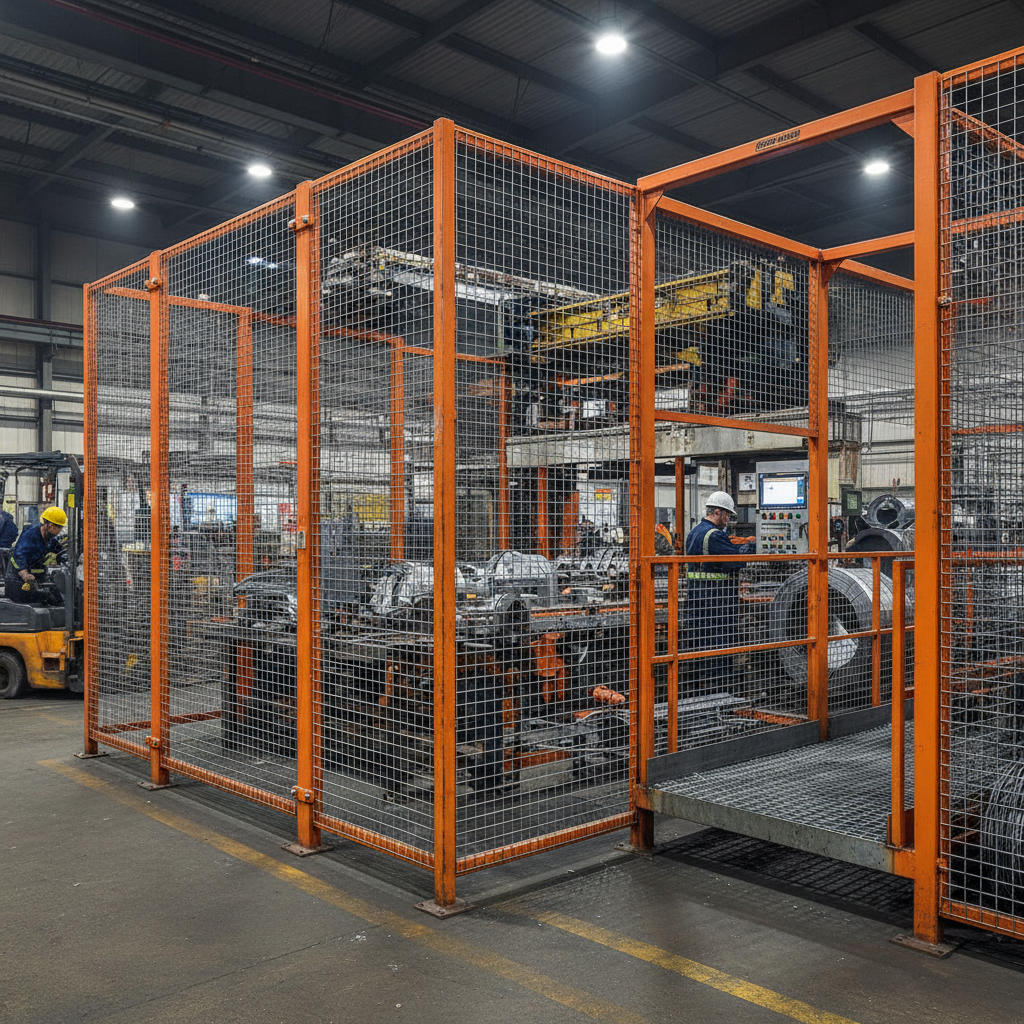
The selection of high-quality perimeter security is critical for protecting industrial assets and maintaining safety in construction environments. A welding mesh fence offers a sophisticated balance of structural rigidity and versatility, ensuring that boundaries are not only defined but effectively secured against unauthorized entry. By utilizing precision welding techniques, these fences provide a level of stability that traditional woven wires cannot match.
In the global market, the demand for durable fencing solutions has surged as infrastructure projects expand across diverse climates and terrains. Whether dealing with the corrosive atmosphere of coastal regions or the high-pressure requirements of industrial sites, the engineering behind a professional welding mesh fence focuses on longevity and resistance. The integration of various coatings, such as galvanization and PVC, allows these systems to withstand extreme environmental stress.
Understanding the technical nuances of these systems is essential for engineers and procurement officers who prioritize long-term value over short-term costs. From stainless steel options for chemical resistance to plastic-impregnated variants for aesthetic appeal, choosing the right welding mesh fence ensures a waterproof and fireproof barrier that serves its purpose for decades without frequent maintenance.
Material Composition and Core Types
A high-performance welding mesh fence is typically manufactured from three primary materials: galvanized iron, stainless steel, and plastic-coated carbon steel. Galvanized mesh is processed using sophisticated automatic mechanical technology to ensure a flat surface and a firm structure. This ensures that even if a section of the mesh is partially cut or pressured, the overall integrity remains intact, preventing the fence from loosening or collapsing.
Stainless steel variants, utilizing grades such as 304 and 316, are engineered for environments requiring acid and alkali resistance. These are produced via precision welding equipment to ensure strong joints and a beautiful appearance. For those seeking a blend of protection and aesthetics, plastic-impregnated options use high-temperature dip-coating with PVC, PE, or PP powder, providing an anti-ultraviolet layer that resists corrosion and fading.
Technical Specifications and Dimensions
The versatility of a welding mesh fence is defined by its customizable specifications. For standard security applications, plastic-impregnated wire typically ranges from 3.5mm to 8mm in warp diameter, with mesh holes often configured at 60mm x 120mm. The overall panel dimensions can reach 2300mm in height and 3000mm in width, supported by robust steel pipe upright columns measuring 48mm x 2mm with a protective dipping treatment.
Stainless steel mesh offers even more granular control, with wire diameters ranging from 0.33mm to 6.0mm and aperture sizes from 1/4 inch to 6 inches. The width of these rolls or sheets can vary between 0.5 and 2.30 meters. This precision allows the material to be used for everything from delicate filtering screens to heavy-duty industrial barriers.
Specialized construction mesh for wall insulation is designed with thinner wires to optimize adhesion to plaster. Inner wall insulation mesh typically uses wire diameters of 0.3-0.5mm, while outer wall insulation requires a slightly thicker 0.5-0.7mm wire. This ensures the anti-crack properties are maintained across the entire building facade.
Core Benefits of Welded Mesh Systems
The primary advantage of implementing a welding mesh fence is its superior structural stability. Unlike woven mesh, where wires can slide or shift under pressure, the welded joints in these fences create a rigid grid that maintains its shape regardless of the load. This makes them ideal for high-traffic areas or locations where livestock and equipment may lean against the perimeter.
Sustainability and longevity are further enhanced through advanced coating technologies. A hot-dip galvanized welding mesh fence provides corrosion resistance that far exceeds that of standard barbed wire. This translates to a lower total cost of ownership, as the need for replacement and rust-treatment is significantly reduced over the product's lifespan.
From a functional standpoint, these systems are designed for rapid deployment. With accessories such as rain caps, connection cards, and anti-theft bolts, the installation process is streamlined. This efficiency is crucial for large-scale transportation projects or agricultural enclosures where time-to-completion directly impacts operational costs.
Performance Analysis by Coating Method
Different coating methods drastically alter the performance profile of a welding mesh fence. Hot-dip galvanization is the gold standard for industrial rust prevention, while PVC coating is preferred for environmental integration and UV protection. Each method is selected based on the specific stressors of the installation site, such as humidity, salinity, or chemical exposure.
When evaluating these options, the balance between cost and durability is key. While stainless steel provides the highest level of chemical resistance, plastic-coated carbon steel offers a cost-effective alternative for parks and residential areas where visual appeal is as important as security.
Welding Mesh Fence Coating Performance Comparison
Industry-Specific Application Scenarios
In the construction industry, a welding mesh fence is often utilized as an anti-cracking net for wall insulation. Small-wire mesh is hung on inner and outer walls before plastering, providing the necessary tension to prevent structural fissures. Similarly, the steel structure industry uses 1-inch or 2-inch mesh as a lining for thermal insulation cotton on roofs, ensuring that insulation remains securely in place.
The breeding and agricultural sectors rely on these fences for specialized enclosures. From fox and mink pens using 2mm wire and 1-inch mesh to "corn nets" for crop protection, the focus is on ventilation and containment. In transportation, these fences serve as highway guardrails and protective nets for road green belts, where plastic-impregnated coatings prevent corrosion from road salts.
Installation and Structural Integrity
Ensuring the structural integrity of a welding mesh fence begins with the selection of the correct connection method. The card connection system, paired with anti-theft bolts, allows for a secure yet flexible installation. This prevents the panels from being easily dismantled by intruders while allowing for slight adjustments during the layout process on uneven terrain.
The use of 48mm x 2mm steel pipe uprights provides the necessary vertical support to prevent sagging over long distances. Rain caps are installed on top of these columns to prevent water from entering the pipe, which is a critical step in preventing internal rust and extending the life of the entire system.
For high-security zones, the combination of welded mesh with additional barriers like razor wire or concrete footings enhances the defensive capability. The flat mesh surface and firm structure ensure that the fence does not loosen even under significant pressure, maintaining a consistent barrier against unauthorized access.
Comparative Analysis of Mesh Variants
Selecting the right version of a welding mesh fence requires an analysis of the environment and the intended use. For example, while galvanized mesh is excellent for general purpose use, stainless steel is non-negotiable in food processing or pharmaceutical plants due to its hygienic and corrosion-resistant properties.
Plastic-impregnated mesh is the superior choice for public parks and orchards where "grass green" or "black green" colors are required to blend with the landscape. This coating not only provides aesthetic value but also acts as a shield against UV degradation, which would otherwise make the metal brittle over time.
Ultimately, the choice between rolls and sheets depends on the project's geometry. Welded mesh sheets are ideal for rigid panels and gated entrances, whereas rolls are more efficient for long, continuous runs of agricultural or boundary fencing.
Core Comparison of Welding Mesh Fence Variants
| Material Type |
Corrosion Resistance |
Primary Application |
Durability Score |
| Hot-Dip Galvanized |
High |
Industrial / Agriculture |
8/10 |
| Stainless Steel (304/316) |
Extreme |
Chemical / Marine |
10/10 |
| PVC Coated |
Medium-High |
Parks / Residential |
7/10 |
| Plastic-Impregnated |
High (UV Resistant) |
Highways / Orchards |
9/10 |
| Cold Galvanized |
Medium |
Interior / Temporary |
6/10 |
| Insulation Mesh |
Low-Medium |
Wall Plastering |
7/10 |
FAQS
For mass production, the lead time is generally between 20 to 30 days after the deposit payment has been received and final product approvals are confirmed. If you require samples for testing, these can usually be provided within approximately 7 days.
Yes, special specifications can be customized to meet specific industry needs. Whether you require specific wire diameters for breeding pens (e.g., 2mm wire) or custom mesh sizes for industrial filtering, our precision welding equipment can accommodate various requirements.
The PVC, PE, or PP powder coating is applied at high temperatures, creating a waterproof and anti-oxidation layer. This protects the underlying steel from UV rays and moisture, preventing rust and color fading, which is essential for outdoor installations in harsh climates.
Stainless steel (specifically grades 316 and 316L) is the best choice for highly corrosive environments. It offers superior acid and alkali resistance, making it ideal for chemical plants, marine settings, and high-end industrial protection where galvanized steel might eventually fail.
We accept payments via bank account transfer, Western Union, and PayPal. The standard term is a 30% deposit in advance, with the remaining 70% balance due against the copy of the Bill of Lading (B/L).
For large quantities, sea freight is the most cost-effective and recommended solution. We use high-quality export packaging to ensure the products arrive securely. Shipping rates are calculated based on the total weight, volume, and chosen destination.
Conclusion
In summary, the welding mesh fence represents a critical intersection of material science and security engineering. By offering diverse options in stainless steel, galvanized iron, and plastic-coated variants, it addresses a wide spectrum of needs—from the delicate requirements of wall insulation and animal husbandry to the rigorous demands of highway guardrails and industrial security. Its inherent structural rigidity, combined with advanced anti-corrosion coatings, ensures a long service life and minimal maintenance.
As industries move toward more sustainable and durable infrastructure, the role of high-precision welded mesh will only grow. We recommend that project managers carefully assess their environmental stressors—such as salt spray, UV exposure, or chemical contact—before selecting a specific material grade. For those seeking professional-grade security solutions that guarantee safety and longevity, we invite you to visit our website: www.fencingwiremesh.com