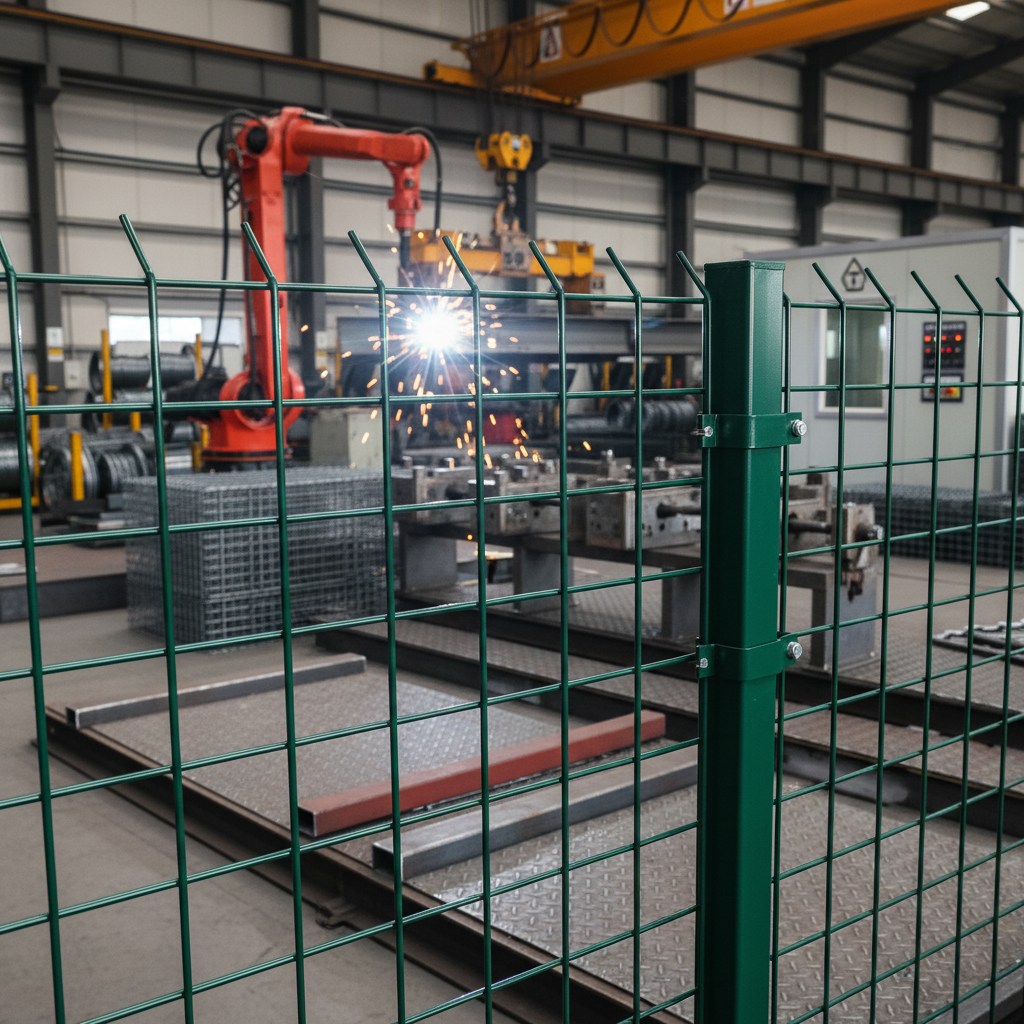
The global demand for high-security perimeter protection has led to the widespread adoption of specialized barriers, where the wire fence galvanized systems play a pivotal role. These structures are designed to prevent unauthorized access while withstanding the harshest environmental conditions, blending mechanical strength with chemical resistance.
In modern infrastructure, the choice of materials directly impacts the longevity and effectiveness of a security installation. Galvanized coatings provide a critical layer of zinc that prevents oxidation, ensuring that security fences remain structurally sound and visually intimidating without requiring frequent, costly replacements.
Understanding the technical specifications of a wire fence galvanized system, such as razor wire with high tensile strength, is essential for facility managers and security experts. By integrating these robust materials, organizations can create an impenetrable boundary that serves as both a physical barrier and a psychological deterrent.
Material Composition of Galvanized Wire Fences
The structural integrity of a wire fence galvanized system begins with its base metal. High-grade carbon steel is typically used for its immense strength, while stainless steel variants (such as 304, 304L, 316, 316L, and 430) are employed in environments where extreme chemical resistance is required.
The synergy between the core wire diameter, typically 2.5mm, and the specialized blade profiles ensures that the fence is not only difficult to cut but also nearly impossible to scale. This combination of metallurgical precision and engineering design forms the backbone of modern security isolation.
Mechanical Properties and Deterrent Effects
One of the most critical aspects of a wire fence galvanized installation is its tensile strength. With a rated tensile strength between 1400 and 1600 MPa, these fences are designed to resist heavy impacts and attempts at forced entry. The high carbon content of the steel ensures that the wire maintains its tension over long spans.
Beyond the physical strength, the accordion shape of the razor wire creates a complex, three-dimensional web of blades. This geometry makes it extremely hazardous for an intruder to find a safe grip or a point of entry, effectively turning the perimeter into a dangerous zone that discourages any attempt at breach.
The visual impact of the metal's luster, combined with the sharp, knife-like thorns, provides a powerful psychological deterrent. When potential intruders see a professionally installed galvanized razor wire fence, the perceived risk of injury outweighs the potential gain of entry, achieving security through both physical and mental barriers.
Surface Treatment and Corrosion Resistance
To ensure long-term viability in outdoor settings, every wire fence galvanized system undergoes rigorous surface treatment. Galvanization involves applying a zinc coating, ranging from 90 gsm to 275 gsm, which acts as a sacrificial anode, protecting the underlying steel from rust and oxidation.
For environments requiring additional protection or aesthetic integration, options such as PVC coating (available in green, orange, blue, yellow, etc.), E-coating (electrophoretic), and powder coating are available. These additions ensure that the wire fence galvanized remains weather-resistant and water-resistant even in coastal or industrial areas.
The durability provided by these treatments significantly extends the service life of the fence. By preventing the degradation of the metal, the structural integrity of the razor blades remains intact, ensuring that the deterrent effect does not diminish over time due to environmental wear.
Performance Analysis of Razor Wire Profiles
Different security needs require different blade geometries. A standard wire fence galvanized setup can range from the DJL-10 profile with a 10mm blade length to the heavy-duty DJL-65 profile featuring 65mm blades. These variations allow security planners to scale the level of deterrence based on the risk profile of the facility.
The effectiveness of these profiles is measured by their ability to snag clothing and penetrate skin, combined with the difficulty of cutting through the core wire. The larger blade profiles provide a wider "danger zone," making it nearly impossible to navigate the coil without sustaining significant injury.
Security Effectiveness by Blade Profile (wire fence galvanized)
Strategic Applications in High-Security Zones
The versatility of the wire fence galvanized system makes it the primary choice for national security facilities. In military fields, border posts, and prisons, these fences provide a critical layer of isolation that can be deployed rapidly to secure vast perimeters against unauthorized incursions.
Beyond governmental use, commercial properties and industrial mining enterprises utilize these systems to protect valuable assets and hazardous materials. Whether wrapped around the top of a garden fence for residential security or used as a standalone barrier for highways and railways, the system ensures a high level of protection.
Installation Methodology for Maximum Security
Installing a wire fence galvanized system requires a systematic approach to ensure no weak points are left in the perimeter. The process begins by securely attaching one end of the razor wire to a corner post bracket, ensuring a rigid anchor point that can withstand the tension of the stretched coils.
The wire must then be stretched carefully so that the coils overlap. This overlap is crucial; it prevents intruders from finding gaps to squeeze through and increases the density of the blades. Each support post must be tied securely to maintain the accordion shape across the entire perimeter.
Proper installation also involves selecting the correct coil diameter, which can range from 300mm to 1500mm, and determining the optimal stretch length (between 4m and 15m). When executed correctly, the resulting barrier is a seamless wall of steel that is nearly impossible to penetrate without specialized equipment.
Comparative Analysis of Blade Specifications
Choosing the right wire fence galvanized profile depends on the specific threat level of the installation site. For low-risk garden apartments, a DJL-10 or DJL-12 profile may suffice to discourage casual trespassing. However, for high-security detention centers, larger blades like the DJL-60 are mandatory.
The thickness of the blade (typically 0.5mm to 0.6mm) and the core wire diameter (2.5mm) are standardized to ensure consistency in manufacturing and performance. These parameters ensure that the blades do not bend or flatten under pressure, maintaining their sharpness and cutting capability.
By analyzing the blade length and width, security engineers can calculate the "interception probability" of the fence. Profiles with larger blade spacing (e.g., 100mm in DJL-60) are designed to catch larger objects or limbs, while tighter spacing is optimized for overall structural rigidity.
Technical Specifications of Razor Wire Profiles
| Profile Model |
Blade Length (mm) |
Blade Width (mm) |
Blade Space (mm) |
| DJL-10 |
10±1 |
13±1 |
26±1 |
| DJL-18 |
18±1 |
15±1 |
33±1 |
| DJL-22 |
22±1 |
15±1 |
34±1 |
| DJL-30 |
30 |
18 |
45±1 |
| DJL-60 |
60±2 |
32±1 |
100±2 |
| DJL-65 |
65±2 |
21±1 |
100±2 |
FAQS
Galvanized razor wire uses a zinc coating for rust protection and is highly effective in most environments. PVC coating provides an additional plastic layer over the galvanization, offering superior corrosion resistance in salty coastal areas and allowing for different colors to blend into the landscape or signify warning zones.
Depending on the zinc coating weight (90 gsm to 275 gsm) and environmental exposure, a high-quality galvanized wire fence can last for decades. In moderate climates, the sacrificial zinc layer prevents rust for many years, while PVC-coated versions can extend this lifespan further in aggressive environments.
Yes, razor wire is specifically designed to be added to the top of existing fences to increase security. By using corner post brackets and tensioning the coils across the top of the fence, you create a formidable barrier that prevents intruders from climbing over the perimeter.
For maximum security environments like prisons or military outposts, larger profiles such as DJL-60 or DJL-65 are recommended. These profiles have longer blades (60-65mm) and larger spacing, which maximize the physical deterrent and make it nearly impossible to scale the fence safely.
While it requires caution due to the sharpness of the blades, installation is straightforward. It involves securing the wire to corner brackets, stretching the coils to ensure overlap, and tying them to support posts. Professional installation is recommended to ensure maximum tension and security.
The core wire used in our galvanized security fences typically features a tensile strength of 1400–1600 MPa. This high strength ensures that the wire does not stretch or sag excessively and is extremely difficult to cut with standard hand tools.
Conclusion
The implementation of a wire fence galvanized system represents a strategic investment in perimeter security. By combining high-tensile carbon steel, precise blade geometries, and advanced zinc coatings, these fences provide a dual-action barrier that physically blocks and psychologically deters unauthorized access. From government facilities to commercial warehouses, the reliability of galvanized razor wire ensures that critical assets remain protected regardless of environmental challenges.
As security threats evolve, the importance of utilizing standardized, high-performance materials becomes even more apparent. We recommend a thorough site analysis to choose the correct blade profile and coating—whether galvanized or PVC—to ensure maximum longevity and effectiveness. For those seeking a professional-grade security solution that balances durability with a powerful deterrent effect, our systems provide the ultimate peace of mind. Visit our website: www.fencingwiremesh.com