The global demand for secure perimeter solutions has evolved significantly, leading to the widespread adoption of specialized fencing systems. Among these, the concept of a welding aluminum fence has gained traction for those seeking a balance between lightweight material properties and the structural integrity provided by precise joining techniques. Understanding the intersection of material science and welding technology is essential for ensuring long-term stability in diverse environments.
From industrial sites to high-end residential boundaries, the choice of fencing material directly impacts maintenance costs and security levels. While traditional steel offers strength, the move toward aluminum and advanced welded meshes addresses the critical challenge of corrosion in humid or coastal climates. This shift represents a broader industry trend toward sustainable, low-maintenance infrastructure that does not compromise on safety.
For professionals in the construction and security sectors, integrating a welding aluminum fence approach—or utilizing high-grade welded wire mesh alternatives—ensures that boundaries remain intact under pressure. By leveraging automatic mechanical technology and precision welding, manufacturers can now produce fences that are not only firm in structure but also aesthetically pleasing and highly resistant to external stressors.
Global Relevance of Welding Aluminum Fence
In the modern industrial landscape, the implementation of a welding aluminum fence is more than a simple boundary choice; it is a strategic decision involving material durability and installation efficiency. Globally, infrastructure projects are increasingly adhering to ISO standards that prioritize corrosion resistance and structural longevity, pushing the industry toward materials that can withstand extreme weather without frequent replacement.
The challenge often lies in the tension between weight and strength. While traditional iron fences are heavy and prone to rust, the application of aluminum and advanced welded wire mesh solutions provides a lightweight alternative that maintains high integrity. This is particularly critical in regions with high salinity or heavy rainfall, where traditional materials fail prematurely.
Defining the Welding Aluminum Fence Concept
A welding aluminum fence refers to the process of creating a secure perimeter using aluminum components joined through specialized welding techniques to ensure a rigid, seamless structure. Unlike bolted systems, a welded approach eliminates the risk of loosening joints over time, providing a more cohesive barrier that is harder to breach and easier to maintain.
In the context of modern industry, this concept extends to the use of precision welding equipment to create various mesh types, including stainless steel and galvanized welded wire mesh. These products are engineered to meet specific humanitarian and industrial needs, such as protecting critical infrastructure, creating animal enclosures, or securing construction sites against unauthorized entry.
Ultimately, the goal of this technology is to provide a "set-and-forget" security solution. By utilizing automatic mechanical technology, manufacturers can ensure that every weld point is consistent, preventing the "looseness" typically associated with traditional wire fences and ensuring the fence remains flat and firm even under partial pressure.
Core Components of High-Quality Welded Fencing
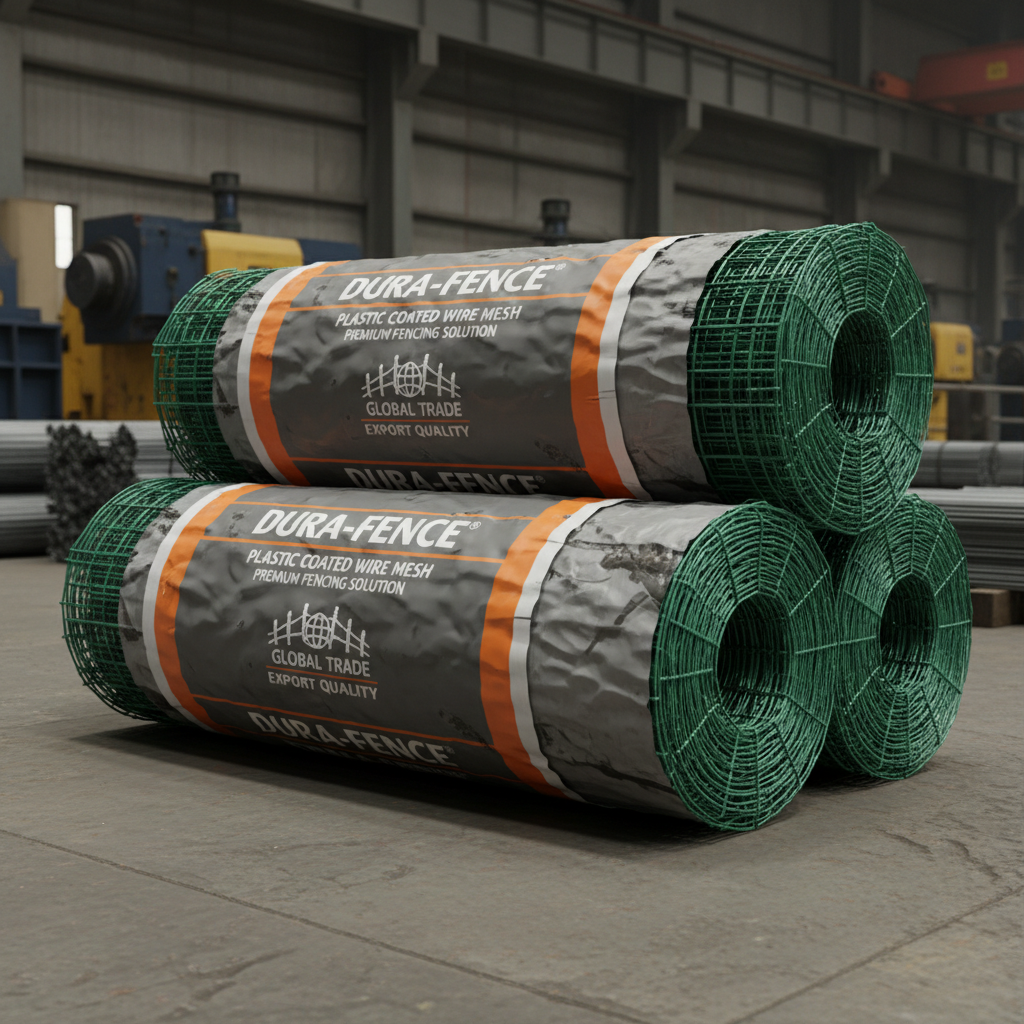
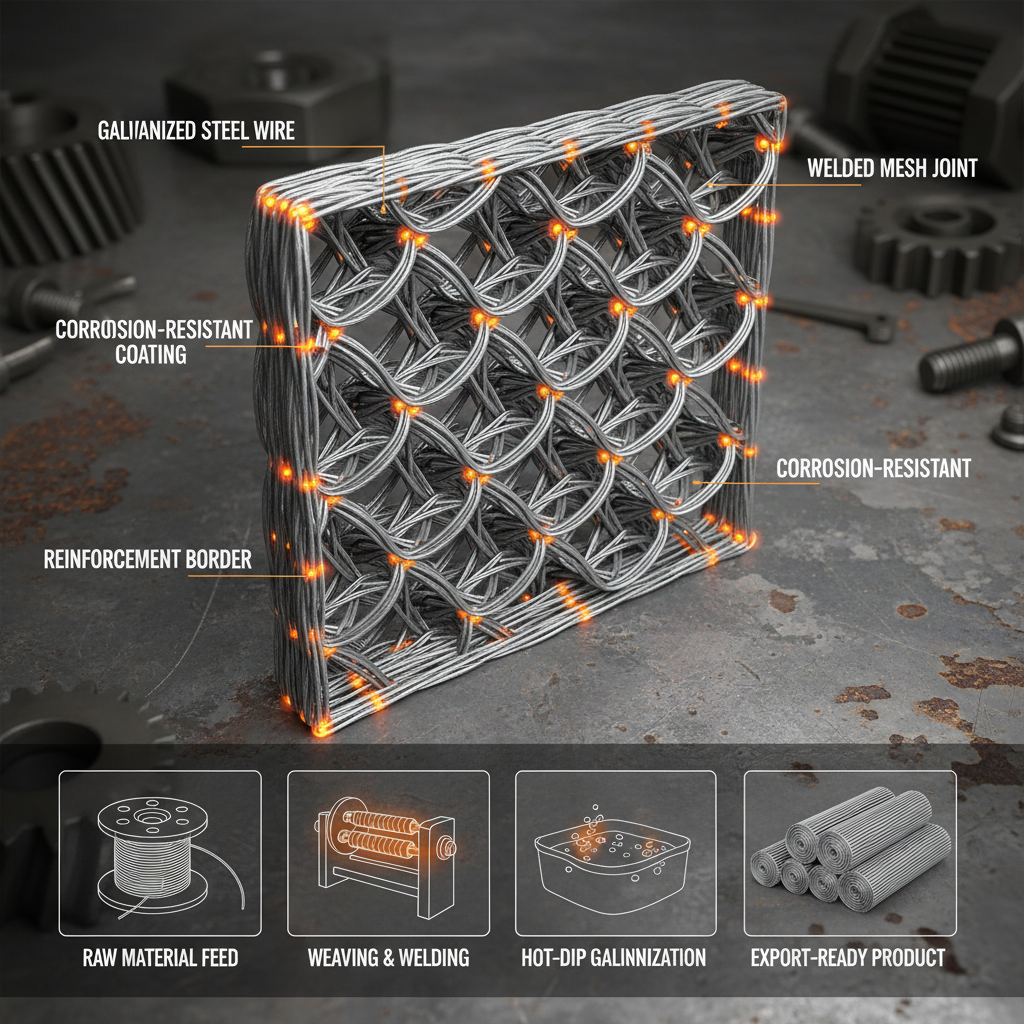
The effectiveness of a welding aluminum fence depends heavily on the quality of the raw materials. High-grade aluminum or low-carbon steel wire is typically used, often treated with hot-dip galvanization or plastic-impregnated coatings (PVC, PE, PP) to enhance anti-corrosion and anti-oxidation properties. This ensures the fence does not lose its color or structural strength when exposed to UV rays.
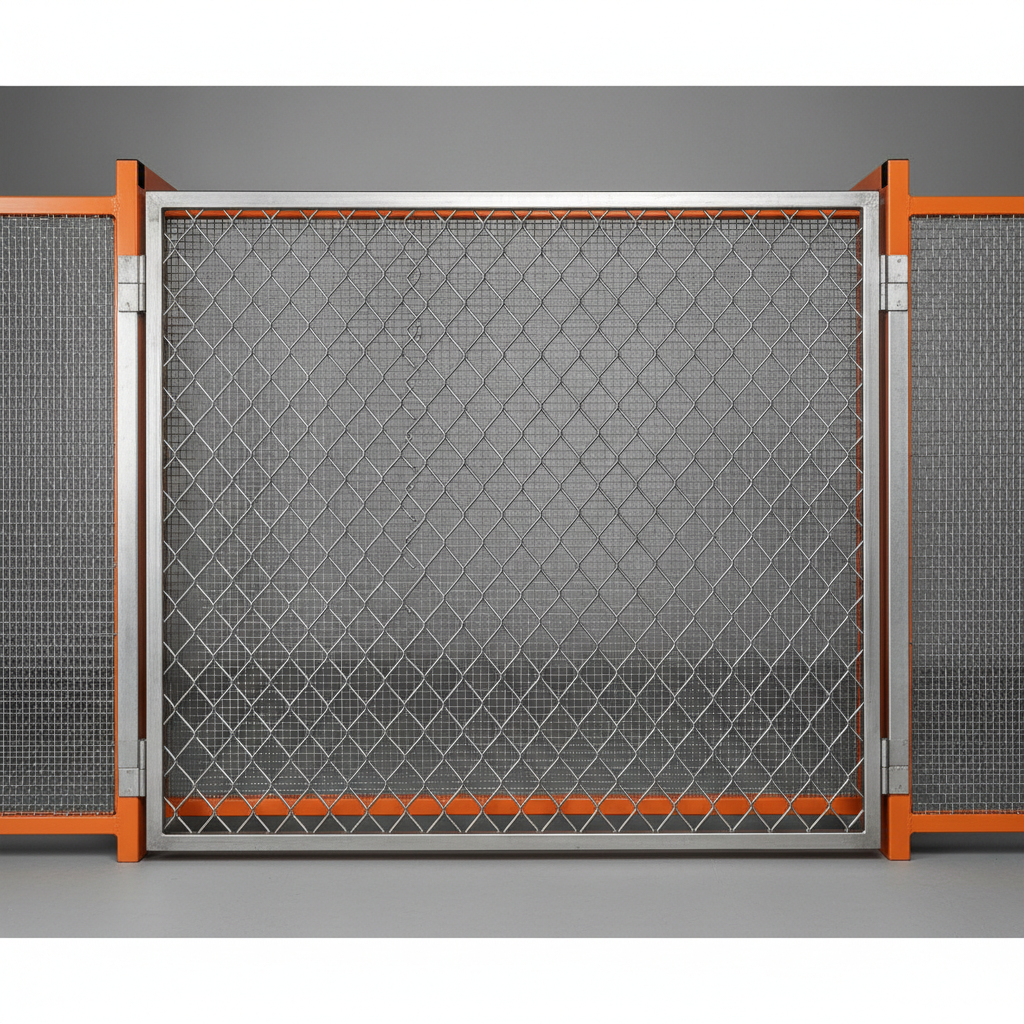
Another critical component is the precision of the weld. In a professional welding aluminum fence setup, automatic production lines are used to ensure that the mesh surface remains flat and the structure remains firm. This technical precision ensures that if a portion of the fence is cut or damaged, the rest of the structure does not unravel or collapse.
Finally, the supporting accessories play a vital role in the overall system. From upright columns made of steel pipe with dipping treatments to anti-theft bolts and rain caps, every component is designed to complement the welded mesh. The use of card connections allows for a secure fit that maximizes the stability of the entire installation.
Practical Applications Across Global Industries
The application of welding aluminum fence technology spans multiple sectors. In the construction industry, welded wire mesh is indispensable for wall insulation and anti-cracking projects, where it serves as a reinforcement layer for plastering. Similarly, in the transportation sector, these fences are used for highway guardrails and road green belt protection, providing a durable barrier that manages traffic flow and safety.
Beyond urban infrastructure, the agricultural and breeding industries rely on customized welded mesh for livestock pens and crop protection. For instance, "corn nets" are designed with specific wire diameters to provide ventilation while saving floor space, demonstrating the versatility of welded mesh in enhancing food security and animal welfare.
Performance Comparison of Welding Aluminum Fence Variants
Long-Term Value and Sustainability Benefits
Investing in a welding aluminum fence provides tangible long-term economic value by drastically reducing the need for repetitive maintenance. Because aluminum and high-grade galvanized coatings are naturally resistant to rust, the costs associated with painting and treating the fence are minimized, making it a fiscally responsible choice for large-scale industrial estates.
From a sustainability perspective, these materials are often recyclable, aligning with global green energy and environmental policies. The precision of the welding process also reduces material waste during production, ensuring that the end product is as efficient as possible without sacrificing the safety and dignity of the space it protects.
Future Innovations in Fence Welding Technology
The future of the welding aluminum fence industry is being shaped by automation and digital transformation. Robotics are now being integrated into the welding process to achieve micron-level precision, which further enhances the structural integrity and aesthetic uniformity of the mesh. This allows for the creation of complex, customized geometries that can meet the specific security needs of high-risk zones.
Furthermore, the development of new alloy compositions is making fences lighter yet stronger. We are seeing a trend toward "smart fencing," where welded structures can be integrated with sensors and IoT devices to provide real-time monitoring of perimeter breaches, transforming a passive barrier into an active security system.
Sustainability will remain a core driver, with a shift toward carbon-neutral manufacturing processes. The industry is moving toward using renewable energy to power the automatic production lines, ensuring that the safety solutions of tomorrow are created with a minimal environmental footprint.
Overcoming Technical Challenges in Fencing
Despite the advantages, the implementation of a welding aluminum fence can face challenges, such as the higher initial cost of stainless steel options compared to galvanized wire. To overcome this, engineers often employ a hybrid approach, using high-strength stainless steel in high-stress areas and plastic-impregnated welded mesh in less critical sections to balance the budget without compromising safety.
Another challenge is the potential for weld failure in extreme temperature fluctuations. This is solved by utilizing advanced heat-treatment processes and precision welding equipment that ensure the bond is flexible enough to handle thermal expansion but strong enough to resist physical impact.
Finally, logistics and installation in remote areas can be difficult. The solution lies in the adoption of modular designs and card-connection methods, which allow the fence to be shipped in sections and assembled quickly on-site, significantly reducing lead times and labor costs.
Technical Analysis of Welded Fencing Material Options
| Material Type |
Corrosion Resistance |
Structural Strength |
Typical Application |
| Galvanized Steel |
High (Hot-dip) |
Very Strong |
Industrial Sites |
| Stainless Steel |
Excellent |
Maximum |
Chemical Plants |
| PVC Coated |
Very High |
Strong |
Parks & Gardens |
| Aluminum Welded |
Excellent |
Moderate-High |
Coastal Areas |
| Low Carbon Steel |
Low (without coat) |
Strong |
Internal Partition |
| Poly-Impregnated |
High |
Strong |
Animal Breeding |
FAQS
A welding aluminum fence provides superior structural rigidity and cannot be easily sagged or pushed over compared to chain link. The welding process creates a fixed, flat surface that is more aesthetically pleasing and significantly harder to breach, as there are no loose weaves to manipulate.
Corrosion resistance is achieved through multiple methods: hot-dip galvanization for steel wires, the use of stainless steel grades (like 304 or 316), or applying high-temperature PVC, PE, or PP powder coatings. These treatments create a barrier that protects the core metal from oxidation and UV damage.
Yes, we offer extensive customization. From adjusting the mesh hole size (e.g., 60mm x 120mm) to varying the wire diameter (0.33mm to 6.0mm), we can tailor the specifications for poultry cages, livestock pens, or crop protection "corn nets" based on the animal or plant being protected.
For mass production, the average lead time is 20-30 days after receiving the deposit payment and final product approval. Samples can typically be provided within 7 days to ensure the specifications meet your exact requirements before full production begins.
Installation is streamlined using a card connection method. The welded panels are attached to upright steel columns (typically 48mm x 2mm) using connection cards and anti-theft bolts, ensuring a secure and fast assembly process that does not require specialized on-site welding.
For coastal environments, stainless steel welded wire mesh (specifically grade 316) or a welding aluminum fence approach is highly recommended. These materials naturally resist the corrosive effects of salt air, ensuring the fence does not rust or degrade over time.
Conclusion
The integration of advanced welding techniques with high-performance materials like aluminum and galvanized steel has revolutionized the perimeter security industry. By focusing on precision, corrosion resistance, and structural integrity, a welding aluminum fence provides a sustainable and reliable solution for construction, agriculture, and industrial transportation sectors. The move toward automated production ensures that these barriers are not only strong enough to withstand physical pressure but also versatile enough to meet a wide array of global specifications.
As we look toward the future, the continued evolution of smart materials and robotic welding will further enhance the value of these systems. For businesses and homeowners alike, investing in a high-quality welded fencing solution is an investment in safety, longevity, and peace of mind. We encourage you to explore our range of professional mesh solutions to find the perfect fit for your security needs. Visit our website: www.fencingwiremesh.com