
When securing high-risk perimeters, the choice of fencing is rarely about simple boundaries and more about delaying unauthorized entry. For facility managers and security engineers, identifying reliable prison mesh 358 suppliers is the first step in establishing a credible deterrent against climbing and cutting attempts.
Known for its extremely tight aperture and high-strength steel construction, 358 mesh—often referred to as "anti-climb" or "prison mesh"—is engineered specifically to eliminate finger-holds and toe-holds. This design philosophy shifts the security focus from mere detection to physical prevention, making it a global standard for correctional facilities, airports, and critical infrastructure.
However, the efficacy of such a system depends not only on the product specifications but on the manufacturing precision and the supplier's ability to provide integrated solutions. Understanding the technical nuances of 358 mesh helps buyers distinguish between generic welded wire and true high-security security fencing.

Defining the Standard of 358 Anti-Climb Mesh

The term "358" is not a random designation but a technical reference to the mesh aperture: 3" x 0.5" x 8 gauge. This specific configuration is designed to make the fence virtually impossible to climb using hands or feet, as the gaps are too small to provide a grip. This distinguishes it from standard chain link or 3D fencing, which often leave larger openings that can be exploited by determined intruders.
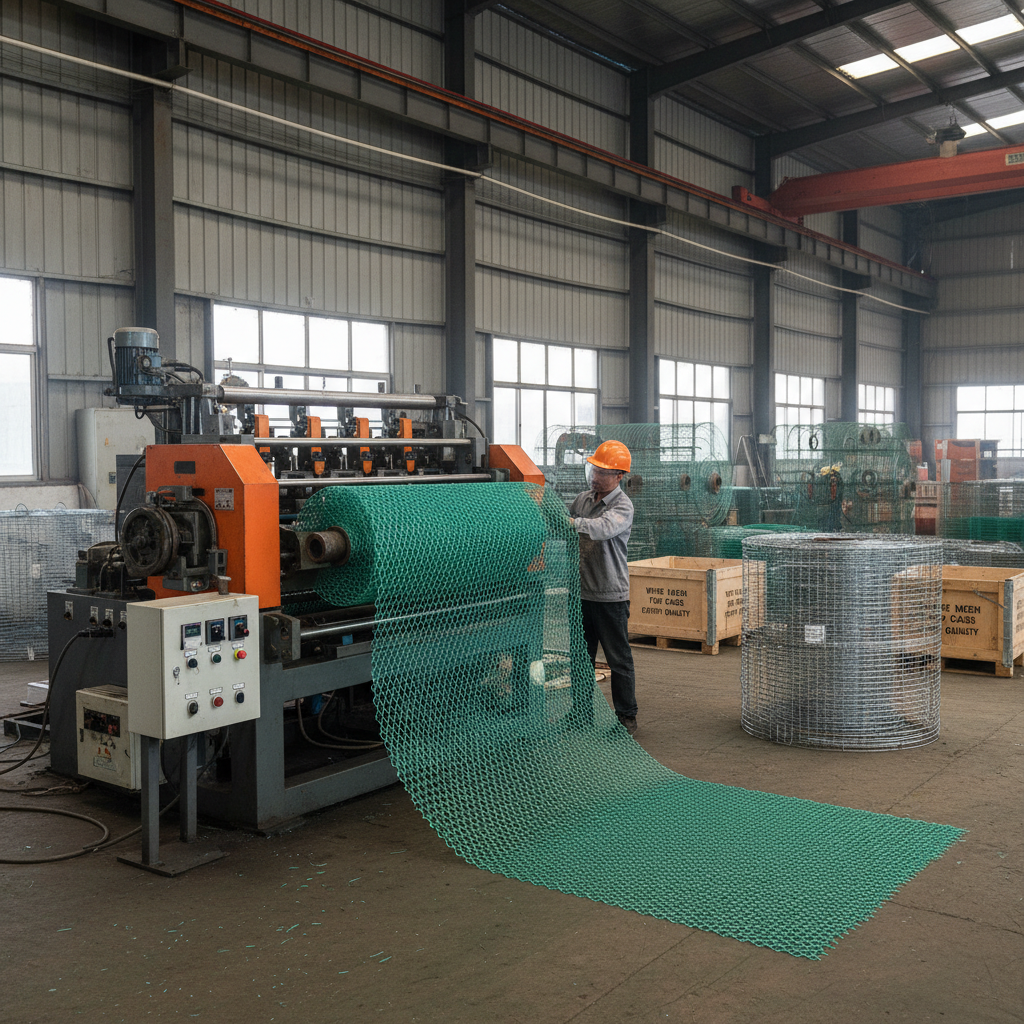
From a manufacturing perspective, this mesh is produced through precision automated welding. The integrity of the weld at every intersection is critical; a single weak point can be a vulnerability. High-quality suppliers utilize hot-dip galvanization or PVC coating to ensure the steel resists corrosion in harsh external environments, extending the lifecycle of the installation.
For those searching for prison mesh 358 suppliers, it is essential to realize that the product is a specialized tool. It is not merely a "fence" but a structural barrier that integrates seamlessly with other security layers, such as razor wire or electronic intrusion detection systems (PIDS), to create a comprehensive security envelope.
Technical Engineering Behind High-Security Mesh Architecture
The effectiveness of 358 mesh lies in its material composition and the mechanical bond of its wires. Typically constructed from high-carbon steel, the mesh utilizes a tight weave that resists not only climbing but also cutting. While standard pliers might penetrate a wide-gap fence, the density of the 358 pattern requires specialized, heavy-duty tools and significant time to breach, thereby increasing the probability of detection.
Coating technologies play a pivotal role in durability. Hot-dip galvanization provides a metallurgical bond that protects the steel from oxidation. For environments with higher salinity or chemical exposure, PVC-coated options are preferred, as they provide an additional polymer shield that prevents the underlying metal from degrading over decades of service.
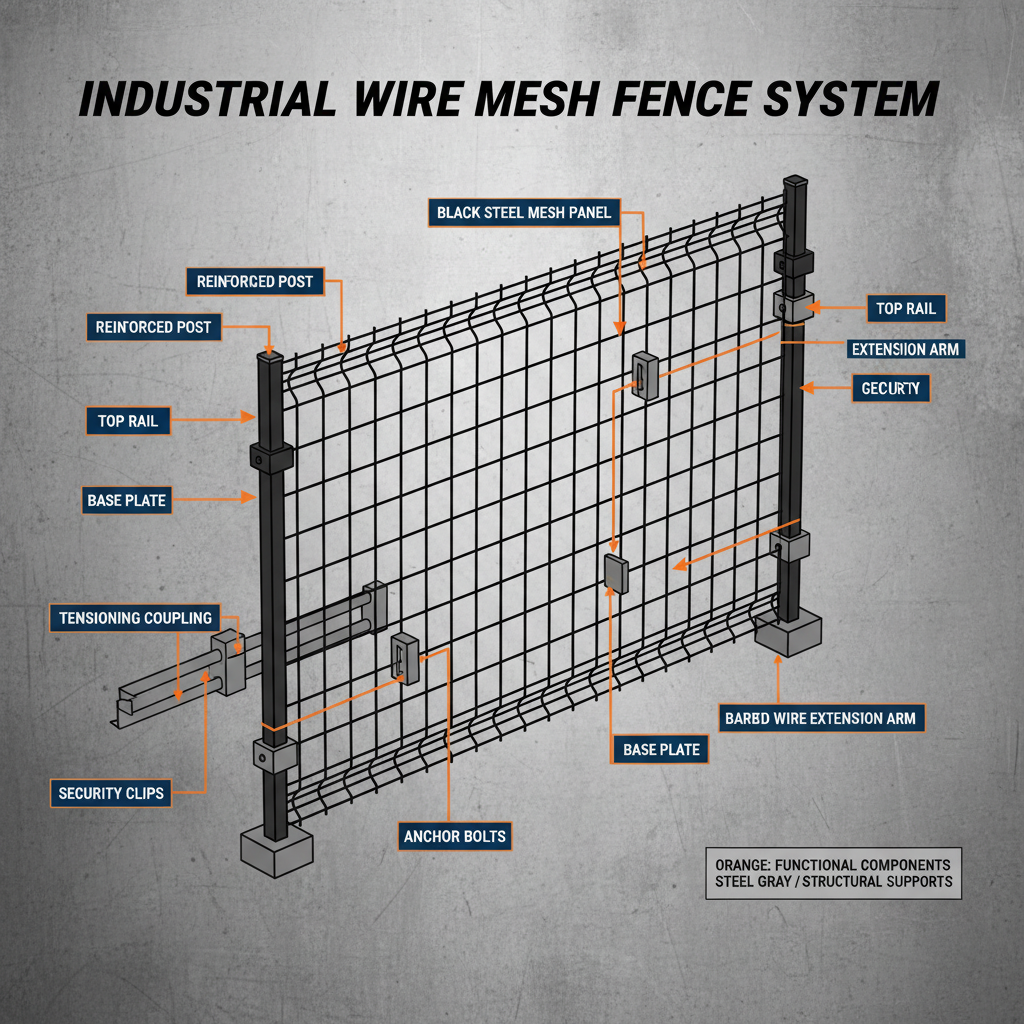
Furthermore, the structural rigidity of the panels is enhanced by the use of reinforced upright columns and anti-theft bolts. By ensuring that the panels cannot be easily unscrewed or pried away from the posts, the system maintains its integrity as a monolithic wall of steel, rather than a collection of individual parts.
Critical Application Scenarios for High-Security Fencing
The deployment of 358 anti-climb mesh is concentrated in sectors where a security breach could result in catastrophic loss or threat to life. Correctional facilities are the primary application, where the mesh prevents inmates from escaping or unauthorized persons from entering. The psychological deterrent of the "impenetrable" wall is as important as the physical barrier itself.
Beyond prisons, this technology is critical for protecting electrical substations and water treatment plants. In these environments, the mesh prevents vandalism and theft while allowing for clear visibility—a key requirement for security patrols and CCTV monitoring. Unlike solid walls, 358 mesh doesn't create blind spots, ensuring that guards can see exactly what is happening on the other side of the perimeter.
Transportation hubs, such as airport runways and railway yards, also utilize this fencing to manage high-traffic areas that require strict access control. When combined with Concertina Razor Wire or Welded Razor Mesh, the 358 system provides a multi-tiered defense that satisfies stringent international aviation and transit security standards.
Comparative Performance Metrics of Security Wire Mesh
Evaluating the performance of different fencing types requires looking at specific security indicators: climb resistance, cut resistance, visibility, and corrosion life. While standard chain link fences offer low cost, they fail significantly in climb resistance due to larger apertures. In contrast, 358 mesh is engineered to maximize these security dimensions.
The following data represents a relative performance comparison between standard industrial fencing and high-security 358 mesh systems, focusing on the ability to delay an intruder and the longevity of the material in external conditions.
prison mesh 358 suppliers Performance Metrics
As illustrated, the significant leap in "Climb Resistance" and "Cut Delay" makes 358 mesh the logical choice for high-risk zones. While the initial investment may be higher than simple wire mesh, the reduction in risk and the lower long-term maintenance costs provide a superior return on security investment.
Procurement Framework for Selecting Reliable Mesh Suppliers
When vetting prison mesh 358 suppliers, procurement officers must look beyond the price per meter. The quality of the welding is the most critical variable. Poorly welded joints can be snapped with minimal force, rendering the "anti-climb" feature useless. A reliable supplier should provide certification of the steel grade and the galvanization thickness (microns).
Another key consideration is the supplier's capacity for customization. High-security projects rarely use standard lengths; they require specific panel heights, customized post-spacing, and integrated accessories like rain caps and anti-theft bolts. A manufacturer with a professional design team can optimize the layout to eliminate gaps at the base or corners.
Finally, verify the lead times and logistics capabilities. Large-scale security projects have strict deadlines. A supplier who can manage the production of massive quantities—such as those with advanced automatic mechanical technology—is more likely to maintain consistency across thousands of panels, ensuring that the first panel is as strong as the last.
Future Trends in Perimeter Security and Material Science
The evolution of security fencing is moving toward "smart perimeters." We are likely to see 358 mesh integrated with fiber-optic sensing cables that can detect the exact vibration of a cutting tool or a climbing attempt in real-time. This transforms the fence from a passive barrier into an active sensor network.
Material science is also advancing. The introduction of hybrid coatings—combining the corrosion resistance of galvanization with the aesthetic and ultraviolet protection of high-grade polymers—is expected to increase the lifespan of fences in extreme climates. New alloy steels may further improve the strength-to-weight ratio, making installation faster without compromising security.
Furthermore, the industry is shifting toward modular installation systems. These systems could allow for rapid deployment in emergency zones or temporary high-security sites, where the 358 mesh can be bolted together using rapid-lock mechanisms, reducing labor costs while maintaining the same level of anti-climb protection.
Solution Selection Guide for High-Risk Perimeters
Selecting the right security mesh depends on the specific threat profile of the site. A site facing high vandalism risks requires different specifications than a site facing organized intrusion attempts. The following table helps categorize the appropriate product based on the security objective and environment.
By aligning the product type with the operational environment, facility managers can avoid over-spending on unnecessary specifications while ensuring that critical vulnerabilities are fully addressed.
| Security Objective | Recommended Mesh Type | Key Technical Driver | Ideal Environment |
|---|---|---|---|
| Max Anti-Climb | 358 Anti-Climb Mesh | Tight 76.2x12.7mm Aperture | Prisons & Data Centers |
| Cut Deterrence | Welded Razor Mesh | Integrated Razor Blades | Military Installations |
| General Perimeter | 3D Welded Mesh | V-Bend Structural Rigidity | Industrial Warehouses |
| Corrosion Resistance | PVC Coated 358 Mesh | Polymer Protective Layer | Coastal Facilities |
| Temporary Security | Chain Link + Razor Wire | Rapid Deployment Speed | Construction Site Perimeters |
| High-Impact Barrier | Expanded Metal Fence | Diamond-Pattern Strength | Heavy Industrial Zones |
For comprehensive project planning, it is recommended to consult with a specialized manufacturer. Those evaluating these solutions can review the detailed product ranges and technical specifications available through www.fencingwiremesh.com to ensure the selected mesh meets the required security grade.
Frequently Asked Questions
Conclusion
The selection of high-security fencing is a critical decision that impacts the overall safety and liability of a facility. Prison mesh 358 remains the gold standard for anti-climb protection because it addresses the fundamental mechanics of unauthorized entry. By removing the physical points of leverage, it forces intruders to spend more time and effort to breach a perimeter, thereby granting security teams the most valuable asset in any crisis: time.
Ultimately, the success of a security installation depends on the synergy between high-quality materials and professional procurement. Whether protecting a correctional facility or critical energy infrastructure, prioritizing technical precision and supplier reliability ensures that the perimeter remains an impenetrable asset rather than a vulnerability. For those seeking tailored high-security fencing solutions, visiting www.fencingwiremesh.com can provide the technical insight needed to make an informed decision.