
0%

Table of Contents

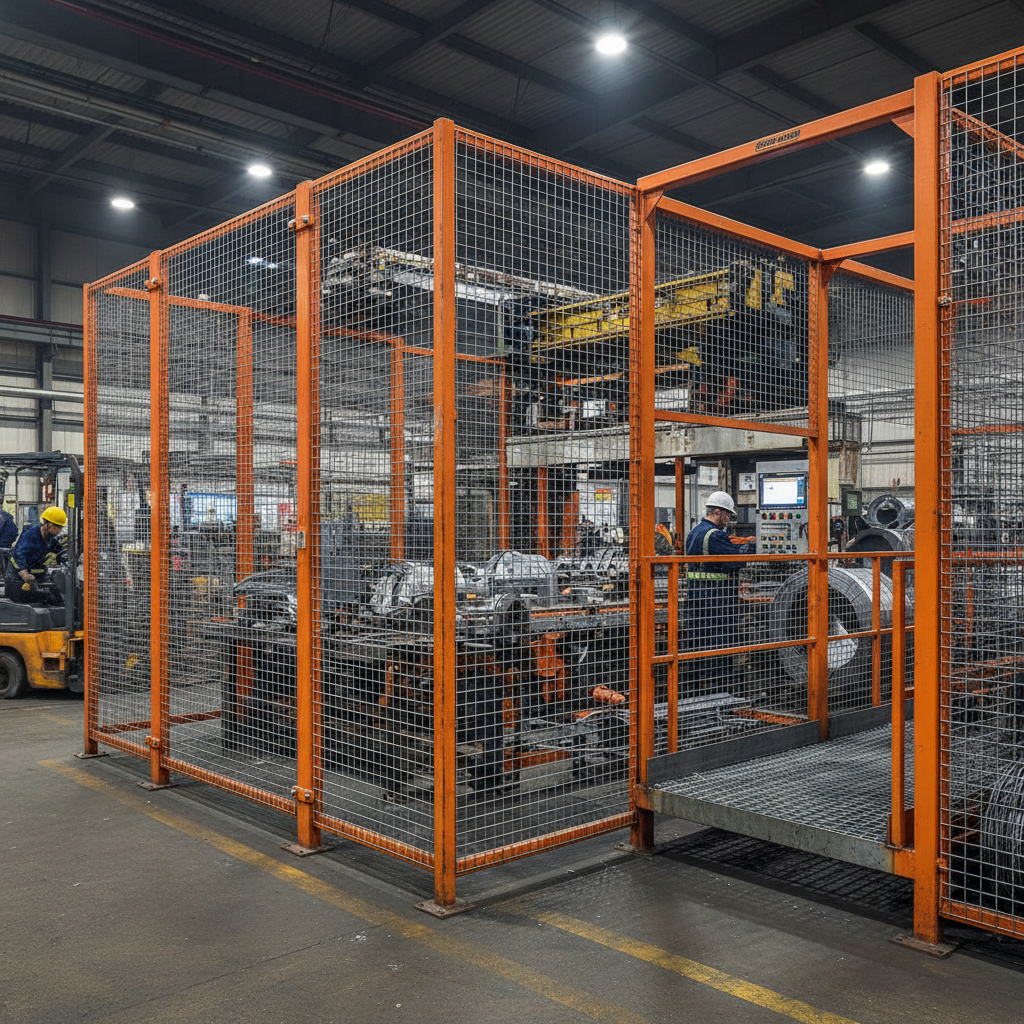
Honestly, the whole industry's been going crazy for prefabrication lately. Everyone's talking about modular designs, quick assembly, you name it. Seems like everyone's trying to build things faster, cheaper. But I've seen a lot of these "quick" solutions end up being a headache on-site, you know? Especially when it comes to metal fencing – it’s not just slapping some posts in the ground anymore. It's about figuring out the whole system, from the posts to the wire mesh, the gates, the hardware. It’s a whole ecosystem.

Have you noticed how everyone's obsessed with 'clean' designs? All minimalist, sleek lines. Looks great on the renderings, totally impractical for a real jobsite. I was at that new logistics park in Shanghai last month, and their architect specified these fancy, hidden fasteners. Hidden fasteners! Try getting those undone with a rusty wrench in the pouring rain. It's a nightmare, I tell ya. Anyway, I think a good design should prioritize ease of installation and maintainability over aesthetics – always.

And speaking of installation, it all comes down to the materials. We mostly work with galvanized steel, obviously. It’s the workhorse of the fencing world. The smell of fresh galvanization, that slightly metallic tang… it’s a smell I’ve come to associate with a job well done. Sometimes we use stainless steel for coastal projects, but that stuff is pricey, and honestly, the difference in corrosion resistance isn’t always worth the extra cost. It feels different too – slicker, smoother than the galvanized stuff. You gotta wear gloves with stainless, it gets fingerprints all over it.
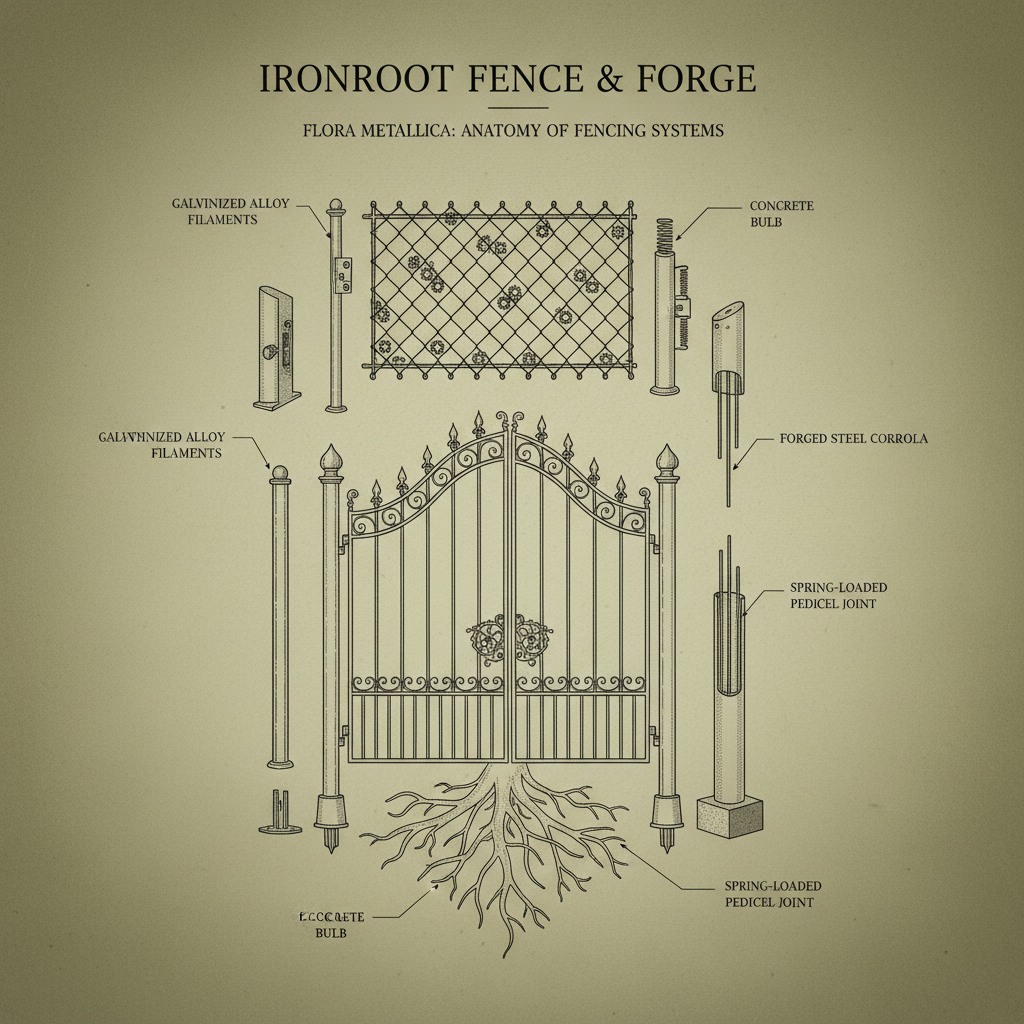
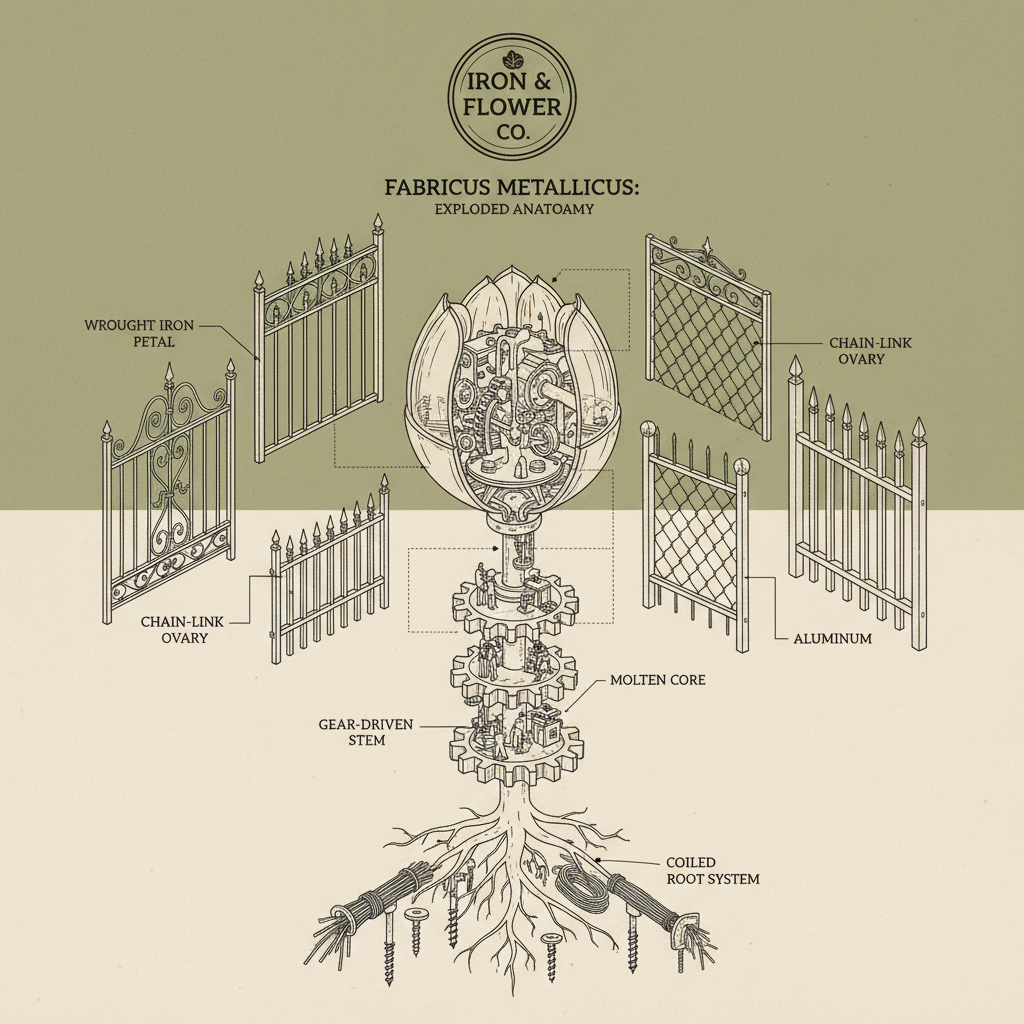
Navigating Metal Fence Solutions A Comprehensive Guide from a Supply Company

Industry Trends and Design Pitfalls

Navigating Metal Fence Solutions A Comprehensive Guide from a Supply Company

To be honest, everyone’s chasing this idea of "smart" fencing now. Integrated sensors, remote control gates, the whole nine yards. It’s… ambitious. I saw a prototype at a trade show that was supposed to detect intrusions and send alerts to your phone. It failed spectacularly when a stray dog triggered the alarm. It's a lot of extra complexity that adds cost and potential points of failure. Strangel,y enough, people still just want a solid, reliable barrier that keeps things in or out.

I encountered this at the Xinyu factory last time - they were pushing a new coating that supposedly extended the lifespan of the steel by 50%. Looked good in the lab tests, but when I asked about real-world applications, the engineer just shrugged. He hadn’t even seen it installed. That's the problem. Lab tests are one thing, but they don’t simulate a construction site in a typhoon.

Material Selection: A Hands-On Perspective

You really get a feel for the quality of the steel just by handling it. Cheap steel feels… flimsy, you know? It bends too easily. Good steel has a weight to it, a solidness. And the weld points are crucial. You need a smooth, consistent weld. A dodgy weld is just asking for trouble. We always insist on visual inspection and bend tests on all our welds before anything leaves the yard. It’s extra work, but it saves headaches later.

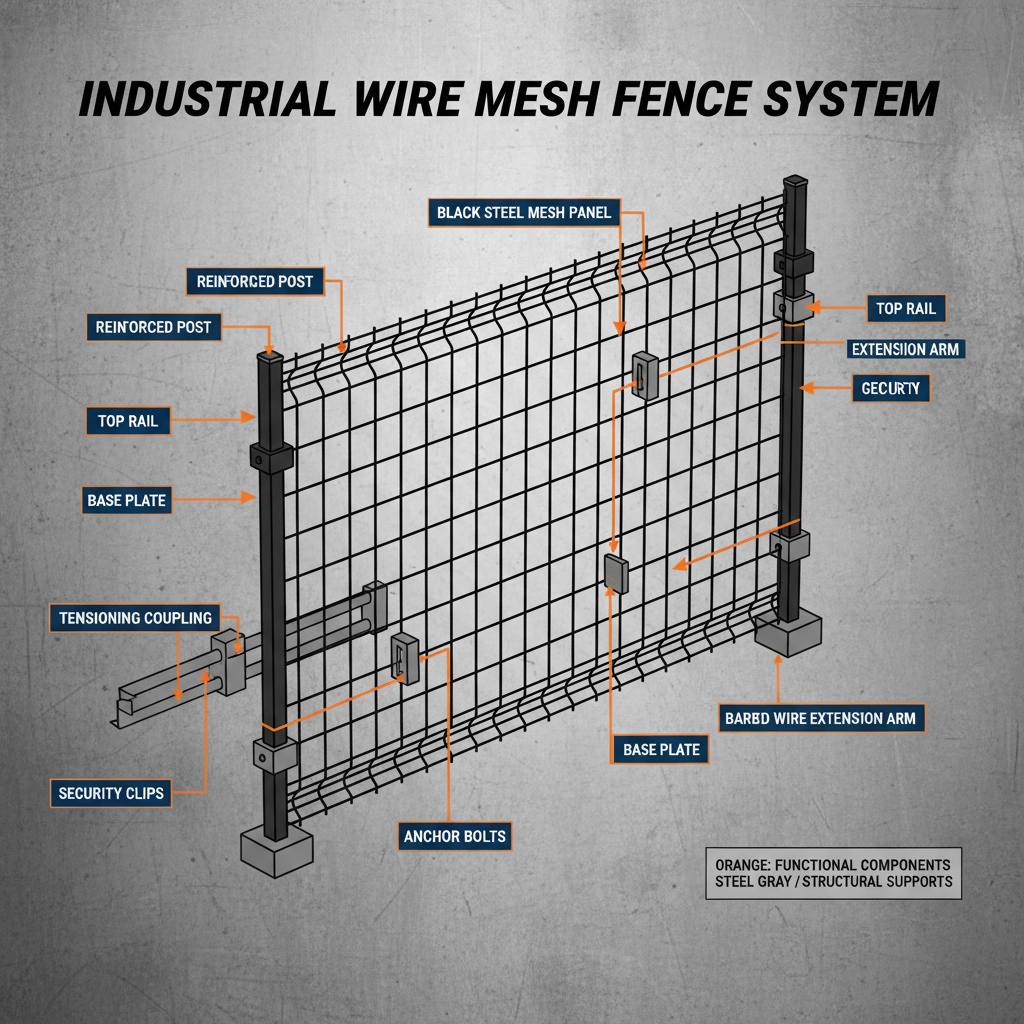
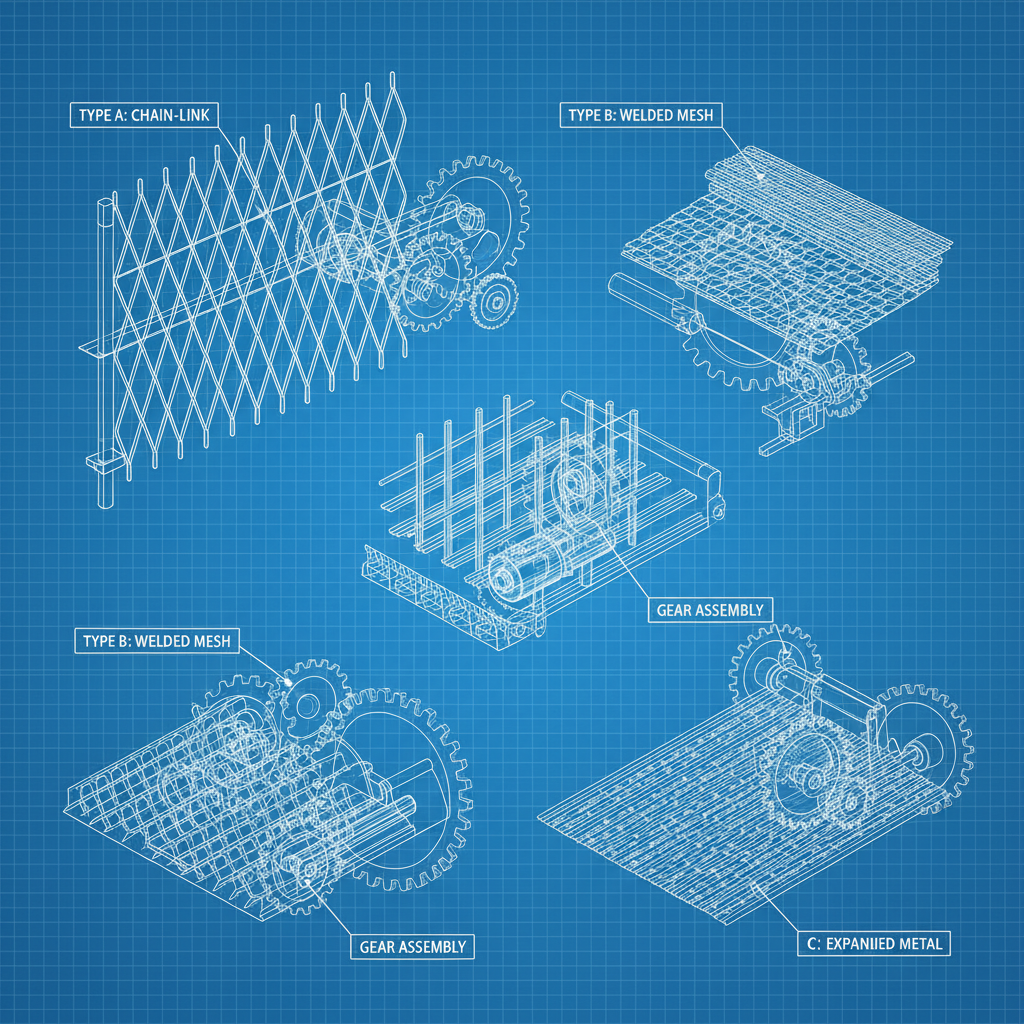
The wire mesh itself is another story. We use a variety of gauges and patterns, depending on the application. Chain link is still popular for security, but it’s starting to look a little dated. Welded wire mesh is becoming more common, especially for landscaping and animal enclosures. It's stronger, more uniform, and looks a bit cleaner. But it's also more expensive.

And don’t even get me started on the different types of coatings. PVC coating adds a layer of protection and a bit of color, but it can crack and peel over time. Powder coating is more durable, but it’s also more expensive and can chip if it gets damaged. It’s always a trade-off, isn’t it?

Real-World Testing and Quality Control

Forget those fancy lab tests. The real test is putting it up on a jobsite and letting the weather and the workers beat on it. We do a lot of field testing, setting up small sections of fencing in exposed areas and monitoring them over time. We check for corrosion, fatigue, and general wear and tear. You learn a lot just by watching how things hold up under real-world conditions.

We also have a pretty strict quality control process at our fabrication facility. Every post is inspected for straightness and weld integrity. Every panel of mesh is checked for proper dimensions and coating thickness. It’s tedious work, but it’s essential. We had a batch of posts a few years ago that were slightly out of spec, and it caused all sorts of problems on-site. Cost us a fortune in rework. Learned our lesson.

We even have a "stress test" where we literally try to break the fencing. Not in a destructive way, of course. We use a hydraulic jack to apply pressure to the posts and see how much they deflect. It gives us a good indication of their load-bearing capacity. It's a bit crude, but effective.

User Application and Unexpected Use Cases

You’d be surprised how people use fencing. It's not always about security or containment. Sometimes it’s about privacy. Sometimes it’s about aesthetics. I've seen people use it to create vertical gardens, to support climbing plants, even to build makeshift art installations.

I remember one project where a client wanted to use our fencing to create a sound barrier along a busy highway. It worked surprisingly well. The mesh actually helped to dissipate the noise. We had to add some extra bracing to handle the wind load, but overall, it was a successful application.

metal fence supply company Performance Metrics


Advantages, Disadvantages, and Customization Options

The biggest advantage of metal fencing is its durability. It can withstand a lot of abuse and last for years with minimal maintenance. It’s also relatively affordable, especially compared to other fencing materials like wood or stone. But it can be prone to corrosion if it’s not properly protected, and it can get hot in the sun. That's a real problem in some climates.

Customization is definitely possible. We can adjust the height, width, and gauge of the mesh to meet specific requirements. We can also add different types of gates, locks, and access control systems. Just last week, a customer wanted a section of fencing that incorporated a dog door. Took a bit of extra work, but we got it done.

A Customer Story: The Fiasco

Last month, that small boss in Shenzhen who makes smart home devices insisted on changing the interface to . Not for the fencing itself, mind you, but for the gate opener. He wanted a “modern” look. Said USB was “old technology”. The result was a complete disaster. The connector kept failing, the gate opener stopped working, and he was furious. He ended up having to switch back to USB, and he lost a week of production time. Seriously, some people…

He insisted it was all about the aesthetic, the “seamless integration” with his smart home ecosystem. I tried to explain to him that a robust, reliable connection was more important than a fancy port, but he wouldn’t listen. Lesson learned: sometimes you just have to let people make their own mistakes.

Anyway, I think he's looking for a new fencing supplier now.

Key Performance Indicators for Metal Fence Systems

Material Type Corrosion Resistance (1-10) Installation Difficulty (1-10) Cost per Meter
Galvanized Steel 7 3 $25
Stainless Steel 9 4 $50
Welded Wire Mesh (Galvanized) 6 2 $20
Chain Link (Galvanized) 5 3 $15
PVC Coated Steel 6 3 $30
Aluminum 8 5 $40

FAQS

What’s the best type of metal fence for saltwater environments?

Honestly, stainless steel is your best bet if you’re close to the ocean. Galvanized steel will corrode pretty quickly. It’s expensive, yes, but replacing a rusted fence every few years will cost you more in the long run. Make sure it’s a marine-grade stainless, though, not just any stainless. We also recommend adding a sacrificial anode to further protect it. It's the small details that make all the difference.

How do I properly prepare the ground for fence post installation?

This is crucial. You need a solid foundation. Digging a deep enough hole is just the start. You need to compact the soil at the bottom of the hole, and then add a layer of gravel for drainage. I've seen too many fences fall over because the ground wasn't properly prepared. And don't forget to check for underground utilities before you start digging! That's a non-negotiable.

What’s the typical lifespan of a galvanized steel fence?

With proper maintenance, a galvanized steel fence can last 20-30 years, easily. But it depends on the environment. Coastal areas and industrial sites will shorten the lifespan. Regular inspection and touch-up painting are key. Keep an eye out for rust spots and address them immediately. A little bit of preventative maintenance can save you a lot of money in the long run.

Can metal fencing be used for soundproofing?

It can, surprisingly. A solid metal fence will block some sound waves. Adding a layer of sound-absorbing material to the inside of the fence can significantly improve its soundproofing capabilities. We did a project where a client used our fencing to create a sound barrier along a highway, and it worked quite well. It’s not going to eliminate all the noise, but it can make a noticeable difference.

What kind of maintenance is required for a metal fence?

Mostly visual inspection. Look for rust spots, loose hardware, and damaged mesh. Touch up any rust with a rust-inhibiting paint. Tighten any loose bolts or screws. And occasionally wash the fence down to remove dirt and grime. It's not a lot of work, but it will keep your fence looking good and functioning properly for years to come. Honestly, just give it a little TLC.

What are the common installation mistakes to avoid?

Don’t skimp on the post depth. Don't use cheap fasteners. Don't ignore underground utilities. And for goodness sake, don’t try to install a fence in high winds! Seriously, those are the biggest mistakes I see. And make sure the posts are perfectly plumb. A crooked fence looks terrible and won't last as long. Take your time and do it right.

Conclusion

So, there you have it. Metal fencing is a surprisingly complex topic. It's not just about buying some posts and wire mesh. It's about understanding the materials, the installation process, the environmental factors, and the specific needs of the application. And honestly, it’s about recognizing that a flashy design isn’t always the best design.

Ultimately, whether this thing works or not, the worker will know the moment he tightens the screw. They'll know if the post is solid, if the mesh is taut, if the gate swings smoothly. That’s the real test. If you want to learn more about finding the right metal fencing for your needs, visit our website: www.fencingwiremesh.com.

Michael Johnson

Michael Johnson

Michael Johnson is the Quality Control Supervisor at Anping Tangren Wire Mesh Products Co., Ltd. He oversees all aspects of production, ensuring that our metal fences meet stringent international standards. With a background in materials science and a keen eye for detail, Michael is responsible for maintaining the quality of
Previous Evaluating Steel Fencing Manufacturers Quality and Practical Considerations
Next Expert Insights from Metal Fence Manufacturers on Trends and Challenges

If you are interested in our products, you can choose to leave your information here, and we will be in touch with you shortly.