Steel wire mesh fencing – it's more than just wire and posts, believe me. I’ve spent years on sites, wrestling with different materials, and you quickly learn what holds up and what doesn’t. This isn’t about pretty pictures; it’s about security, efficiency, and, frankly, keeping projects on schedule. We're talking about a foundational element for site security, crowd control, and material containment, touching everything from massive infrastructure projects to disaster relief. Understanding its strengths and limitations is crucial for anyone involved in construction or event management.
Globally, the demand for robust and adaptable fencing solutions is skyrocketing. The UN estimates over 79.5 million people are forcibly displaced worldwide – that's a lot of need for temporary, rapidly deployable shelters and security perimeters. Combine that with increasing infrastructure spending in developing nations, driven by initiatives like the Belt and Road Initiative, and you see a massive surge in demand. The World Bank projects over $1 trillion in infrastructure investment in Africa alone over the next decade. Steel wire mesh fencing addresses a critical need in these scenarios: providing secure, cost-effective, and easily transportable boundary solutions.
At its core, steel wire mesh fencing is a woven or welded grid of steel wires, forming a barrier. It's a surprisingly simple concept, but the variations are immense. It’s not just about keeping people out; it's about defining spaces, managing flow, and protecting assets. It's a far cry from the ornamental stuff you see around gardens. This is heavy-duty, designed for real-world conditions. Modern applications extend far beyond traditional perimeter security, playing a vital role in disaster response and rapid infrastructure development where speed and efficiency are paramount.
The Fundamentals of Steel Wire Mesh Fencing
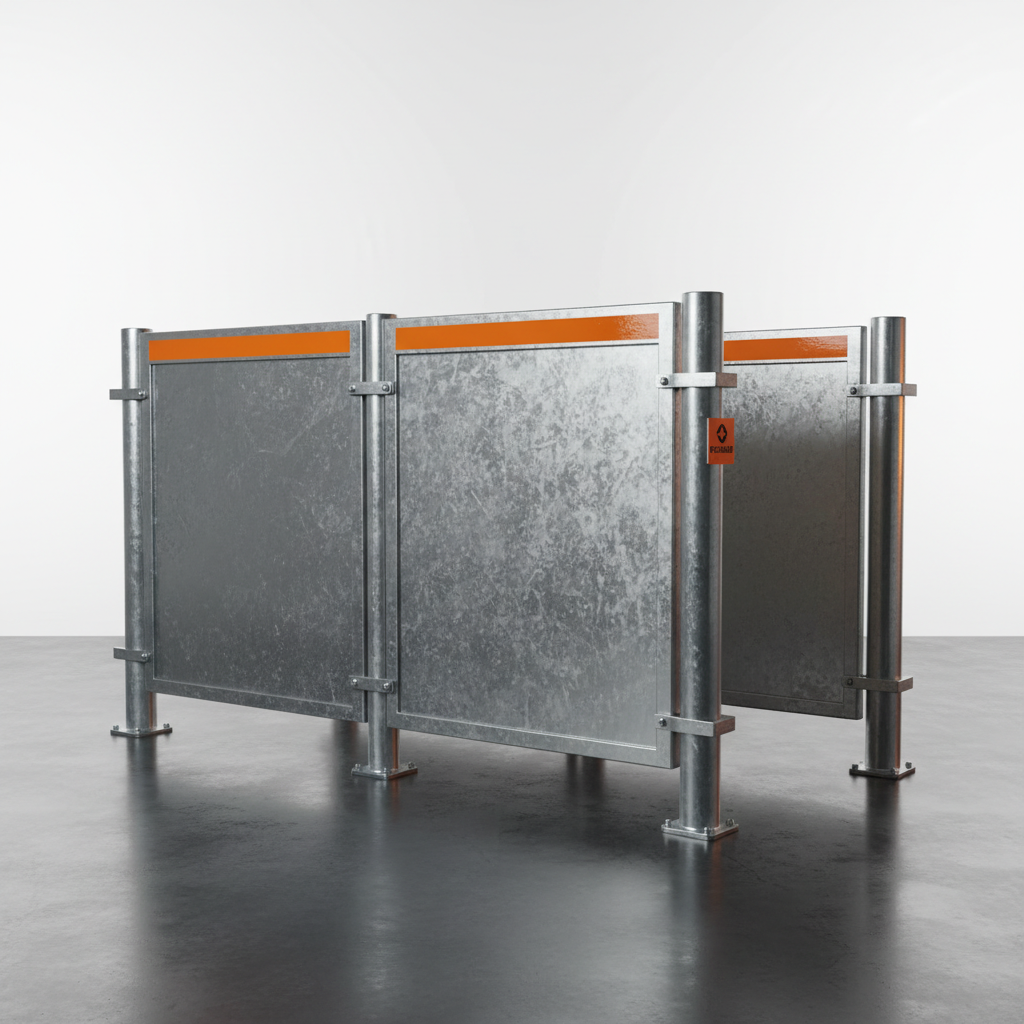
Durability is the name of the game. I’ve seen galvanized steel mesh survive years of harsh weather and constant abuse. The wire gauge, the weave pattern – those are critical specs. Thicker wire and tighter weaves mean a more robust barrier. You also need to consider the coating. Galvanization is standard, but powder coating adds an extra layer of protection against corrosion and can even be color-coded for different zones on a site. It's an investment in longevity.
Scalability is another huge advantage. You can easily adjust the height and length of a steel wire mesh fence to fit any space. Need to expand a perimeter? Just add more sections. Temporary fencing systems, especially those with adjustable feet, are incredibly versatile. I've seen crews erect kilometers of fencing in a matter of days, adapting to changing site conditions on the fly.
Global Relevance and Industry Context
The construction industry is booming globally, particularly in Asia and Africa. This drives demand for secure and efficient site boundaries. Steel wire mesh fencing provides a cost-effective solution for protecting valuable materials, equipment, and personnel. It’s a proactive measure against theft and vandalism that quickly pays for itself. Consider the implications for large-scale infrastructure projects where security breaches can lead to significant delays and financial losses.
Beyond construction, the humanitarian sector relies heavily on this type of fencing. Refugee camps and disaster relief zones require rapid deployment of secure perimeters for safety and crowd control. The ease of transport and installation is a lifesaver in these situations. We’re talking about creating safe havens quickly, often in challenging environments. steel wire mesh fencing is a critical component in these efforts.
The ISO 9001 standard for quality management systems is increasingly important in the fencing industry. Manufacturers who adhere to these standards demonstrate a commitment to consistent product quality and customer satisfaction. This is particularly crucial when dealing with large-scale projects where compliance and reliability are non-negotiable. It's not just about the wire; it's about the entire process, from sourcing materials to final inspection.
Defining Steel Wire Mesh Fencing
Simply put, steel wire mesh fencing creates a physical barrier using interwoven or welded steel wires. But it’s evolved. It’s not the flimsy stuff your grandpa used. Modern variants include chain-link, welded wire mesh, and crimped wire mesh, each offering different strengths and applications. Chain-link is the classic, providing a good balance of cost and security. Welded wire mesh is more rigid and often used for animal enclosures or high-security applications.
Its connection to modern industry and humanitarian needs is undeniable. From securing construction sites to protecting critical infrastructure and providing safe zones in crisis situations, it's a versatile tool. It’s a readily available resource that can be deployed rapidly and adapted to various terrains and conditions. This makes it a go-to solution for project managers and aid organizations alike.
The beauty is in its adaptability. You can easily add features like barbed wire or razor wire for increased security, or attach shade cloth for privacy or sun protection. You can even integrate it with access control systems for a more sophisticated security solution. It's a system that can be tailored to meet specific needs.
Core Components and Key Factors
Let’s talk specifics. Wire gauge is critical – the lower the number, the thicker the wire. 14-gauge is common for temporary fencing, while 9-gauge or lower is preferred for high-security applications. The mesh opening size also matters. Smaller openings provide greater security but can be more expensive. Post spacing and depth are equally important. Posts need to be securely anchored to withstand wind loads and potential impact.
Then there’s the coating. Galvanization is a must for corrosion resistance. Powder coating adds another layer of protection and allows for color customization. The type of fastening system – hog rings, tie wires, or clamps – also impacts the overall strength and durability of the fence. It all adds up.
Performance Metrics for Steel Wire Mesh Fencing Methods
Real-World Applications and Use Cases
In post-disaster relief operations, steel wire mesh fencing is invaluable. It provides immediate perimeter security for aid distribution centers and temporary shelters, helping to maintain order and protect resources. I’ve seen it deployed within hours of a crisis, creating safe zones in chaotic environments.
In remote industrial zones – think mining camps or oil fields – it’s used to secure valuable equipment and protect personnel from unauthorized access. The ability to quickly erect a robust perimeter is critical in these locations. It's about mitigating risk and ensuring operational continuity.
Advantages and Long-Term Value
The cost-effectiveness of steel wire mesh fencing is undeniable. Compared to concrete walls or other permanent barriers, it’s a fraction of the price. But it’s not just about initial cost; it’s about the total cost of ownership. Its durability and low maintenance requirements translate to long-term savings. It’s a smart investment.
The social impact is also significant. Providing secure environments fosters a sense of safety and well-being, particularly in vulnerable communities. It contributes to stability and allows for the delivery of essential services. It's about more than just keeping people out; it's about protecting people within.
Future Trends and Innovations
We're seeing a growing trend towards "smart fencing" – integrating sensors and surveillance technology into the mesh itself. This allows for real-time monitoring of perimeter breaches and provides early warning alerts. It's a game-changer for security. There's also increasing research into new coating materials that offer even greater corrosion resistance and durability.
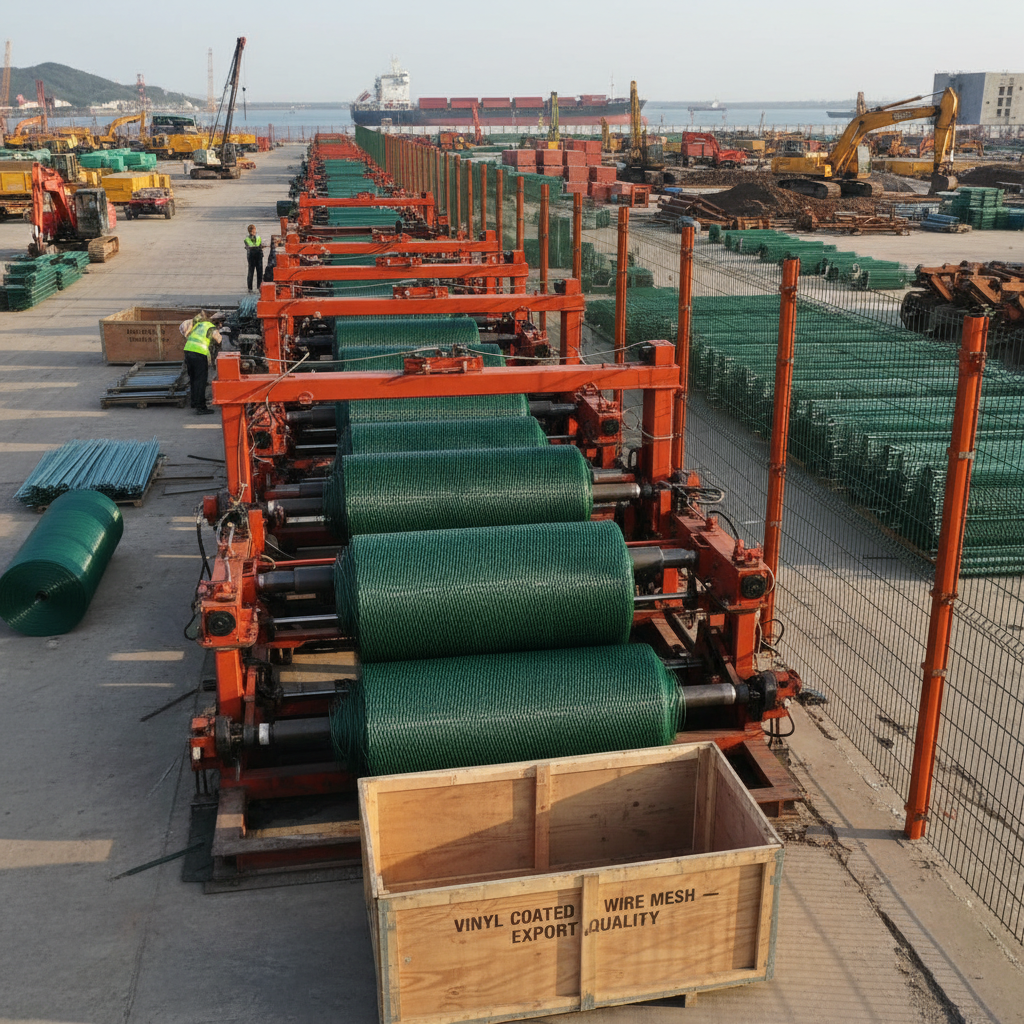
Sustainable manufacturing practices are also becoming more important. Using recycled steel and reducing waste during production are key priorities. The industry is responding to the growing demand for environmentally responsible solutions. steel wire mesh fencing manufacturers are focusing on minimizing their environmental footprint.
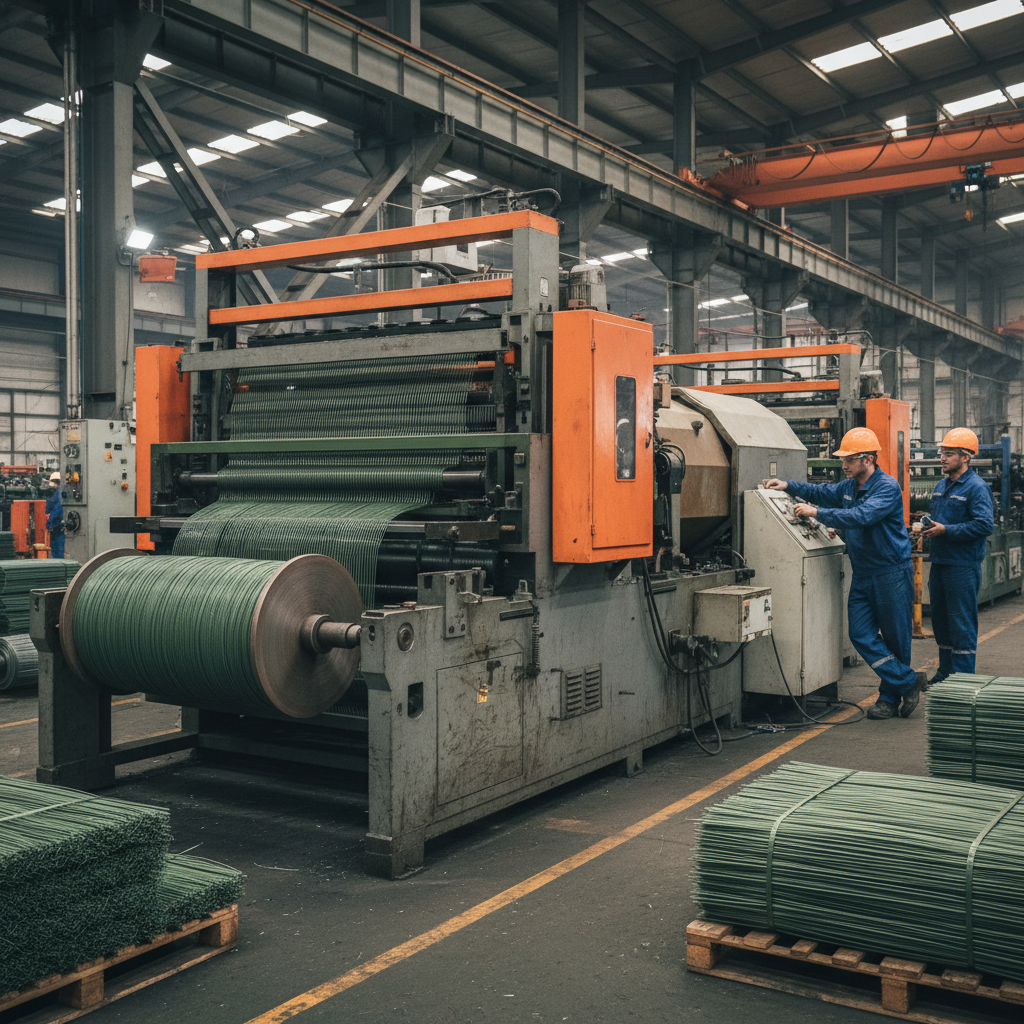
Automation in the manufacturing process is another area of innovation, leading to increased efficiency and lower production costs. This ultimately benefits the end-user with more affordable and readily available fencing solutions.
Key Challenges and Potential Solutions
One common challenge is dealing with uneven terrain. Installing fencing on slopes or rocky ground can be tricky. The solution? Adjustable feet and flexible panel designs that can conform to the contours of the land. We're also seeing more modular systems that simplify installation and allow for easy adjustments.
Corrosion remains a concern, especially in coastal environments. While galvanization is effective, it's not foolproof. Investing in higher-quality coatings and regularly inspecting the fence for signs of corrosion are essential preventative measures. Proper maintenance extends the lifespan of any fencing system.
Theft of fencing materials themselves can also be a problem. Using tamper-proof fasteners and incorporating anti-theft devices can help deter thieves. It’s a matter of layering security measures to protect the investment.
Addressing Common Challenges in Steel Wire Mesh Fencing Implementation
| Challenge |
Severity (1-5) |
Potential Solution |
Implementation Cost (Low/Med/High) |
| Corrosion in Coastal Areas |
4 |
Advanced Powder Coating + Regular Inspection |
Med |
| Uneven Terrain Installation |
3 |
Adjustable Feet and Flexible Panels |
Low |
| Material Theft |
2 |
Tamper-Proof Fasteners & Surveillance |
Med |
| Wind Load Resistance |
3 |
Deeper Post Setting & Windbreaks |
Low |
| Limited Access for Installation |
2 |
Pre-Fabricated Sections & Lightweight Materials |
Med |
| Maintaining Aesthetic Appeal |
1 |
Powder Coating in Desired Colors & Landscaping |
Low |
FAQS
The lifespan of steel wire mesh fencing varies greatly depending on the coating, environment, and maintenance. Galvanized steel, properly installed, can last 15-20 years, while powder-coated options can extend that to 25+ years. Regular inspections and touch-ups are crucial for maximizing longevity, particularly in harsh coastal or industrial environments. Choosing the right gauge wire and coating is key from the outset.
Steel wire mesh fencing is significantly more cost-effective than concrete barriers. Concrete requires extensive foundations and specialized equipment for installation, making it a substantial investment. Steel wire mesh fencing, being modular and relatively lightweight, is much quicker and easier to install, reducing labor costs. For temporary or semi-permanent applications, the cost savings are substantial. However, concrete offers a higher level of physical security.
Yes, absolutely. Welded wire mesh fencing with smaller openings is particularly well-suited for animal enclosures. The mesh size should be chosen based on the size and type of animal being contained. Heavier gauge wire is recommended for larger or more aggressive animals. Proper installation is essential to prevent escape or damage to the fence. Consider adding a skirt along the bottom to prevent digging.
Regular maintenance is crucial for maximizing the lifespan of steel wire mesh fencing. This includes periodic inspections for corrosion, damage, or loose fasteners. Any damaged sections should be repaired promptly. If the coating is chipped or scratched, it should be touched up with a corrosion-resistant paint. Vegetation growing around the fence should be cleared to prevent it from damaging the mesh.
Yes, steel is highly recyclable. At the end of its lifespan, steel wire mesh fencing can be dismantled and the steel recycled, reducing waste and conserving resources. This makes it a more sustainable option compared to some other fencing materials. Many scrap metal recyclers will accept steel wire mesh fencing for processing.
Poor post spacing and inadequate anchoring are common installation errors. Posts must be spaced correctly and securely anchored to withstand wind loads and potential impacts. Using the wrong type of fasteners or failing to properly tension the mesh can also lead to problems. Always follow the manufacturer's instructions and consult with experienced installers if you're unsure.
Conclusion
Steel wire mesh fencing is a remarkably versatile and cost-effective solution for a wide range of applications, from securing construction sites to providing safety and security in disaster relief efforts. Its durability, scalability, and ease of installation make it a preferred choice for project managers, aid organizations, and security professionals alike. Understanding the nuances of wire gauge, coatings, and installation techniques is critical for maximizing its performance and lifespan.
Looking ahead, we can expect to see continued innovation in this field, with the integration of smart technologies and a greater emphasis on sustainability. As demand for secure and adaptable fencing solutions continues to grow, steel wire mesh fencing will undoubtedly remain a cornerstone of infrastructure development and humanitarian aid efforts worldwide. Visit our website today to learn more!