
When planning a livestock containment system, the primary concern for farm managers is often balancing initial investment against long-term durability. Understanding the factors that influence cattle fencing prices is not merely about comparing quotes, but about analyzing the total cost of ownership over the fence's operational lifespan. From the gauge of the steel wire to the type of protective coating, every specification impacts the final price point and the frequency of necessary repairs.
The complexity of pricing arises from the diverse requirements of different livestock breeds and environmental conditions. A fence designed for high-pressure cattle requires significantly more tensile strength and impact resistance than a standard perimeter boundary. This is where the relationship between basic cattle fencing and specialized products, such as welded wire mesh or heavy-duty barbed wire, becomes critical for determining a budget that ensures both security and financial sustainability.
To navigate these variables, buyers need a technical framework to evaluate whether a lower upfront cost today will lead to higher maintenance expenses tomorrow. This guide provides a detailed analysis of cost drivers, material performance, and procurement strategies to help you secure the best value. For professional-grade solutions, exploring cattle fencing prices can provide a benchmark for high-quality, factory-direct metal fencing options.


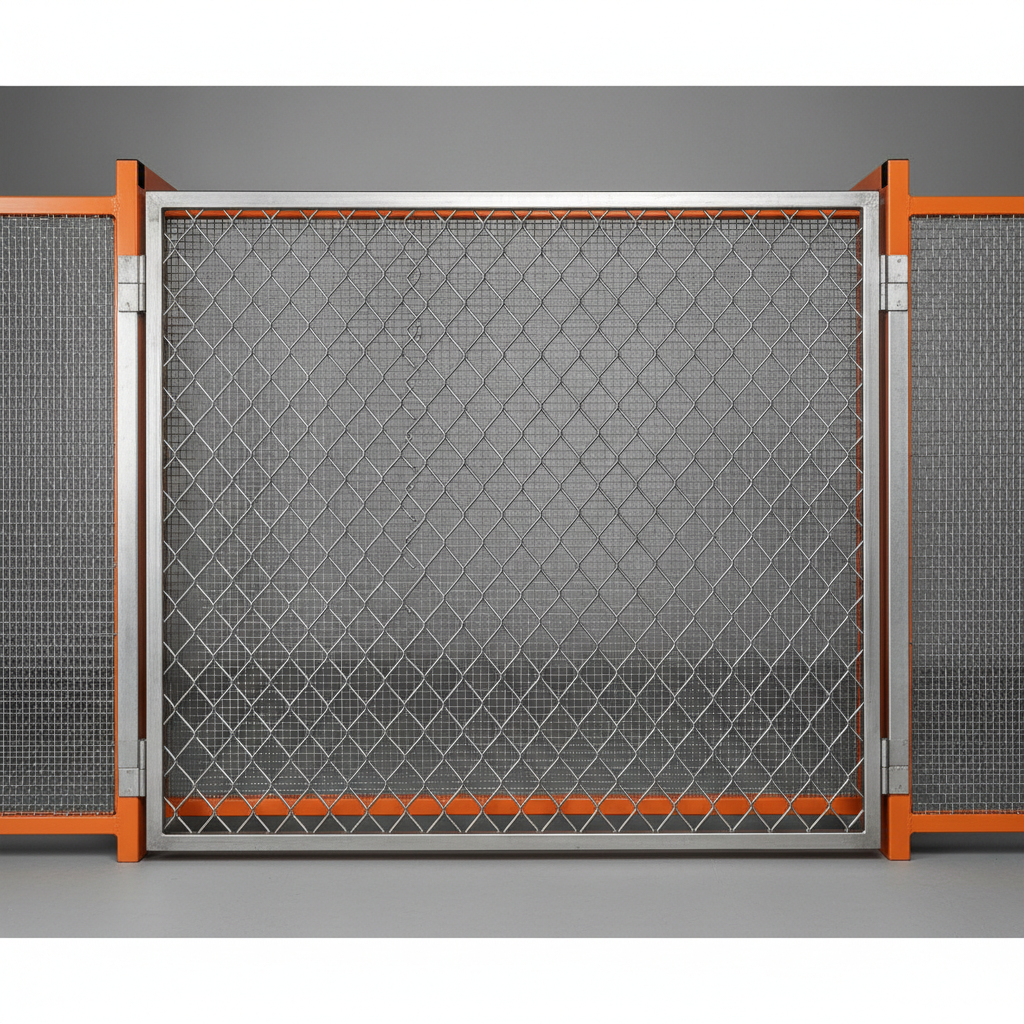
The pricing of cattle fencing is primarily dictated by the raw material costs of steel and the complexity of the manufacturing process. For instance, fences utilizing high-carbon steel offer superior strength but come at a higher price point than mild steel alternatives. The method of fabrication—whether it is a simple twist for barbed wire or a precise automated weld for welded wire mesh—significantly alters the production cost and the resulting product durability.
Beyond materials, the protective finish is a major cost variable. Hot-dipped galvanization, which involves immersing the steel in molten zinc, is more expensive than electro-galvanizing but provides far greater corrosion resistance in humid or salty environments. For extreme conditions, PVC coating adds another layer of protection and aesthetic choice, which naturally increases the price per linear meter while extending the fence's lifespan.
When analyzing a quote, the "wire gauge" (thickness) is the most critical technical specification. A thicker wire provides higher impact resistance—essential for containing larger cattle—but increases the total weight of the shipment, which in turn raises both the material cost and the freight charges. Buyers must match the gauge to the specific animal behavior and pressure levels expected at the fence line to avoid overspending on unnecessary strength.
The most cost-effective procurement strategy is to optimize the mesh aperture size; larger gaps reduce the total amount of steel required per panel, lowering the price, provided the opening is small enough to prevent calves or smaller livestock from escaping.
Additionally, the tensioning capability of the fence influences the long-term cost. High-tensile wire allows for fewer posts over a longer distance, which can significantly reduce the overall project cost even if the wire itself is more expensive. This trade-off between material cost and installation hardware is a key consideration for large-scale agricultural projects.
Evaluating the relationship between the price of different fencing types and their respective strength levels helps in selecting the right product for the specific risk level of the farm. While standard barbed wire is the most economical option, its failure rate under heavy animal pressure is higher compared to reinforced welded mesh. Understanding this ratio ensures that the chosen material can withstand the physical demands of the environment without premature sagging or breakage.
The following data illustrates a conceptual comparison of relative cost versus the impact resistance offered by common metal fencing materials used in cattle management. Higher values in resistance typically correlate with higher initial prices but lower replacement frequencies.
Budgeting for cattle fencing varies wildly depending on the intended use. For permanent boundary fences, the priority is longevity and security, justifying a higher investment in hot-dipped galvanized welded wire mesh. In these scenarios, the focus is on preventing breach and minimizing the need for manual repairs over a 10 to 20-year period, making the initial price a secondary concern to the lifecycle cost.
Conversely, for temporary paddock rotations or internal sorting areas, lower-cost options like single-twist barbed wire or lightweight chain link are more appropriate. In these flexible applications, the agility of installation and the ability to relocate the fence outweigh the need for permanent structural rigidity, allowing for a more conservative budget allocation.
The current market for metal fencing is shifting toward customized, modular solutions. Rather than buying generic rolls, many enterprises are opting for pre-fabricated panels that offer consistent quality and faster installation times. This trend is driven by the rising cost of skilled labor, where spending more on a higher-quality, easier-to-install product actually reduces the total project cost.
There is also an increasing demand for hybrid fencing systems. By combining a strong welded wire base with a top strand of high-tensile barbed wire or electric offset, farmers can achieve maximum security while optimizing the cost of the primary mesh. This tiered approach allows for strategic spending, focusing high-cost materials only where they are most needed for structural integrity.
Furthermore, direct-from-factory procurement is becoming the standard for large-scale projects. By eliminating intermediaries, buyers can access more transparent pricing and customized specifications, such as specific wire gauges or coating thicknesses that are not available in retail catalogs, ensuring the product is perfectly tailored to the local environment.
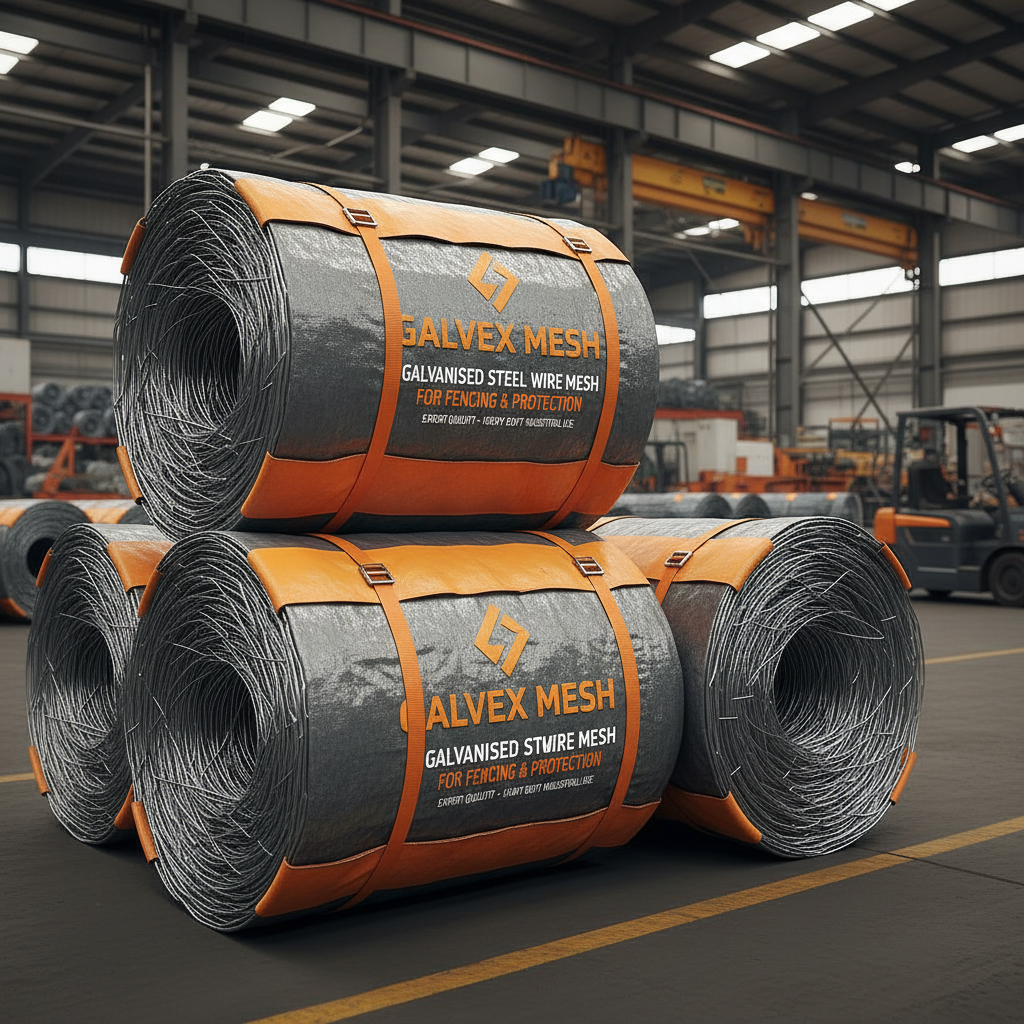
One of the most frequent challenges in fencing procurement is the "hidden cost" of shipping. Because metal fences are heavy and bulky, freight can sometimes represent a significant percentage of the total invoice. To mitigate this, buyers should look for suppliers who can optimize packing density or offer consolidated shipping options for multi-product orders.
Another common issue is the discrepancy between advertised specifications and actual product performance. This often happens when the galvanization layer is too thin, leading to rust within a few years. The solution is to request Certificates of Analysis or Conformance from the manufacturer to verify the zinc coating weight and wire tensile strength before finalizing the purchase.
Finally, lead time management can be a critical bottleneck. Mass production for large orders typically takes 20-30 days. To avoid project delays, it is advisable to establish a relationship with a supplier who maintains a professional design team and multiple workshops—including welding and powder coating—to ensure that custom requirements are handled efficiently without sacrificing the delivery schedule.
| Material Type | Durability | Price Level | Best Use Case |
|---|---|---|---|
| Barbed Wire | Moderate | Low | Large Perimeters |
| Welded Mesh | High | Medium-High | High-Pressure Areas |
| Chain Link | Moderate | Medium | General Containment |
| PVC Coated | Very High | High | Corrosive Environments |
| High-Tensile | High | Medium | Long-Distance Runs |
| Double Twist | Moderate | Low-Medium | Boundary Marking |
Prices are mainly driven by the global market cost of raw steel and zinc. Additionally, the specific requirements for wire gauge, the type of galvanization used (hot-dipped vs. electro-galvanized), and the complexity of the weave or weld significantly impact the final cost. Shipping fees also play a major role due to the weight of the metal products.
Barbed wire has a lower initial cost per meter and is ideal for large, low-pressure boundaries. However, welded wire mesh is more cost-effective over the long term for high-pressure areas because it is more durable, requires less frequent repairs, and provides better containment security, reducing livestock loss.
Coatings like hot-dipped galvanization or PVC increase the initial price but dramatically extend the fence's life by preventing rust. In wet or coastal environments, a cheaper, uncoated fence may fail within 2-3 years, whereas a high-quality galvanized fence can last 15-20 years, providing a much better return on investment.
Yes, you can optimize costs by adjusting the mesh aperture size or selecting a wire gauge that is sufficient but not excessive for your specific livestock. Working directly with a manufacturer allows you to specify these parameters to eliminate unnecessary material waste and lower the price per unit.
For most mass production orders, the lead time is typically 20-30 days after the deposit is received and final product approvals are signed. Sample orders are generally faster, often taking around 7 days. Planning your procurement cycle around these timeframes is essential to avoid construction delays.
You should request a Certificate of Analysis or Conformance from the supplier to verify the material grade and coating thickness. Additionally, requesting a pre-shipment inspection or photos of the finished batch allows you to ensure the welding and dimensions meet your agreed-upon specifications.
Determining the right budget for cattle fencing requires a shift in perspective from "lowest price" to "best value over time." By analyzing the interaction between material gauge, coating quality, and the specific physical pressures of the livestock, farm owners can avoid the costly cycle of frequent replacements. The integration of technical specifications with environmental needs ensures a containment system that is both secure and economically sustainable.
Whether you are securing a large-scale ranch or a specialized breeding facility, sourcing from an experienced manufacturer with integrated production capabilities is the most reliable way to control costs. For those seeking a balance of durability and competitive pricing, visiting www.fencingwiremesh.com can provide the professional guidance and custom metal fencing solutions necessary for your next project.