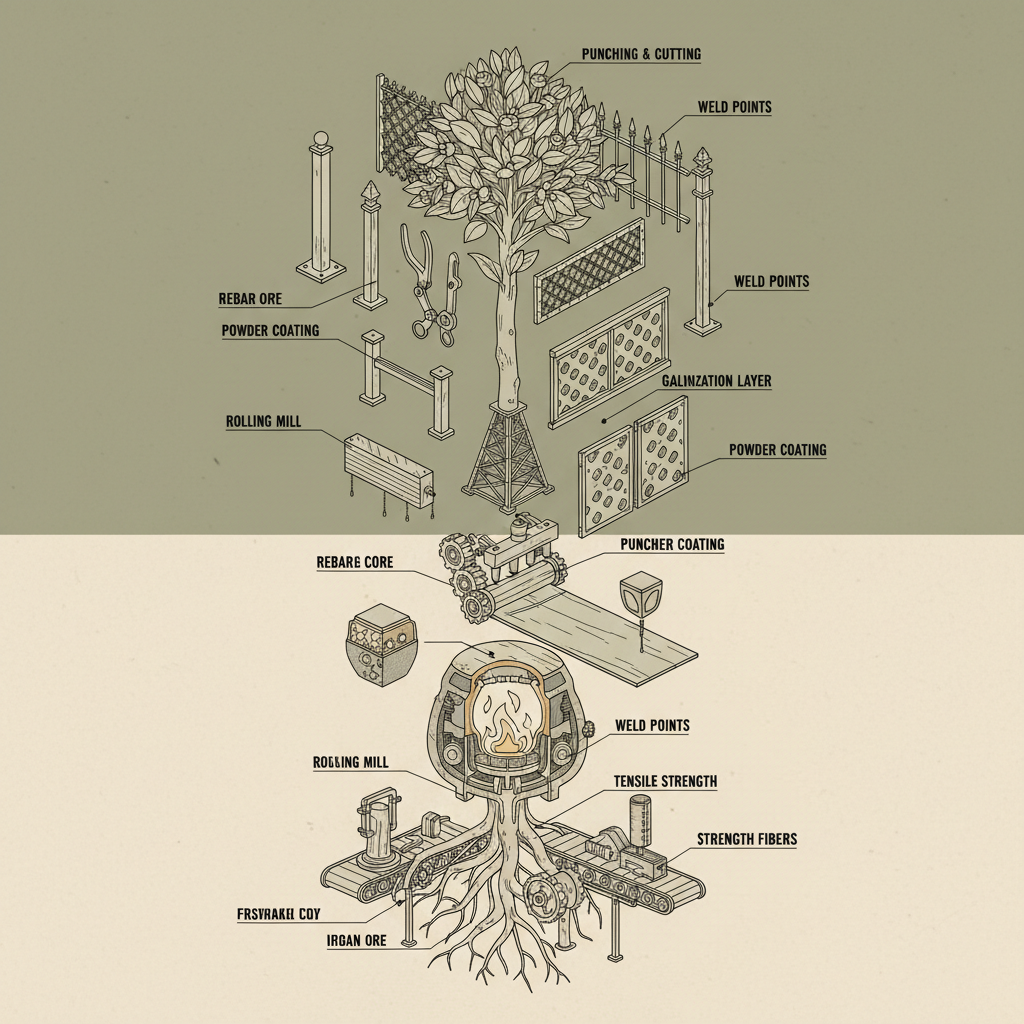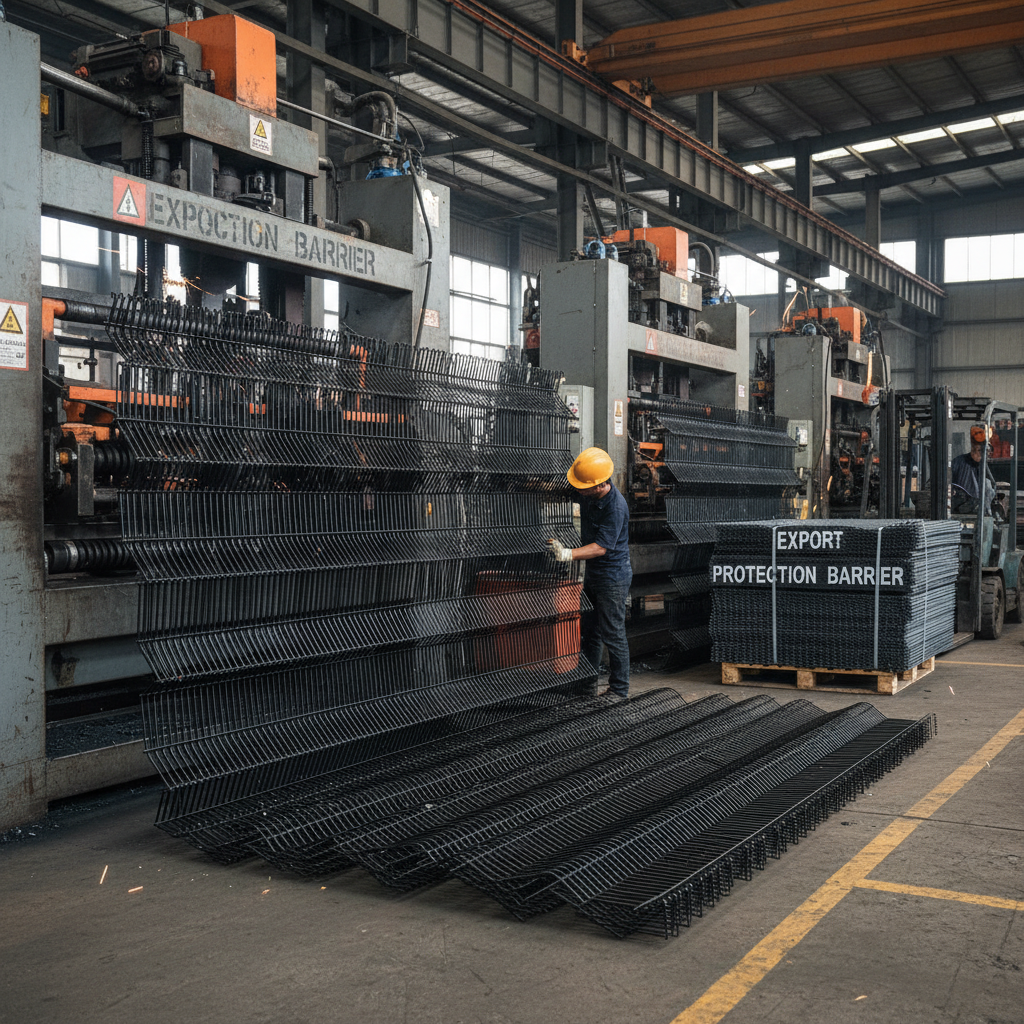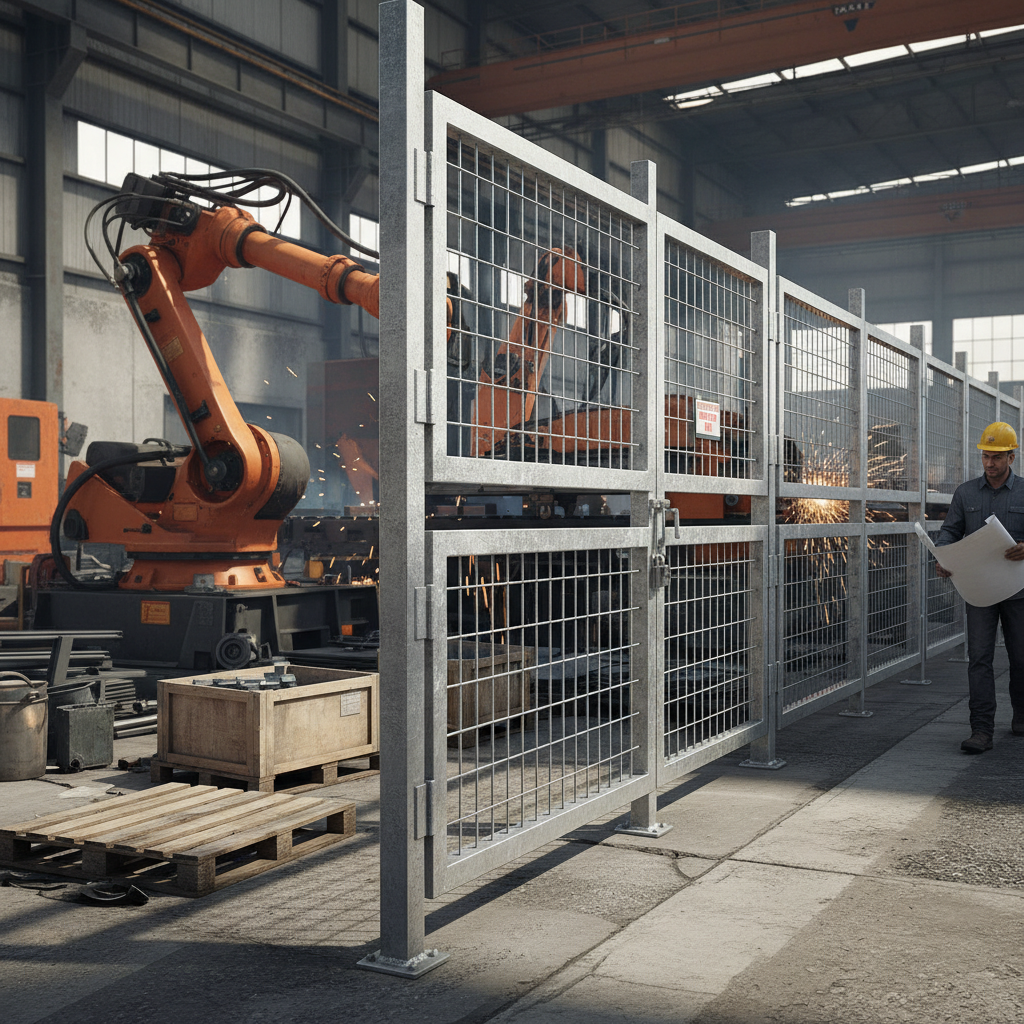

Galvanized fencing stands as a cornerstone of modern infrastructure and security, offering a robust and cost-effective solution for a wide array of applications. From agricultural boundaries to high-security perimeters, its prevalence is a testament to its durability and adaptability. Understanding the nuances of galvanized fencing – its manufacturing process, material properties, and diverse applications – is crucial for informed decision-making across numerous sectors. galvanized fencing plays a vital role in safeguarding assets and enabling sustainable practices.
Globally, the demand for effective and long-lasting fencing solutions is consistently high, driven by factors such as population growth, urbanization, and increasing security concerns. The United Nations estimates that over half the world's population resides in urban areas, creating a need for clearly defined boundaries and secure environments. Furthermore, the World Bank highlights the importance of secure land tenure for economic development, where fencing solutions like galvanized steel are often employed. galvanized fencing has become an essential component in realizing these global goals.
The challenge often lies in balancing cost-effectiveness with long-term performance, especially in harsh environmental conditions. Galvanized fencing addresses this challenge by providing a protective zinc coating that significantly enhances the corrosion resistance of steel, extending its lifespan and reducing maintenance requirements, ultimately contributing to sustainable infrastructure development.
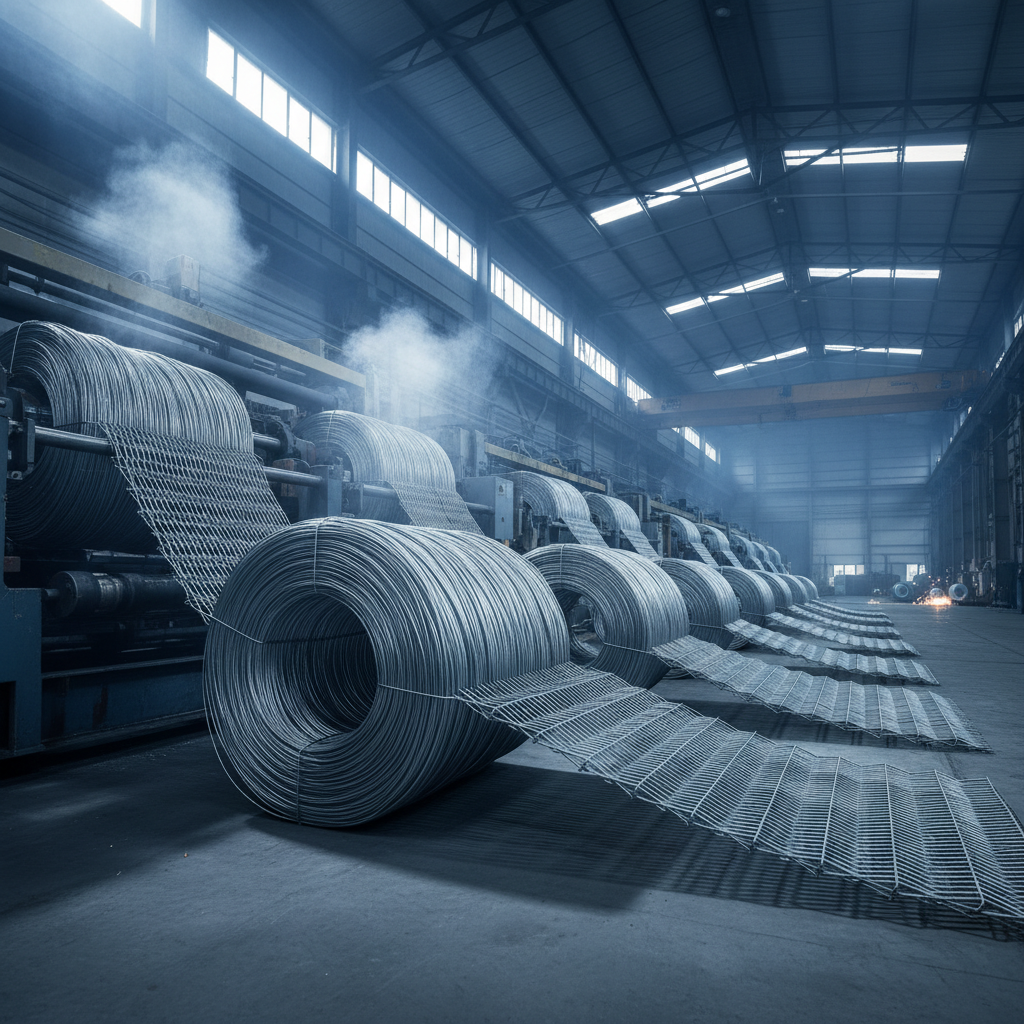
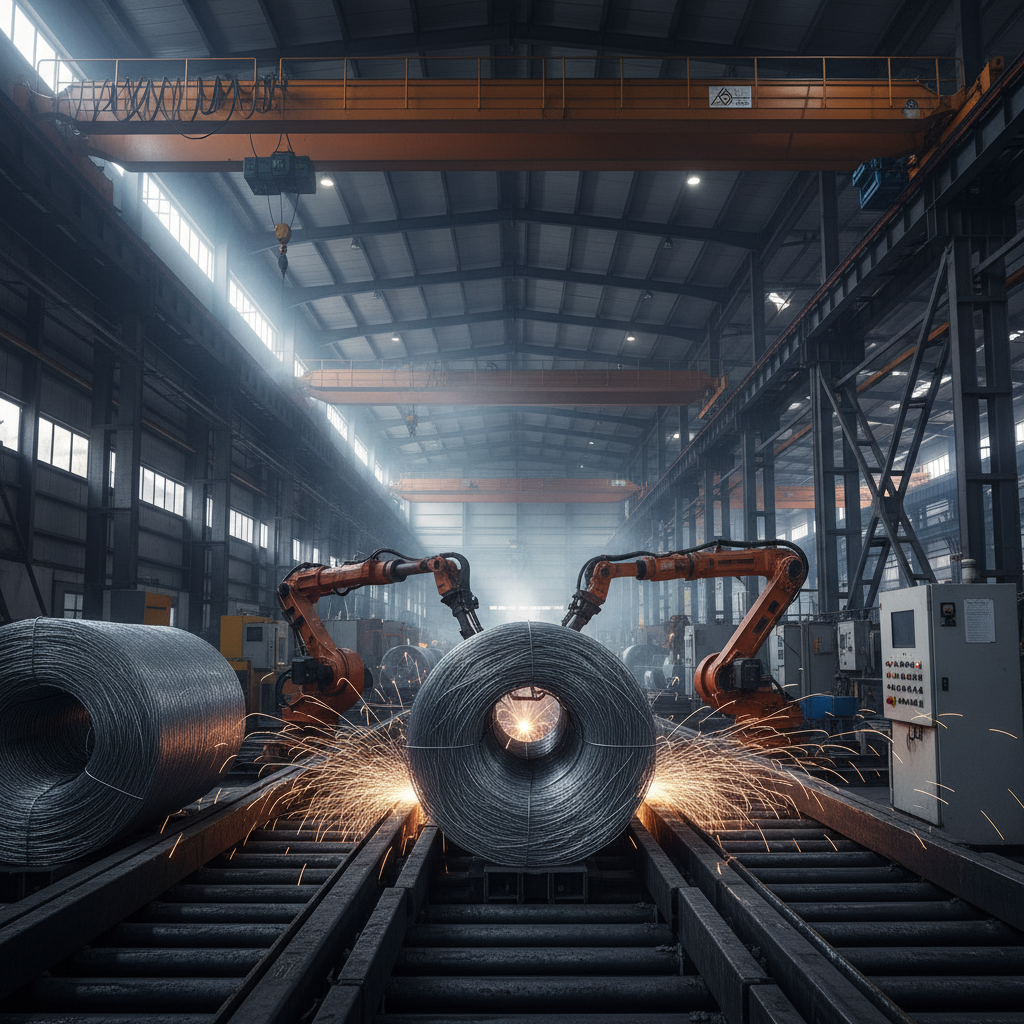
Galvanized fencing represents a crucial advancement in protective barriers, born from the necessity to extend the lifespan of steel in corrosive environments. Its widespread adoption is directly linked to the galvanization process – applying a protective zinc coating – which significantly hinders rust and corrosion. This enhancement translates into lower life-cycle costs, as less frequent repairs and replacements are needed. galvanized fencing isn’t just a product; it’s a sustainable solution.
The development of effective galvanization techniques, from hot-dip galvanizing to electro-galvanizing, has steadily improved the performance and affordability of this fencing solution. Modern advancements are focused on enhancing zinc coating uniformity, adhesion, and overall protective capabilities, ensuring that galvanized fencing remains a reliable choice for decades to come.
In a coastal environment, where salt spray accelerates corrosion, properly galvanized fencing can typically last 20-30 years, and sometimes longer with regular maintenance. The lifespan is significantly influenced by the thickness of the zinc coating, the quality of the galvanization process, and the frequency of cleaning to remove salt deposits. Choosing a zinc-aluminum alloy coating can further extend the life expectancy to 50+ years.
The galvanization process protects against rust through several mechanisms. Primarily, zinc corrodes preferentially to steel, acting as a sacrificial anode. Even if the zinc coating is scratched or damaged, it continues to provide cathodic protection to the underlying steel. The zinc also forms a protective layer of zinc carbonate, inhibiting further corrosion. This barrier prevents moisture and oxygen from reaching the steel surface.
Yes, galvanized fencing is considered environmentally friendly. Zinc is a naturally occurring element and is recyclable. Galvanized steel requires less frequent replacement compared to other materials, reducing the demand for new resources. Furthermore, the zinc coating itself is non-toxic and does not leach harmful chemicals into the environment. The long service life minimizes waste generation.
Galvanized fencing requires minimal maintenance. Periodic inspections for physical damage are recommended. Removing any accumulated debris or vegetation can help prevent moisture from trapping against the fencing. In coastal areas, occasional washing with fresh water to remove salt buildup can extend the lifespan. Applying a clear coat protective finish every few years can also provide added protection.
Yes, galvanized fencing can be painted, but proper surface preparation is crucial. The galvanized surface needs to be thoroughly cleaned and etched to ensure good adhesion of the paint. Using a zinc-rich primer is highly recommended to enhance adhesion and provide additional corrosion protection. Avoid using oil-based paints, as they may not adhere well to galvanized surfaces.
The most common galvanization processes are hot-dip galvanizing, electro-galvanizing, and sherardizing. Hot-dip galvanizing involves immersing the steel in molten zinc, creating a thick, durable coating. Electro-galvanizing uses an electric current to deposit a thinner zinc coating. Sherardizing involves tumbling steel parts with zinc dust in a closed drum. Each method has its advantages and disadvantages depending on the application and desired coating thickness.
In summary, galvanized fencing represents a robust, cost-effective, and sustainable solution for a diverse range of applications. Its corrosion resistance, durability, and scalability make it an ideal choice for securing perimeters, containing livestock, and protecting assets across various industries and environments. Understanding its properties, applications, and future trends is essential for making informed decisions in infrastructure development and security planning.
Looking ahead, continued innovation in galvanization technologies and the integration of smart features promise to further enhance the performance and value of galvanized fencing. Investing in this proven technology not only provides a reliable and long-lasting barrier but also contributes to environmental sustainability and economic efficiency. For high-quality galvanized fencing solutions, visit our website today!