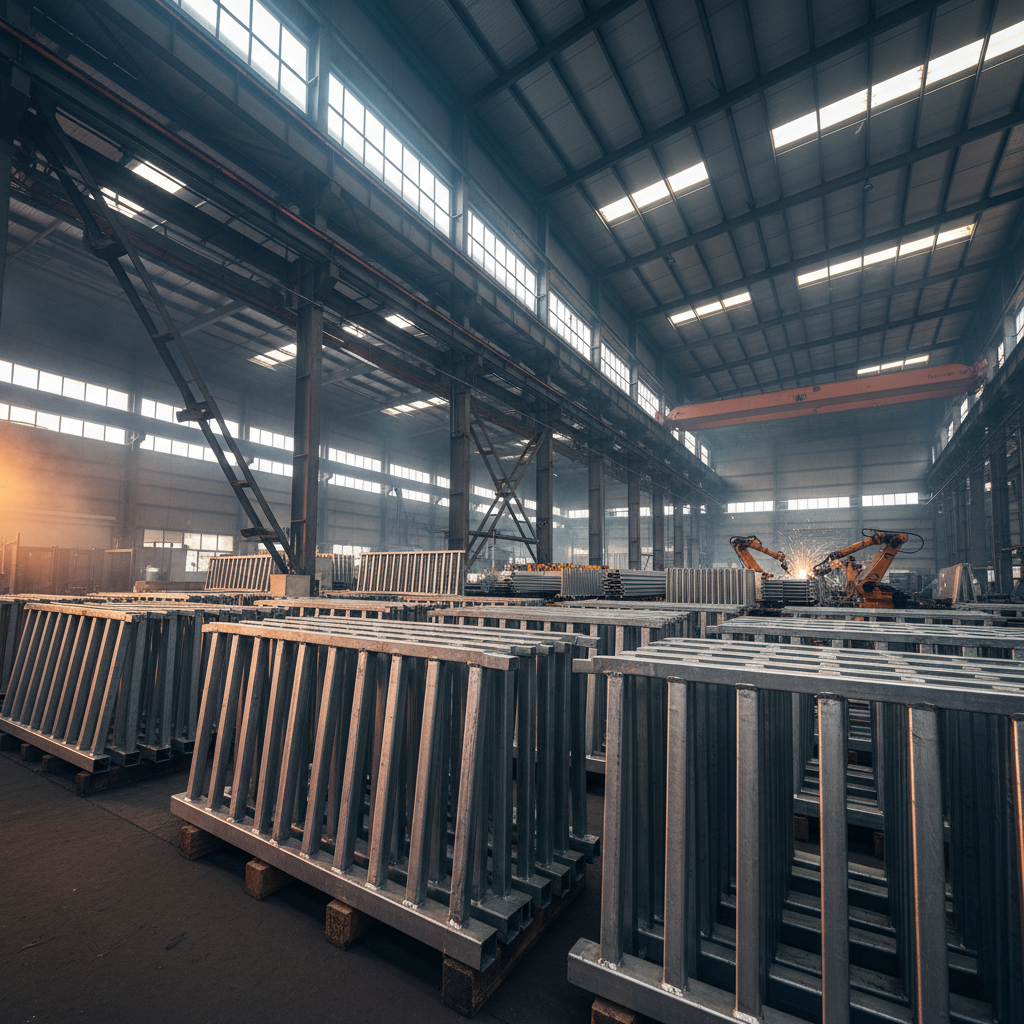
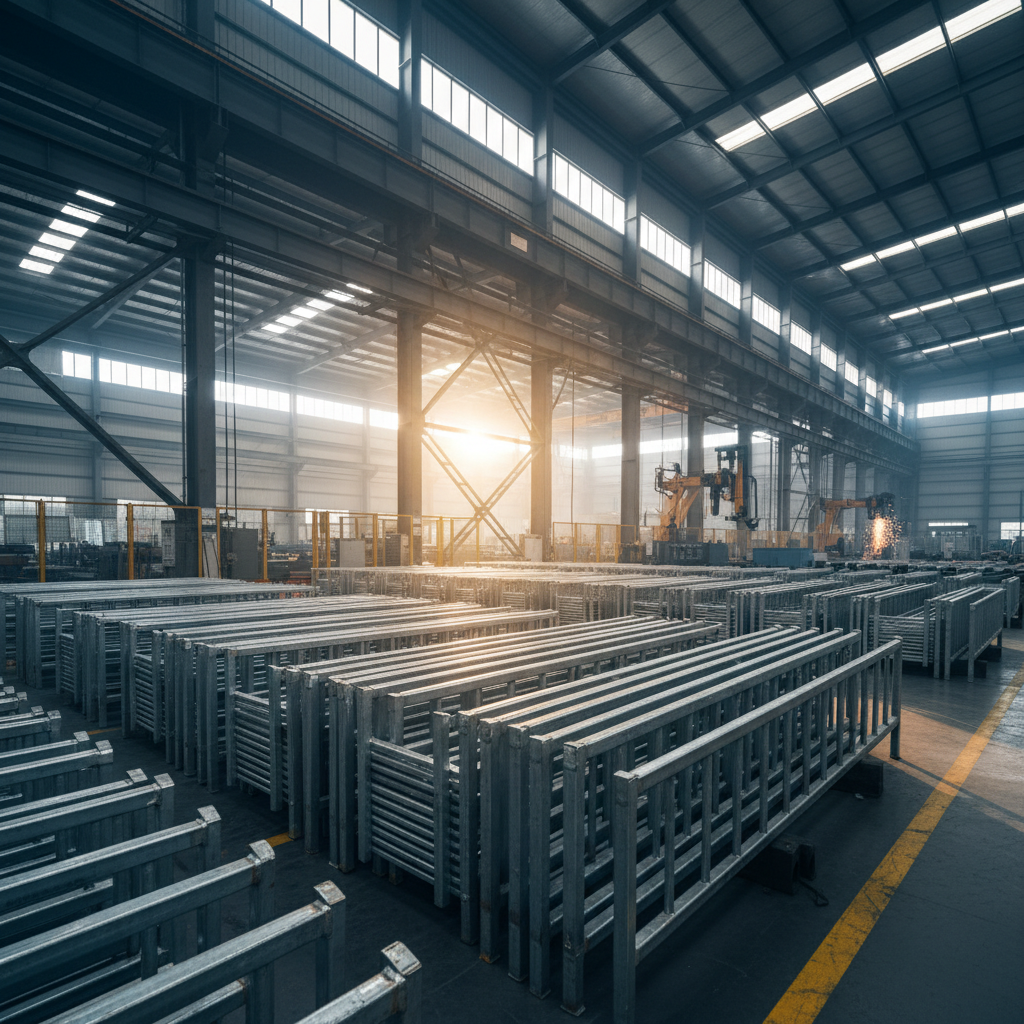
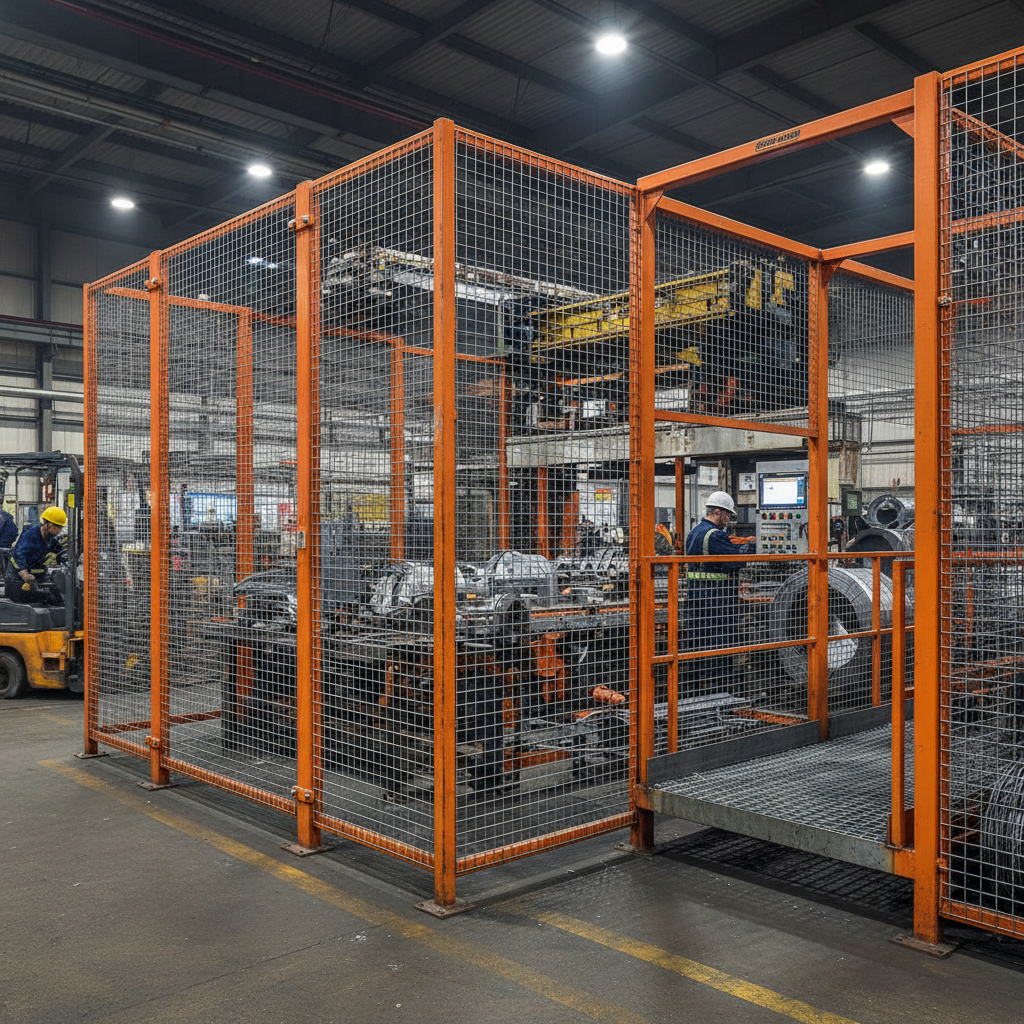
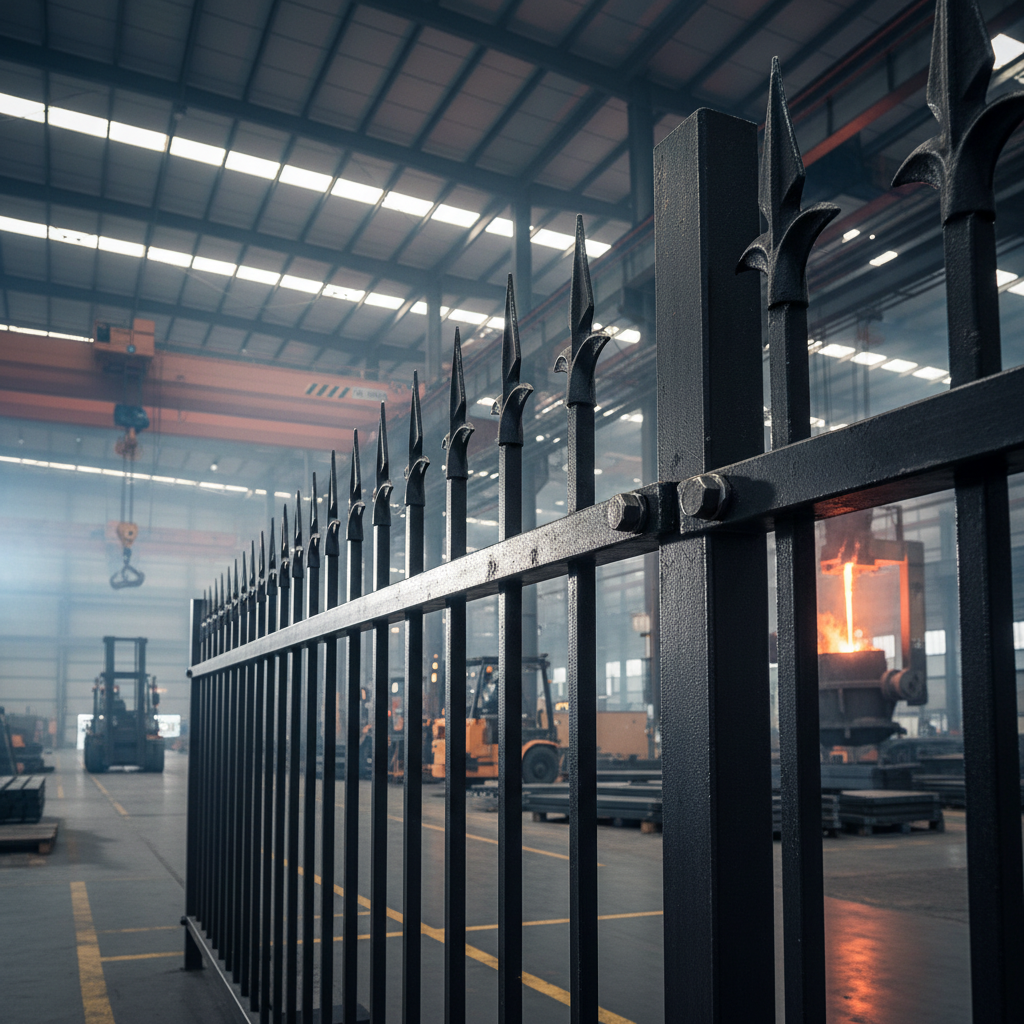
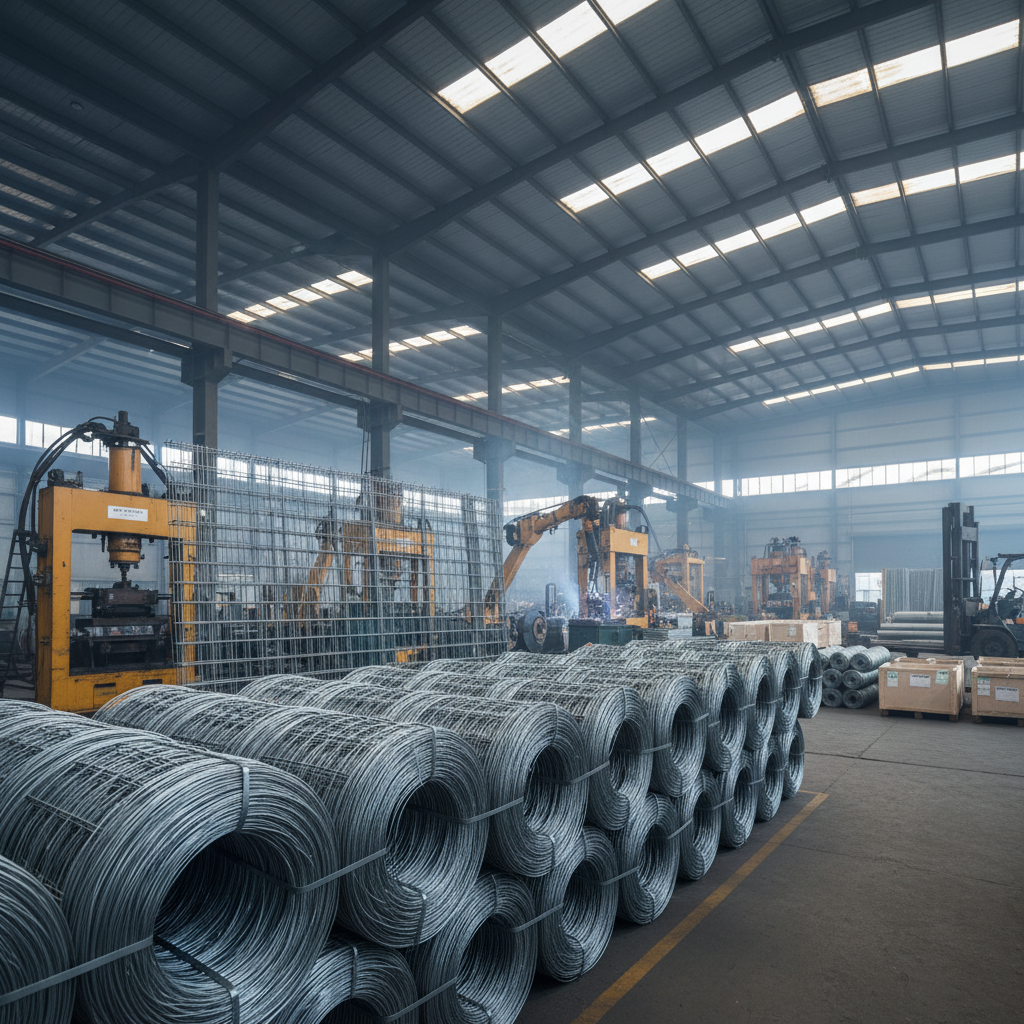
Metal barrier fencing plays a critical role in modern security and safety applications worldwide. From controlling access at large events to protecting critical infrastructure, and even providing rapid deployment solutions for emergency response, its versatility is undeniable. Understanding the nuances of metal barrier fencing—its construction, capabilities, and evolving technologies—is increasingly important for professionals in security, logistics, and disaster management.
The global demand for robust and reliable security solutions is constantly growing, driven by factors like increased urbanization, geopolitical instability, and the need to protect vital assets. Metal barrier fencing offers a practical, cost-effective, and scalable response to these challenges. Innovations in materials and design are continually enhancing its effectiveness and expanding its application range.
Furthermore, the recent focus on rapid response infrastructure – particularly in the context of disaster relief and temporary event management – has significantly increased the prominence of metal barrier fencing. This surge in demand highlights the need for informed decision-making regarding its selection, deployment, and maintenance.
The Importance of Metal Barrier Fencing
Metal barrier fencing has become indispensable in a world increasingly focused on safety and security. Its primary function – to define and control access – extends far beyond simple perimeter defense. It's a versatile tool used to manage crowds, protect property, and even create temporary secure zones in emergency situations.
The application of metal barrier fencing spans numerous sectors, including construction sites, event management, crowd control at public gatherings, and securing critical infrastructure. Its robustness and adaptability make it a preferred choice over more traditional fencing materials in many scenarios.
Defining Metal Barrier Fencing
Metal barrier fencing, at its core, is a system designed to create a physical barrier using metal components. These systems can range from simple welded wire mesh panels to more complex structures involving steel frames and interlocking barriers. The key characteristic is its ability to provide a robust, visible, and often portable security solution.
The connection to modern industry and humanitarian needs stems from its efficiency and adaptability. Unlike permanent structures, metal barrier fencing can be rapidly deployed and reconfigured, making it ideal for temporary security needs or disaster relief. This flexibility is particularly valuable in scenarios where speed and responsiveness are critical.
Furthermore, metal barrier fencing often offers a more cost-effective alternative to permanent fencing, especially for projects with limited budgets or temporary requirements. This makes it accessible to a wider range of organizations and applications.
Core Components and Key Factors
Several key factors define the effectiveness of metal barrier fencing. Durability is paramount – the ability to withstand environmental factors, potential impacts, and attempted breaches. This is often determined by the gauge of the metal used and the quality of the welding or fabrication.
Scalability is another crucial aspect. A good system should be easily expandable or reconfigurable to adapt to changing needs. Portability is vital for applications requiring frequent relocation, while Cost Efficiency impacts its overall accessibility and adoption. Ease of Installation significantly reduces labor costs and deployment time, and finally Aesthetic Considerations, especially in public-facing applications, play a role in acceptance and integration within the surrounding environment.
These factors interact significantly. For example, increasing durability often comes with a higher material cost. Therefore, selecting the right metal barrier fencing system requires a careful assessment of the specific application, weighing the importance of each factor against budget constraints and operational requirements. For instance, a temporary event might prioritize portability and cost efficiency, while a high-security installation would focus heavily on durability and resistance to intrusion.
The choice of metal – steel, aluminum, or galvanized options – also impacts these factors. Galvanized steel offers a good balance of strength and corrosion resistance, while aluminum is lightweight and rustproof, making it ideal for applications where portability is crucial. Steel provides the highest level of security, but may require additional protective coatings to prevent rust.
Practical Applications Across Industries
The versatility of metal barrier fencing is demonstrated by its widespread use across diverse industries. In construction, it secures job sites, prevents unauthorized access, and protects materials. The event management sector relies heavily on metal barrier fencing for crowd control at concerts, festivals, and sporting events.
Security companies employ metal barrier fencing for perimeter protection of commercial properties and critical infrastructure. In emergency management, rapid deployment fencing provides secure zones for triage, shelter, and logistical support in disaster areas. Additionally, agricultural applications utilize it for livestock containment and crop protection.
For example, in post-disaster relief operations, quickly deployable metal barrier fencing can create safe zones for aid distribution and medical care. In remote industrial zones, it secures valuable equipment and resources against theft and vandalism. The ability to quickly adapt to changing needs makes it invaluable in these dynamic environments.
Metal Barrier Fencing Performance Metrics
Advantages & Long-Term Value Proposition
The benefits of utilizing metal barrier fencing extend beyond immediate security. Cost-effectiveness is a primary advantage, as it often represents a lower upfront investment compared to permanent fencing solutions. Its durability ensures a long service life, reducing the need for frequent replacements and minimizing long-term expenses.
From a sustainability standpoint, metal is a recyclable material, contributing to environmentally responsible practices. The social impact includes enhanced safety and security for communities and individuals. The reliability of a robust barrier fosters a sense of trust and well-being.
Future Trends in Metal Barrier Fencing
Innovation in materials science is driving the development of lighter, stronger, and more corrosion-resistant metal alloys for barrier fencing. Smart fencing systems, incorporating sensors and IoT connectivity, are emerging, offering real-time monitoring and intrusion detection capabilities.
Automation in manufacturing processes will streamline production and reduce costs. There's also a growing emphasis on sustainable manufacturing practices and the use of recycled materials, aligning with broader environmental concerns. The integration of renewable energy sources to power smart fencing systems is also a potential future trend.
Challenges and Innovative Solutions
A common challenge with metal barrier fencing is corrosion, particularly in harsh environments. Innovative solutions include utilizing advanced protective coatings like epoxy powder coating and employing corrosion-resistant alloys like aluminum and stainless steel.
Another challenge is the potential for unauthorized dismantling or circumvention. Solutions include incorporating anti-tamper features, utilizing interlocking panel designs, and integrating with surveillance systems. Finally, the logistical complexities of deploying large-scale fencing systems can be addressed through optimized transportation and storage solutions, and the use of modular, easy-to-assemble designs.
Addressing these challenges proactively ensures the long-term effectiveness and value of metal barrier fencing systems.
Overview of Solutions to Common Challenges in Metal Barrier Fencing
| Challenge |
Severity Level (1-10) |
Proposed Solution |
Implementation Cost (USD) |
| Corrosion |
7 |
Epoxy Powder Coating |
500 |
| Unauthorized Access |
8 |
Interlocking Panel Design + Surveillance |
1200 |
| Panel Damage |
6 |
Reinforced Steel Construction |
750 |
| Logistical Complexity |
5 |
Modular Design & Optimized Transport |
300 |
| Visibility Issues |
4 |
High-Visibility Reflective Strips |
200 |
| Instability on Uneven Ground |
6 |
Adjustable Feet & Ground Anchors |
400 |
FAQS
Temporary metal barrier fencing is designed for quick deployment and relocation, often utilizing lightweight materials and interlocking panels. It prioritizes portability and cost-effectiveness. Permanent fencing, conversely, is a more robust and long-lasting solution typically installed with concrete footings or other secure anchoring methods. It offers a higher level of security but is less flexible and more expensive to install.
The appropriate gauge depends on the level of security required and the potential for impact or tampering. Lower gauge numbers indicate thicker metal and greater strength. For low-security applications, a 14-16 gauge may suffice, while high-security applications may require 10-12 gauge or even heavier. Consider the environment and potential threats when making your selection.
Corrosion protection is crucial for longevity. Galvanization is a common and effective method, applying a zinc coating to the metal. Epoxy powder coating provides an additional layer of protection against rust and abrasion. Regularly inspecting and maintaining the coating is also vital. Choosing corrosion-resistant alloys like aluminum or stainless steel can further extend the lifespan.
Metal barrier fencing can be used in extreme weather, but careful consideration of the specific conditions is necessary. Galvanized or powder-coated steel is generally more resistant to corrosion and weathering than bare steel. In high-wind areas, ensure the fencing is properly anchored and secured to withstand strong gusts. Consider using windbreak panels or reinforcing the structure if necessary.
A well-maintained metal barrier fencing system can last for 10-20 years or even longer, depending on the quality of materials, the environmental conditions, and the level of maintenance. Regular inspections, cleaning, and repairs are essential to prevent corrosion and damage. Replacing worn or damaged components promptly will extend the overall lifespan.
Regulations and permit requirements vary significantly depending on the location and the specific application. It’s crucial to check with local authorities, zoning departments, and homeowners associations before installing any fencing system. Permits may be required for height restrictions, setback requirements, and safety standards. Compliance with these regulations is essential.
Conclusion
Metal barrier fencing stands as a versatile and invaluable security solution across a wide spectrum of applications. Its combination of durability, scalability, and cost-effectiveness makes it a preferred choice for protecting assets, managing crowds, and responding to emergencies. From construction sites to large-scale events, and from disaster relief efforts to perimeter security, its importance continues to grow.
Looking ahead, ongoing innovations in materials, smart technology, and sustainable practices promise to further enhance the capabilities and value of metal barrier fencing. By proactively addressing current challenges and embracing these advancements, we can ensure this critical infrastructure remains reliable, effective, and environmentally responsible for years to come. For all your metal barrier fencing needs, visit our website: www.fencingwiremesh.com.