
0%

Table of Contents

Galvanized steel fence plays a crucial role in modern infrastructure and security, offering a robust and cost-effective solution for a wide range of applications globally. From protecting agricultural lands to securing industrial facilities, and even providing perimeter security for residential areas, the demand for durable and corrosion-resistant fencing continues to rise. Understanding the properties, applications, and future trends of galvanized steel fence is essential for professionals in construction, agriculture, security, and related fields.

The increasing global population and the need for enhanced security measures are driving the demand for reliable fencing solutions. The longevity and relatively low maintenance costs of a galvanized steel fence make it an attractive option compared to other materials like wood or aluminum, particularly in harsh environmental conditions. This robust fencing option addresses challenges related to security, asset protection, and containment.

The benefits extend beyond mere functionality, contributing to economic stability through reduced replacement costs and enhanced property value. A properly installed and maintained galvanized steel fence represents a long-term investment in security and infrastructure, vital for both public and private sectors.
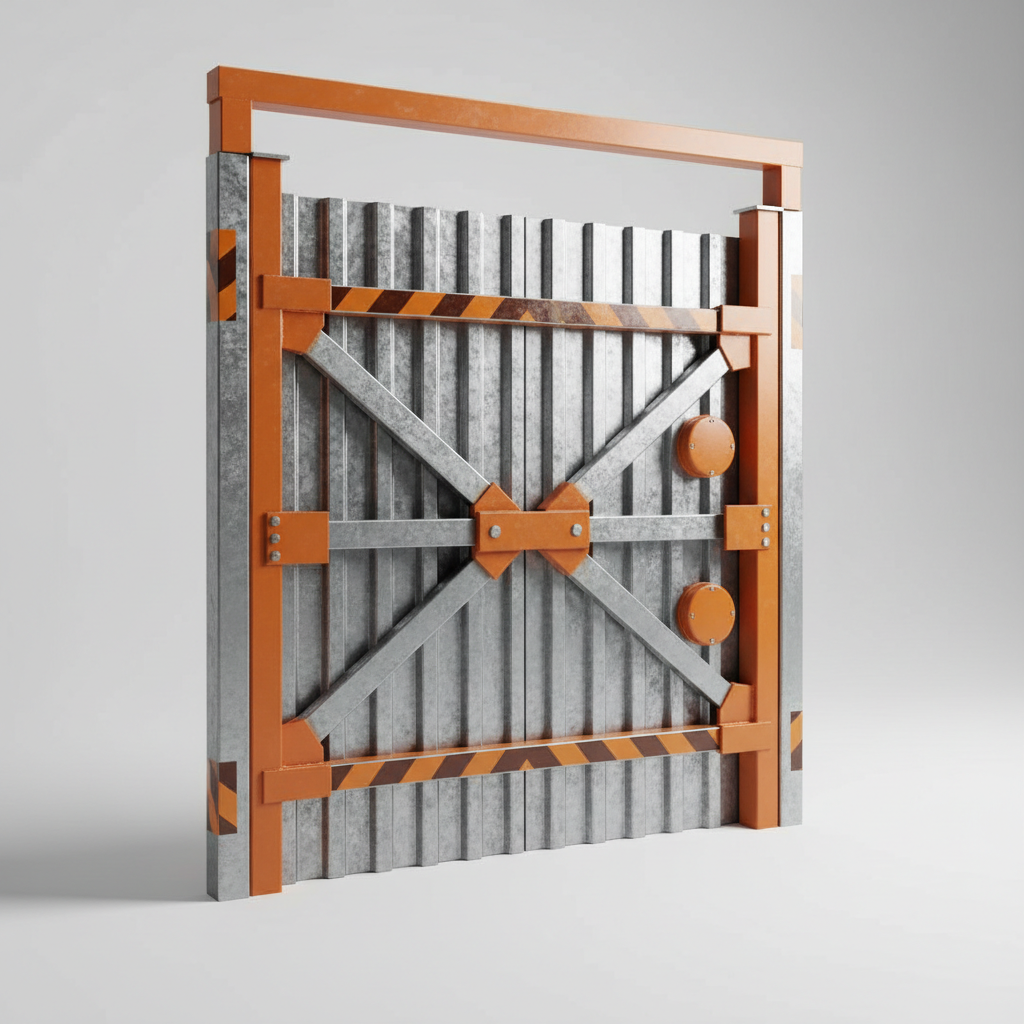
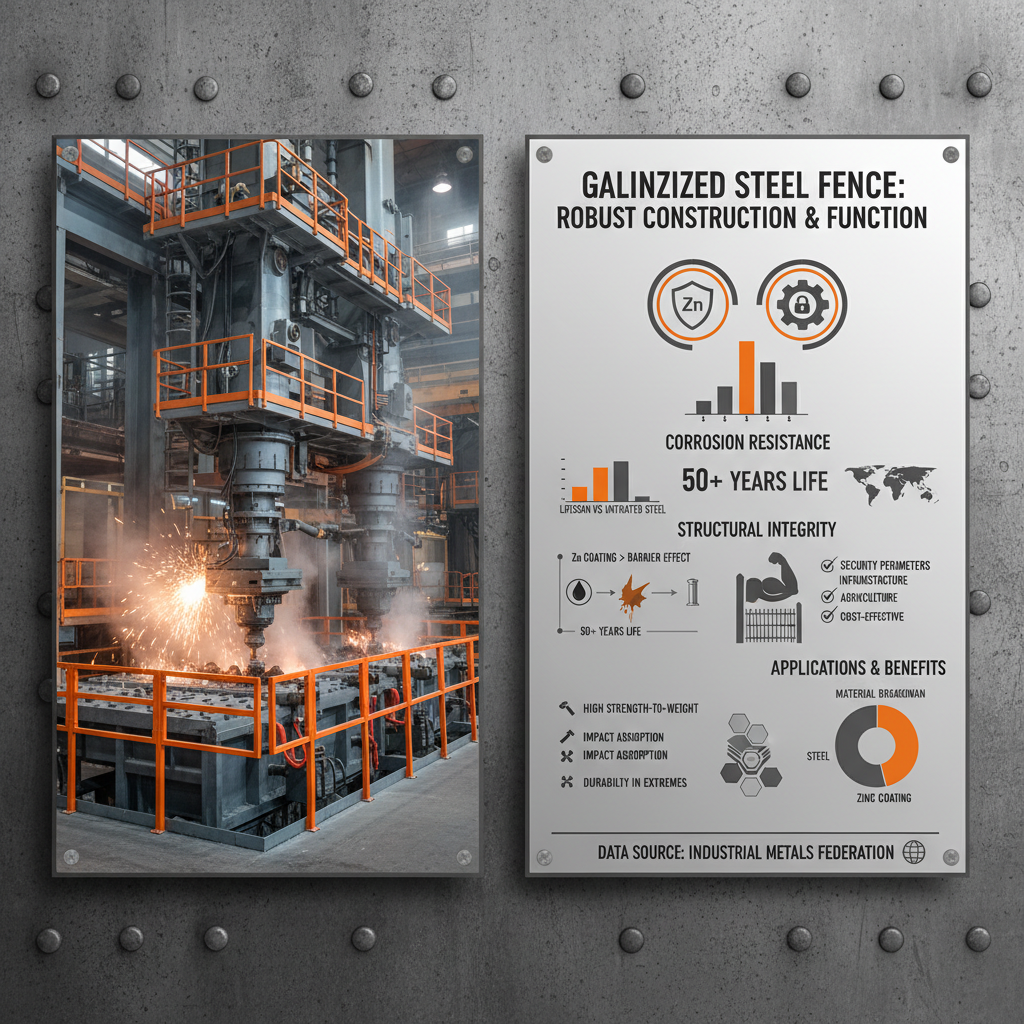
The Enduring Strength of Galvanized Steel Fence for Modern Infrastructure

Introduction to galvanized steel fence

The Enduring Strength of Galvanized Steel Fence for Modern Infrastructure

A galvanized steel fence is constructed from steel that has been coated with a layer of zinc, a process known as galvanization. This protective coating prevents rust and corrosion, extending the lifespan of the fence significantly. This makes it a preferred choice over untreated steel, especially in outdoor applications where exposure to the elements is constant.

The galvanization process provides both barrier protection – physically separating the steel from the environment – and cathodic protection, meaning the zinc will corrode before the steel. This dual-action corrosion resistance makes a galvanized steel fence a durable and reliable investment, reducing the need for frequent repairs or replacements.

Global Relevance of galvanized steel fence

Globally, the demand for robust and long-lasting fencing solutions is increasing, driven by factors such as population growth, urbanization, and heightened security concerns. According to the World Bank, infrastructure development is a key priority in many developing nations, and fencing constitutes a critical component of that infrastructure, safeguarding assets and defining boundaries.

The United Nations’ Sustainable Development Goals (SDGs) also indirectly highlight the importance of durable infrastructure, including fencing, in promoting economic growth and ensuring food security. For example, agricultural lands often require secure fencing to protect crops and livestock, contributing directly to SDG 2 (Zero Hunger).

ISO standards for corrosion protection are continually updated, reflecting the growing emphasis on material longevity and environmental sustainability. The use of galvanized steel in fencing aligns with these standards, offering a solution that balances cost-effectiveness with environmental responsibility. The increasing demand underscores the vital role galvanized steel fence plays in securing perimeters and protecting assets across the globe.

Defining galvanized steel fence

In simple terms, a galvanized steel fence is a fence made from steel that’s been treated with zinc. The zinc coating acts as a shield, preventing the steel from being exposed to moisture and oxygen – the primary culprits behind rust and corrosion. This process transforms ordinary steel into a remarkably durable and weather-resistant material.

This concept is deeply intertwined with modern industrial processes and the necessity for durable, long-lasting materials. The galvanization process, dating back to the 18th century, has evolved to become a standard method of corrosion protection, allowing for the widespread use of steel in outdoor environments where it would otherwise quickly degrade.

The connection to humanitarian needs is also apparent. In disaster relief scenarios, galvanized steel fence can be rapidly deployed to create secure perimeters for refugee camps or to protect essential supplies from theft, providing a vital layer of security and stability during times of crisis.

Key Factors of galvanized steel fence

One of the core strengths of a galvanized steel fence is its exceptional Durability. The zinc coating protects against rust and corrosion, ensuring a long service life with minimal maintenance. This makes it a cost-effective solution over the long term, as replacement costs are significantly reduced.

Another key aspect is Scalability. Galvanized steel fence can be easily customized to suit a wide range of applications, from simple residential boundaries to complex high-security perimeters. Different heights, styles, and finishes are available to meet specific needs and aesthetic preferences.

Galvanized Steel Fence Performance Metrics


Applications of galvanized steel fence

Galvanized steel fence is widely used in agricultural settings to enclose livestock, protect crops from wildlife, and define property boundaries. Its durability ensures long-term containment, reducing the need for frequent repairs or replacements, especially in challenging terrain and climates.

In industrial and commercial areas, galvanized steel fence provides a secure perimeter for facilities, storage yards, and construction sites. It acts as a deterrent to trespassers and helps protect valuable assets. In remote industrial zones, the low maintenance requirements of galvanized steel fence are particularly valuable, as regular inspections and repairs can be logistically challenging.

Advantages of galvanized steel fence

The primary advantage of a galvanized steel fence is its Cost Efficiency. While the initial investment might be slightly higher than some alternatives, the longevity and minimal maintenance requirements translate to significant savings over the fence's lifespan. This makes it a financially sound choice for both short-term and long-term needs.

Furthermore, galvanized steel fence offers superior Reliability. Its resistance to corrosion and damage ensures that it will perform consistently for years, providing a secure and dependable barrier. This reliability fosters peace of mind, knowing that your property and assets are well-protected.

Future Trends in galvanized steel fence

Ongoing research focuses on enhancing the galvanization process itself, exploring new zinc alloys and coating techniques to further improve corrosion resistance and durability. Nanotechnology is also showing promise in developing even more effective protective coatings for galvanized steel.

The integration of smart technology is another emerging trend. Galvanized steel fence can be equipped with sensors and monitoring systems to provide real-time security alerts, detect breaches, and enhance perimeter surveillance. This 'smart fencing' combines the physical robustness of galvanized steel with the benefits of digital connectivity.

Sustainability is also gaining prominence, with a growing emphasis on using recycled steel in the manufacturing process and minimizing the environmental impact of galvanization. The development of more eco-friendly galvanization processes aligns with global efforts to promote sustainable infrastructure.

FAQS

What is the typical lifespan of a galvanized steel fence?

The lifespan of a galvanized steel fence varies depending on environmental conditions and the quality of the galvanization process. However, a properly installed and maintained galvanized steel fence can easily last 50 years or more. In less corrosive environments, it could even exceed 75 years. The zinc coating gradually corrodes over time, providing sacrificial protection to the underlying steel, extending the fence’s operational life.

How does galvanized steel fence perform in coastal environments?

Galvanized steel fence performs exceptionally well in coastal environments, where exposure to saltwater and humidity is high. The zinc coating provides a robust barrier against corrosion caused by chloride ions in saltwater. While some corrosion may occur over time, it will be significantly slower than with unprotected steel. For particularly harsh coastal conditions, consider using a thicker galvanization coating or combining it with powder coating for added protection.

Is galvanized steel fence environmentally friendly?

Galvanized steel is generally considered environmentally friendly. Zinc is a naturally occurring element and is recyclable. The galvanization process itself is relatively clean, and galvanized steel fences require minimal maintenance, reducing the need for frequent replacements and associated resource consumption. Furthermore, using recycled steel in the manufacturing process further reduces the environmental footprint.

What maintenance is required for a galvanized steel fence?

Galvanized steel fences require minimal maintenance. Occasional inspections to check for any damage to the coating are recommended. Minor scratches or abrasions can be touched up with zinc-rich paint to prevent corrosion. Regular cleaning to remove dirt and debris can also help prolong the fence's lifespan. Avoid using abrasive cleaners, as they can damage the zinc coating.

Can I paint over a galvanized steel fence?

Yes, you can paint over a galvanized steel fence, but proper preparation is crucial. The galvanized surface needs to be thoroughly cleaned and etched to ensure good paint adhesion. A zinc-rich primer is highly recommended to provide a bonding layer and prevent corrosion. Use paints specifically formulated for galvanized metal, as they are designed to withstand the unique properties of the surface.

How does the cost of galvanized steel fence compare to other fencing materials?

The initial cost of galvanized steel fence may be slightly higher than some alternatives like wood, but it often proves to be more cost-effective over the long term. The exceptional durability and minimal maintenance requirements of galvanized steel reduce replacement costs and associated labor. Considering the lifespan and overall value, galvanized steel fence offers a competitive and reliable solution.

Conclusion

In conclusion, a galvanized steel fence stands as a testament to durable, cost-effective, and reliable infrastructure. Its resistance to corrosion, scalability to diverse applications, and relatively low maintenance demands make it an ideal choice for a wide spectrum of industries and needs, from agriculture and security to residential and industrial settings. Understanding its properties and benefits is vital for informed decision-making when choosing a long-term fencing solution.

Looking ahead, the continued innovation in galvanization techniques and the integration of smart technologies promise to further enhance the performance and functionality of galvanized steel fences. By embracing sustainable practices and focusing on longevity, we can leverage this robust material to create resilient and secure environments for generations to come. Visit our website at fencingwiremesh.com to learn more and explore our range of galvanized steel fence products.

David Chen

David Chen

David Chen is the North American Sales Manager for Anping Tangren Wire Mesh Products Co., Ltd. He has been with the company for 8 years, building strong relationships with clients in the United States, Canada, and Mexico. David focuses on understanding customer needs and providing tailored solutions from our extensive
Previous Robust Metal Fence Barrier Systems for Security and Perimeter Control
Next Comprehensive Guide to Metal Barrier Fencing Applications and Future Trends

If you are interested in our products, you can choose to leave your information here, and we will be in touch with you shortly.