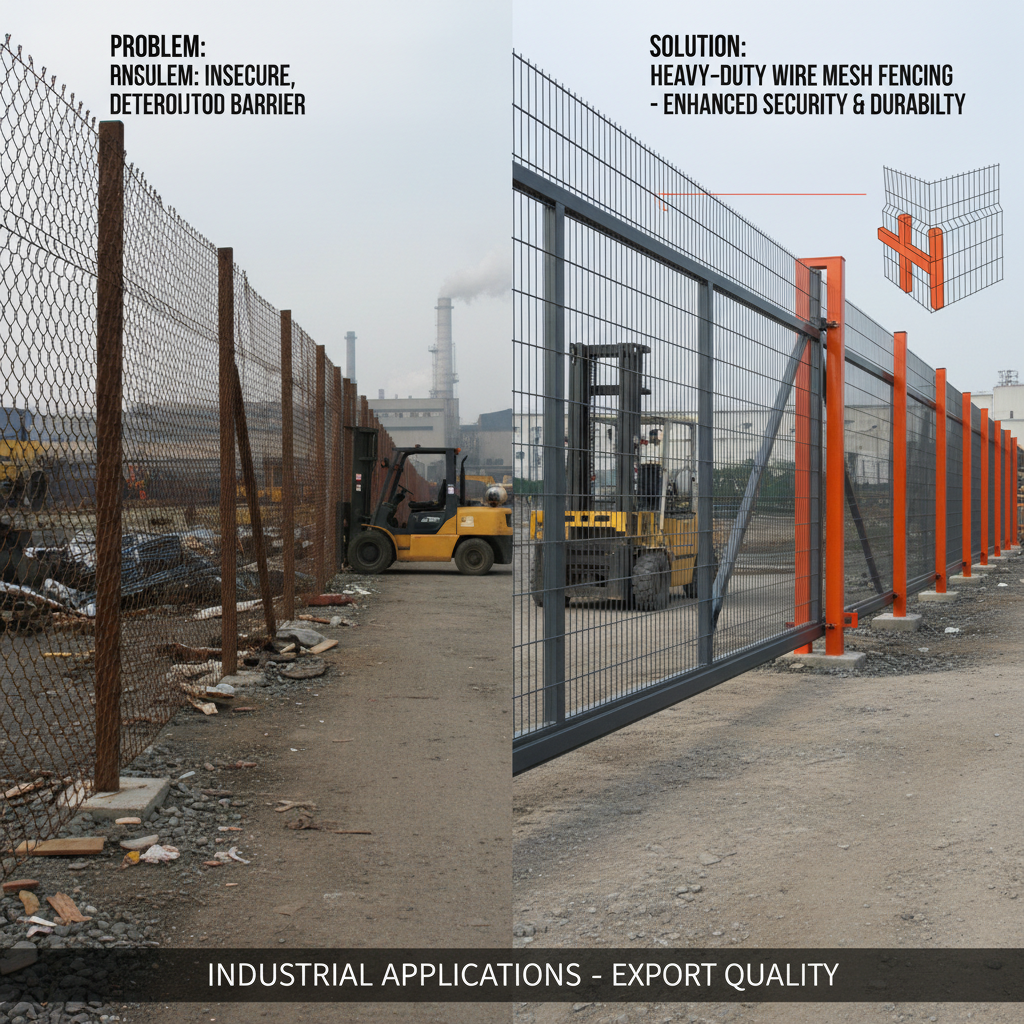
In the demanding world of industrial infrastructure, the quest for longevity and strength often leads to a single, reliable solution: galvanised steel wire mesh. This material represents a perfect synergy between structural rigidity and chemical resistance, providing a barrier that stands the test of time against the most corrosive environments. Whether it is securing a high-security perimeter or providing structural reinforcement in construction, the application of a zinc coating to steel wire transforms a vulnerable metal into a powerhouse of durability.
Globally, the demand for high-quality fencing and mesh solutions has surged as urban expansion and industrialization intensify. The integration of galvanization processes ensures that the steel remains impervious to rust and oxidation, which are the primary causes of structural failure in outdoor installations. By understanding the technical nuances of galvanised steel wire mesh, engineers and procurement managers can significantly reduce maintenance costs and extend the lifecycle of their assets.
Beyond mere security, this material plays a critical role in humanitarian and agricultural sectors, from livestock management to the creation of stable gabion structures for erosion control. The versatility of the mesh—ranging from welded grids to woven patterns—allows it to adapt to a vast array of specifications. In this comprehensive guide, we will explore the industrial context, technical advantages, and future trajectories of this essential manufacturing component.
Global Relevance of Galvanised Steel Wire Mesh
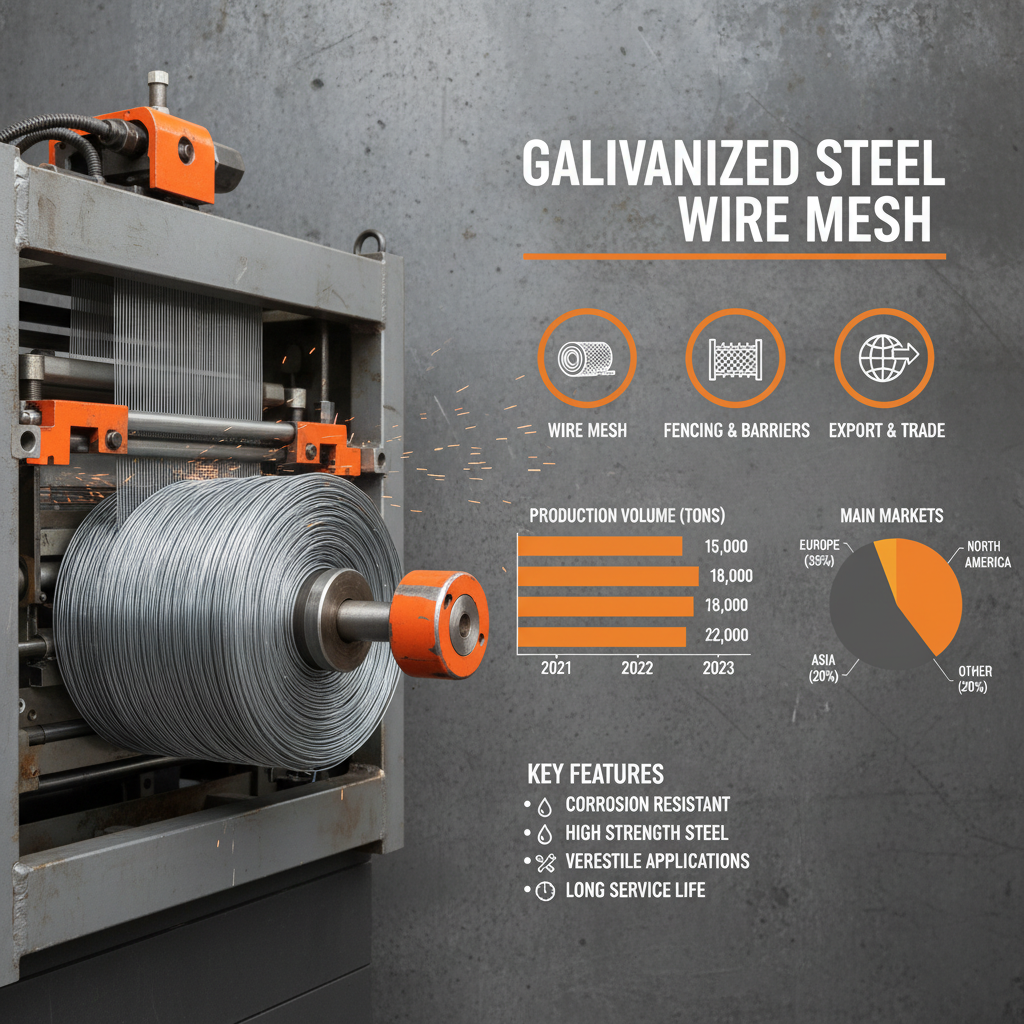
The global reliance on galvanised steel wire mesh is deeply rooted in the need for sustainable and low-maintenance security solutions. According to industrial standards and ISO guidelines, the protection of steel via hot-dip galvanization is the gold standard for preventing atmospheric corrosion. In regions with high humidity or saline coastal air, untreated steel can degrade in a matter of months; however, galvanized coatings can extend the lifespan of a fence or mesh structure by several decades.
This relevance extends to macroeconomic stability, as the construction and mining industries rely on these meshes for safety barriers and structural reinforcement. The challenge often lies in balancing the initial investment cost with the long-term savings on repairs. By implementing high-zinc coatings, industries can avoid the frequent replacement cycles that plague cheaper, non-galvanized alternatives, thereby contributing to a more efficient global supply chain.
Defining Galvanised Steel Wire Mesh and Its Purpose
At its most basic level, galvanised steel wire mesh is a network of steel wires that have been coated with a protective layer of zinc. This process, typically achieved through hot-dip galvanizing, involves immersing the steel in a molten zinc bath, creating a metallurgical bond that is far superior to simple painting or powder coating. This bond ensures that even if the surface is scratched, the surrounding zinc will sacrifice itself to protect the underlying steel from rust.
In a modern industrial context, this mesh serves as more than just a physical barrier; it is a tool for risk management. Whether used in "358 Anti Climb Mesh Fencing" for high-security prisons or "Gabion Wire Mesh" for civil engineering projects, the purpose is to provide a reliable, high-tensile strength structure that remains stable under environmental stress. The "mesh" refers to the open spaces between the wires, which can be tailored to specific needs—such as preventing animal intrusion or filtering debris.
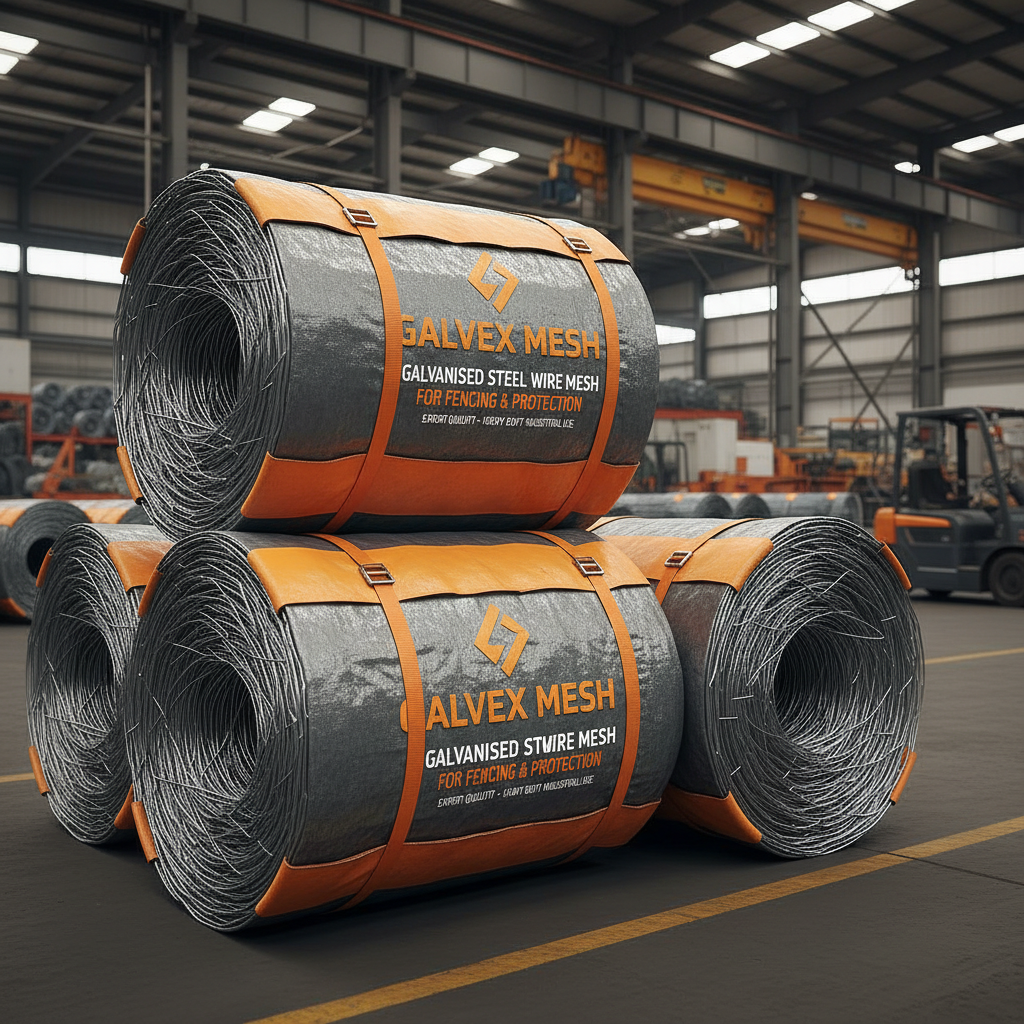
From a humanitarian perspective, this material is indispensable in disaster relief and rural development. For instance, it is used to create temporary shelters, secure food storage areas, and build erosion-control walls in landslide-prone areas. The ability to transport large rolls of mesh and deploy them quickly makes it a cornerstone of rapid infrastructure development in underserved regions of the world.
Core Components of High-Performance Mesh
The durability of galvanised steel wire mesh depends heavily on the quality of the raw steel and the thickness of the zinc layer. High-tensile steel ensures that the mesh can withstand significant impact and tension without deformation, which is critical for security applications like Razor Wire Fence or Welding Fence systems.
Zinc coating thickness, measured in microns, is the primary determinant of the mesh's lifespan. A heavier coating provides a longer "time to first rust," making it ideal for extreme environments. When combined with PVC coating, the galvanised steel wire mesh gains a double layer of protection, adding aesthetic versatility and an additional chemical barrier against acidic rain.
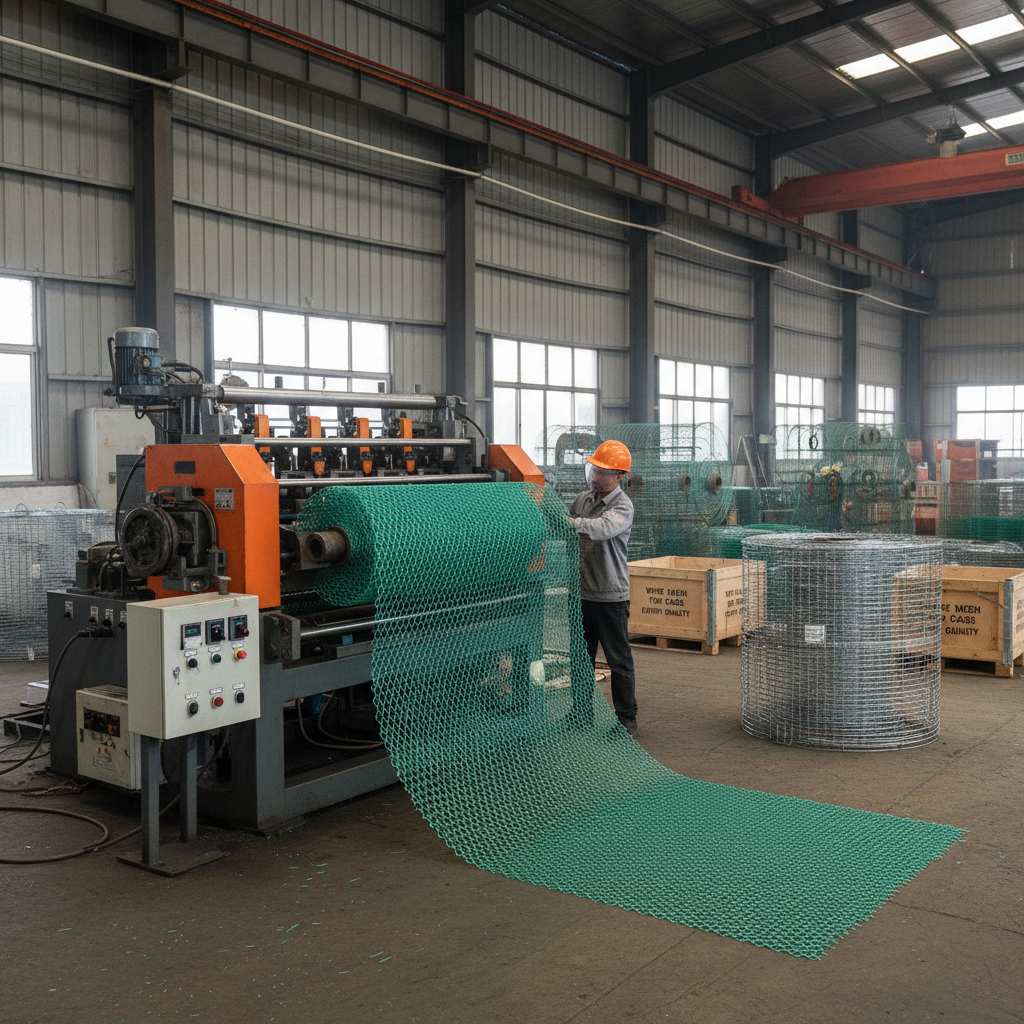
The weaving or welding method also defines the mesh's scalability and rigidity. Welded wire mesh offers superior structural stability for industrial flooring or cages, while woven hexagonal mesh provides the flexibility needed for poultry and garden fencing. Each method is engineered to optimize the distribution of stress across the galvanised steel wire mesh network.
Global Applications and Use Cases
The versatility of galvanised steel wire mesh allows it to be deployed across diverse sectors. In the industrial sector, it is the primary material for "Construction Mesh" and "Metal Grating," providing the necessary support for reinforced concrete and safe walkways in factories. In the agricultural sector, "Cattle Fence" and "Hexagonal Wire Mesh" are essential for livestock management, ensuring that animals are contained safely without the risk of the fence degrading due to soil moisture.
In high-security zones, such as airports, military bases, and data centers, the use of "358 Anti Climb Mesh" and "Concertina Razor Wire" creates an imposing psychological and physical barrier. These applications leverage the high-tensile nature of galvanised steel wire mesh to prevent unauthorized entry while maintaining clear visibility for surveillance systems.
Performance Comparison of Mesh Types
Long-Term Value and Sustainability Advantages
Investing in galvanised steel wire mesh offers a compelling economic argument through the lens of Total Cost of Ownership (TCO). While the initial purchase price may be higher than untreated steel, the absence of frequent painting, rust-treatment, and premature replacement leads to significant long-term savings. For large-scale industrial sites, this reliability means less downtime and a reduced need for maintenance crews.
From a sustainability perspective, galvanizing is an eco-friendly choice because it extends the product's life, thereby reducing the demand for new raw steel production. Steel and zinc are both 100% recyclable, meaning that at the end of its service life, galvanised steel wire mesh can be melted down and repurposed without losing its structural properties. This circular economy approach minimizes the carbon footprint of infrastructure projects.
Future Trends in Steel Mesh Innovation
The future of galvanised steel wire mesh is being shaped by advancements in materials science. We are seeing the emergence of "Zinc-Aluminum-Magnesium" (ZAM) coatings, which provide even higher corrosion resistance than traditional zinc alone, particularly in highly aggressive industrial atmospheres. These hybrid coatings allow for thinner wire gauges to be used without sacrificing longevity, reducing the overall weight and cost of transportation.
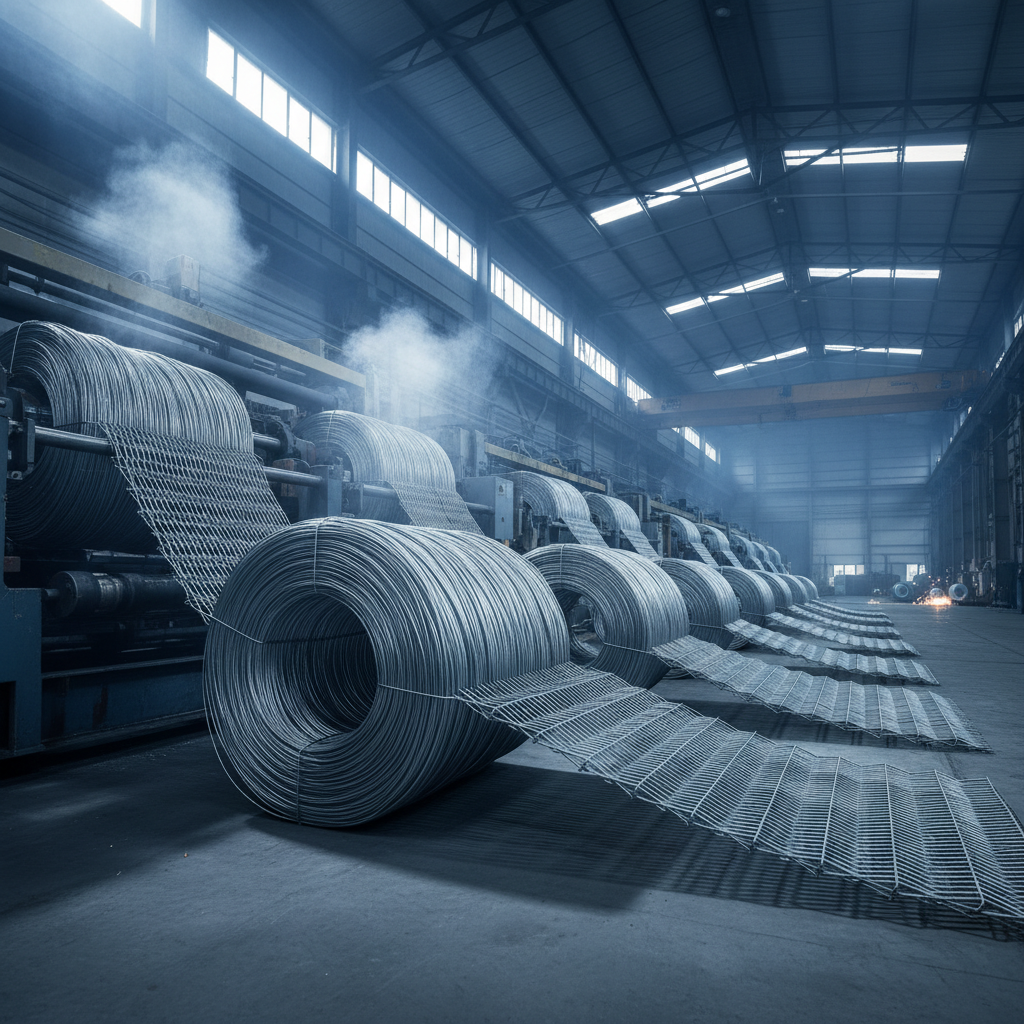
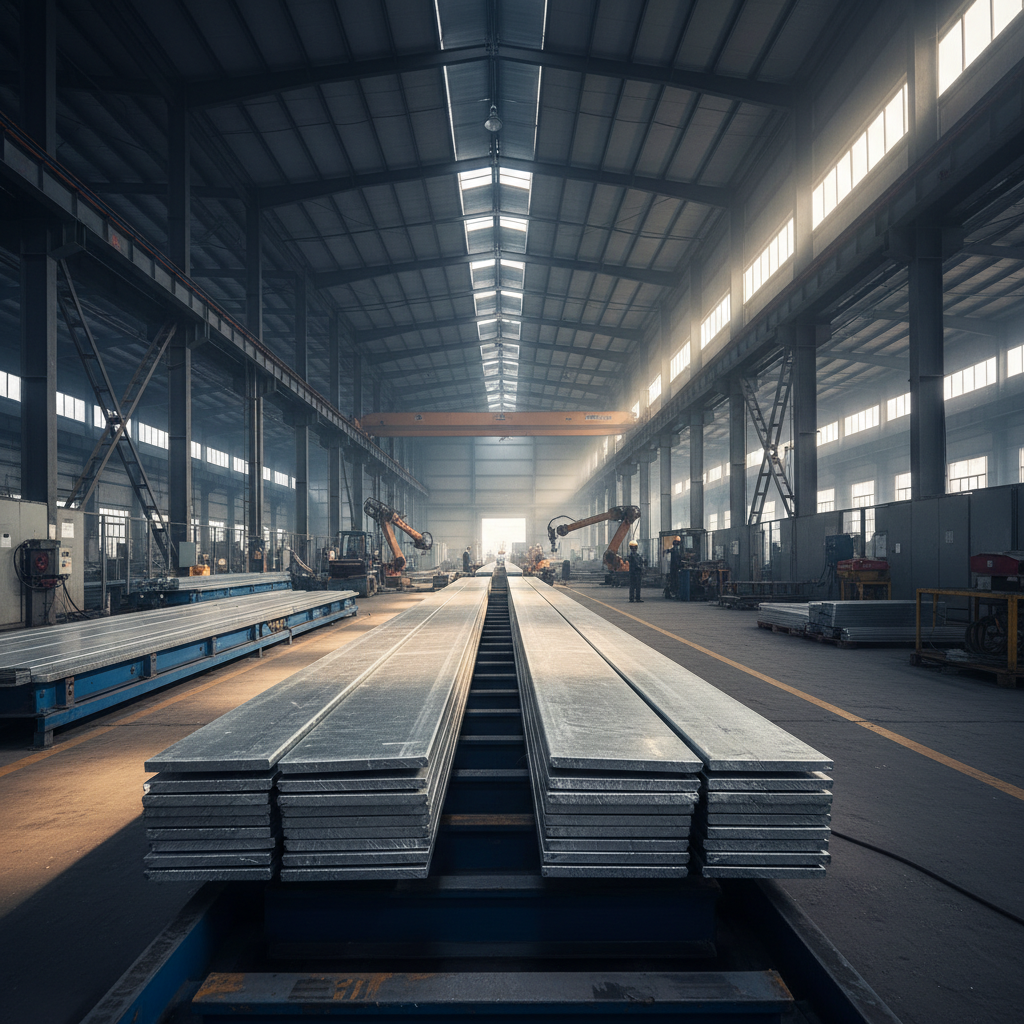
Automation and digital manufacturing are also transforming how these meshes are produced. Precision robotic welding ensures that every junction in a "Welded Wire Mesh" is perfectly fused, eliminating weak points and improving the consistency of the grid. This precision is vital for "Security Fencing Wire" where any structural inconsistency could be exploited by intruders.
Furthermore, the integration of "Smart Fencing" technology is becoming a reality. By incorporating sensors into the galvanised steel wire mesh, operators can detect vibrations or cutting attempts in real-time. This convergence of traditional metallurgy and IoT (Internet of Things) is turning a passive barrier into an active security system.
Overcoming Common Challenges in Mesh Deployment
Despite its strengths, deploying galvanised steel wire mesh is not without challenges. One common issue is "White Rust," a powdery deposit that forms when galvanized steel is stored in damp, poorly ventilated conditions before installation. This is not structural failure, but it can be unsightly and indicate a risk of premature degradation if not handled correctly.
Another challenge is the physical labor involved in installing heavy-duty mesh, such as "Gabion Wire Mesh" or "Double Wire Mesh Fence." To solve this, the industry has shifted toward modular designs and pre-assembled panels. By utilizing standardized bracket systems and tensioning tools, installation time is reduced, and the structural integrity of the fence is guaranteed regardless of the installer's skill level.
Finally, matching the right coating to the specific environment is a frequent pain point for buyers. Expert consultation is key here; for example, using a standard galvanized mesh in a chemical plant may be insufficient, whereas a PVC-coated galvanised steel wire mesh would be the appropriate choice to resist corrosive chemical vapors.
Comparative Analysis of Mesh Specifications and Environmental Suitability
| Mesh Category |
Galvanisation Method |
Expected Lifespan (Years) |
Optimal Environment |
| Security Mesh (358) |
Hot-Dip Galvanised |
20-30 |
High-Security Perimeter |
| Agricultural Mesh |
Electro-Galvanised |
5-10 |
Dry Rural Areas |
| Gabion Mesh |
Heavy Zinc Coating |
25-50 |
Riverbanks/Coastal |
| Industrial Grating |
Hot-Dip + PVC |
15-25 |
Chemical Plants |
| Construction Mesh |
Cold-Galvanised |
10-15 |
Concrete Reinforcement |
| Sports Fence |
Hot-Dip + Polymer |
15-20 |
Public Parks/Courts |
FAQS
Hot-dip galvanising involves immersing the steel in molten zinc, creating a thick, durable layer that is ideal for outdoor and harsh environments. Electro-galvanising uses an electrical current to apply a thinner, smoother zinc layer. While electro-galvanised galvanised steel wire mesh is more aesthetically pleasing and cost-effective, it offers significantly less corrosion resistance than the hot-dip variety.
White rust occurs when the zinc layer is exposed to moisture without oxygen. To prevent this, store your galvanised steel wire mesh in a dry, well-ventilated area. If the mesh is stacked, ensure there is air circulation between the layers. Once installed and exposed to the open air, the zinc will form a stable patina that prevents further white rust from forming.
It depends on the application. PVC coating provides an extra layer of protection against chemicals and salt air, and it allows for different colors. However, if the PVC is punctured, moisture can get trapped underneath, potentially accelerating corrosion in that specific spot. For extreme high-security or structural needs, a heavy-duty galvanised steel wire mesh with a high zinc weight is often more reliable.
Yes, but only if the galvanisation is sufficiently thick. Heavy-duty hot-dip galvanised mesh is commonly used in gabions for riverbeds and coastal erosion control. For permanent underwater immersion, it is recommended to use a mesh with a zinc coating exceeding 250g/m² or to consider stainless steel if the water is highly saline, though galvanised steel wire mesh remains the most cost-effective solution for most projects.
Gauge refers to the thickness of the wire. For standard residential use, a thinner gauge is sufficient. For industrial security, such as "358 Anti Climb Mesh," a thicker, high-tensile gauge is required to prevent cutting and bending. You should evaluate the expected impact force and the level of security required before selecting the gauge for your galvanised steel wire mesh.
Yes, it is highly sustainable. The long lifespan of the material means fewer resources are consumed over time for replacements. Additionally, both the steel and the zinc coating are fully recyclable. Choosing galvanised steel wire mesh reduces the environmental impact associated with the frequent production and disposal of lower-quality fencing materials.
Conclusion
Throughout this exploration, we have seen that galvanised steel wire mesh is far more than a simple industrial commodity; it is a sophisticated engineering solution that balances strength, longevity, and cost-efficiency. From its essential role in global security and infrastructure to its contribution to environmental sustainability through recyclability, the value of galvanized steel is undeniable. By selecting the appropriate coating and mesh type, industries can secure their assets and build lasting structures that withstand the harshest elements.
As we look toward the future, the integration of advanced alloys and smart technology will only further enhance the capabilities of steel mesh. For those seeking to optimize their perimeter security or structural reinforcement, the recommendation is clear: prioritize quality galvanization and high-tensile materials to ensure a maintenance-free future. For professional-grade solutions and a wide range of specifications, we invite you to explore our expertise. Visit our website: www.fencingwiremesh.com