
Acoustic Fence Panels Price: A Comprehensive Guide
Considering noise reduction for your property? Acoustic fence panels offer an effective solution. This article dives into the factors influencing acoustic fence panels price, material options, installation considerations, and what you can expect to invest. Effective noise control is crucial for creating a peaceful environment, and understanding the costs involved is the first step towards a sound investment. We’ll also look at ways to maximize value and achieve the best noise reduction for your budget.
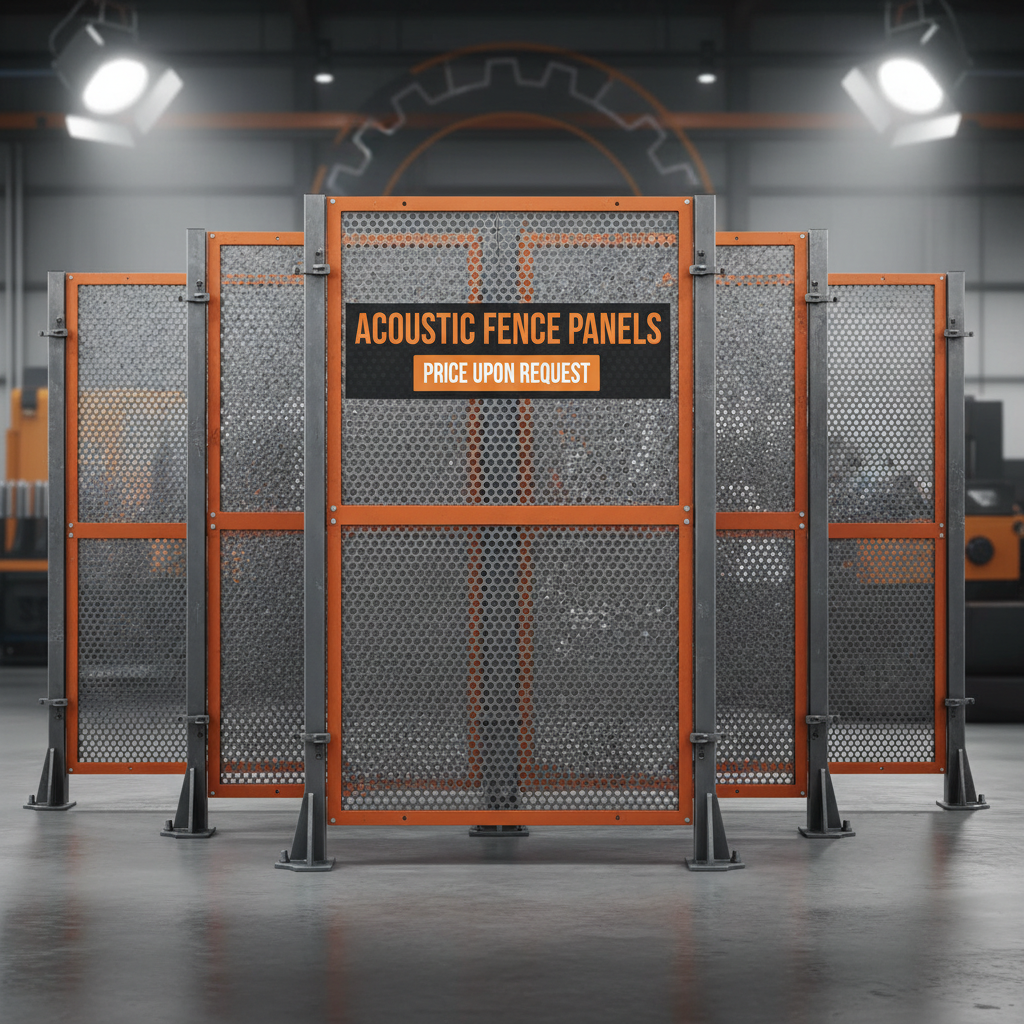
Factors Influencing Acoustic Fence Panel Prices
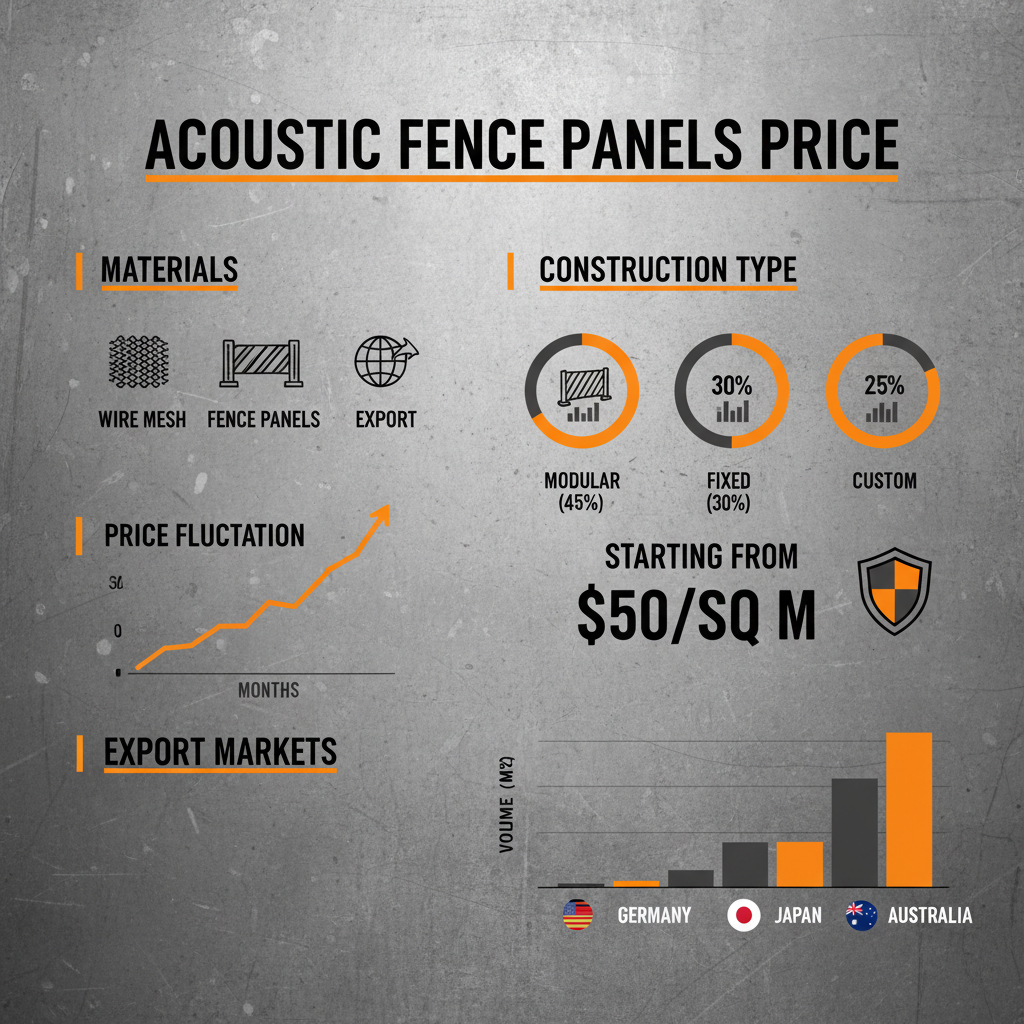
Several key factors determine the price of acoustic fence panels. The primary material used – typically fiberglass, mineral wool, or recycled rubber – significantly impacts the cost. Panel thickness is another crucial element; thicker panels generally offer better noise reduction but come at a higher price point. Panel height and length also influence the overall cost. Finally, consider installation complexity; challenging terrain or the need for custom modifications will increase labor costs. Understanding these variables will help you budget accurately and compare quotes effectively. Looking at the total project cost, including materials and installation, is essential.
Key Takeaways: Material, thickness, height, length, and installation complexity are the primary cost drivers for acoustic fence panels.
Material Comparison: Impact on Acoustic Fence Panels Price
Different materials offer varying levels of noise reduction and come with different price tags. Fiberglass panels are a cost-effective option, offering good sound absorption. Mineral wool panels provide superior noise reduction but are generally more expensive. Recycled rubber panels are durable and environmentally friendly, falling somewhere in between the two in terms of price. The choice depends on your noise reduction goals, budget, and environmental concerns. Consider long-term value, factoring in durability and potential replacement costs when comparing materials.
Material Comparison:
• Fiberglass: Cost-effective, good sound absorption.
• Mineral Wool: Superior noise reduction, higher cost.
• Recycled Rubber: Durable, environmentally friendly, moderate cost.
Acoustic Fence Panels Price Breakdown by Material
Here's a general price range per linear foot for different acoustic fence panel materials. These are estimates and can vary based on supplier, quantity, and location. Labor costs for installation are not included in these figures.
Installation Costs and Considerations
Installation costs can vary significantly depending on the complexity of the project. Factors like site access, terrain, and the need for custom cutting or fitting will all impact the final price. It's generally recommended to hire a professional installer to ensure the panels are installed correctly for optimal noise reduction and stability. Professional installation can add $5 to $15 per linear foot on top of the material costs. Always get multiple quotes and verify the installer's experience and qualifications. Also, check local building codes and regulations regarding fence height and placement.
Maximizing Value: Tips for Reducing Acoustic Fence Panel Costs
To minimize costs, consider combining different materials strategically. For example, you might use fiberglass panels for the majority of the fence and supplement them with mineral wool in particularly noisy areas. Shop around and compare quotes from multiple suppliers. Look for sales and discounts, especially during the off-season. Consider a DIY installation if you’re comfortable with construction work, but be sure to prioritize safety and follow all manufacturer instructions. Finally, properly maintaining your fence will extend its lifespan and reduce the need for costly repairs or replacements. You can find affordable and high-quality solutions at Fencing Wire Mesh.
Conclusion: Finding the Right Acoustic Fence Panel for Your Budget
Ultimately, the acoustic fence panels price will depend on your specific needs and preferences. By carefully considering the factors outlined in this guide, you can make an informed decision and find a solution that effectively reduces noise without breaking the bank. Don't hesitate to consult with professionals to get personalized advice and a detailed quote for your project.
Frequently Asked Questions (FAQs)
What is the typical lifespan of an acoustic fence panel?
The lifespan of an acoustic fence panel varies depending on the material and environmental conditions. Fiberglass panels generally last 15-20 years with minimal maintenance. Mineral wool, being more susceptible to moisture, may last 10-15 years if not properly protected. Recycled rubber can last 20+ years due to its durability. Regular inspections for damage and proper maintenance, such as cleaning and resealing, can significantly extend the lifespan of any type of acoustic fence panel. Avoid harsh chemicals and extreme weather exposure whenever possible.
How much noise reduction can I realistically expect from an acoustic fence?
The amount of noise reduction depends on several factors, including the height and length of the fence, the material used, the frequency of the noise source, and the surrounding environment. Generally, you can expect a reduction of 25-40 dB with a properly installed acoustic fence. For significant noise reduction, a taller fence (at least 6 feet) is recommended. Combining acoustic fencing with other soundproofing techniques, such as planting trees or shrubs, can further enhance the results.
Are acoustic fence panels worth the investment?
For those living near busy roads, airports, or noisy neighbors, acoustic fence panels can be a worthwhile investment. They can significantly improve your quality of life by reducing stress, enhancing sleep, and increasing property value. While the initial cost may be higher than traditional fencing, the long-term benefits of noise reduction can outweigh the expense. Consider the impact of noise pollution on your health and well-being when making your decision. Explore options at Fencing Wire Mesh to find solutions tailored to your budget and needs.