
Building a Chain Link Fence: A Comprehensive Guide
Thinking about adding security and defining boundaries to your property? Building a chain link fence is a cost-effective and durable solution. This guide will walk you through everything you need to know, from planning and materials to installation and maintenance. Whether you’re looking for a residential or commercial fencing solution, we'll provide the insights to help you succeed. A well-constructed chain link fence offers security, pet containment, and adds to your property's value.
Planning Your Chain Link Fence Project
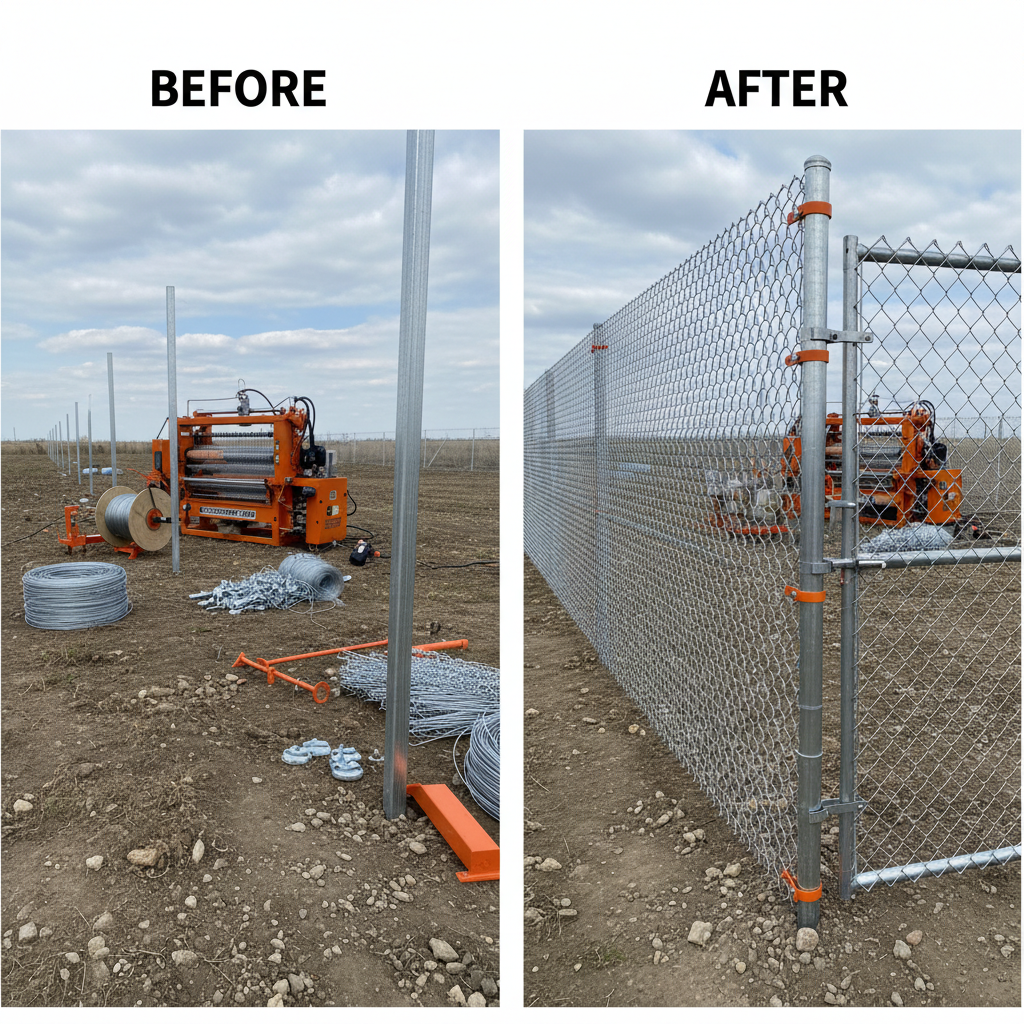
Before you start, careful planning is crucial. First, check local regulations and homeowner association rules regarding fence height and placement. Determine the exact perimeter of your desired fence line, marking the locations of posts accurately. Consider the purpose of your fence – security, privacy, pet containment – as this will influence height and gauge selection. Also, identify any underground utilities to avoid during post installation. Accurate planning will save time and money in the long run and ensure a successful fence build. Remember to obtain any necessary permits before starting your project. You can find high-quality chain link fence materials at Fencing Wire Mesh.
Key Planning Steps: Check local regulations, mark the perimeter, determine fence purpose, identify utilities, and obtain permits.
Materials You'll Need for Building a Chain Link Fence
Gathering the right materials is essential. You'll need chain link fabric, terminal posts, line posts, top rail, tension wire, brace bands, tension bands, tie wires, and hardware for attaching gates. Post material is typically steel, while the fabric comes in various gauges and heights. The gauge indicates the wire thickness – lower numbers mean thicker, more durable wire. Choosing galvanized or vinyl-coated chain link fabric will enhance corrosion resistance. Don't forget safety gear, including gloves, eye protection, and sturdy footwear. Investing in quality materials ensures a long-lasting and secure fence.
Essential Materials:
• Chain link fabric
• Terminal posts
• Line posts
• Top rail
• Tension wire
• Brace bands, tension bands, tie wires
Installing the Posts: The Foundation of Your Fence
Post installation is the most critical step. Dig post holes to the appropriate depth – typically 2-3 feet, depending on local frost lines. Set terminal posts first, ensuring they are plumb (perfectly vertical). Use concrete to secure the posts in the holes, allowing it to cure completely. Next, install line posts at consistent intervals – typically 8-10 feet apart. Proper post spacing ensures the chain link fabric is adequately supported. Check for plumb and alignment as you go. A solid post foundation is essential for the stability and longevity of your fence.
Attaching the Chain Link Fabric: Achieving Proper Tension
Once the posts are set, it’s time to attach the chain link fabric. Start by unrolling the fabric and attaching it to the terminal posts using tension bands. Use tension wire to create a tight, even stretch. Employ a come-along or chain link stretcher to achieve the necessary tension. Secure the fabric to the line posts with tie wires. Proper tension is crucial to prevent sagging and ensure the fence remains secure. Take your time and work methodically for a professional-looking result. You can find helpful videos on chain link fence installation at our website.
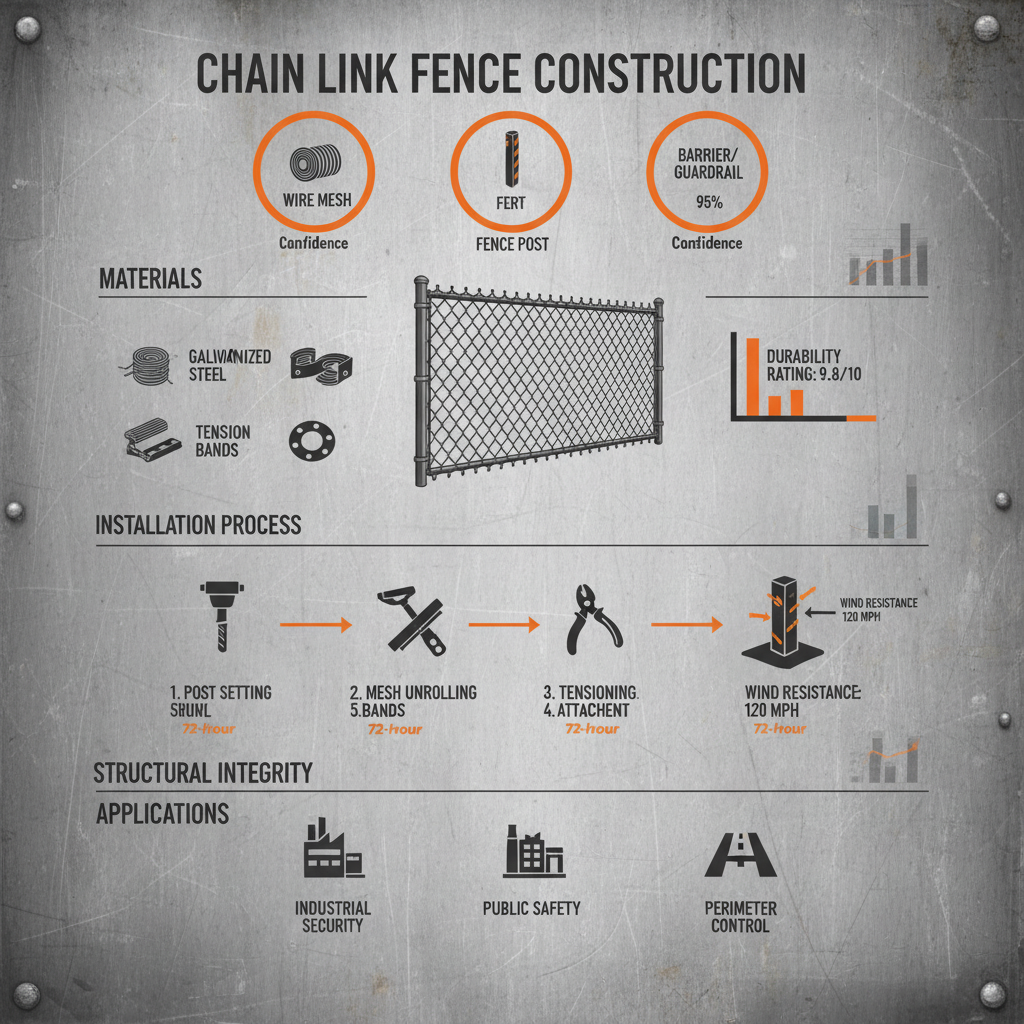
Chain Link Fence Gauge & Height Comparison
Selecting the correct chain link gauge and height for your needs depends on a number of factors, from security concerns to aesthetic preferences. Below is a comparison of common gauges and heights. Keep in mind that higher gauges indicate thicker wire, offering more durability and security.
Conclusion: Secure Your Property with a Chain Link Fence
Building a chain link fence is a manageable project with the right planning and materials. Fencing Wire Mesh offers a wide selection of high-quality chain link fencing materials and expert advice to help you complete your project successfully. A well-built chain link fence provides security, peace of mind, and enhances the value of your property. Don't hesitate to reach out to us for a quote or assistance with your fencing needs!
Frequently Asked Questions (FAQs)
How tall should a chain link fence be for security purposes?
For optimal security, a chain link fence should be at least 6 feet tall. Higher fences are even more effective at deterring intruders. Consider local regulations regarding maximum fence height. Adding a top rail extension or privacy slats can further enhance security. The gauge of the chain link fabric is also important – thicker wire offers better resistance to cutting and climbing. A well-maintained fence with proper tension is also crucial for security.
How long will a chain link fence last?
A properly installed and maintained chain link fence can last 20-30 years or even longer. Galvanized chain link fabric offers excellent corrosion resistance, extending the lifespan of the fence. Vinyl-coated chain link provides even greater protection against rust and weathering. Regular inspection and maintenance, such as tightening tension wires and repairing damaged sections, are essential for maximizing the fence's lifespan. Choosing quality materials from a reputable supplier like Fencing Wire Mesh is also crucial.
Is a permit required to build a chain link fence?
Yes, in most jurisdictions, a permit is required to build a chain link fence. Local regulations vary, so it's essential to check with your city or county planning department before starting your project. Permits ensure that the fence meets safety standards and complies with zoning regulations. Failure to obtain a permit can result in fines and require you to remove the fence. Always verify local requirements before proceeding with your installation.
What is the cost of building a chain link fence?
The cost of building a chain link fence varies depending on the height, gauge, length, and installation costs. On average, you can expect to pay between $15 and $30 per linear foot for materials and installation. DIY installation can save on labor costs, but requires time and effort. Factors such as terrain, gate installation, and site preparation can also affect the overall cost. Contact us at Fencing Wire Mesh for a free quote.