
Chain Link Fence Installation: A Comprehensive Guide
Choosing the right fence for your property can be a significant decision, and chain link fence installation remains a popular and cost-effective solution for security and containment. This article will provide a detailed overview of the installation process, factors to consider, and benefits of using a professional fencing contractor. We’ll cover everything from selecting the correct materials to ensuring a durable and long-lasting fence. Understanding the process ensures you'll get the most value from your investment.
Planning Your Chain Link Fence Installation
Before starting any chain link fence installation project, thorough planning is crucial. This includes checking local zoning regulations and obtaining any necessary permits. Identify property lines to avoid disputes with neighbors. Consider the purpose of the fence—security, privacy, pet containment, or aesthetics—to determine the appropriate height and gauge of the chain link fabric. Finally, assess the terrain, noting any slopes or obstacles that might require adjustments during installation. A well-planned project reduces delays and ensures a satisfactory outcome.
Key Considerations: Zoning regulations, property lines, fence purpose, terrain assessment, necessary permits.
Materials Needed for Chain Link Fence Installation
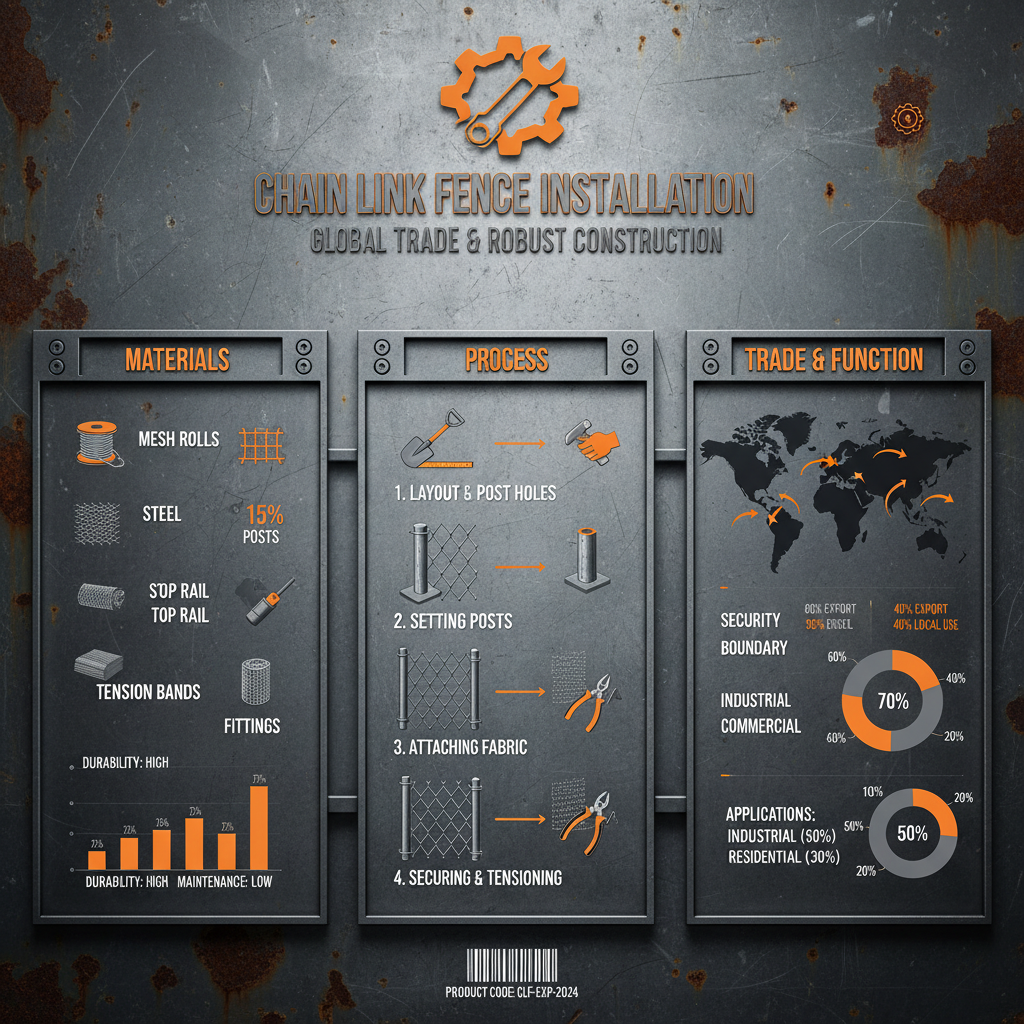
A successful chain link fence installation requires the right materials. These typically include chain link fabric, terminal posts, line posts, top rail, tension wire, brace bands, gate hardware, and fasteners. The gauge of the chain link fabric (measured in wire thickness) determines its strength and durability. Post spacing usually ranges from 8 to 10 feet. Galvanized steel is the most common material for longevity, but vinyl-coated options offer enhanced aesthetics and corrosion resistance. Fencing Wire Mesh provides high-quality materials for any chain link fencing project.
Essential Materials:
• Chain link fabric
• Terminal posts
• Line posts
• Top rail
Step-by-Step Chain Link Fence Installation Process
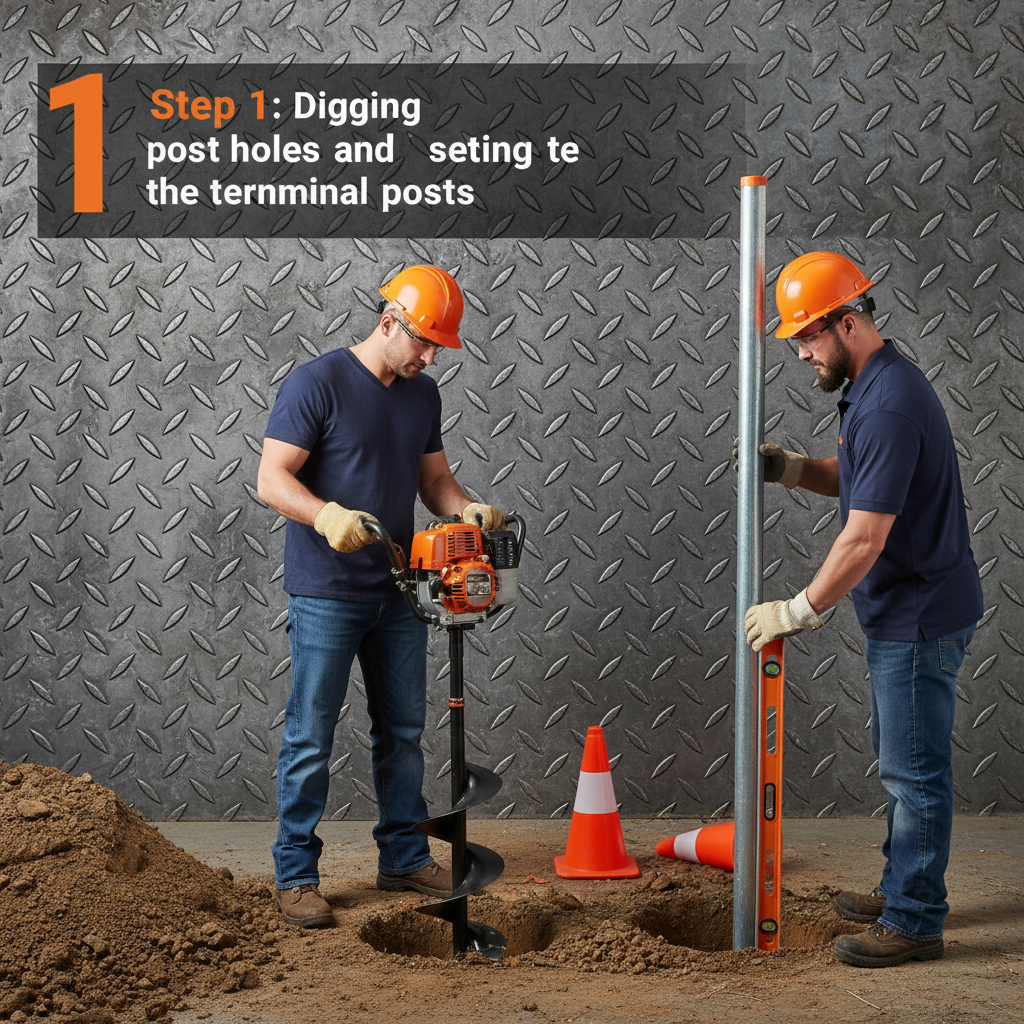
The installation process typically involves these steps: 1) Setting posts in concrete – ensuring proper depth and alignment. 2) Attaching top rail to the posts. 3) Unrolling and attaching the chain link fabric to the posts and top rail using tension wire. 4) Securing the fabric with brace bands. 5) Installing gates and hardware. Proper tensioning of the chain link fabric is essential to prevent sagging and ensure a secure fence. Always follow manufacturer’s instructions for specific materials and hardware.
Chain Link Fence Installation: DIY vs. Professional Installation
While some homeowners opt for DIY chain link fence installation, professional installation offers significant advantages. Professionals have the expertise, tools, and experience to ensure a properly installed fence that meets safety standards and lasts for years. DIY installations can be time-consuming and may result in errors that compromise the fence’s integrity. Professional installers also handle permitting and inspections, saving you valuable time and effort. Consider your skill level and the complexity of the project before deciding.
Cost Considerations for Chain Link Fence Installation
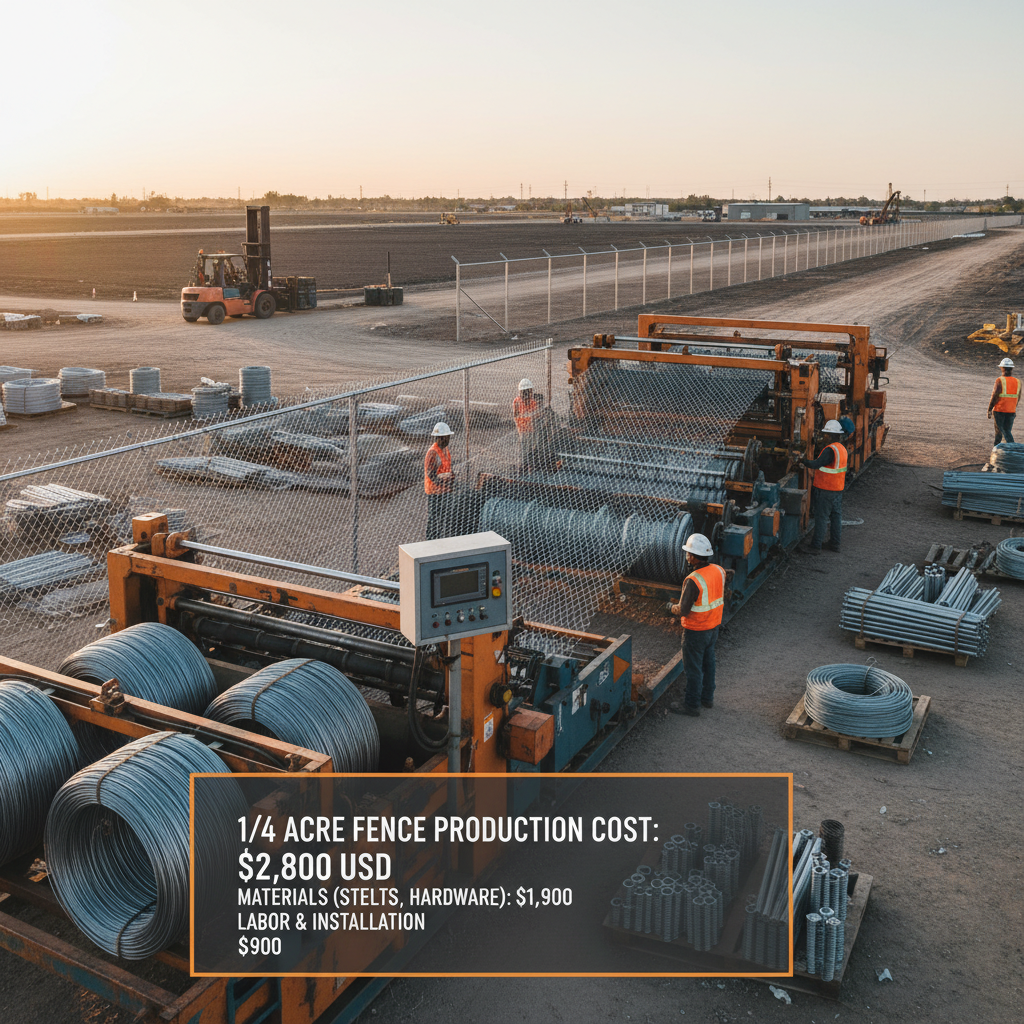
The cost of chain link fence installation varies depending on factors like fence height, length, gauge of the material, and labor costs. Generally, costs range from $10 to $30 per linear foot, including materials and installation. Vinyl-coated chain link typically costs more than galvanized steel. Gate installation adds to the overall cost. Obtaining quotes from multiple contractors is recommended to ensure you receive a fair price.
Conclusion: Secure Your Property with Chain Link Fencing
Investing in a chain link fence is a smart decision for property security and containment. Whether you choose to DIY or hire a professional, careful planning and quality materials are key to a successful installation. Fencing Wire Mesh offers a wide range of chain link materials and expert advice to help you create a durable and reliable fence for your property.
Frequently Asked Questions (FAQs)
How long does a chain link fence typically last?
A properly installed chain link fence, particularly one made with galvanized or vinyl-coated steel, can last 20-30 years or even longer with minimal maintenance. Factors affecting longevity include the quality of materials, the climate, and regular inspections for corrosion or damage. Regular cleaning and addressing minor issues promptly can significantly extend the fence’s lifespan. Proper post installation is vital; posts set too shallowly or improperly can lead to premature failure.
What height chain link fence is best for security?
For optimal security, a 6-foot chain link fence is generally recommended. This height provides a significant deterrent to intruders and is difficult to climb. However, 8-foot fences are often used for high-security applications. Adding a top rail extension or barbed wire can further enhance security. Consider local regulations regarding fence height limitations.
Is a permit required for chain link fence installation?
Yes, in most municipalities, a permit is required for chain link fence installation. Permit requirements vary depending on location and fence height. Check with your local building department to determine the specific regulations in your area. Failing to obtain a permit can result in fines and require you to remove the fence.
How can I prevent my chain link fence from rusting?
Rust prevention starts with choosing galvanized or vinyl-coated chain link fabric. Regularly inspect the fence for any signs of corrosion and address them promptly. Applying a rust inhibitor or paint to exposed metal surfaces can provide additional protection. Avoid using harsh chemicals or abrasive cleaners that can damage the protective coating.