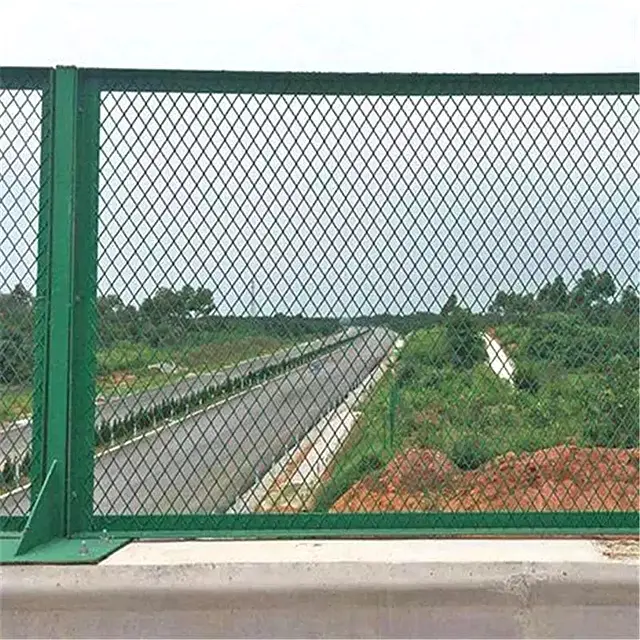

Understanding Wire Link Fence: A Comprehensive Guide
When securing property, livestock, or crops, choosing the right fencing material is crucial. Wire link fence, also known as chain link fence, offers a durable, cost-effective, and versatile solution for a wide range of applications. This article provides an in-depth look at wire link fence, covering its types, benefits, installation considerations, and maintenance tips. We'll explore why it remains a popular choice for both residential and commercial fencing needs.
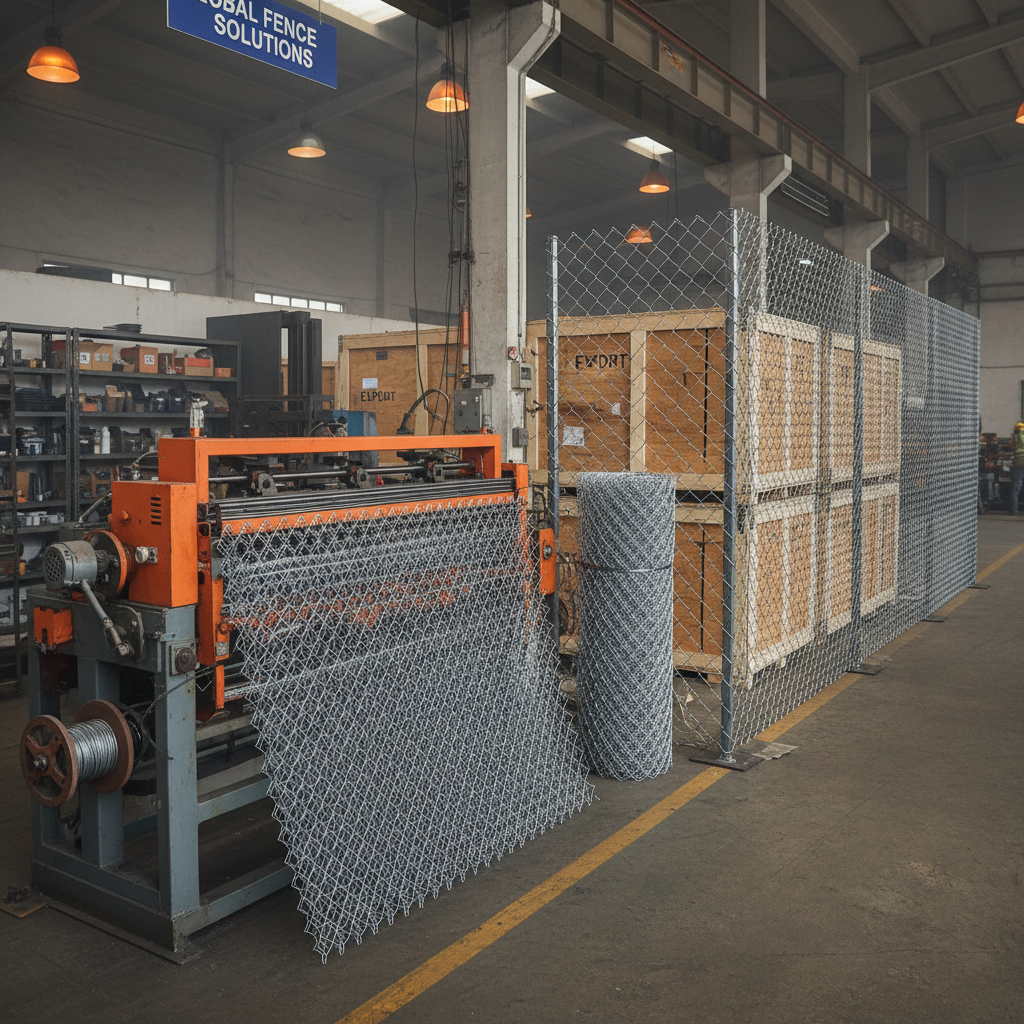
What is Wire Link Fence?
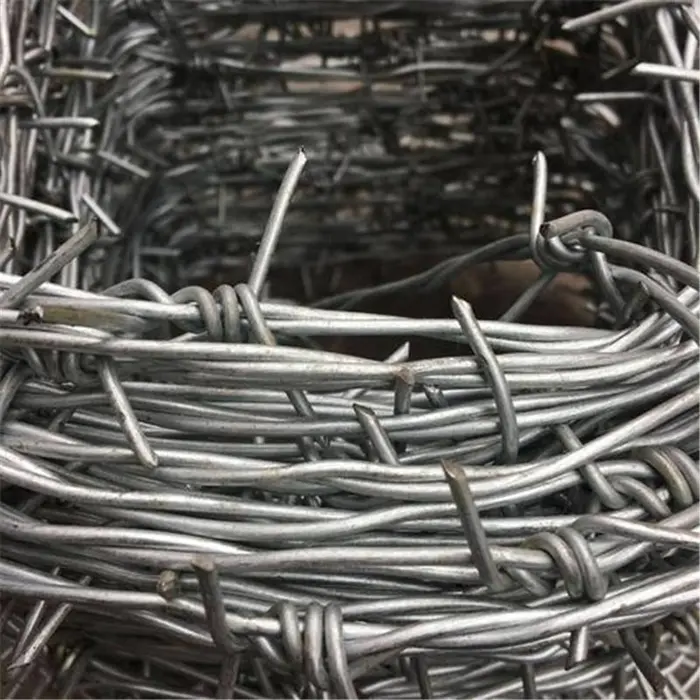
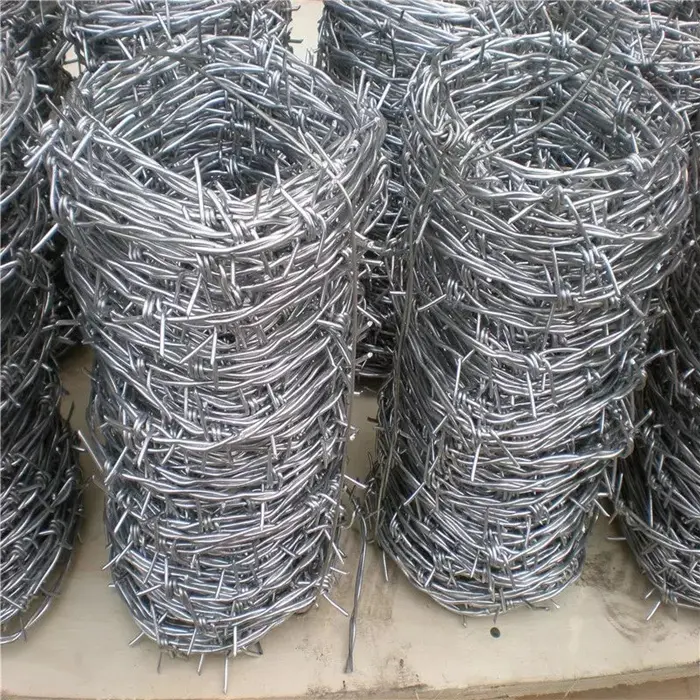
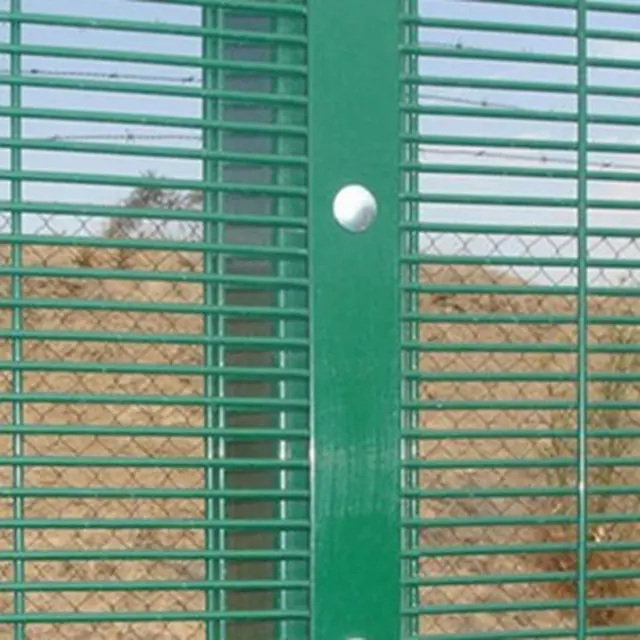
Wire link fence is a woven mesh fencing material typically made from galvanized steel wire. The wires are bent into interlocking loops, creating a diamond pattern. This construction provides excellent strength and resistance to stretching or breaking. The flexibility of the wire allows it to conform to uneven ground, making installation easier. It’s commonly used for security fencing, animal enclosures, and general boundary demarcation. Fencing Wire Mesh offers a wide variety of wire link fence options to suit various needs.
Key Benefits: Durable, Cost-effective, Versatile, Secure, Long-lasting.
Types of Wire Link Fence
Wire link fence comes in several variations to meet different requirements. These include:
- Galvanized Steel: The standard option, providing good corrosion resistance.
- PVC Coated: A layer of PVC coating adds extra protection against rust and comes in various colors.
- Stainless Steel: Offers superior corrosion resistance, ideal for harsh environments.
- Different Gauges: The wire gauge (thickness) affects the strength and cost of the fence. Lower gauge numbers indicate thicker wire.
- Different Mesh Sizes: The size of the diamond openings determines the level of security and visibility.
Choosing the Right Type:
• For general security: Galvanized steel or PVC-coated fence with a smaller mesh size.
• For animal enclosures: Smaller mesh size to prevent escape.
• For coastal areas or corrosive environments: Stainless steel fence.
Wire Link Fence: Comparing Options
Understanding the differences between various wire link fence options is vital for selecting the most suitable material for your specific application. The table below provides a comparison of common types, outlining their strengths and weaknesses.
Installation Considerations for Wire Link Fence
Proper installation is key to ensuring the longevity and effectiveness of your wire link fence. This typically involves setting posts at regular intervals (usually 8-10 feet apart), attaching tension wire to provide support, and securely fastening the wire link fabric to the posts and tension wire. Consider the terrain and soil conditions when choosing post materials (steel, wood, or concrete). It’s recommended to use professional fencing installers, especially for larger projects, to ensure a secure and properly tensioned fence. Contact us for installation advice.
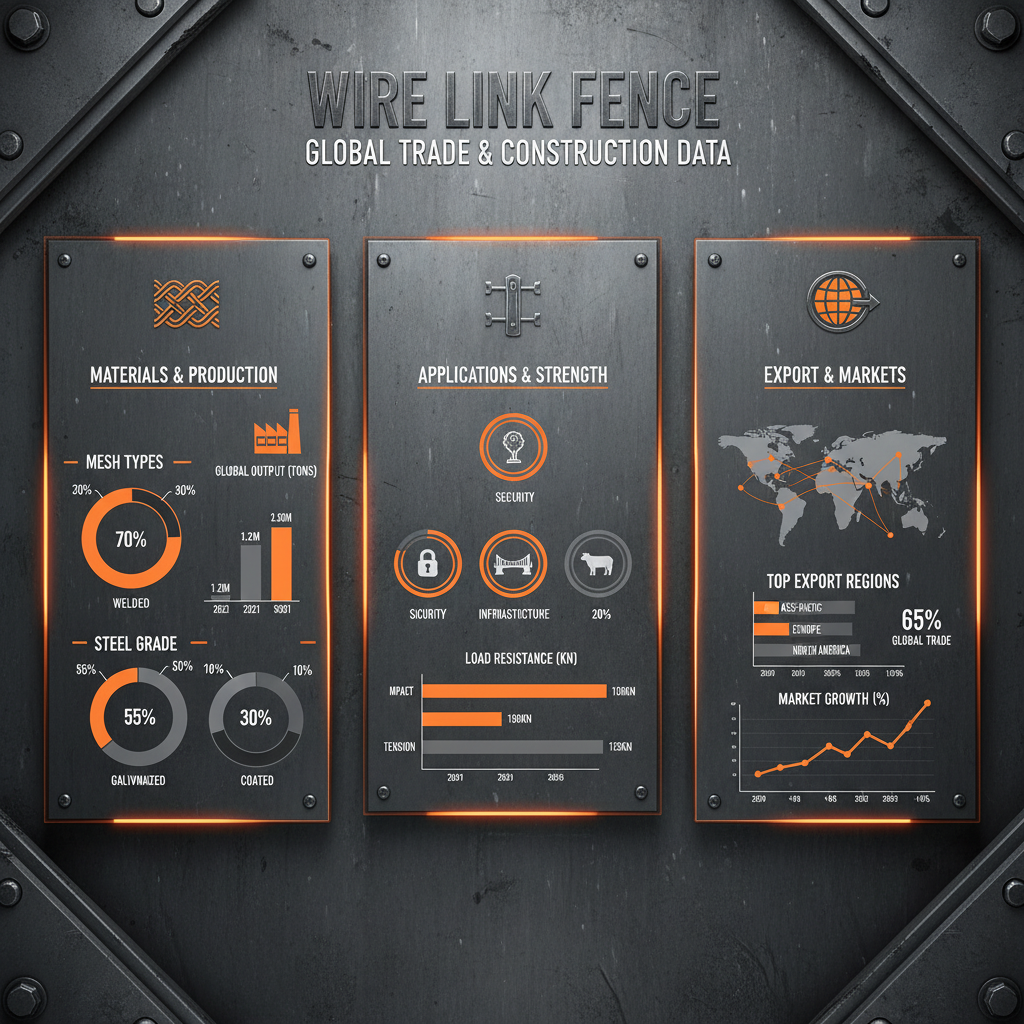
Maintaining Your Wire Link Fence
With minimal maintenance, a wire link fence can last for many years. Regular inspections for damage, such as broken wires or loose fittings, are essential. Clean the fence periodically to remove dirt, debris, and vegetation that can contribute to corrosion. For galvanized steel fences, consider applying a rust inhibitor every few years to extend their lifespan. If you notice any significant damage, prompt repairs will prevent further deterioration and maintain the security of your fence.
Conclusion: The Enduring Value of Wire Link Fence
Wire link fence remains a practical and cost-effective fencing solution for a wide range of applications. Its durability, versatility, and relatively low maintenance requirements make it a popular choice for homeowners, businesses, and agricultural operations. By understanding the different types and installation considerations, you can choose the right wire link fence to meet your specific needs. Explore the extensive range of wire link fence products available at Fencing Wire Mesh.
Frequently Asked Questions (FAQs)
How long does a wire link fence typically last?
The lifespan of a wire link fence depends heavily on the materials used and the environment. Galvanized steel fences typically last 10-20 years with minimal maintenance. PVC-coated fences can last longer, up to 25 years or more, due to their enhanced corrosion resistance. Stainless steel offers the longest lifespan, often exceeding 30 years. Regular inspections and timely repairs are crucial for maximizing the fence's longevity. The quality of installation also plays a significant role; a properly installed fence will withstand the elements better.
What is the best wire gauge for a security fence?
For a security fence, a lower wire gauge (thicker wire) is recommended. 9-gauge or 11-gauge wire is commonly used for enhanced security as it is more difficult to cut or break. The mesh size also matters; smaller mesh openings provide greater security. Consider the level of risk and the potential for vandalism when choosing the wire gauge and mesh size. A professional fencing contractor can help you determine the best options for your specific security needs.
Can wire link fence be used for animal enclosures?
Yes, wire link fence is frequently used for animal enclosures. However, the mesh size is critical. For smaller animals like chickens or rabbits, a smaller mesh size (1" x 1" or smaller) is necessary to prevent escape. For larger animals like goats or sheep, a larger mesh size (2" x 4") may be sufficient. Ensure the fence is securely installed and properly tensioned to prevent animals from pushing or climbing over it. Consider adding a top rail or apron to deter climbing.
How do I prevent rust on a galvanized steel wire link fence?
While galvanized steel offers good corrosion resistance, it's not immune to rust. To prevent rust, regularly clean the fence to remove dirt, debris, and salt. You can also apply a rust inhibitor or protective coating specifically designed for galvanized steel. Inspect the fence for any damaged areas where the galvanization has been compromised and repair them promptly. Avoid using harsh chemicals or abrasive cleaners that can damage the protective coating.