
PVC Coated Hexagonal Wire Mesh: A Global Game-Changer in Durable Fencing Solutions
If you’ve ever wondered why certain fencing materials remain popular across industries worldwide, the pvc coated hexagonal wire mesh is a core player. It’s simple yet incredibly effective—imagine a flexible, tough wire mesh coated with PVC and shaped hexagonally for strength. But beyond just fencing, it serves numerous global industrial and humanitarian needs. Its significance is quietly growing everywhere, from agricultural zones protecting crops to post-disaster reconstruction sites ensuring safety.
Global Context: Why This Mesh Matters Today
In a world increasingly focused on sustainability, safety, and cost-effective infrastructure, materials like PVC coated hexagonal wire mesh fill a crucial gap. According to the United Nations, infrastructure resilience in vulnerable regions is a priority item on the development agenda (UN, 2023). Meanwhile, the ISO standards governing wire mesh quality have evolved to emphasize durability and eco-friendly coatings, putting PVC coated variants front and center.
However, challenges such as corrosion, structural failures, and maintenance costs persist with traditional metal meshes. The PVC coating aspect addresses many of these problems by enhancing durability and extending lifespan, reducing replacement frequency and cost. You could think of this mesh as the industry’s practical response to these persistent hurdles.
Defining PVC Coated Hexagonal Wire Mesh
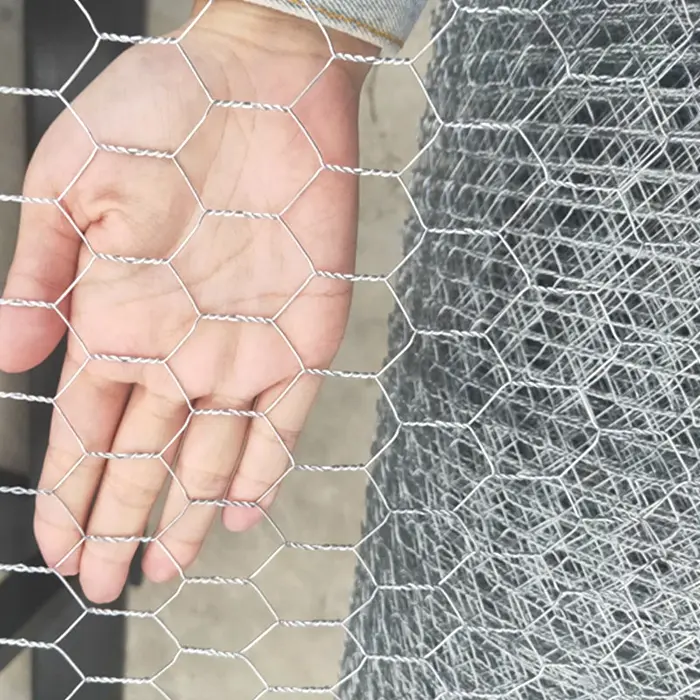
Put plainly, this mesh consists of interconnected hexagon-shaped wire units coated with polyvinyl chloride (PVC). The hexagonal pattern distributes force evenly, preventing deformation under pressure, while PVC acts as a weather-resistant shield against rust and wear.
In terms of industry relevance, this product fits nicely within modern fencing, containment, filtration, and even reinforcement domains. Its adaptability means it’s embraced in humanitarian assistance too—think of temporary fences or safety barriers after natural disasters.
Core Aspects of PVC Coated Hexagonal Wire Mesh
1. Durability
Thanks to the PVC coating, the wire mesh withstands corrosion, UV exposure, and abrasion remarkably well. You can leave this mesh outdoors for years without worrying about rust eating away at it. This quality dramatically lowers maintenance costs and increases reliability.
2. Flexibility and Scalability
The hexagonal design is notably flexible—ideal when contouring over uneven terrain or creating temporary fencing setups. It's also scalable; manufacturers provide rolls in various lengths and widths depending on the application.
3. Cost Efficiency
Using PVC coated wire can be cheaper in the long run compared to galvanized wire, considering extended product lifespan and low upkeep. Installation tends to be straightforward, further trimming labor expenses.
4. Environmental Resistance
From humid tropical climates to arid deserts, this mesh performs well. The protective coating minimizes exposure damage, making it suitable for diverse weather conditions.
5. Safety and Aesthetic Appeal
The coating not only protects but also offers a cleaner, smoother finish that reduces injury risk. This is particularly important in farms, schools, or urban playground fences.
Product Specifications Snapshot
| Specification | Details |
|---|---|
| Wire Diameter | 0.8 - 1.6 mm |
| Mesh Opening Size | 12.5 - 50 mm (hexagonal) |
| PVC Coating Thickness | 0.2 - 0.5 mm |
| Roll Length | 25 - 50 meters |
| Colors Available | Green, black, white, customized |
Global Applications & Use Cases
Let's start with agriculture—the first obvious beneficiary. Farmers use PVC coated hexagonal wire mesh for poultry fencing or to protect crops from unwanted wildlife. In Europe and Asia, for instance, it’s common in vineyard protection and rabbit-proof fences. Oddly enough, humanitarian efforts rely heavily on this mesh, too. For example, after floods or earthquakes in Southeast Asia, NGOs set up temporary safe zones using this material due to its rapid deployability and durability.
Industrial zones in Africa sometimes employ this mesh as a reliable containment barrier—preventing unauthorized access while requiring minimal repairs over time. Urban planners adopt it in recreational areas and sports grounds, where it combines safety with aesthetics.
Each of these uses leverages the mesh's lightweight form alongside its impressive safety profile. Even remote infrastructure projects favor it, as logistics for resupply are complex, and a low-maintenance fencing solution makes operational sense.
Vendor Comparison Table
| Supplier A | Supplier B | Supplier C | |
|---|---|---|---|
| PVC Coating Quality | High UV Resistance | Standard | Enhanced Thickness |
| Customization | Limited Colors | Full Range | Custom Mesh Sizes |
| Lead Time | 3 Weeks | 2 Weeks | 4 Weeks |
| Price Range (per roll) | $120 - $140 | $110 - $130 | $130 - $150 |
Advantages & Long-Term Value
- Cost savings: Longevity means you don’t constantly replace fencing.
- Sustainability: PVC coated mesh can be recycled and helps reduce material waste.
- Safety: Smooth PVC coating lessens injury risk for humans and animals alike.
- Trust & Innovation: Widely recognized by engineers and planners for reliability in diverse conditions.
Trust me, the peace of mind you get from a fence that doesn't rust or break down is huge. It’s not just about saving a few bucks; it’s about upholding safety and dignity in spaces that matter.
Future Trends & Innovations
The future looks exciting for this material class. New “green” PVC blends reduce toxins and improve biodegradability. Digitally enhanced coatings with antimicrobial properties are also emerging (imagine fencing that prevents mold or bacteria growth). Automation in mesh weaving improves precision, allowing customized panels with embedded sensors for security monitoring. Plus, sustainability policies from ISO and environmental groups push suppliers to innovate with eco-friendlier materials and recycling programs.
Challenges & Solutions
That said, challenges remain. PVC coatings can degrade under extreme conditions or prolonged sunlight, though technological advances have mitigated much. Installation in remote sites still requires skilled labor. Experts advise pairing the mesh with complementary protective measures (like tensioning wires or posts) to ensure lasting performance.
FAQ: Practical Questions You Might Have
- Q: How long does PVC coated hexagonal wire mesh last outdoors?
- A: Typically, it lasts 10-15 years depending on exposure conditions. High-quality coatings and proper installation extend durability.
- Q: Is this mesh suitable for raising poultry?
- A: Absolutely. Its small openings prevent bird escape and predator ingress while staying flexible enough for variable enclosures.
- Q: Can I color match the fence to my property?
- A: Many manufacturers offer custom colors beyond standard green or black, helping fences blend aesthetically with surroundings.
- Q: What’s the main difference between galvanization and PVC coating?
- Galvanization offers basic corrosion resistance by zinc coating; PVC adds a thicker protective layer and enhances UV resistance.
- Q: How quickly can I get bulk orders shipped internationally?
- Lead times vary but generally between 2-4 weeks depending on supplier location and order size.
Conclusion
In real terms, if you’re looking for a fencing solution that’s durable, cost-effective, and adaptable worldwide, pvc coated hexagonal wire mesh stands out—hands down. Its ability to combine strength, longevity, and ease of use has earned it a reputation that continues to grow. For those aiming to safeguard property, livestock, or even human safety in challenging environments, this product offers tangible benefits now and into the future.
Curious to learn more or ready to source your own? Visit https://www.fencingwiremesh.com to explore specifications, samples, and supplier options.
Mini takeaway: This mesh blends technology and simplicity to meet practical fencing needs — a quiet, sturdy champion in the fencing world.
References: