
Industrial Trends and the Evolution of Steel Grate Solutions
The landscape of industrial infrastructure is continually evolving, driven by demands for enhanced safety, durability, and operational efficiency. In this dynamic environment, the role of robust and reliable materials becomes paramount. One such critical component, increasingly vital across diverse sectors, is the engineered galvanized steel grate steps. These specialized components are at the forefront of enabling safe access and robust platforms in some of the world's most challenging industrial settings.
Current industry trends highlight a significant push towards materials that offer superior corrosion resistance and extended service life, reducing both maintenance costs and environmental impact. The global market for industrial gratings is projected to grow steadily, fueled by continued investment in infrastructure, petrochemical facilities, power generation plants, and wastewater treatment systems. This growth is intrinsically linked to the demand for high-performance steel grate material that can withstand harsh chemical exposures, heavy loads, and abrasive conditions. Furthermore, the emphasis on worker safety standards, such as OSHA regulations, mandates the use of highly slip-resistant and structurally sound walking surfaces, making advanced steel grate solutions indispensable.
Innovations in manufacturing processes, coupled with advanced surface treatments like hot-dip galvanization, have propelled the capabilities of steel gratings far beyond conventional flooring. These advancements allow for bespoke designs, precise load distribution, and integration with complex architectural and engineering requirements. The increasing need for customized access solutions in complex industrial layouts further solidifies the position of specialized steel grate products, including stair treads, as a cornerstone of modern industrial design.
The Advanced Manufacturing Process of Steel Grate Steps
The creation of high-quality steel grate steps is a meticulously controlled multi-stage process, ensuring products meet stringent international standards for strength, durability, and corrosion resistance. Understanding this process is crucial for appreciating the inherent value and reliability of the final product.
Process Flow Overview:
- Material Selection: High-grade low-carbon steel (e.g., Q235, ASTM A36) is chosen for its excellent weldability and structural integrity. This forms the base steel grate material.
- Bearing Bar Preparation: Steel plates are cut to precise dimensions for bearing bars, which bear the primary load. Notches are often introduced at specific intervals for cross bar insertion.
- Cross Bar Insertion & Welding: Twisted square bars or round bars, serving as cross bars, are inserted into the notches of the bearing bars. The assembly is then subjected to high-pressure resistance welding or forge welding. This process fuses the bearing bars and cross bars, creating a robust, unitary panel—the steel grate sheet.
- Trimming and Edge Banding: The welded panels are trimmed to the required dimensions for stair treads. Edges are often banded with flat bar to enhance structural integrity, provide a finished look, and facilitate secure mounting.
- Nosing (Optional but Recommended): For stair treads, a nosing bar (e.g., checkered plate or abrasive bar) is welded to the front edge. This significantly enhances slip resistance and visibility, critical for safety.
- Surface Preparation: The fabricated steel grate steps undergo thorough cleaning, including degreasing and pickling in acid baths, to remove mill scale, rust, and contaminants, preparing the surface for optimal galvanization.
- Hot-Dip Galvanization: The cleaned steel grate steps are immersed in a bath of molten zinc at approximately 450°C (840°F). A metallurgical bond forms between the steel and zinc, creating a durable, multi-layered protective coating that adheres to ISO 1461 and ASTM A123 standards. This provides exceptional corrosion resistance.
- Final Inspection and Testing: Each galvanized step is inspected for coating thickness, uniformity, adhesion, and overall structural integrity. Dimensional accuracy and compliance with design specifications (e.g., ANSI/NAAMM MBG 531-09) are verified.
- Packaging and Dispatch: Products are carefully stacked and packaged to prevent damage during transit, ready for deployment.
This meticulous process ensures a service life often exceeding 25-50 years in typical atmospheric conditions, depending on the environment. Target industries benefiting from these advantages include petrochemical, metallurgy, power generation, water supply & drainage, and general manufacturing. The corrosion resistance offered by galvanization is paramount in these aggressive environments, while the open mesh design promotes energy saving through natural light penetration and efficient ventilation, reducing the need for artificial lighting and air circulation systems.
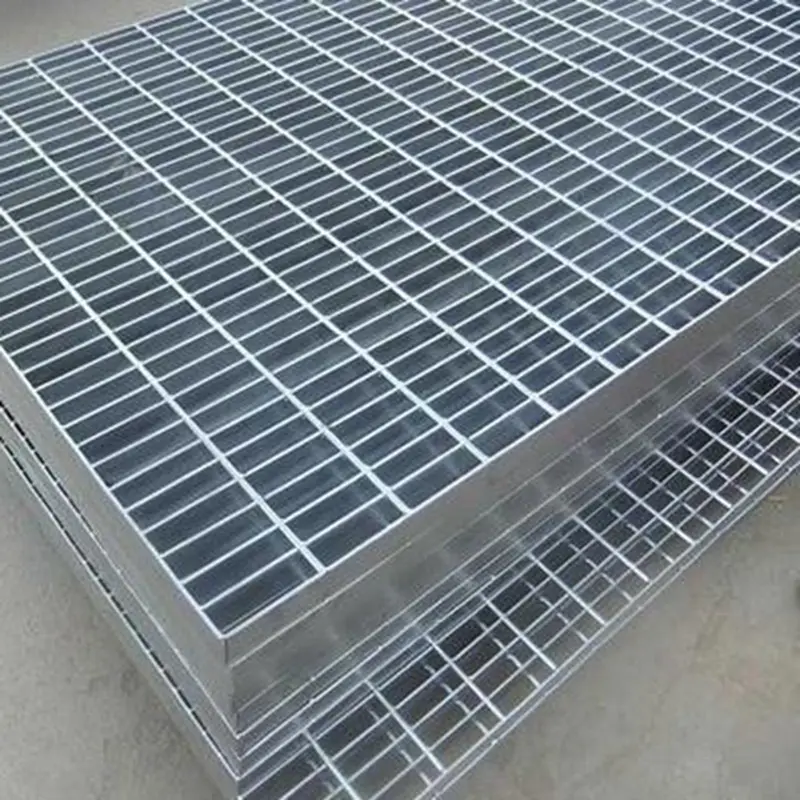
Schematic representation of the robust manufacturing and galvanization process.
Technical Specifications and Design Parameters for Industrial Steel Grate Steps
Precision engineering and adherence to strict technical parameters are foundational to the performance and safety of steel grate steps. Specifying the correct design ensures optimal load-bearing capacity, slip resistance, and durability for diverse industrial applications.
Key Terminology and Parameters:
- Bearing Bar: The main load-carrying elements, typically oriented parallel to the span. Dimensions (depth x thickness) dictate load capacity.
- Cross Bar: The secondary bars, typically twisted square or round, welded perpendicularly to the bearing bars, providing lateral stability and retaining spacing.
- Pitch (Bearing Bar Spacing): The center-to-center distance between adjacent bearing bars. Common pitches include 30mm, 40mm, 60mm.
- Cross Bar Spacing: The center-to-center distance between adjacent cross bars, typically 50mm or 100mm.
- Material Grade: Often Q235 (Chinese standard), equivalent to ASTM A36 (US standard), known for good structural properties and weldability.
- Surface Treatment: Hot-dip galvanization is standard, complying with ISO 1461, ensuring a minimum zinc coating thickness (e.g., 65-85 microns).
- Surface Type:
- Plain: Smooth surface, suitable for areas with less liquid or debris.
- Serrated: Notched bearing bars provide superior slip resistance, essential in wet, oily, or icy conditions.
- Nosing: The front edge of the stair tread, often a checkered plate or abrasive strip, enhancing safety and visibility.
- End Plates: Flat bars welded to the ends of the tread for bolted connection to stringers.
Typical Product Specification Table: Industrial Building Materials Galvanized Steel Grate Steps
| Parameter | Specification/Value Range | Standard Compliance |
|---|---|---|
| Material | Low Carbon Steel (Q235/ASTM A36) | GB/T 700, ASTM A36 |
| Bearing Bar Size (Depth x Thickness) | 25x3mm to 75x6mm (Common: 30x3mm, 40x5mm) | ISO 9001 Manufacturing Tolerance |
| Bearing Bar Pitch | 30mm, 40mm, 60mm (Customizable) | ANSI/NAAMM MBG 531-09 |
| Cross Bar Size | 6x6mm (Twisted Square), 8mm (Round) | |
| Cross Bar Pitch | 50mm, 100mm (Customizable) | |
| Surface Treatment | Hot-Dip Galvanized | ISO 1461, ASTM A123 |
| Zinc Coating Thickness | ≥65 µm (for material ≥6mm thick) | ISO 1461, ASTM A123 |
| Nosing Type | Checkered Plate, Abrasive Bar, Flat Bar | Safety Standards (OSHA) |
| Standard Lengths | 600mm, 700mm, 800mm, 900mm, 1000mm (Customizable) | |
| Standard Widths | 200mm to 300mm (Customizable) |
These specifications enable engineers and procurement specialists to select and design steel grate steps that precisely match the required load capacities, environmental conditions, and safety mandates of their projects.
Unrivaled Technical Advantages of Galvanized Steel Grate Steps
The selection of galvanized steel grate steps for industrial applications offers a compelling array of technical advantages that directly contribute to long-term operational efficiency, safety, and cost savings.
- Superior Corrosion Resistance: Hot-dip galvanization provides a robust, metallurgical bond between zinc and steel, offering unparalleled protection against rust and corrosion in harsh industrial environments, including those exposed to chemicals, moisture, and saline conditions. This significantly extends the product's lifespan compared to painted or uncoated steel.
- Exceptional Strength-to-Weight Ratio: Engineered steel grating offers high load-bearing capacity for its weight, allowing for lighter structural supports and easier installation without compromising safety or integrity. This translates to lower overall construction costs.
- High Load-Bearing Capacity: The design of bearing bars and cross bars, optimized for specific pitches and dimensions, ensures that steel grate steps can withstand significant static and dynamic loads, crucial for industrial platforms, walkways, and heavy-duty access points.
- Excellent Slip Resistance: Especially with serrated bearing bars and anti-slip nosing, these steps provide superior traction even in wet, oily, or icy conditions, drastically reducing the risk of slips and falls, and aligning with stringent safety regulations.
- Optimal Ventilation, Light, and Drainage: The open mesh structure allows for free passage of air, light, and liquids. This improves air circulation, minimizes dust and debris accumulation, allows for natural light penetration (reducing energy costs), and ensures rapid drainage of water, preventing pooling and improving safety.
- Low Maintenance Requirements: Due to the durable galvanized coating, these steps require minimal maintenance over their extensive service life, leading to substantial long-term cost savings on repairs and upkeep.
- Fire Resistance: Steel is inherently non-combustible, and the open structure prevents the accumulation of combustible materials, contributing to overall fire safety in industrial facilities.
- Versatility and Adaptability: From simple walkways to complex custom staircases, the modular nature and ability to customize steel grate steps allows for integration into virtually any industrial design, providing flexible and efficient access solutions.
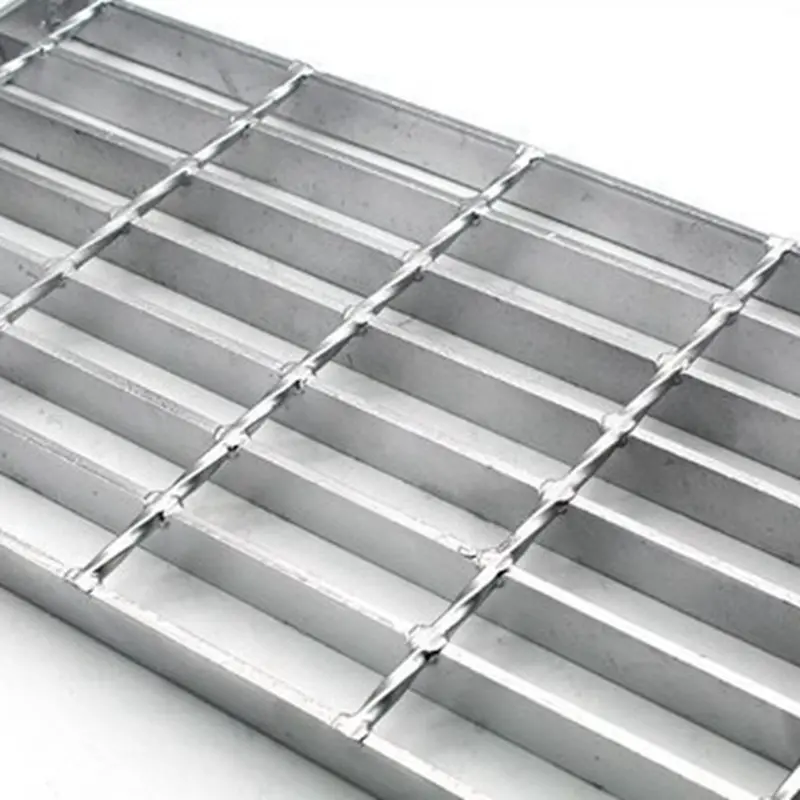
Galvanized steel grating engineered for heavy-duty industrial environments.
Application Scenarios and Real-World Impact
The robust design and inherent advantages of galvanized steel grate steps make them an indispensable solution across a multitude of heavy-duty industrial and commercial applications. Their versatility allows them to serve critical functions where safety, durability, and operational efficiency are paramount.
Key Application Sectors:
- Petrochemical and Oil & Gas Facilities: Used extensively for access platforms, stairways, walkways around process equipment, storage tanks, and offshore drilling rigs. The corrosion resistance is vital against chemical exposure and saline atmospheres.
- Power Generation Plants: Critical for boiler access, turbine decks, cooling tower platforms, and emergency exits. The strength and open design ensure safety and compliance in demanding thermal environments.
- Water and Wastewater Treatment Plants: Ideal for filter media support, pedestrian bridges over treatment tanks, access to pump stations, and trench covers, where constant moisture and corrosive elements are present.
- Metallurgical and Mining Operations: Employed in smelters, rolling mills, and mining shafts for heavy-duty platforms, access ways, and ore processing areas. The resilience of the steel grate material is crucial against abrasion and high temperatures.
- Manufacturing and Industrial Facilities: Used for mezzanine floors, catwalks, machine platforms, ladder rungs, and fire escapes, providing safe and durable access throughout large-scale production environments.
- Marine and Shipbuilding: Applications include ship decks, gangways, engine room platforms, and dock structures, where resistance to saltwater corrosion is non-negotiable.
- Architectural and Commercial Buildings: While primarily industrial, these steps also find use in modern architectural designs for emergency stairs, ventilation gratings, and durable public access points.
In each of these scenarios, the impact of high-quality steel grate steps is profound. They contribute directly to enhanced worker safety by providing secure, slip-resistant pathways. Their long-term durability drastically reduces operational downtime associated with repairs and replacements. Furthermore, their design promotes better working conditions through improved light and air circulation, demonstrating a holistic improvement in industrial infrastructure management.
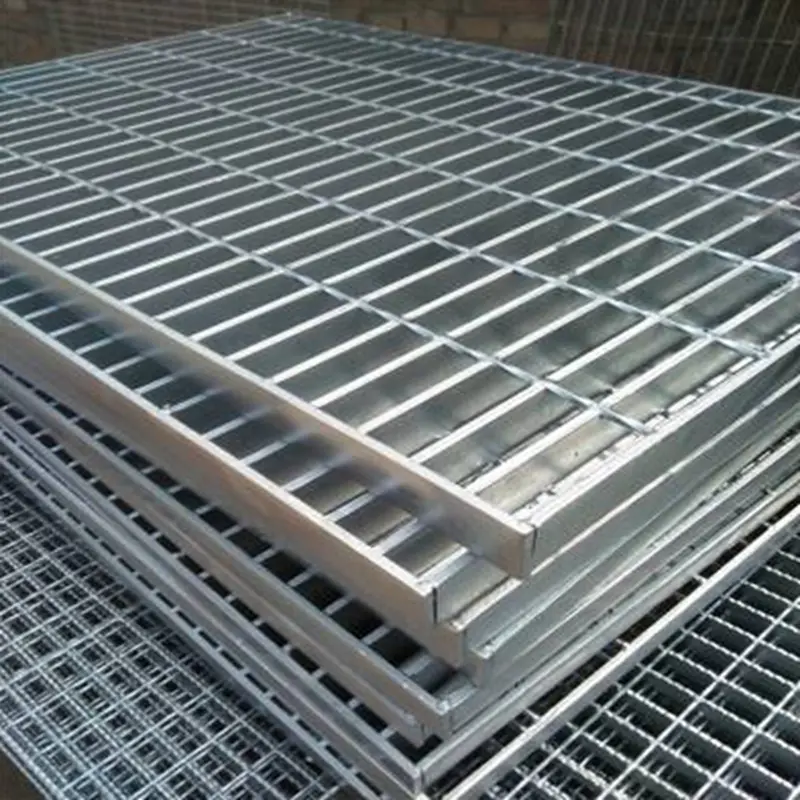
Versatile application of steel grate steps in industrial settings.
Vendor Comparison and Strategic Selection Criteria
Selecting the right vendor for industrial steel grate steps is as crucial as the product itself. A strategic approach involves evaluating suppliers beyond just pricing, focusing on expertise, quality, reliability, and support. This ensures a long-term partnership that aligns with project demands and operational objectives.
Key Vendor Evaluation Metrics:
- Quality Certifications: Verify compliance with international standards like ISO 9001 (Quality Management), ISO 14001 (Environmental Management), and specific product standards such as ISO 1461 (Hot-dip galvanized coatings) and ANSI/NAAMM MBG 531-09 (Metal Bar Grating Manual).
- Material Traceability: A reputable vendor provides full traceability for their steel grate material, ensuring raw material quality and adherence to specified grades (e.g., Q235, ASTM A36).
- Customization Capabilities: Assess the ability to provide bespoke solutions, including non-standard dimensions, unique bearing bar configurations, specialized nosing, or specific fixing methods. Engineering support for complex designs is a strong indicator of capability.
- Production Lead Times: Evaluate consistency in meeting promised delivery schedules, especially for large or custom orders. Shorter, reliable lead times minimize project delays.
- After-Sales Support & Warranty: Look for comprehensive warranty policies covering material and workmanship, along with responsive technical support, installation guidance, and troubleshooting services.
- Industry Experience & Reputation: Prioritize vendors with a proven track record, years of service in the industrial sector, and positive client testimonials or references, particularly from similar industry segments.
- Value-Added Services: Consider vendors offering additional services such as design consultation, load calculation assistance, or comprehensive project management.
Comparative Vendor Analysis (Illustrative Example)
| Criterion | Vendor A (Premium) | Vendor B (Standard) | Vendor C (Economy) |
|---|---|---|---|
| ISO Certifications | ISO 9001, 14001, 45001 | ISO 9001 | Limited/None |
| Material Traceability | Full Mill Certificates | Batch Level | Minimal |
| Customization | Extensive (Design Support) | Standard Modifications | Limited to Basic Sizes |
| Lead Time Reliability | Excellent (98% On-Time) | Good (90% On-Time) | Variable |
| Warranty | 5-10 Years (Comprehensive) | 2-5 Years (Standard) | 1 Year (Limited) |
| Technical Support | Dedicated Engineering Team | Standard Support | Email Only |
This comparison highlights the importance of aligning vendor capabilities with project criticality and long-term asset management goals. Investing in a reliable supplier ensures the quality and longevity of critical infrastructure components like steel grate steps.
Customized Solutions for Unique Industrial Demands
While standard steel grate steps offer broad applicability, many industrial environments present unique challenges that necessitate tailored solutions. Customization ensures optimal fit, performance, and compliance with highly specific operational or regulatory requirements.
A key advantage of working with experienced manufacturers is their ability to engineer bespoke steel grate material products. This goes beyond mere dimensional adjustments and encompasses a full spectrum of design modifications:
- Specific Dimensions: Tailoring length, width, and depth to fit existing structures or unique architectural plans, minimizing on-site fabrication and waste.
- Varying Bearing Bar Sizes and Pitches: Adjusting bearing bar depth, thickness, and spacing to achieve precise load-bearing capacities, deflection limits, or opening sizes for specific applications (e.g., to prevent small tools from falling through).
- Material Grades: While standard low-carbon steel is common, specialized projects might require alternative steel grades (e.g., higher strength alloys) for extreme conditions.
- Surface Finishes: Beyond plain and serrated, custom anti-slip treatments or specialized coatings (e.g., duplex coating systems combining galvanization with paint) can be applied for ultra-corrosive environments.
- Nosing Design: Custom nosing options include various checkered plate patterns, abrasive grit strips, or contrasting colors for enhanced visibility and safety in low-light conditions.
- Fixing Mechanisms: Designing specific end plates, drilling patterns, or welding cleats to integrate seamlessly with existing stringers or support structures, optimizing installation efficiency and security.
- Special Cut-outs and Shapes: Fabricating treads with cut-outs for pipes, conduits, or irregularly shaped platforms, ensuring a precise and safe fit in complex layouts.
Engaging with manufacturers that offer comprehensive engineering consultation and 3D modeling services allows for thorough design validation before production, ensuring that the customized steel grate steps perfectly meet the project's unique functional and safety parameters.
Application Case Studies: Proving Performance in Practice
Real-world applications best demonstrate the efficacy and reliability of galvanized steel grate steps. These case studies highlight how engineered solutions address critical challenges across diverse industrial landscapes.
Case Study 1: Petrochemical Plant Expansion, Middle East
Challenge: A major petrochemical complex required thousands of linear meters of walkways, platforms, and stair treads for a new processing unit. The environment was characterized by high humidity, saline air, and intermittent exposure to corrosive chemicals. Safety regulations mandated superior slip resistance and long-term structural integrity without frequent maintenance.
Solution: Customized galvanized steel grate steps and panels with serrated bearing bars (40x5mm, 30mm pitch) were specified. The entire order, including various sizes of steel grate sheet, underwent a rigorous hot-dip galvanization process adhering to ISO 1461, ensuring a minimum zinc coating of 85 microns. Nosing on all stair treads was made from checkered plate for maximum slip resistance.
Outcome: The installation provided extremely durable and safe access throughout the complex. Two years post-installation, the gratings show no signs of corrosion or significant wear, significantly reducing predicted maintenance cycles and ensuring compliance with stringent safety protocols. The open design also facilitated superior air circulation, contributing to a safer working environment.
Case Study 2: Municipal Water Treatment Facility Upgrade, North America
Challenge: An aging water treatment plant needed to replace deteriorating concrete and mild steel walkways and staircases that were succumbing to constant moisture, chlorine exposure, and biological growth. The upgrade required lightweight, highly corrosion-resistant, and easily cleanable access solutions.
Solution: Standard-sized galvanized steel grate steps (30x3mm bearing bars, 40mm pitch) were chosen for their robust hot-dip galvanized finish. The open mesh design facilitated excellent drainage and prevented water pooling, which was a significant issue with the previous solid surfaces. All tread nosings included an abrasive grit strip for enhanced wet-area traction.
Outcome: The new steel grate system provided a dramatic improvement in safety and hygiene. The superior drainage and ease of cleaning reduced maintenance time by 30%, and the corrosion resistance ensures a projected lifespan far exceeding the previous materials, making it a sustainable and cost-effective upgrade.
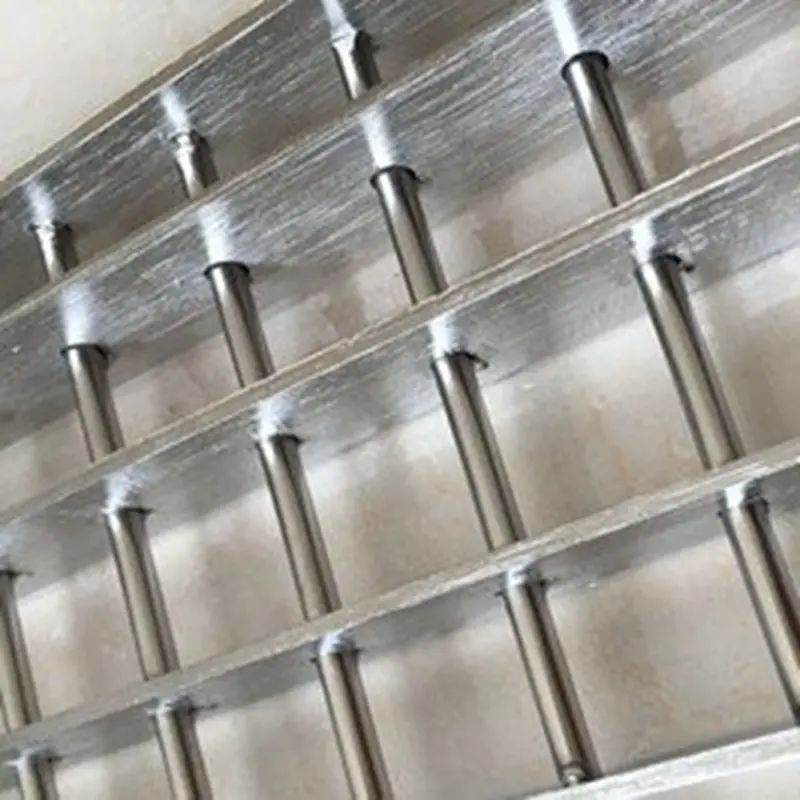
Precision-engineered steel grate steps in a high-demand industrial application.
Trust and Reliability: FAQs, Lead Time, Warranty, and Support
Building trust with B2B clients goes beyond product specifications; it encompasses transparency, robust support, and unwavering commitment to service. Here’s a comprehensive overview of essential client-facing information.
Frequently Asked Questions (FAQs)
- Q1: What is the typical lifespan of galvanized steel grate steps?
- A1: Under normal atmospheric conditions, hot-dip galvanized steel grate steps typically have a service life of 25 to 50 years or more. In highly corrosive industrial or marine environments, while still superior, the lifespan may be shorter, though significantly longer than unprotected steel.
- Q2: How do you ensure the slip resistance of stair treads?
- A2: We offer serrated bearing bars and specialized nosing options such as checkered plate or abrasive grit strips. These features are designed to provide superior traction, even in wet, oily, or icy conditions, adhering to safety standards like OSHA requirements.
- Q3: Can steel grate steps be customized for specific load requirements?
- A3: Absolutely. Our engineering team can design steel grate steps with specific bearing bar depths, thicknesses, and pitches to meet precise load-bearing capacities and deflection limits required by your project, compliant with industry standards.
- Q4: What are the common fixing methods for your galvanized steel grate treads?
- A4: Typically, stair treads are supplied with welded end plates that feature pre-drilled holes, allowing them to be bolted securely to the stringers (stair beams) of your structure. We can also accommodate custom fixing requirements.
- Q5: What kind of maintenance do galvanized steel grate steps require?
- A5: Due to the robust hot-dip galvanized coating, maintenance is minimal. Regular cleaning to remove debris and occasional visual inspection for any damage are usually sufficient to ensure long-term performance.
Lead Time and Fulfillment
Our standard production lead time for common steel grate steps and steel grate sheet orders ranges from 2 to 4 weeks, depending on order volume and current production schedules. Custom or large-scale projects may require specific lead times, which will be provided during the quotation phase. We pride ourselves on efficient project management and transparent communication regarding lead times and delivery schedules. Expedited options are available upon request for urgent requirements.
Warranty Commitments
We stand by the quality of our Industrial Building Materials Galvanized Steel Grate products. All steel grate steps come with a comprehensive 5-year warranty against defects in material and workmanship, ensuring peace of mind. This warranty covers the structural integrity of the steel and the adhesion and corrosion performance of the hot-dip galvanized coating under normal operating conditions. Full warranty details are available upon request.
Dedicated Customer Support
Our commitment to our clients extends far beyond product delivery. We offer dedicated technical support from our team of experienced engineers, available to assist with design consultation, load calculations, installation guidance, and any post-purchase inquiries. You can reach our support team via phone, email, or through our website's contact portal, ensuring timely and expert assistance for all your industrial grating needs.
References
- ISO 1461: Hot dip galvanized coatings on fabricated iron and steel articles – Specifications and test methods. International Organization for Standardization.
- ASTM A123/A123M: Standard Specification for Zinc (Hot-Dip Galvanized) Coatings on Iron and Steel Products. ASTM International.
- ANSI/NAAMM MBG 531-09: Metal Bar Grating Manual. National Association of Architectural Metal Manufacturers.
- OSHA 1910.25: Stairways. Occupational Safety and Health Administration.
- GB/T 700-2006: Carbon Structural Steels. Standardization Administration of China.