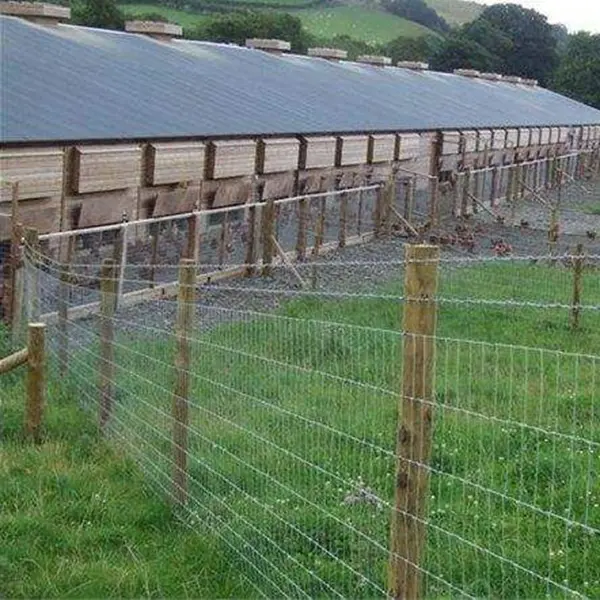

Road Noise Barriers for Homes: A Comprehensive Guide
Living near busy roads or highways can significantly impact your quality of life due to persistent noise pollution. Fortunately, effective solutions like road noise barriers for homes exist to create a more peaceful living environment. This article explores the benefits, types, materials, installation, and costs associated with noise barriers, helping you make an informed decision to reclaim your tranquility. Addressing noise pollution is a proactive step towards improving your well-being and property value.
Understanding the Impact of Road Noise
Prolonged exposure to road noise can have detrimental effects on both physical and mental health. Studies have linked noise pollution to increased stress levels, sleep disturbances, cardiovascular problems, and reduced cognitive performance. For homeowners, this translates to diminished property values and a less enjoyable living experience. Installing noise barriers isn't just about comfort; it's an investment in your health and well-being. The level of noise reduction you achieve depends on factors like barrier height, material density, and distance from the noise source.
Key Benefits: Reduced stress, improved sleep quality, increased property value, enhanced concentration, and overall improved quality of life.
Types of Road Noise Barriers for Homes
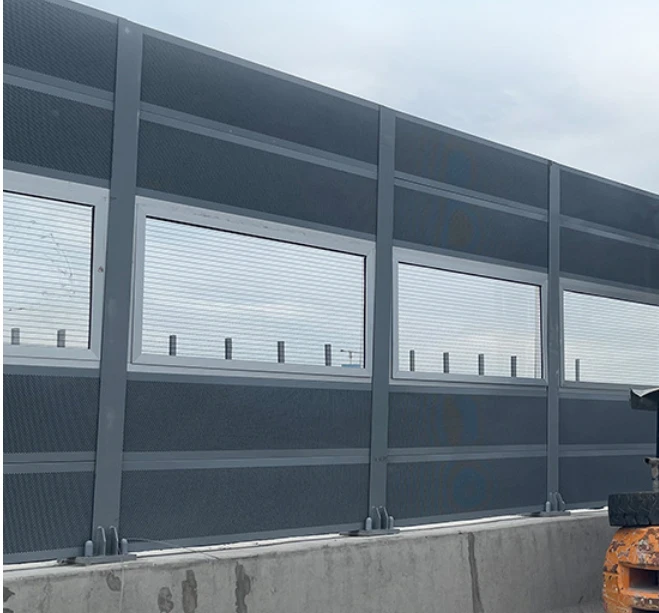
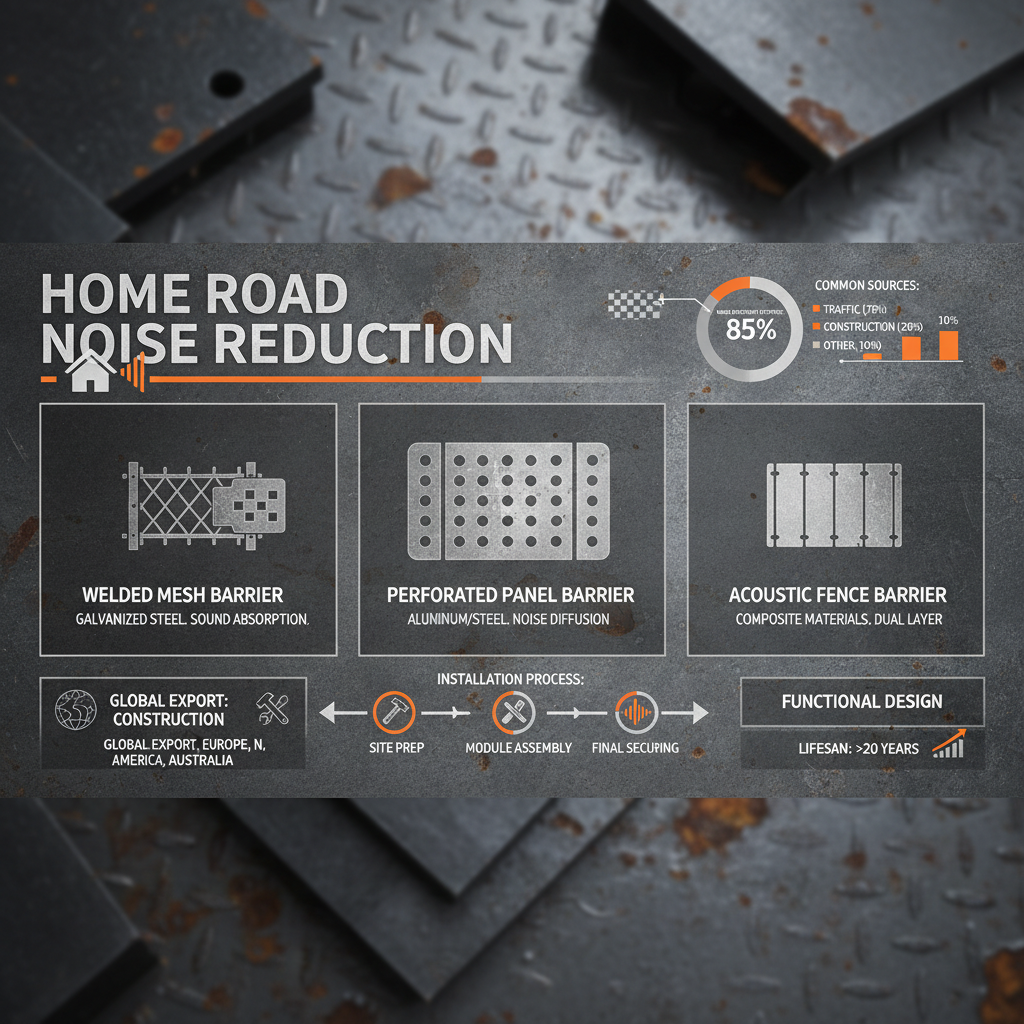
Several types of noise barriers cater to different needs and budgets. Common options include solid fences (wood, concrete, brick), earth berms, and specialized noise barrier panels. Solid fences offer a good balance of cost-effectiveness and noise reduction, while earth berms are a natural option, though they require significant space. Specialized noise barrier panels, often made from materials like soundproof vinyl or composite materials, offer the highest level of noise reduction but come with a higher price tag. Considering your specific noise level, budget, and aesthetic preferences is crucial when selecting a barrier type. Fencing Wire Mesh offers a range of noise barrier solutions to suit your needs.
Noise Barrier Types:
• Solid Fences (Wood, Concrete, Brick)
• Earth Berms
• Soundproof Vinyl Panels
• Composite Noise Barrier Panels
Material Comparison: Noise Reduction and Cost
The material used for your noise barrier significantly impacts its effectiveness and cost. Here’s a comparison of popular options:
Installation Considerations
Proper installation is crucial for maximizing the effectiveness of your noise barrier. Factors to consider include barrier height (higher is generally better), length, and proximity to the noise source. Local building codes may dictate specific requirements for fence height and construction. Professional installation is recommended, especially for heavier materials like concrete or brick. Ensuring a tight seal between barrier sections is also essential to prevent sound from leaking through gaps. Fencing Wire Mesh provides installation guidance and services to ensure optimal performance.
Cost of Road Noise Barriers
The cost of a road noise barrier varies significantly depending on the material, height, length, and installation complexity. Budgeting approximately $20 to $80 per linear foot is a reasonable estimate, but it’s best to obtain quotes from multiple contractors for a more accurate assessment. Remember to factor in costs for permits, materials, labor, and any necessary site preparation. While the initial investment may seem substantial, the long-term benefits of reduced noise pollution and improved quality of life are well worth the expense.
Conclusion: Reclaim Your Peace with a Noise Barrier
Investing in road noise barriers for homes is a practical and effective solution to mitigate the harmful effects of road noise. By carefully considering the types of barriers, materials, installation requirements, and costs, you can create a more peaceful and enjoyable living environment. Don’t let noise pollution diminish your quality of life – take control and reclaim your tranquility.
Frequently Asked Questions (FAQs)
How much noise reduction can I realistically expect from a noise barrier?
The amount of noise reduction depends on several factors, including the height and density of the barrier, the distance from the noise source, and the frequency of the noise. Generally, a well-constructed barrier can reduce noise levels by 6 to 20 decibels (dB). A 10 dB reduction is often perceived as a halving of the sound volume. Higher barriers and denser materials provide greater noise reduction. It's important to have realistic expectations and understand that complete soundproofing is often not achievable.
Do I need a permit to install a noise barrier?
Yes, in most cases, you will need a permit to install a noise barrier. Local building codes often regulate fence height, materials, and placement. It's crucial to check with your local planning department or homeowner's association before beginning any construction. Failing to obtain the necessary permits can result in fines or the requirement to remove the barrier.
What is the best material for a long-lasting noise barrier?
For longevity and durability, concrete, brick, and high-quality wire mesh noise barrier panels are excellent choices. These materials are resistant to weathering, corrosion, and require minimal maintenance. While wood is more affordable, it requires regular staining or sealing to prevent rot and decay. Choosing a material that’s suitable for your climate and budget is key.
Can noise barriers be aesthetically pleasing?
Absolutely! Noise barriers don’t have to be eyesores. Many options are available in various colors, textures, and designs. You can incorporate landscaping, vines, or decorative elements to blend the barrier seamlessly into your property. Wire mesh noise barriers, for example, can be powder-coated in a variety of colors to complement your home’s exterior.