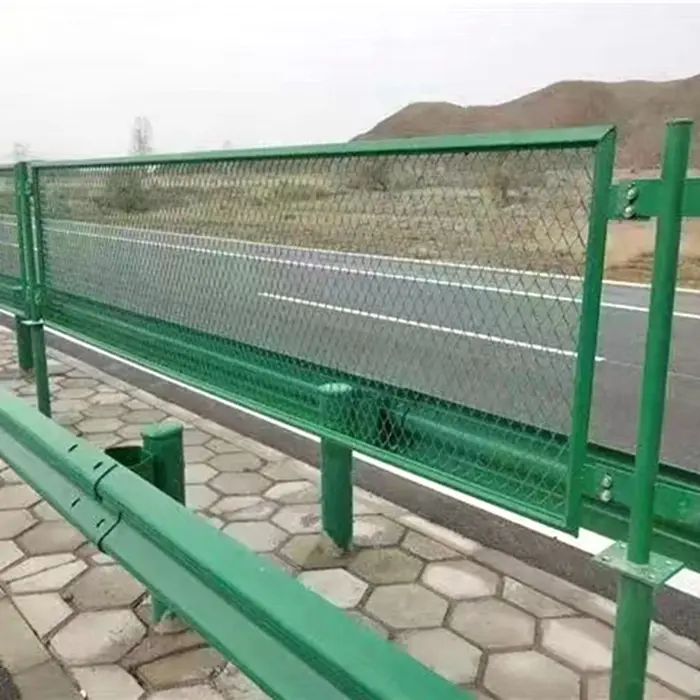

Understanding Transparent Sound Barriers: A Comprehensive Guide
In today's increasingly noisy world, effective noise control is vital for maintaining quality of life and ensuring workplace safety. Transparent sound barriers offer a unique solution, reducing noise pollution without sacrificing visibility or aesthetics. This article will delve into the benefits, applications, and key considerations when choosing a transparent sound barrier. We will explore how these barriers effectively mitigate noise while enhancing the visual environment. Find a comprehensive range of fencing and mesh solutions at Fencing Wire Mesh.
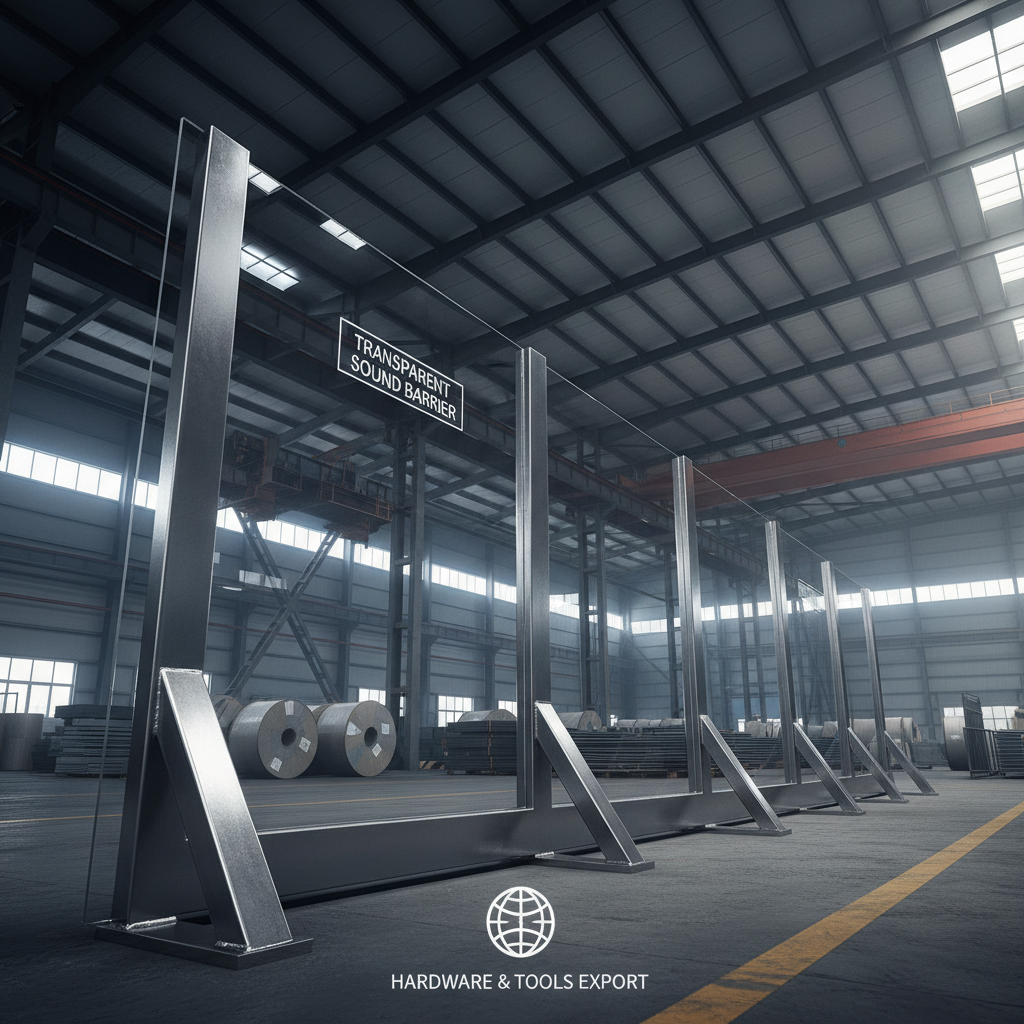
What are Transparent Sound Barriers?
Transparent sound barriers are noise reduction systems constructed primarily from materials like acrylic or polycarbonate. Unlike traditional solid barriers that block both sound and sight, these barriers allow for significant light transmission while still effectively attenuating noise levels. They are engineered to deflect sound waves, reducing their intensity as they travel beyond the barrier. This makes them ideal for applications where maintaining visibility is crucial, such as along highways, railways, and in residential areas. They represent a significant advancement in noise control technology.
Key Advantages: Excellent noise reduction, high light transmission, aesthetically pleasing design, durable and weather-resistant.
Applications of Transparent Sound Barriers
Transparent sound barriers are widely used in a variety of settings. Along highways and railways, they reduce noise pollution for nearby residents. In industrial areas, they help create a quieter and safer working environment. Residential applications include protecting homes from traffic noise and creating peaceful outdoor spaces. They are also increasingly used near airports and schools to minimize noise disturbance. Fencing Wire Mesh provides tailored solutions for various applications.
Common Applications:
• Highways and railways
• Industrial facilities
• Residential areas
• Airports
• Schools and hospitals
Transparent Sound Barrier Performance: Materials and Noise Reduction
The effectiveness of a transparent sound barrier depends heavily on the material used and its design. Acrylic and polycarbonate are the most common choices. Polycarbonate is generally more impact-resistant, while acrylic offers higher clarity. The thickness of the material also plays a significant role; thicker barriers provide greater noise reduction. The design, including the height and angle of the barrier, further influences its performance. Proper installation and sealing are essential to maximize noise attenuation.
Comparing Transparent Barriers to Traditional Options
While traditional solid barriers, such as concrete walls or earth berms, offer excellent noise reduction, they lack the aesthetic appeal and visibility of transparent barriers. Solid barriers can also create a sense of confinement and obstruct views. Transparent barriers provide a compromise, reducing noise without creating visual obstructions. The initial cost may be higher for transparent barriers, but their long-term benefits often outweigh the expense.
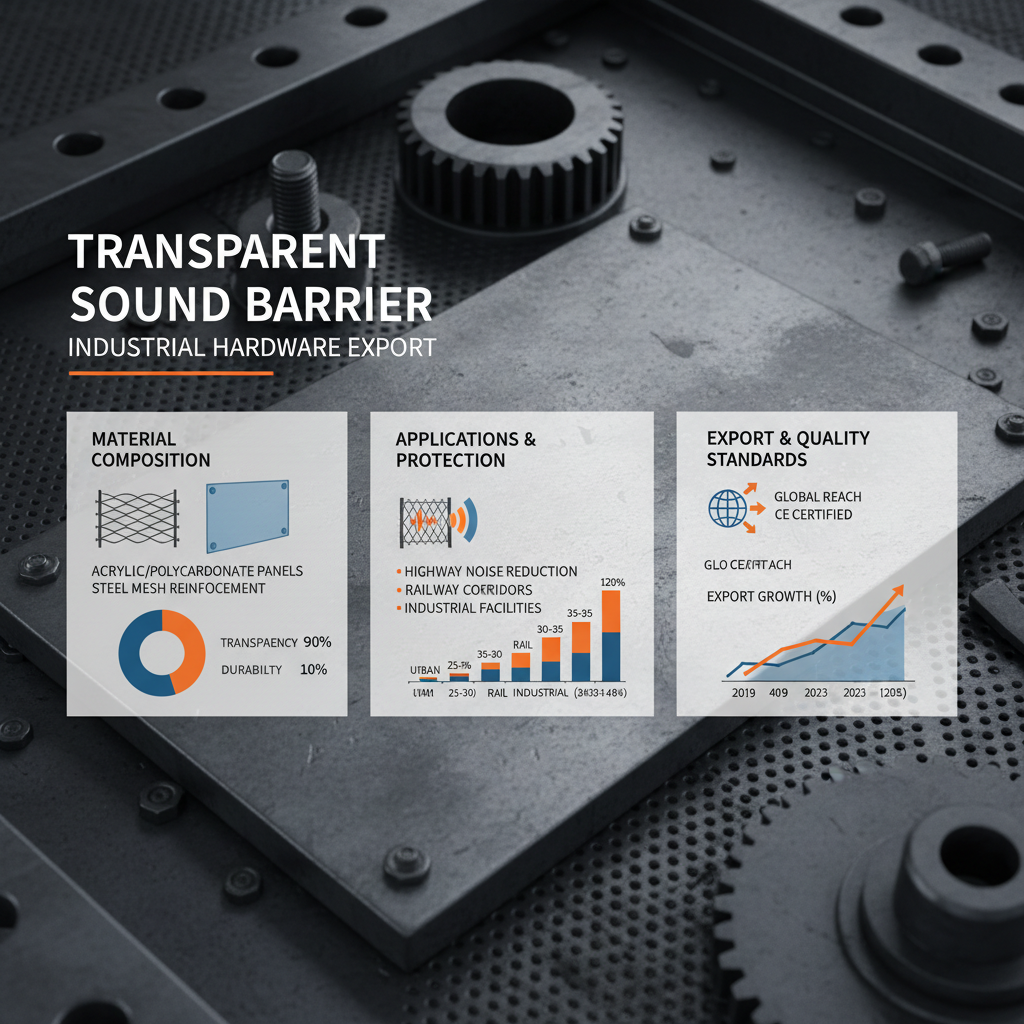
Selecting the Right Transparent Sound Barrier for Your Needs
Choosing the right transparent sound barrier requires careful consideration of several factors. Assess the level of noise reduction needed, the importance of visibility, and the environmental conditions. Consider the material, thickness, height, and angle of the barrier. Professional installation is crucial to ensure optimal performance. Fencing Wire Mesh offers expert guidance and customized solutions to meet your specific requirements.
Conclusion: A Clear Path to Noise Reduction
Transparent sound barriers offer an effective and aesthetically pleasing solution to noise pollution. By carefully considering your needs and choosing the right materials and design, you can create a quieter and more comfortable environment. Fencing Wire Mesh is your trusted partner for high-quality transparent sound barrier solutions.
Frequently Asked Questions (FAQs)
What is the typical lifespan of a transparent sound barrier?
The lifespan of a transparent sound barrier typically ranges from 10 to 20 years, depending on the material, environmental conditions, and maintenance. Polycarbonate is generally more durable and has a longer lifespan than acrylic. Factors like UV exposure, temperature fluctuations, and potential impacts can affect the barrier's longevity. Regular cleaning and inspection are recommended to identify and address any damage promptly.
How do transparent sound barriers perform in extreme weather conditions?
Transparent sound barriers are designed to withstand a range of weather conditions. Polycarbonate, in particular, offers excellent impact resistance and can withstand high winds and heavy snow. Both acrylic and polycarbonate are UV-resistant, preventing discoloration and degradation from sunlight exposure. However, extreme temperatures can cause expansion and contraction, so proper installation with adequate expansion joints is crucial.
Are transparent sound barriers recyclable?
Both acrylic and polycarbonate are recyclable materials, although the availability of recycling facilities may vary. Many manufacturers offer recycling programs for their products. Proper disposal and recycling contribute to environmental sustainability. Contacting your local recycling center or the barrier manufacturer is recommended to determine the best recycling options.