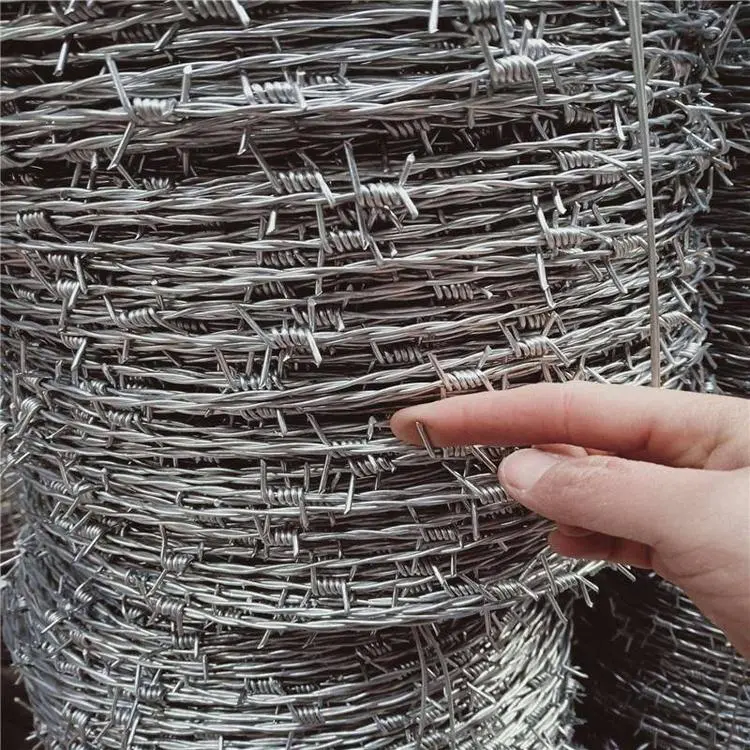

Gabion Netting: The Ultimate Solution for Erosion Control and Landscaping
When it comes to stabilizing slopes, protecting shorelines, or creating modern architectural features, gabion netting serves as one of the most reliable and sustainable engineering solutions available today. By combining the strength of galvanized steel with the natural flexibility of rock fill, these wire mesh structures provide unmatched durability against environmental stressors. Whether you are a civil engineer working on a massive infrastructure project or a homeowner looking to enhance your garden's aesthetics, understanding the nuances of gabion systems is key to long-term success. In this comprehensive guide, we will explore the technical specifications, applications, and benefits of using high-quality netting for gabion baskets.

Understanding the Composition of Gabion Netting
At its core, gabion netting is a heavy-duty wire mesh typically woven from galvanized steel or coated with PVC to prevent corrosion. The "double-twisted" hexagonal weave is the industry standard because it prevents the mesh from unraveling even if a single wire is cut or broken. This structural integrity is vital when the baskets are filled with heavy stones and subjected to the pressure of soil or rushing water. The permeability of the netting allows water to flow through the structure, reducing hydrostatic pressure and preventing the wall from collapsing over time.
Pro Tip: Always check the coating thickness of your wire mesh. PVC coatings are highly recommended for saltwater environments or highly acidic soils to ensure a lifespan of several decades.
Key Advantages of Using Gabion Netting in Engineering
The primary appeal of gabion netting lies in its versatility and eco-friendliness. Unlike concrete walls, which are rigid and can crack under ground movement, gabions are flexible. They can settle and deform without losing their structural integrity. Furthermore, they promote biodiversity; over time, silt and seeds accumulate within the rock voids, allowing vegetation to grow through the mesh, which further stabilizes the structure and blends it seamlessly into the natural landscape.
Why Choose Gabions Over Concrete?
• Permeability: Naturally drains water, eliminating the need for complex drainage systems.
• Flexibility: Adapts to soil settlement and seismic activity.
• Sustainability: Uses natural stone and requires less carbon-intensive manufacturing.
• Installation: Can often be installed without specialized heavy machinery.
Comparing Gabion Netting Types and Specifications
Depending on the project requirements, different types of gabion netting are utilized. Welded mesh is often preferred for architectural and decorative purposes due to its clean, square lines, while woven hexagonal mesh is the gold standard for civil engineering and erosion control. The choice of mesh size and wire diameter directly impacts the size of the stones that can be used and the overall load-bearing capacity of the wall.
Practical Applications of Gabion Netting
The utility of gabion netting extends far beyond simple walls. In hydraulic engineering, they are used to create "check dams" that slow down water flow in gullies, reducing downstream erosion. In urban planning, gabions are utilized as noise barriers along highways due to the sound-absorbing properties of the stone fill. Additionally, they are increasingly popular in sustainable architecture for creating retaining walls that maintain the natural moisture balance of the soil, preventing the "dry-out" effect often caused by concrete barriers.

Technical Product Specifications for Installation
To ensure the stability of a structure, selecting the correct gabion netting specifications is critical. The wire diameter must be sufficient to withstand the internal pressure of the stones, while the mesh aperture must be smaller than the smallest stone used in the fill to prevent "spilling." Below is a standard specification table for typical industrial gabion baskets.
Maintenance and Longevity of Gabion Systems
While gabion netting is designed for low maintenance, periodic inspections are recommended. In high-flow river environments, it is important to check for "scouring" at the base of the wall, where water might be removing sediment from under the baskets. If a wire break is detected in a non-critical area, it can often be repaired using simple binding wire. However, using high-grade Galfan coating (a zinc-aluminum alloy) from the start significantly reduces the need for repairs by providing 3-4 times the corrosion resistance of standard galvanization.
Conclusion: Building a Sustainable Future with Gabions
The integration of gabion netting into modern infrastructure represents a shift toward more sustainable and adaptable engineering. By utilizing materials that work with nature rather than against it, we can create structures that are not only durable and strong but also environmentally responsible. From erosion control to architectural beauty, the right choice of netting ensures a foundation that lasts for generations. Invest in quality materials and professional specifications to ensure your project stands the test of time.
Frequently Asked Questions (FAQs)
How long does gabion netting typically last?
The lifespan of gabion netting varies based on the coating and the environment. Standard galvanized steel typically lasts 10-20 years in mild conditions. However, netting with a Galfan coating or a PVC wrap can last 50 years or more, even in harsh coastal or industrial environments. The key to longevity is selecting a coating that matches the corrosivity of your local soil and water conditions.
Can I use any type of stone to fill the netting?
While many stones work, it is best to use hard, durable, non-degradable rocks like granite, basalt, or limestone. The stones should be larger than the mesh aperture to prevent them from falling through, and they should be angular rather than round to ensure they "lock" together, which increases the stability of the wall. Avoid using soft stones like shale or sandstone, as they can weather away over time, leaving voids in the structure.
Is gabion netting difficult to install?
One of the biggest advantages of gabion netting is its relative ease of installation. The baskets are typically delivered flat and are unfolded and laced together on-site. Once the baskets are positioned and tied, they are filled with stone. While large-scale civil projects require professional engineering, small garden walls can often be installed by DIY enthusiasts with basic tools and a supply of quality rock.
Does gabion netting require a concrete foundation?
In many cases, no. One of the benefits of gabions is that they can be placed directly on a leveled, compacted soil base or a thin layer of crushed stone. However, for very high walls or sites with extremely unstable soil, a reinforced base or a geotextile fabric liner may be used to prevent the baskets from sinking into the mud and to separate the stone fill from the native soil.