
Understanding Gabion Wire Sizes for Optimal Stability
When designing retaining walls or erosion control systems, selecting the correct gabion wire sizes is the most critical factor in ensuring long-term structural integrity. A gabion basket is only as strong as the wire that holds the stone in place; if the gauge is too thin, the pressure from the fill material can cause the mesh to bulge or rupture. Conversely, excessively thick wire may increase costs without providing added benefit. In this guide, we will explore how to choose the right wire diameter and mesh size to balance durability, cost, and performance for your specific project needs.

The Relationship Between Wire Gauge and Load Capacity
The "size" of a gabion wire refers to its diameter, typically measured in millimeters. The thicker the wire, the higher the tensile strength and the better the resistance to deformation. For standard residential landscaping, a lighter gauge might suffice, but for heavy-duty civil engineering projects—such as riverbank stabilization—thicker gabion wire sizes are mandatory to withstand hydraulic pressure and the weight of massive stones. Tensile strength is the key metric here; it determines how much stress the wire can take before it begins to stretch or break.
Pro Tip: Always consider the stone size when choosing wire gauge. Larger, heavier stones require a thicker wire diameter to prevent the mesh from stretching over time.
Comparing Common Gabion Wire Sizes and Applications
Not all gabion projects are created equal. Depending on whether you are building a decorative garden wall or a commercial flood defense, the required gabion wire sizes will vary. Typically, wire diameters range from 2.0mm to 4.0mm. The table below provides a clear comparison to help you determine which specification aligns with your project's goals.
How Mesh Opening Size Affects Stability
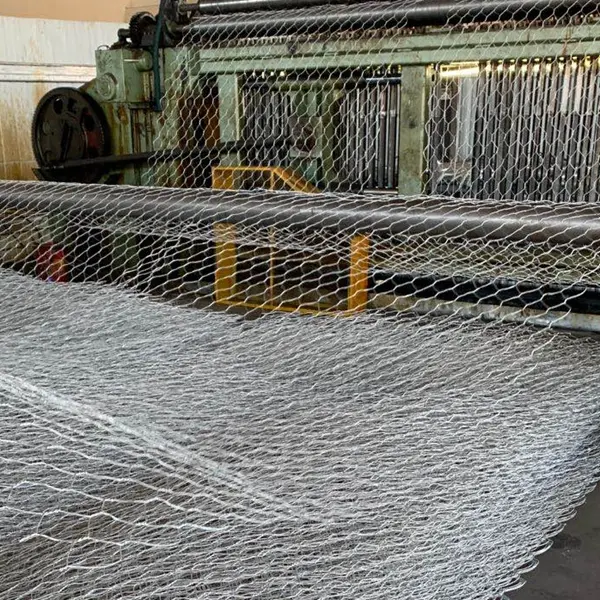
While wire diameter is crucial, the size of the mesh opening (the "hole") is equally important. The opening must be smaller than the stones being used to prevent them from falling through. Common mesh sizes include 8x10cm or 10x12cm. If the mesh is too large, you will need to use larger, more expensive stones. If it is too small, the filling process becomes slower. Selecting the right combination of mesh size and gabion wire sizes ensures that the rocks interlock effectively, creating a monolithic structure that is highly resistant to movement.

Material Coating and Long-term Durability
The thickness of the wire is only half the story; the coating determines how long those gabion wire sizes will actually last in the field. In corrosive environments—such as saltwater coasts or acidic soils—Galfan coating (a zinc-aluminum alloy) is far superior to standard hot-dipped galvanization. PVC coating can be added on top of the galvanization for an extra layer of protection and a customizable aesthetic. This prevents rust from eating through the wire, which would otherwise compromise the structural integrity of the entire wall.
Coating Comparison:
• Galvanized: Standard protection, suitable for dry inland areas.
• Galfan: 2-3x more corrosion resistance than standard galvanized.
• PVC Coated: Maximum protection and visual appeal for high-moisture zones.
Technical Specifications for Industrial Gabions
For engineers and contractors, precise specifications are non-negotiable. When ordering, you must specify the wire diameter, the mesh size, the coating weight, and the edge wire size (which is usually thicker to provide rigidity to the basket frame). Below is a technical specification table typically used for high-performance gabion wire sizes in industrial settings.
Conclusion: Choosing the Right Gabion Wire Sizes
Selecting the ideal gabion wire sizes is a balance between the demands of the environment and the budget of the project. Whether you need 2.7mm wire for a residential terrace or 4.0mm heavy-duty mesh for a commercial river wall, understanding the interplay between gauge, mesh size, and coating is essential. By prioritizing high-quality materials and correct specifications, you ensure a structure that remains stable, permeable, and durable for decades. Invest in the right wire today to avoid costly structural failures tomorrow.
Frequently Asked Questions (FAQs)
How do I know which gabion wire size is right for my project?
The right size depends primarily on the load the wall will bear and the environment. For low-height decorative walls (under 1 meter) with light soil pressure, a 2.7mm wire is usually sufficient. However, if the wall is supporting a steep slope, acting as a retaining wall for a driveway, or exposed to flowing water, you should move to 3.0mm or 4.0mm wire. We always recommend consulting with a structural engineer for commercial projects to ensure the tensile strength of the wire matches the calculated lateral pressure of the fill material.
Does wire size affect the cost of the gabion baskets significantly?
Yes, there is a direct correlation between wire diameter and cost. Thicker wire requires more raw steel and more intensive weaving and coating processes. While 4.0mm wire is more expensive than 2.7mm, the long-term cost-benefit is significant. Using under-sized wire in a high-pressure area can lead to basket failure, which requires the entire wall to be dismantled and rebuilt—a cost far exceeding the initial investment in higher-grade wire. Buying the correct gabion wire sizes from the start is the most economical choice.
Can I mix different wire sizes in one wall?
In some advanced engineering designs, "tiered" specifications are used. For example, the base baskets—which bear the most weight and pressure—may use 4.0mm heavy-duty wire, while the top baskets, which experience less stress, may use 3.0mm wire. This optimization can reduce overall project costs without sacrificing safety. However, this must be planned in the design phase and executed with matching mesh openings to ensure that the baskets stack and lock together seamlessly.
Why is the edge wire often thicker than the main wire?
The edge wire, or selvedge wire, acts as the "frame" of the basket. Its primary purpose is to maintain the shape of the gabion and provide a strong anchor point for the lacing wire or clips that hold the baskets together. If the edge wire were the same size as the main mesh, the baskets would easily deform or "pinch" at the corners during filling. By using a thicker diameter for the edges, the baskets remain rigid and square, ensuring a professional finish and better structural stability across the entire installation.