
Hexagonal Poultry Netting is a key solution in the industry, specifically within agricultural, construction, and industrial fencing sectors. This article explores how https://www.fencingwiremesh.com supports professionals with durable, high-performance products, and explains why this product is an ideal choice for businesses in these sectors.
Table of Contents
- Hexagonal Poultry Netting Overview
- Benefits & Use Cases of Hexagonal Poultry Netting
- Cost, Maintenance & User Experience
- Sustainability & Market Trends
Hexagonal Poultry Netting Overview
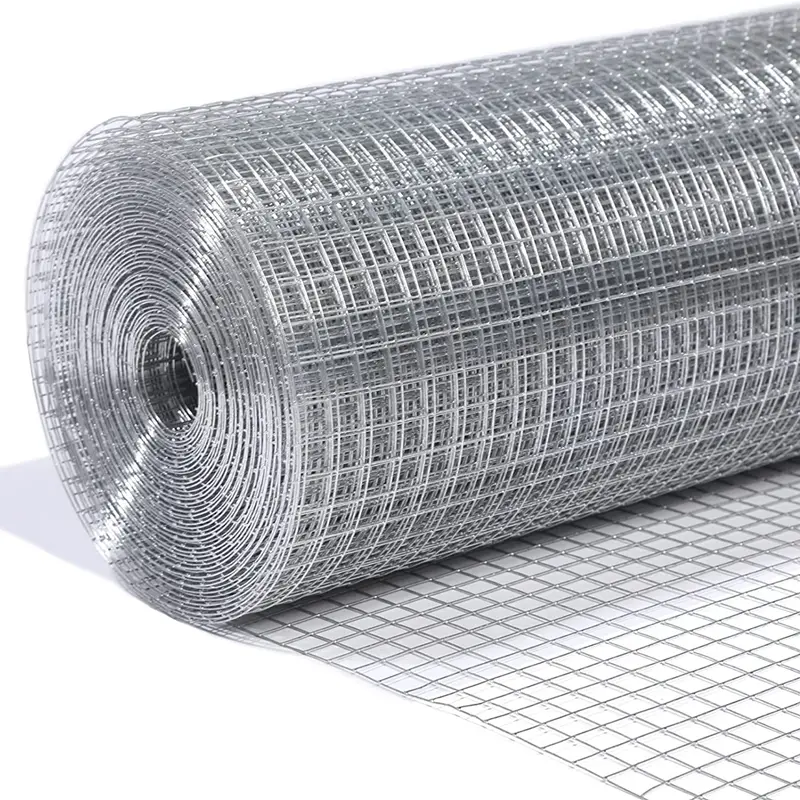
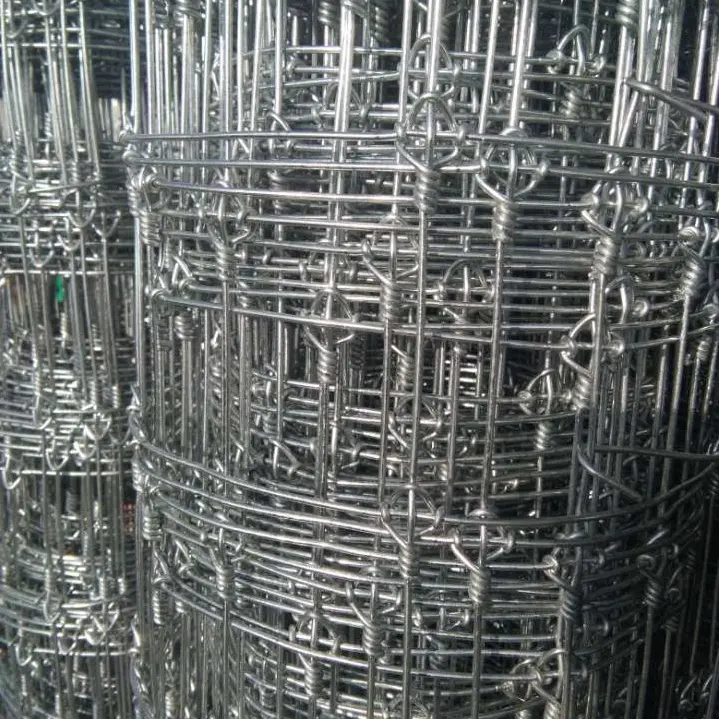
Hexagonal poultry netting, sometimes called chicken wire, is a mesh made from steel wire twisted into a hexagonal pattern. Its versatility has made it a staple in agricultural fencing, particularly for poultry enclosures, but its uses extend well into gardening and industrial applications. At its core, this netting balances strength and flexibility; it's light enough to handle easily yet sturdy enough to keep poultry securely contained while deterring predators.
- Constructed typically from galvanized or PVC-coated steel wire, with wire diameters ranging from 0.8 mm up to 2.0 mm depending on customer needs.
- Mesh sizes commonly vary between 12 mm and 25 mm, offering flexibility for different animals or materials to filter through.
- A case study from a large-scale poultry farm shows that upgrading to heavier gauge netting extended fence life by an additional 3 years under harsh weather conditions.
| Parameter | Standard Range | Notes |
|---|---|---|
| Wire Diameter | 0.8 mm – 2.0 mm | Galvanized or PVC-coated |
| Mesh Size | 12 mm – 25 mm | Hexagonal pattern |
| Roll Length | 10 m – 50 m | Custom sizes available |
| Roll Width | 0.5 m – 2.0 m | Common widths for easy handling |
Benefits & Use Cases of Hexagonal Poultry Netting
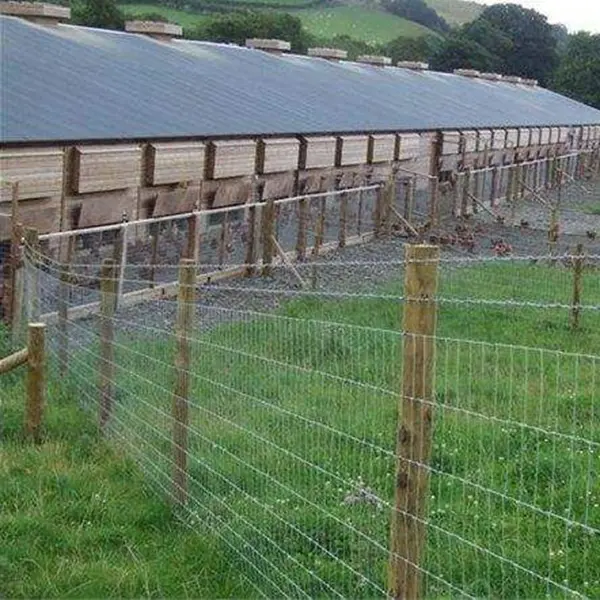
When it comes to practical applications, the benefits of hexagonal poultry netting become immediately apparent. It offers a lightweight yet resilient barrier suitable not only for housing chickens but also for protecting delicate plants or reinforcing walls and ceilings in construction. Its small openings keep even young birds in and unwanted rabbits or mustelids out—a big plus in rural or semi-urban environments.
- Because it’s flexible, it conforms well to uneven terrain, reducing installation frustration and need for custom cutting at awkward angles.
- The coating options provide corrosion resistance, which frankly extends netting lifespan dramatically in humid or saline conditions.
- Its competitive edge lies in versatility: available in customizable sizes and weights to fit project-specific needs, whether a small garden or an industrial application.
Vendor Comparison
| Vendor | Wire Gauge Range | Coating Type | Delivery Time | MOQ |
|---|---|---|---|---|
| FencingWireMesh.com | 0.8 mm – 2.0 mm | Galvanized / PVC Coated | 1–2 weeks | Rolls of 10 m minimum |
| Competitor A | 1.0 mm – 2.5 mm | Galvanized only | 3 weeks | Rolls of 25 m minimum |
| Competitor B | 0.7 mm – 1.5 mm | PVC Coated only | 2 weeks | Rolls of 15 m minimum |
Cost, Maintenance & User Experience
In real terms, decision makers often ask how the upfront cost measures against durability and overall return on investment. Fortunately, hexagonal poultry netting presents an excellent balance: modest initial outlay combined with low maintenance requirements leads to fewer replacements and repairs. Customers from poultry farms to landscaping companies report satisfaction with the product’s longevity, even in areas with heavy rainfall or corrosive environments.
- Its galvanized or PVC coating minimizes rust, so fences and enclosures can last 8-10 years under good conditions — that’s longer than most standard wire fences.
- Installation is relatively straightforward, reducing labor costs and minimizing downtime during construction or renovation.
- One poultry farm reported a 20% decrease in predation-related losses after upgrading from older barbed wire fencing to this type of netting.
Sustainability & Market Trends
Sustainability is more than just a buzzword these days — for the fencing industry too, it’s shaping purchasing decisions. Thankfully, hexagonal poultry netting often uses recyclable steel and environmentally safer coating processes. There's a slow but steady market shift towards suppliers who can demonstrate eco-friendly manufacturing and supply chains. Additionally, governments are tightening regulations on farm biosecurity and animal welfare, indirectly increasing demand for reliable, sturdy fencing solutions like this netting.
- Growth in poultry farming worldwide, especially in Asia and Africa, fuels ongoing demand for quality netting.
- Recycled materials and energy-efficient production methods are becoming key differentiators among vendors.
- Smart farming trends hint at possible integration with sensor technologies, which could influence fencing materials in the near future.
Frequently Asked Questions about Hexagonal Poultry Netting
- What is Hexagonal Poultry Netting and how does it work?
- It’s a flexible mesh made by twisting steel wires into hexagonal shapes. This structure provides stable containment for poultry while allowing air and light through, balancing security and ventilation.
- What are the main benefits of using Hexagonal Poultry Netting in industrial applications?
- Durability, ease of installation, and corrosion resistance top the list. It also keeps costs manageable by requiring less maintenance compared to traditional fencing.
- How does Hexagonal Poultry Netting compare to traditional alternatives?
- Its flexibility and corrosion resistance generally outperform standard barbed wire or welded wire meshes. It’s lighter yet sufficiently strong, and often more cost-effective over time.
- What industries can benefit most from Hexagonal Poultry Netting implementation?
- Besides poultry farms, horticulture, construction, and some textile and packaging sectors find uses for it. In particular, applications needing containment combined with ventilation find it ideal.
Conclusion on Hexagonal Poultry Netting from china
To sum it up, hexagonal poultry netting remains a reliable, flexible, and cost-effective fencing solution. Its widespread adoption across sectors reflects a practical balance between durability and versatility that businesses truly appreciate. For B2B decision makers looking to invest in trusted materials, checking out options at https://www.fencingwiremesh.com is a smart first step.
- It’s about getting the best blend of quality, price, and timely delivery – three things https://www.fencingwiremesh.com hits consistently.
It’s clear that robust, cost-effective fencing solutions like this don’t just protect animals and crops—they support entire businesses and communities.
References:
1. Industry case studies, Poultry Farm Supply Reports, 2023.
2. Market trend analysis, Global Fencing Wire Mesh, 2022.
3. Sustainability reports, Steel Mesh Manufacturers, 2023.