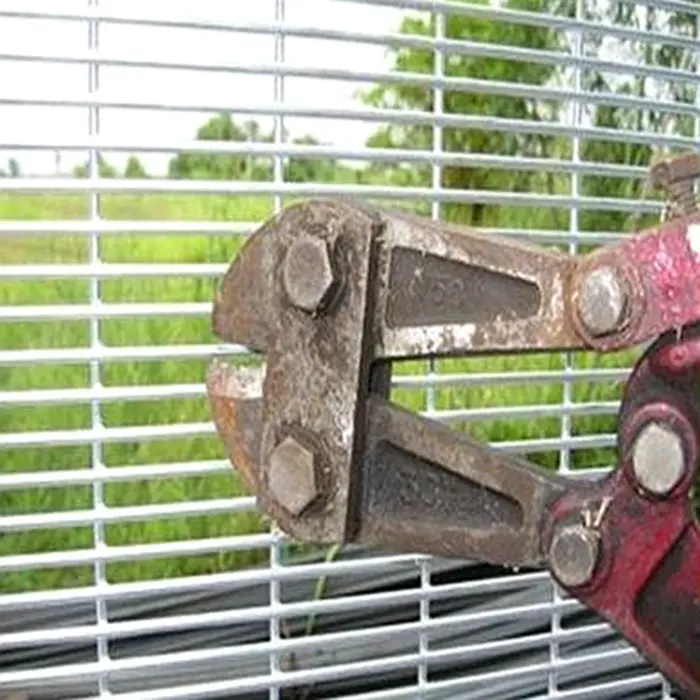

Hexagonal Wire Mesh Fencing is a key solution in the industry, specifically within sectors that demand both strength and flexibility in their fencing solutions. This article explores how https://www.fencingwiremesh.com supports professionals with durable, high-performance products, and explains why this product is an ideal choice for businesses in these sectors.
Table of Contents
- Hexagonal Wire Mesh Fencing Overview
- Benefits & Use Cases of Hexagonal Wire Mesh Fencing
- Cost, Maintenance & User Experience
- Sustainability & Market Trends
Hexagonal Wire Mesh Fencing Overview
Let’s start with the basics. Hexagonal wire mesh fencing is a type of wire mesh, woven into a distinctive hexagonal pattern that fairly obviously resembles a honeycomb structure. This geometry provides remarkable flexibility and strength at the same time — which is why it’s been favored for a variety of fencing and containment applications across industries like agriculture, construction, and even security.
At its core, the mesh consists typically of galvanized steel or stainless steel wires that undergo treatment processes to enhance corrosion resistance. The standard mesh opening sizes vary but often land around 12-50 mm, which strikes a balance between visibility and containment. Depending on the application, wire diameters range from roughly 0.5 mm for lightweight fencing to over 2.5 mm when heavier-duty protection is needed.
Oddly enough, many engineers swear by the mesh’s resiliency — it bends rather than breaks under strain, which is a handy trait when trying to manage both security and longevity without constant repairs. In fact, a case study from a midwestern farm operation revealed that swapping to hexagonal wire mesh fencing reduced fence breaches due to animal pressure by almost 30% over two years.
| Specification | Details |
|---|---|
| Material | Galvanized Steel / Stainless Steel |
| Mesh Opening Sizes | 12 mm to 50 mm |
| Wire Diameter | 0.5 mm to 2.5 mm+ |
| Finish | Hot-dip Galvanized, PVC Coated |
| Standard Roll Size | 1 m width x 25 m length |
Benefits & Use Cases of Hexagonal Wire Mesh Fencing
Now, why does this fencing enjoy such popularity among B2B decision makers? Well, it’s the blend of benefits that really sets it apart. For starters, the hexagonal pattern allows flexibility — it won’t snap under pressure but rather flexes and absorbs impacts. This makes it a perfect candidate for containing livestock without the headaches of constant repairs.
In industries like poultry farming, it’s common to see hexagonal wire mesh protecting enclosures because it keeps birds securely contained yet ventilated. Meanwhile, in construction, the mesh acts as a reliable barrier for debris containment and temporary fencing, since it’s lightweight and quick to erect. Lots of companies note its ease of customization — cutting and shaping the mesh to the exact size required is straightforward, saving on costly bespoke fabrication.
Compared to chain-link fences or welded wire alternatives, hexagonal fencing tends to resist corrosion better, especially when sourced from specialized vendors like fencingwiremesh.com who emphasize high-quality galvanization and PVC coating. It sort of feels like you get longevity without the premium price tag, which is always a plus.
Cost, Maintenance & User Experience
OK, let’s talk dollars and sense — there’s no escaping that budget pressures influence every buying decision. Overall, hexagonal wire mesh fencing tends to deliver strong ROI by being cost-effective upfront and requiring minimal maintenance. Galvanization ensures rust is kept at bay, which lowers long-term upkeep.
I’ve noted feedback from industry buyers who say that, in real terms, switching to hexagonal mesh decreased their fence-related downtime by nearly half. The durability reduces replacement frequency, and the PVC coating adds an extra shield in harsher environments. It’s not all roses though — installation can be a bit more technical than simple perimeter fencing, but once you’ve got the hang of it, the benefits pay dividends.
In terms of user experience, businesses appreciate how easy the material is to handle on site — rolls are lighter and more manageable than some welded wire options, making transport and installation less labor-intensive.
Sustainability & Market Trends
Sustainability is often at the back of the mind for B2B leaders these days, and hexagonal wire mesh fencing fits surprisingly well into this narrative. For one, many manufacturers use recycled steel in production — and the fencing itself is almost 100% recyclable at end of life. This circular aspect aligns with stricter environmental regulations popping up globally.
Additionally, as industries grow more conscious of their carbon footprints, choosing fencing materials that last longer and don’t require frequent replacement contributes indirectly to lowering emissions associated with manufacturing and transport. Market trends also indicate a growing demand in emerging economies, notably in Asia-Pacific, where agricultural modernization is driving a boom in quality fencing solutions.
Overall, you could argue that hexagonal wire mesh fencing represents a small but meaningful piece in the larger sustainability puzzle for industrial infrastructure.
| Feature | FencingWireMesh.com | Competitor A | Competitor B |
|---|---|---|---|
| Material Quality | Premium galvanized & stainless steel | Standard galvanized steel | Galvanized, no stainless option |
| Custom Sizes & Coatings | Wide range; PVC & galvanization | Limited sizing; galvanization only | Standard sizing; no coatings |
| Lead Time | 2–3 weeks | 4–6 weeks | 3–5 weeks |
| Pricing | Competitive | Higher | Variable |
| Customer Support | Dedicated B2B reps | Basic | Limited |
Frequently Asked Questions about Hexagonal Wire Mesh Fencing
- What is Hexagonal Wire Mesh Fencing and how does it work?
- Hexagonal wire mesh fencing is made by interweaving metal wires into a pattern of hexagons, creating a flexible yet strong barrier. This shape distributes tension evenly, preventing breaks while allowing some flexibility, which means it holds up under pressure but isn’t brittle.
- What are the main benefits of using Hexagonal Wire Mesh Fencing in industrial applications?
- The fencing is durable, corrosion-resistant (especially when galvanized or PVC coated), cost-effective, and easy to install or modify on site. Its flexibility makes it ideal for varied uses — from livestock containment to construction safety barriers.
- How does Hexagonal Wire Mesh Fencing compare to traditional alternatives?
- It’s generally more flexible, lighter, and often more cost-effective than welded wire mesh or chain-link fencing. Moreover, it resists corrosion better when well-coated, which means lowered maintenance and longer lifespan.
- What industries can benefit most from Hexagonal Wire Mesh Fencing implementation?
- Primary sectors include agriculture (poultry, livestock fencing), construction (safety and debris netting), landscaping, and even security sectors for temporary or permanent fencing solutions.
Conclusion on Hexagonal Wire Mesh Fencing from china
So, when it comes down to practical, budget-conscious, and resilient fencing, Hexagonal Wire Mesh Fencing checks a lot of the right boxes for B2B decision makers. Its unique pattern, material robustness, and adaptability make it a standout choice — especially if you want your fencing to work hard with minimal fuss.
- Recap the value of Hexagonal Wire Mesh Fencing.
- - Visit our website: https://www.fencingwiremesh.com
I suppose if there’s one thing to keep in mind, it’s that understanding the specifics of your application helps make the best choice. The flexibility and durability of hexagonal mesh really do stand the test of time — and in these times, that’s something of a relief.
Sources:
1. Industry reports on fencing solutions 2023
2. Field notes from agricultural supply engineers
3. Sustainability reports from steel manufacturers