
Why Horse Fencing Is Different
Horses are powerful, flight-oriented animals that can panic easily. Traditional barbed wire and small-mesh wire fencing pose serious laceration and entrapment risks. A horse's hoof or leg can become caught in wire mesh, leading to severe injury. As a result, modern equine facilities are moving toward purpose-built fencing systems that offer:
Visibility – Horses can see the fence line clearly, reducing collision risk.
Strength – Withstands kicking, leaning, and rubbing without deformation.
Safety – No sharp edges, projections, or gaps that can trap hooves.
Durability – Resists weathering, rot, and corrosion for decades.
Popular Horse Fencing Options
1. Post and Rail Fencing
The classic choice for paddocks and pastures. Typically constructed from treated timber, vinyl, or composite materials. Three- or four-rail designs provide excellent visibility and a traditional aesthetic. Vinyl and composite rails offer superior longevity with zero maintenance compared to wood.
2. Horse Mesh Fencing
A woven wire system with smaller openings at the bottom and larger openings at the top. This design prevents hooves from passing through while reducing material cost. Often paired with a top rail for added visibility. PVC-coated or galvanized mesh ensures corrosion resistance.
3. Electric Fencing
Widely used for rotational grazing and temporary paddocks. Electric tape or rope is highly visible and provides a psychological barrier that horses respect. Ideal as a secondary containment alongside permanent fencing.
4. Pipe and Tube Fencing
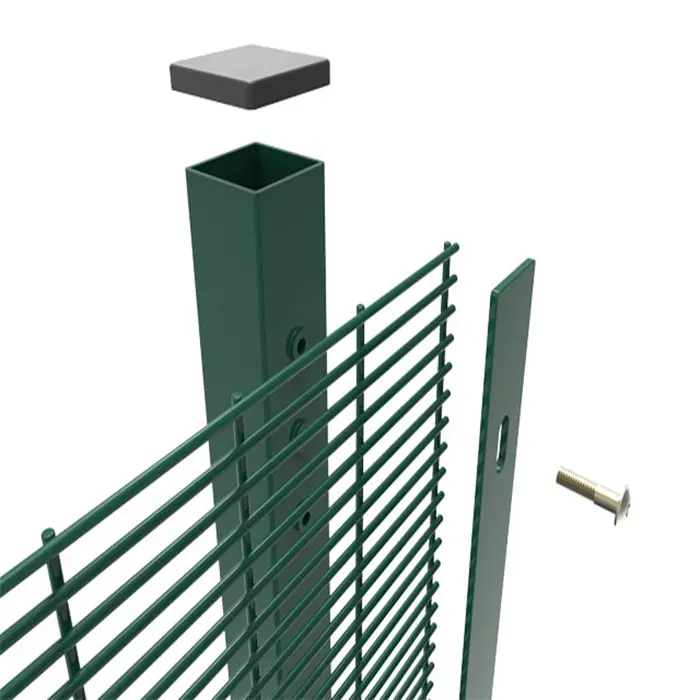
Heavy-duty steel or aluminum systems commonly used for arenas, stalls, and high-traffic areas. Powder-coated finishes in black, brown, or green offer a premium appearance and exceptional strength.
Key Specifications for Buyers
| Feature | Recommendation |
|---|---|
| Height | 1.2m – 1.5m for general paddocks; 1.8m for stallions |
| Post Spacing | 2.4m – 3.0m depending on material and load |
| Wire Gauge | 12.5 – 14 gauge for mesh; heavier for structural rails |
| Coating | Hot-dip galvanized + PVC/powder coating for longevity |
| Top Rail | Recommended for visibility and impact resistance |
| Bottom Gap | Maximum 10cm to prevent hoof entrapment |
Installation Best Practices
Proper installation is as important as material selection. Key considerations include:
Setting posts at least 60cm deep in concrete for corners and gates.
Tensioning wire correctly to avoid sagging and injury.
Rounding corners or using angled bracing to prevent horses being trapped.
Adding a visible top rail or tape to enhance the fence line.
Using gate hardware designed specifically for equine safety.
Market Trends
The global equine fencing market is growing steadily, driven by rising horse ownership, expansion of equestrian sports, and increased investment in breeding and training facilities. Buyers are increasingly seeking low-maintenance, corrosion-resistant materials such as vinyl, composite, and coated steel. Sustainability is also a factor, with recycled composite rails gaining popularity.
Conclusion
For horse owners, breeders, and equestrian facility managers, investing in the right fencing is an investment in animal safety and operational efficiency. Whether choosing traditional post and rail, durable horse mesh, or versatile electric systems, the priority should always be safety first, durability second, and aesthetics third.
Media Contact
For product catalogs, custom specifications, or bulk pricing on horse fencing solutions, Feel free to communicate your thoughts with me through the contact information below!
WhatsApp/WeChat:+8613363300602 Email:admin@dongjie88.com
We supply galvanized, PVC-coated, and composite fencing systems tailored to equine facilities worldwide.