
Understanding Metal Mesh Types for B2B Applications
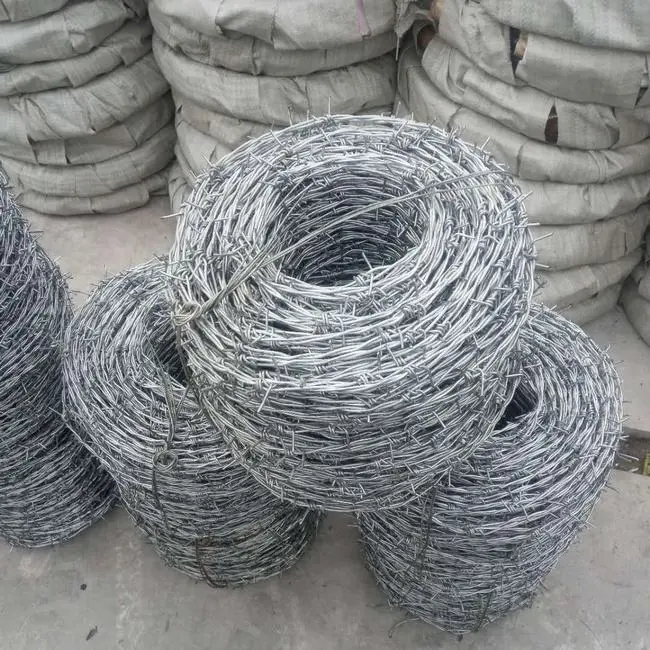
Metal mesh. It sounds…basic, doesn’t it? But honestly, it's everywhere. From security fencing (obviously, given the URL!) to industrial filtration, even architectural features. And it’s not just one thing. There’s a surprising depth to the different metal mesh types available, each suited to incredibly specific applications. I suppose what a lot of people don’t realize is how much engineering goes into something that, at first glance, looks pretty straightforward. It's about balancing strength, permeability, corrosion resistance, and, frankly, cost. We’re going to break down some key considerations for B2B decision-makers, looking at both the technical details and the practical implications.
Table of Contents
- Metal Mesh Types: A Closer Look
- Applications and Advantages
- Cost, Maintenance, and ROI
- Sustainability & the Future
Metal Mesh Types: A Closer Look
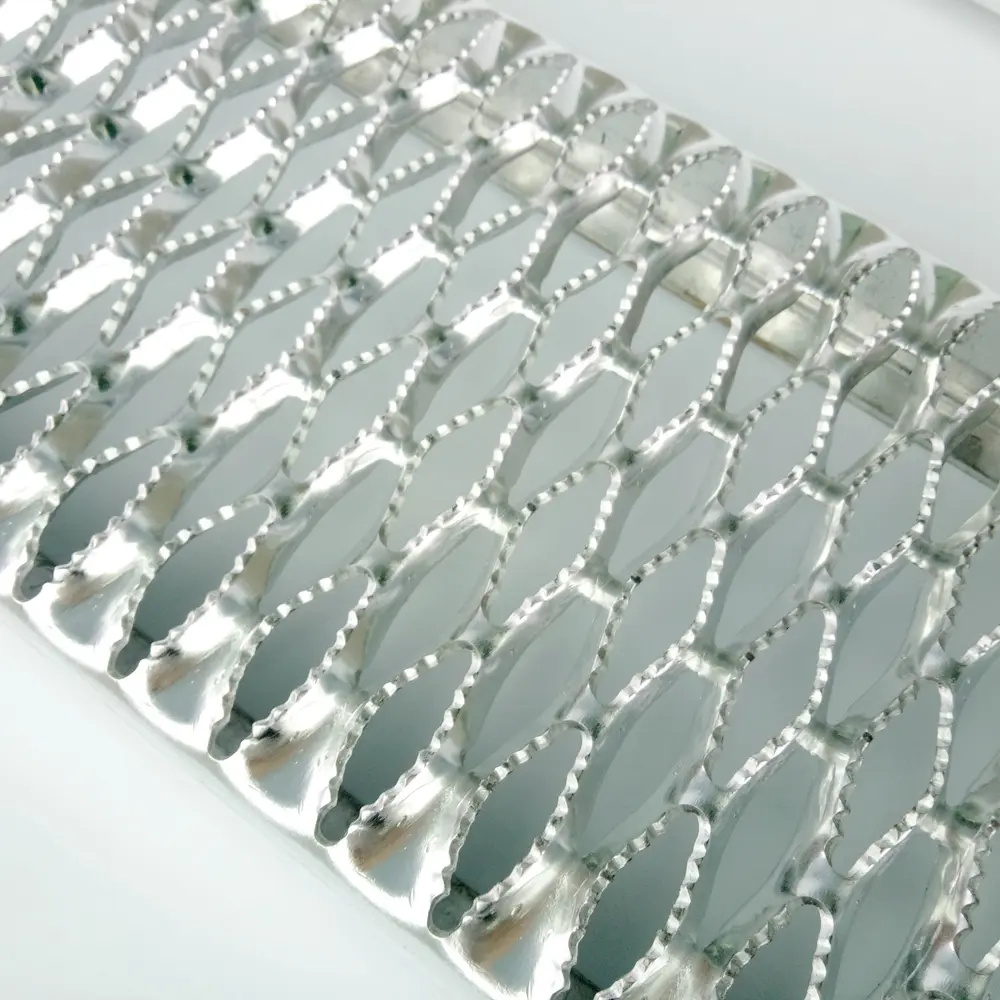
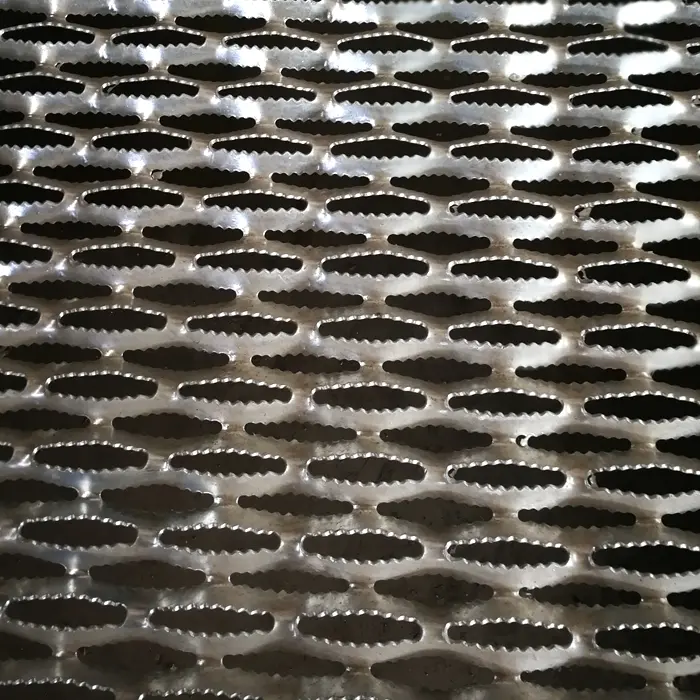
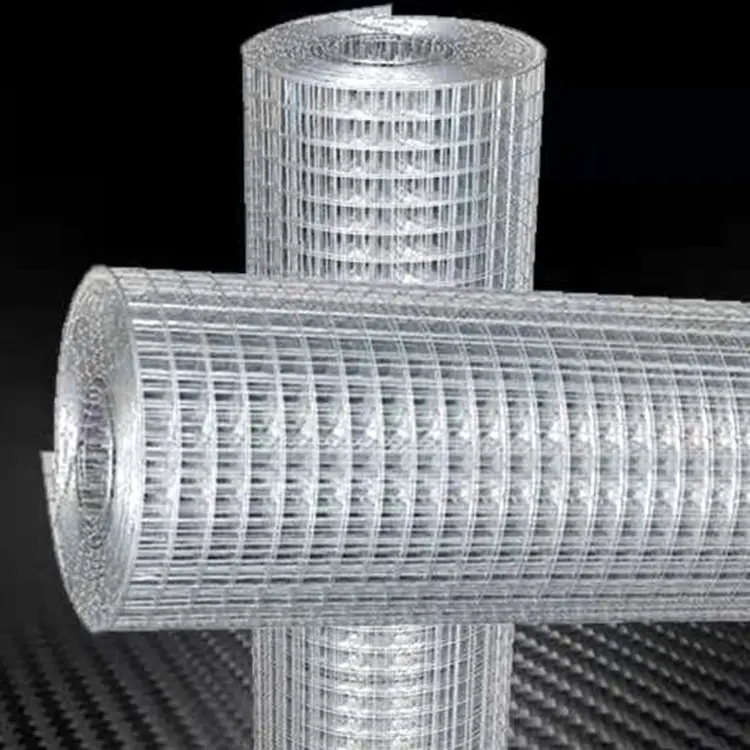
You’ve got woven mesh, welded mesh, expanded metal, perforated metal…the list goes on. Woven mesh, as you’d expect, is created by weaving wires over and under each other. It’s relatively inexpensive and good for general filtration or screening. Welded mesh, where wires are joined at their intersections, provides more rigidity. Expanded metal – that’s the stuff that looks like it’s been stretched – is great for applications where you need a high strength-to-weight ratio. And perforated metal, well, that’s pretty self-explanatory. Here's a quick spec breakdown for a common stainless steel woven mesh:
| Specification | Value | Unit |
|---|---|---|
| Material | 304 Stainless Steel | - |
| Aperture Size | 2.5 | mm |
| Wire Diameter | 0.8 | mm |
| Tensile Strength | 500 | MPa |
Applications and Advantages
Where do you see this stuff being used? Security is a big one, naturally. But also in conveyor systems – often as a belt material, or as a guard. Filtration, in water treatment or chemical processing. Even in speaker grills! The advantages are pretty clear: durability, relatively low cost (compared to solid materials), and the ability to control airflow or fluid passage. Many engineers I've spoken to value the customization options. You can adjust the mesh size, the material, the wire diameter…it’s surprisingly adaptable. It feels like there's a mesh solution for nearly any challenge.
| Vendor | Material Options | Customization | Price (Relative) |
|---|---|---|---|
| FencingWireMesh.com | Steel, Stainless Steel, Aluminum | High - Full Customization | Medium |
| IndustrialMeshSupply | Steel, Stainless Steel | Medium - Limited Options | Low |
| PrecisionMeshSolutions | Stainless Steel, Specialty Alloys | Very High - Engineering Support | High |
Cost, Maintenance & User Experience
The total cost of ownership is, frankly, pretty good. The initial investment isn’t huge, and maintenance is generally minimal. Depending on the material, you might need to consider corrosion protection – galvanizing or powder coating for steel, obviously. I recently spoke to a facilities manager at a food processing plant. They switched to stainless steel mesh guards around their machinery. They said the payback period, factoring in reduced downtime and replacement costs, was less than a year. It’s kind of a no-brainer when you look at it that way. The user experience, from an installation standpoint, is usually straightforward – cutting and fastening are typically all that’s required.
Sustainability & the Future
Sustainability is becoming a bigger and bigger factor, and metal mesh is actually pretty good in that regard. Steel and aluminum are both highly recyclable. There's a push for using more recycled content in the manufacturing process, which is definitely something to watch. And, because it’s a durable material, it lasts a long time, reducing the need for frequent replacements. Regulations around workplace safety are also driving demand for robust guarding solutions – which often means metal mesh. I suppose the trend is towards lighter, stronger, and more sustainable mesh options.
Frequently Asked Questions about Metal Mesh Types
- What is Metal Mesh Types and how does it work?
- Metal mesh is created by interlocking or welding wires to form a grid-like structure. It functions as a barrier, filter, or support element depending on its design and material, providing strength and permeability.
- What are the main benefits of using Metal Mesh Types in industrial applications?
- The key benefits include high strength-to-weight ratio, durability, cost-effectiveness, customizable aperture sizes, and resistance to corrosion when using appropriate materials.
- How does Metal Mesh Types compare to traditional alternatives?
- Compared to solid materials, metal mesh offers better ventilation, visibility, and is often lighter and more cost-effective. Compared to plastic mesh, it provides superior strength and temperature resistance.
- What industries can benefit most from Metal Mesh Types implementation?
- Industries like manufacturing, construction, food processing, pharmaceuticals, and security all benefit significantly from the versatile properties of metal mesh types.
Conclusion on Metal Mesh Types from China
So, it’s not just wire, is it? It's a surprisingly sophisticated material with a huge range of applications. Understanding the different metal mesh types and their properties is key to making the right choice for your specific needs. Don't underestimate its versatility – or its value.
- - "Visit our website: https://www.fencingwiremesh.com"