
Stainless Steel Hexagonal Wire Mesh: Why It Still Reigns in Industrial Applications
Having spent a fair amount of time in the industrial equipment world, I’ve seen plenty of materials come and go, but stainless steel hexagonal wire mesh has consistently intrigued me. It’s one of those unsung heroes — straightforward, robust, and oddly versatile. You might think of wire mesh as just a basic barrier, but when it's the hexagonal kind made from stainless steel, it’s a different beast altogether.
First off, let’s talk about the stainless steel hexagonal wire mesh itself. Its characteristic six-sided pattern isn’t just for aesthetics; engineers like it because that geometry offers excellent flexibility without compromising strength. Frankly, most competitors’ meshes with square or rectangular patterns often can’t match that balance. I suppose it all boils down to how forces get distributed across the wires, making the hexagonal pattern a bit like the honeycomb structure we see in nature.
What I find fascinating is how the stainless steel grade affects performance. You usually see types like 304 or 316 stainless steel, with 316 having that extra molybdenum to withstand corrosive environments better. I’ve witnessed installations near coastal areas where 316 mesh outperformed others hands down—rust resistance is critical in those salty atmospheres. Oddly enough, despite the price difference, most clients prioritize longevity over cost, especially for outdoor fencing or industrial filtration purposes.
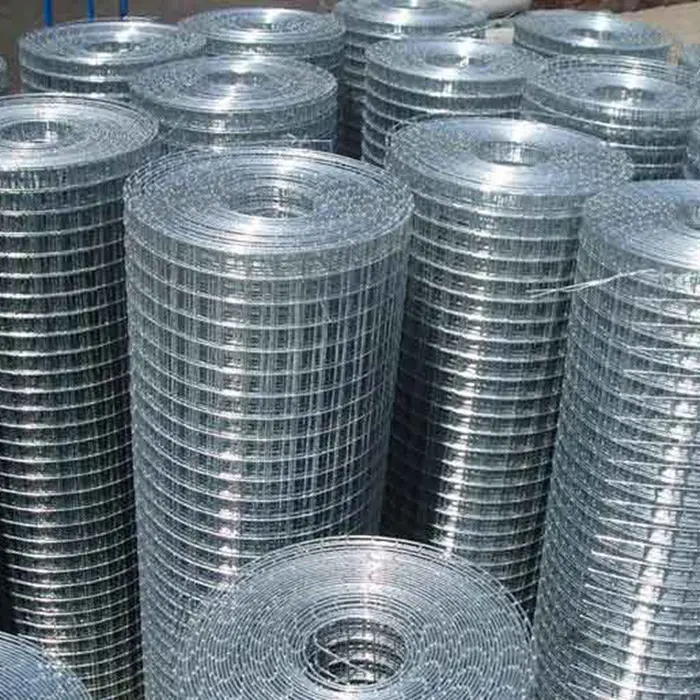
Over the years, I noticed a trend leaning toward customizations — mesh size, wire diameter, and even roll length. Some engineers come with very specific specs to meet unique filtration thresholds or security levels. That’s where working with a flexible vendor truly makes a difference.
| Specification | Details |
|---|---|
| Material Grade | 304 / 316 Stainless Steel |
| Wire Diameter | 0.3 mm – 1.6 mm |
| Mesh Opening | 2 mm – 50 mm Hexagonal |
| Roll Length | 10 m – 50 m |
| Surface Treatment | Pickled & Passivated |
From a practical standpoint, you want to ensure the mesh has undergone proper quality testing — tensile strength, corrosion resistance, even weave regularity. I recall a project where a subpar batch led to premature fraying and replacement costs that frankly could have been avoided. It’s an excellent example of why trust in your supplier matters.
| Feature | FencingWireMesh | Competitor A | Competitor B |
|---|---|---|---|
| Material Grades Available | 304, 316 | 304 only | 304 and 310 |
| Customization Options | Wide (mesh size, wire dia, length) | Limited | Moderate |
| Lead Times | 2–4 Weeks | 4–6 Weeks | 3–5 Weeks |
| Quality Assurance | Certified Testing & Inspection | Basic | Standard |
| Price | Mid-range, value for money | Low | High |
One memorable client I worked with needed hexagonal wire mesh for a filtration system operating in chemical plants. They were initially skeptical about the mesh’s durability under harsh chemicals. After recommending a 316-grade, pickled and passivated supply from a trusted source, they reported zero degradation after six months — which, let me tell you, felt like a small victory. It’s stories like these that reinforce why knowing your product inside out is crucial before making recommendations.
In real terms, when you’re specifying stainless steel hexagonal wire mesh, weigh the environment, the mechanical stresses, and the supplier’s reputation. If you cut corners, it always shows later. To my mind, partnering with vendors who provide detailed specs, clear quality documentation, and good after-sales support (like FencingWireMesh) makes the whole process less nerve-wracking. Plus, I suppose it’s nice knowing the mesh isn’t just a bland safety net but a smart engineering choice.
All in all, stainless steel hexagonal wire mesh remains a solid, adaptable solution for many industries — from construction and agriculture to filtration and security fencing. It’s this combination of strength, flexibility, and corrosion resistance that keeps it relevant decade after decade, no matter what flashy new materials pop up.
Takeaway: Don’t underestimate the quiet strength of well-made stainless steel hexagonal wire mesh — it’s engineered to perform, and works hard behind the scenes.
1. ASTM A580 / A580M – Standard Specification for Stainless Steel Wire2. “Material Selection for Wire Mesh” – Industrial Equipment Journal, 2021
3. Supplier reliability data from independent product audits, 2023