
What is a Noise Barrier? A Comprehensive Guide
In today’s increasingly noisy world, the need for effective noise reduction solutions is more important than ever. A noise barrier, also known as a sound barrier, is a structure designed to reduce sound pollution or unwanted noise levels. This article will explore what a noise barrier is, how it works, the different types available, common applications, and considerations when choosing the right solution. Understanding these aspects is crucial for creating quieter and more comfortable environments.
How Do Noise Barriers Work?
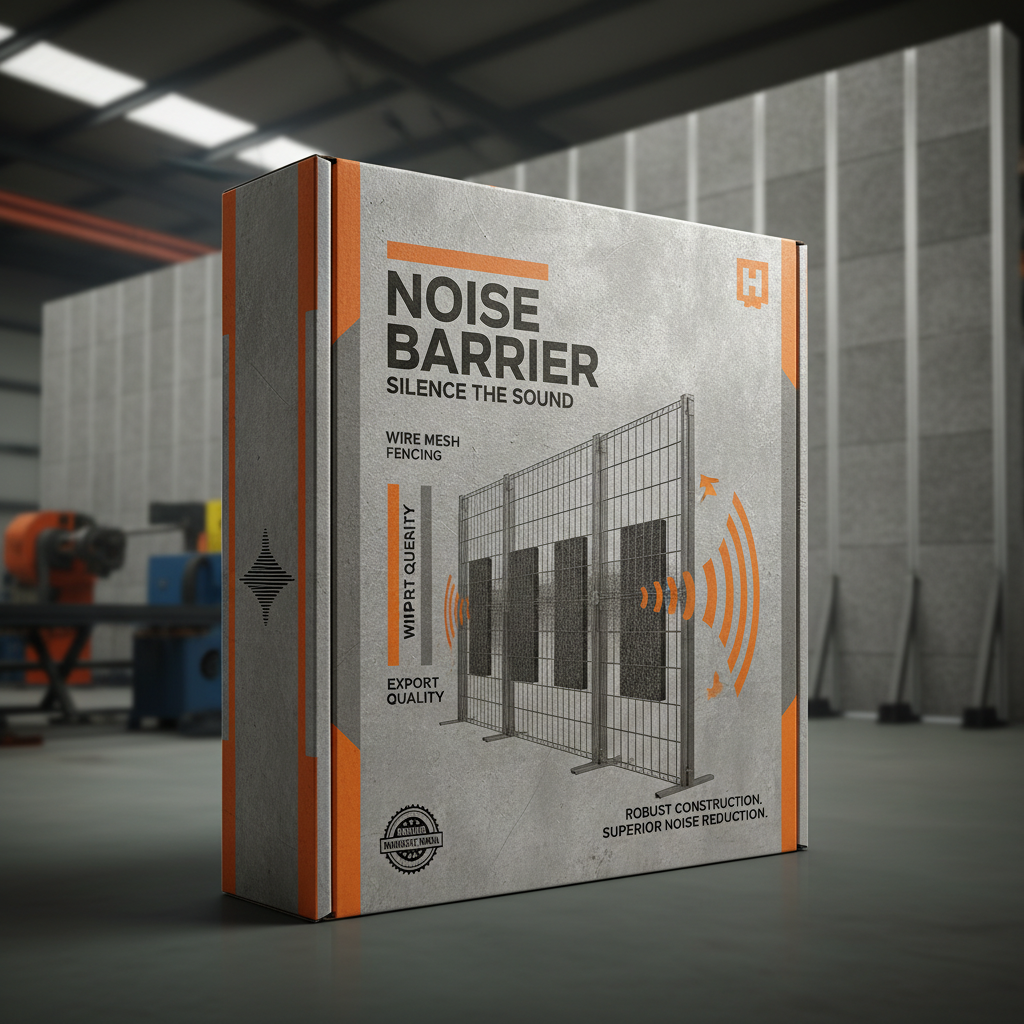
Noise barriers work by blocking the direct path of sound waves from the source to the receiver. Sound travels in a relatively straight line, and barriers obstruct this path, causing the sound to be redirected – either reflected or absorbed. The effectiveness of a noise barrier depends on several factors, including its height, length, density, and the distance between the source, the barrier, and the receiver. Generally, higher and longer barriers provide greater noise reduction. Materials that are dense and absorb sound energy perform better than lightweight, reflective materials. A well-designed noise barrier can significantly reduce noise levels, creating a more peaceful environment.
Key Takeaway: Noise barriers work by blocking, reflecting, or absorbing sound waves, reducing noise levels for those on the receiving end.
Types of Noise Barriers
Noise barriers come in various forms, each suited for different applications and noise reduction requirements. Some common types include:
- Solid Barriers: Constructed from materials like concrete, brick, or dense wood, these barriers effectively block sound transmission.
- Absorptive Barriers: Made from sound-absorbing materials like fiberglass or foam, these barriers reduce noise by converting sound energy into heat.
- Combined Barriers: These barriers incorporate both solid and absorptive elements to maximize noise reduction.
- Earth Berms: Natural barriers created by mounds of earth, offering a cost-effective and aesthetically pleasing solution.
- Vegetative Barriers: While less effective than solid barriers, dense vegetation can provide some noise reduction, particularly for higher frequencies.
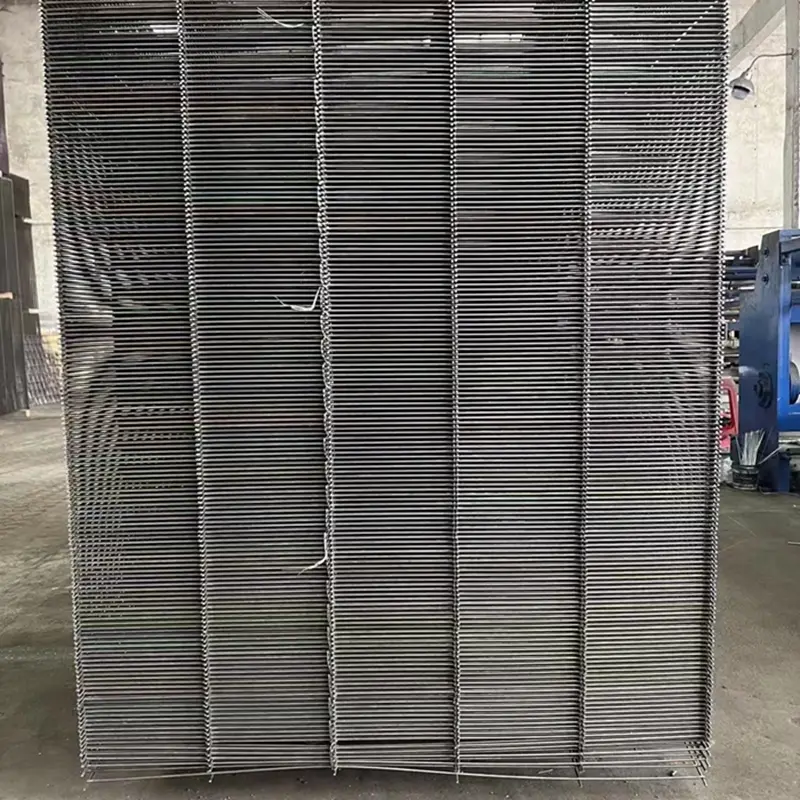
The choice of barrier type depends on factors such as the noise source, the desired level of reduction, budget, and aesthetic considerations. Fencing Wire Mesh offers several options for noise barriers, including welded wire mesh panels known for their durability and effectiveness.
Common Applications of Noise Barriers
Noise barriers are used in a wide range of applications to mitigate noise pollution and improve quality of life. Some common examples include:
- Highways & Roadways: Reducing traffic noise for nearby residents.
- Industrial Sites: Containing noise from machinery and operations.
- Commercial Areas: Minimizing noise from businesses and parking lots.
- Residential Developments: Creating quieter living environments.
- Airports & Railway Lines: Reducing noise from aircraft and trains.
- Construction Sites: Reducing disturbance to surrounding communities.
The specific design and materials used will vary depending on the application and the level of noise reduction required.
Noise Reduction Performance Based on Material
Factors to Consider When Choosing a Noise Barrier
Selecting the right noise barrier requires careful consideration of several factors. These include:
- Noise Frequency: Different materials are more effective at reducing different frequencies.
- Distance to Noise Source: The farther the barrier, the less effective it becomes.
- Barrier Height & Length: Higher and longer barriers provide greater noise reduction.
- Aesthetics: The visual impact of the barrier in its surroundings.
- Cost: The initial cost of materials and installation.
- Environmental Impact: Consider the sustainability of the materials used.
Consulting with a noise control specialist can help you assess your specific needs and select the most appropriate noise barrier solution. Fencing Wire Mesh can provide guidance and offer custom solutions to meet your unique requirements.
Conclusion: Creating Quieter Environments with Noise Barriers
A noise barrier is a vital tool for mitigating noise pollution and improving the quality of life. By understanding the principles of noise reduction and carefully considering the factors outlined above, you can select the best solution for your specific needs. From highways to industrial sites, noise barriers provide a practical and effective way to create quieter, more peaceful environments.
Frequently Asked Questions (FAQs)
What is the difference between a noise barrier and a soundproof wall?
While both aim to reduce noise, they differ in their approach. A noise barrier primarily blocks the transmission of sound from the source to the receiver, typically used outdoors. A soundproof wall, on the other hand, aims to isolate a space and prevent sound from entering or exiting, often used indoors. Soundproof walls achieve this through dense materials and airtight construction. Noise barriers focus on deflecting or absorbing sound energy, while soundproof walls focus on stopping it altogether. The key difference lies in their application and the level of noise reduction required.
How high does a noise barrier need to be to be effective?
The required height of a noise barrier depends on several factors, including the distance to the noise source, the terrain, and the desired noise reduction level. As a general rule, a barrier needs to be at least as high as the line of sight between the noise source and the receiver. However, increasing the height beyond this point provides diminishing returns. For optimal performance, a height of at least 2-3 meters is typically recommended, but taller barriers may be necessary for significant noise reduction in specific situations.
Can vegetation be used as a noise barrier?
While vegetation can offer some noise reduction, it’s generally less effective than solid barriers. Dense trees and shrubs can absorb some high-frequency sounds, but they have limited impact on low-frequency sounds like traffic rumble. Vegetation is more useful as a supplemental measure in conjunction with a solid barrier, enhancing its aesthetic appeal and providing additional sound absorption. The effectiveness of vegetation depends on its density, height, and width.
What materials are best for building a DIY noise barrier?
For a DIY noise barrier, dense and heavy materials are most effective. Plywood, mass-loaded vinyl, or even stacked hay bales can provide some noise reduction. Consider using a combination of materials – for example, a plywood frame filled with sound-absorbing insulation. Welded wire mesh can also be incorporated into a DIY barrier for added stability and support, especially when combined with absorptive materials. Remember to prioritize safety and structural integrity when building your barrier.