
What Is Anti Cut Fencing and Why It’s a Game-Changer Worldwide
You might have seen fencing around construction sites, remote industrial zones, or refugee camps, but have you ever wondered how they stand up against determined vandals or intruders wielding cutting tools? Enter anti cut fencing — a kind of perimeter protection designed to resist cutting or breaching attempts, ensuring safety and peace of mind across countless global applications. It’s not just a fancy upgrade. As urbanization, conflict zones, and the need for secure boundaries increase around the world, understanding anti cut fencing becomes crucial. From protecting vital infrastructure to safeguarding humanitarian operations, it’s about creating secure, trustworthy boundaries in an unpredictable world.
Global Context: Why Anti Cut Fencing Matters More Than Ever
Roughly 70% of the world’s critical infrastructure lies exposed to physical threats, according to recent data from the UN Office for Disaster Risk Reduction. In industrial hotspots or politically unstable regions, “cut and run” intrusions cost billions annually — and that’s not even counting the risks to human safety. Anti cut fencing steps in as a frontline defense, offering reliable protection when typical wire mesh or chain link fencing won’t cut it. The World Bank highlights increased investment in resilient infrastructure protection, emphasizing technologies like anti cut fencing as vital to sustainable development goals. You might think that fencing is simple — but it’s an engineering challenge hardened by global needs and threats.
Mini Takeaway:
Anti cut fencing isn’t a luxury; it’s a response to growing global security challenges, protecting assets and people alike.
What Exactly Is Anti Cut Fencing?
Put simply, anti cut fencing is a specialised barrier system engineered to resist intrusion attempts through cutting tools such as bolt cutters, saws, or any device that would normally slice through standard fencing. It’s often made from toughened materials like high-tensile steel wire with dense weaving patterns, sometimes reinforced with coatings or composite layers to add durability. In humanitarian contexts — think refugee camps or disaster relief zones — this fencing ensures secure perimeters without sacrificing rapid deployment or sustainability.
Oddly enough, the demand for such fencing has accelerated with globalization and increased infrastructure interconnectedness. Industries from mining in South America to power plants in Eastern Europe rely on these fences, recognizing that a breach isn’t just theft — it’s disruption.
Key Components That Make Anti Cut Fencing Work
1. Durability and Material Strength
The backbone of anti cut fencing is robust wire material, often galvanized or coated with anti-corrosive layers to withstand weather and prevent rust. It’s about how well the wire holds up not just to cutting but to environmental decay — a critical factor if your site is on a rainy coastline or scorching desert.
2. Mesh Density and Design
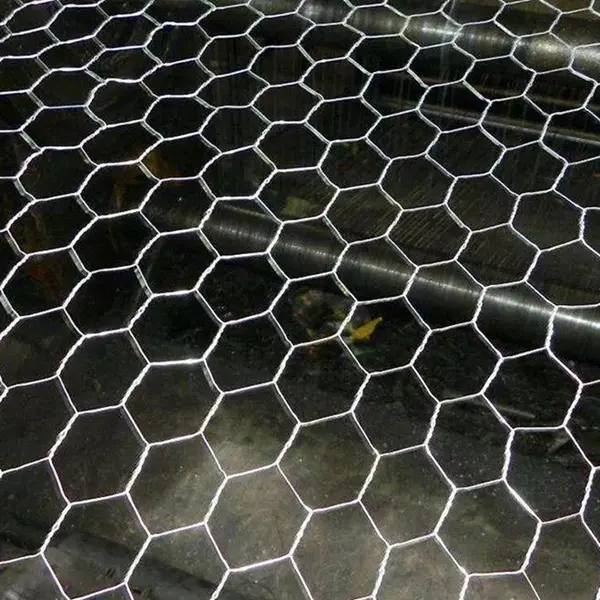
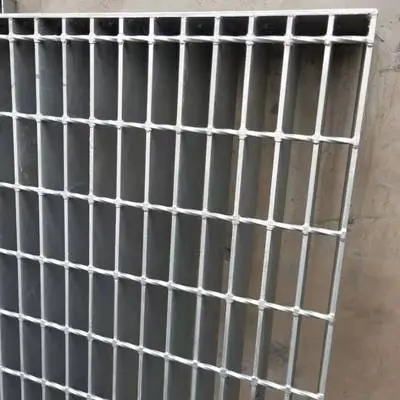
Typical chain-link fences have larger gaps, making them easy to snip or climb. Anti cut versions use a much tighter mesh, sometimes with welded or intertwined wires, reducing grip points and increasing cut resistance dramatically. Some designs incorporate “hidden” wire layers that act like a tripwire or tamper sensor.
3. Scalability and Adaptability
Whether a small commercial site or vast mining operation, anti cut fencing solutions come in scalable modules. Many suppliers offer customization for height, mesh type, and coating — adapting to regional security mandates or climate factors.
4. Cost-Efficiency Over Time
Initial costs can be higher than traditional fences, but the long lifespan and fewer repair needs typically mean lower total cost of ownership. For businesses, that’s often the deciding factor — pay a bit more now, save in the long run.
Mini Takeaway:
Great anti cut fencing balances material science and smart design, creating a fence that’s tough, long-lasting, and just the right fit for your project.
Real-World Use Cases of Anti Cut Fencing
- Post-Disaster Relief Camps: In Haiti and Bangladesh, relief organizations use anti cut fencing to set up safe zones, preventing unauthorized access and protecting vulnerable populations.
- Industrial Zones in Africa & Asia: Mining companies in South Africa and oil refineries in the Middle East rely on robust fencing to combat theft of equipment and ensure regulatory compliance.
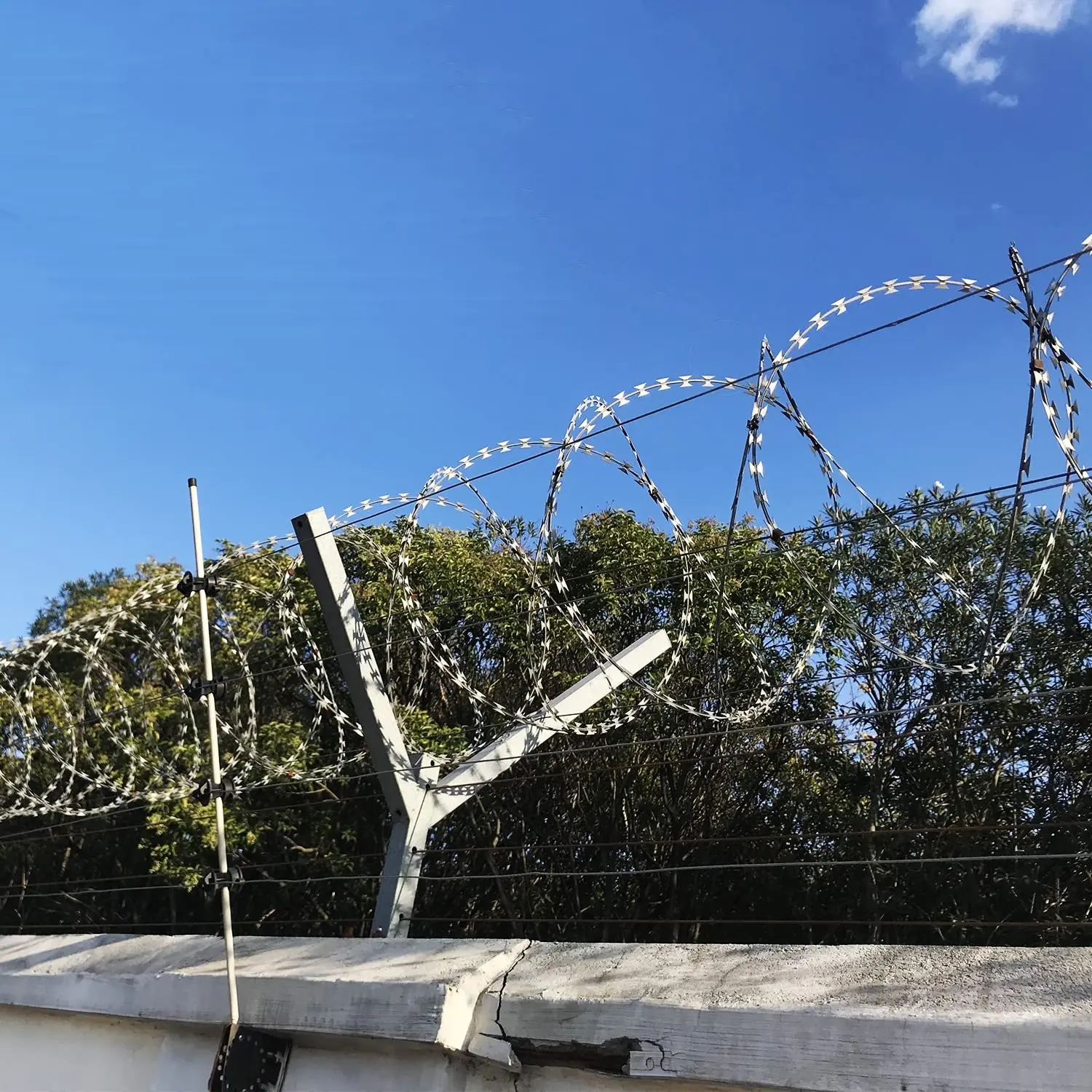
- Critical Infrastructure Worldwide: Power plants, telecom installations, and airports employ anti cut fencing for perimeter security against vandalism and terrorism.
You can find these fences wherever perimeter security demands exceed what a normal fence can offer — which, frankly, is almost everywhere that matters.
Product Specification Table
| Feature | Specification | Benefit |
|---|---|---|
| Material | High tensile galvanized steel wire (5mm diameter) | Resists cutting, corrosion, and weathering |
| Mesh Size | 12.7 mm x 12.7 mm (tight weave) | Prevents bolt cutters and climbing |
| Height Options | 1.8 m to 3.0 m | Meets varied security requirements |
| Coating | Polymer powder coating / PVC | Enhanced weather resistance, aesthetic appeal |
| Installation Time | Typically 1–2 days per 100 sq. meters | Fast deployment for urgent projects |
Comparing Top Vendors of Anti Cut Fencing Solutions
| Vendor | Material Quality | Customization | Global Reach | Price Range |
|---|---|---|---|---|
| SecureMesh Corp | Premium galvanized with proprietary coating | Full custom: mesh size, height, anti-climb | Global, with warehouses in 15 countries | $$$ |
| FortiFence Industries | Standard galvanized wire | Limited sizes, but quick lead times | Regional: Europe and North America | $$ |
| GlobalFence Solutions | High-tensile steel, eco-friendly coating | Medium customization, also anti-climb | Extensive supply in Asia and Africa | $$$ |
The Tangible Benefits of Anti Cut Fencing
Beyond the technical specs, why do companies and NGOs swear by anti cut fencing? First off, it’s about reliability. You don’t want surprises when your perimeter is tested at night, under stress, or in harsh weather. The upfront cost might be a pinch but, in real terms, you save on repairs, theft losses, and the intangible cost of interrupted operations.
Socially, such fences protect workers and populations, conveying trust and dignity — which often gets overlooked but is crucial in humanitarian setups. And environmentally, many new fences use eco-conscious coatings and recyclable metals, aligning with sustainability goals. So it’s not just strong — it’s smart.
Looking Ahead: What’s New in Anti Cut Fencing?
Future trends point toward digital integration — imagine fencing equipped with embedded sensors that detect tampering and instantly alert security teams. Some research groups are experimenting with lighter, stronger composite fibers that resist cutting while reducing weight considerably. Green energy powered LED fences and solar panel integration are on the horizon, too.
Policies are also tightening, with international standards evolving to better classify fencing security levels, helping clients choose exactly the right protection. It feels like next-gen fencing is ready to become as much about data and responsiveness as about steel.
Common Challenges & How They’re Being Solved
Frankly, the biggest hurdle is balancing cost with performance — not everyone can afford premium fencing, especially in developing areas. Also, improper installation can reduce effectiveness drastically. That’s why many vendors now offer both training and modular kits to speed and improve set-up quality.
Another issue is environmental wear in extreme climates, but advances in coatings and maintenance regimes have made fences more resilient than ever. Clients increasingly lean on turnkey solutions combining fencing with monitoring and rapid repair options to close gaps.
FAQ: Practical Questions About Anti Cut Fencing
- Q: How resistant is anti cut fencing to standard bolt cutters?
- A: Most anti cut fencing uses wire and mesh designs that exceed standard bolt cutter capacities, making cutting attempts extremely difficult and time-consuming — often enough to deter intruders altogether.
- Q: Can anti cut fencing withstand harsh weather like salt spray or extreme heat?
- A: Yes, especially when galvanized and coated properly. Many fences are designed for coastal or desert climates using specialized corrosion-resistant materials.
- Q: Is it possible to integrate anti cut fencing with security systems?
- A: Absolutely. Modern solutions often include options for tamper sensors, cameras, or alarm systems embedded within or alongside the fencing.
- Q: How quickly can anti cut fencing be installed on large sites?
- A: Installation varies by site size and terrain but modules typically enable rapid deployment, with some setups completing 100 sq. meters within 1-2 days.
- Q: Where can I find trusted anti cut fencing suppliers?
- Leading vendors include SecureMesh Corp, FortiFence Industries, and GlobalFence Solutions — all offering international shipping and customization.
Conclusion: The Long-Term Value of Anti Cut Fencing
In a world where security challenges evolve and stakes rise, anti cut fencing stands out as an essential investment. It’s not just about wires and mesh — it’s about creating safe boundaries that withstand physical and environmental threats, protect livelihoods and dignity, and support faster recovery in disaster or conflict zones. Whether you manage infrastructure, humanitarian projects, or industrial sites, choosing the right fencing can mean the difference between vulnerability and resilience.
Ready to upgrade your perimeter protection? Visit our website to explore tailored anti cut fencing options built to last.