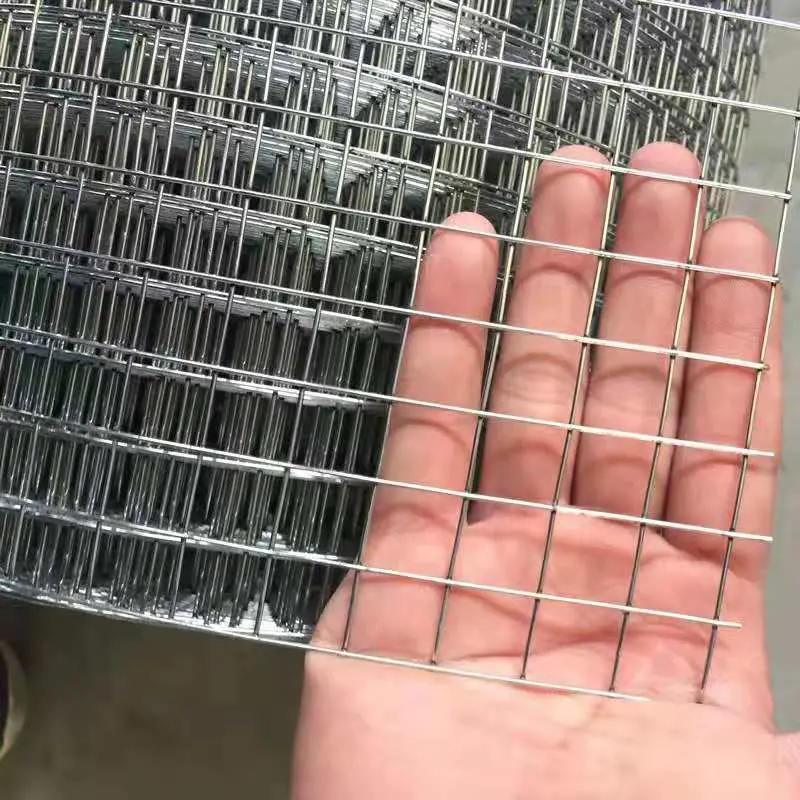

Anti Cut Security Fence: Protecting What Matters in a Changing World
At its core, an anti cut security fence might sound like just another line of defense, but these fences serve as critical guardians across the globe—from conflict zones and high-security facilities to humanitarian camps where vulnerable populations seek shelter. Understanding these fences is more than just knowing their specs; it’s about recognizing their role in safety, resilience, and sometimes, even dignity.
With increasing concerns over trespassing, theft, and even violent breaches worldwide, the need for fences that resist cutting attempts has never been greater. They help secure borders, protect infrastructure, and shield communities. So, why should you really care? Because the right security solution can mean the difference between risk and reassurance, chaos and control.
The Global Context: Why Anti Cut Security Fencing Matters
Security challenges are not localized. According to the United Nations, border disputes and industrial sabotage remain persistent global issues. An estimated 30% of industrial theft involves physical breaches of perimeter fences. In regions ranging from Europe to Southeast Asia, organizations are increasingly investing in robust fencing to combat these risks.
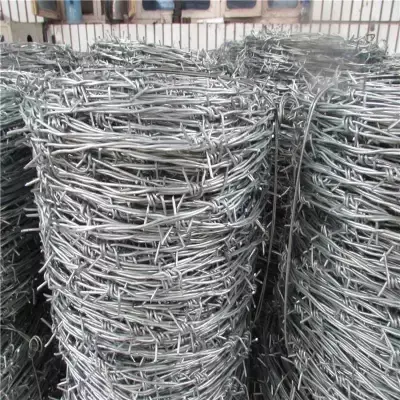
Consider, for instance, the rise of urban development and critical infrastructure projects. The ISO standards on security fencing reflect strict requirements to curb unauthorized entry, particularly focusing on materials that resist cutting tools. Yet the challenge remains: many conventional fences are still vulnerable to bolt cutters, grinders, or hacksaws, making anti cut security fences a growing industry focus.
In other words, as security threats evolve, so must the physical barriers designed to stop them.
What Exactly Is an Anti Cut Security Fence?
Simply put, an anti cut security fence is a type of perimeter fencing engineered to resist intrusion attempts by preventing or significantly delaying cutting through the fabric. Unlike regular chain link or wire mesh fences, these fences feature hardened steels, specialized coatings, and tighter weaving patterns to thwart common cutting tools.
These aren't just fences—they’re engineering solutions crafted to maintain security integrity. You'll often find these fences used in military zones, critical infrastructure sites, correctional facilities, and humanitarian camps where enhanced protection is essential.
Mini takeaway:
Anti cut security fences combine materials science with security strategy—making them vital for industries where perimeter breaches carry real consequences.
What Makes Up an Effective Anti Cut Security Fence?
1. Durability
The backbone of any such fence is durability. Think hardened steel wires designed to withstand not only attack tools but also harsh weather conditions—whether brutal sun, heavy rain, or icy winters. Corrosion resistance coatings like galvanized zinc or PVC layers extend operational life, which frankly, saves money and hassle in the long run.
2. Resistance to Cutting Tools
Key features include high tensile strength wires woven tightly enough that physical cutters can't easily get leverage. Some fences weave steel wires with complex patterns, designed to frustrate bolt cutters or angle grinders. Additionally, embedding diamond-shaped mesh configurations or twisted wire strands complicates attempts to grab and slice.
3. Scalability & Modular Design
Whether securing a small warehouse or a sprawling industrial campus, anti cut fences come as panels that can be linked and scaled up. This modular design eases installation and repairs — a practical consideration when time and budget are limited.
4. Cost Efficiency
While upfront costs are higher than ordinary fencing, the reduced maintenance and longer service span pay off. Plus, avoiding security breaches—costly in every sense—makes these fences a sound investment.
5. Integration with Security Systems
Many modern fences are designed to support CCTV cameras, alarm sensors, or even smart tech that detects vibration or cutting attempts. Though the fence itself is physical, its role in an integrated security ecosystem is more critical than ever.
Mini takeaway:
Combining toughness with smart design and adaptability means anti cut security fences are more than barriers—they're active defenders.
Global Applications: Real-World Uses of Anti Cut Security Fencing
One fascinating aspect is how these fences shape security in varied contexts:
- Conflict zones: UN peacekeeping missions often use anti cut fencing to protect camps and avoid infiltration.
- Industrial sites: Mines in Africa or manufacturing plants in Southeast Asia rely heavily on rugged perimeter fences to prevent theft.
- Transportation hubs: Airports and seaports use these fences to enforce secure perimeters, reducing smuggling risks.
- Humanitarian relief: Post-disaster camps in places like Bangladesh or Syria apply these fences to maintain order amid chaos.
For example, the recent expansion of remote mining operations in Australia includes deploying anti cut wire mesh fences to safeguard equipment and workers against both animals and unauthorized personnel.
Mini takeaway:
The universal demand underscores how robust fencing technology transcends sector lines, answering core security needs everywhere.
Advantages & Long-Term Value of Anti Cut Security Fencing
Let’s get practical. Why do clients keep choosing these fences?
- Durability equals savings: Less frequent replacements and repairs.
- Increased protection: Lower risk of theft, vandalism, or violent breaches.
- Higher safety and trust: For employees, residents, travelers—peace of mind matters.
- Supports sustainability: Longer lifespan means fewer materials discarded.
- Integration creates smarter sites: When combined with sensors or cameras, fences raise security levels exponentially.
On a more emotional level, an anti cut security fence often translates directly to more security for vulnerable groups in camps or refugee shelters—offering dignity along with protection.
Anti Cut Security Fence Specification Table
| Specification | Details |
|---|---|
| Material | High Tensile Galvanized Steel Wire, PVC Coated Option |
| Mesh Size | 12.5mm x 76.2mm (approx. 0.5" x 3") |
| Wire Diameter | 3.0mm – 4.0mm |
| Height Options | 1.8m / 2.4m / 3.0m |
| Panel Width | 2.5m standard |
| Coating | Hot-Dip Galvanized & PVC |
| Weight per Panel | Approx. 25-30 kg depending on mesh size |
| Cutting Resistance | Tested against bolt cutters, saws (ISO 1928) |
Popular Anti Cut Security Fence Vendors: How They Compare
| Vendor | Material Quality | Customization Options | Lead Time | Price Range |
|---|---|---|---|---|
| SecureFence Inc. | Premium galvanized steel, PVC coated | Height & mesh size adjustable | 3-4 weeks | $$$ |
| FortiMesh Solutions | Galvanized steel, focus on modular design | Standard panels, some custom heights | 2-3 weeks | $$ |
| Global Fence Tech | Hot-dip galvanized, some anti-rust coatings | Wide range, including integrated sensors | 4-5 weeks | $$$$ |
Emerging Trends and Innovations
Oddly enough, even fencing is getting a digital facelift. Innovations include fences embedded with fiber optic sensors that detect cutting or climbing attempts in real-time, communicating alerts immediately. There's also a push toward eco-friendly materials, such as recycled steel, and more efficient coatings that reduce environmental impact during manufacture.
Automation is creeping in: some sites now use drones paired with anti cut fences to create layered security zones—though that definitely feels like sci-fi for many facilities still relying on manual patrols.
Challenges and How to Navigate Them
None of this is perfect. Installation costs for anti cut meshes are considerably higher upfront, and in remote areas, logistical challenges can delay deployment. Wire mesh fencing can only do so much without complementary security measures, like surveillance or security personnel.
However, many engineers agree the best approach combines physical barriers with electronic monitoring, essentially “defense in depth.” Additionally, training local staff on fence maintenance helps prevent premature wear or damage that would weaken cutting resistance.
FAQ: Common Questions About Anti Cut Security Fence
Q1: How effective are anti cut security fences against professional thieves?
They are highly effective at deterring and delaying intrusion attempts involving cutters or saws due to their specialized wire materials and design. While no fence is completely impenetrable, these fences greatly increase the time and effort required for breachers, often discouraging attempts altogether.
Q2: Can anti cut fences be installed outdoors in harsh climates?
Yes, most anti cut fences use galvanized or PVC-coated steel designed specifically to resist corrosion—even in coastal or tropical environments. Proper installation and maintenance are key to maximizing longevity in extreme weather.
Q3: Are there options that integrate sensor technology with fencing?
Absolutely. Many vendors now offer fencing panels compatible with vibration detection sensors or CCTV mounts, allowing instant alerts if tampering occurs. This integration is becoming standard for critical infrastructure sites.
Q4: What is the typical lifespan of an anti cut security fence?
Generally, with proper maintenance, these fences last 10 to 15 years, possibly more depending on environment and usage. The choice of materials and coatings also plays a major role.
Q5: Are anti cut fences customizable for unusual site requirements?
Yes, many suppliers offer custom panel sizes, wire thicknesses, and coatings. Modular designs help adapt fences quickly to irregular terrain or varying security levels without compromising resistance.
Wrapping Up: Why Investing in Anti Cut Security Fencing Makes Sense
In a world where physical security risks evolve rapidly, investing in a robust anti cut security fence feels like an insurance policy you hope never to use—but you really want in place. It’s a practical, often cost-saving step that protects people, property, and peace of mind.
Whether you’re safeguarding an industrial facility, supporting a humanitarian camp, or just tired of patching holes in your perimeter, these fences deliver resilience and reliability in spades.
Interested in exploring options? Don’t hesitate to visit our website for expert advice, custom quotes, and the latest in perimeter security innovation.
Final takeaway:
Anti cut security fences aren’t just wires and mesh—they’re frontline defenders built for today's complex security needs, blending engineering precision with peace of mind.

.webp "Metal anti-skid plates: a solid line of defense for safe walking")