
Cattle Fence Supplies: Essential Tools for Sustainable Livestock Management
When you think about cattle fence supplies, you might picture simple wire fences stretching across farmlands. But frankly, these supplies are much more than just barriers—they form the backbone of efficient and humane livestock management worldwide. Globally, managing grazing lands and protecting livestock directly influences food security, rural economies, and even ecosystem health.
Understanding cattle fence supplies lets farmers and ranchers increase productivity while controlling costs and preserving natural resources. Plus, since global meat demand keeps climbing—according to the UN Food and Agriculture Organization, global meat consumption per capita rose steadily over the past decade—reliable fencing solutions matter on a truly vast scale.
Why Cattle Fence Supplies Matter on a Global Scale
Livestock farming contributes roughly 40% of global agricultural GDP (World Bank, 2022). Proper fencing is crucial because it reduces livestock losses, protects pastures from overgrazing, and prevents conflicts with neighboring properties or wildlife.
Industries in places like Australia, Brazil, India, and the U.S. rely heavily on quality fencing. But even more remotely, humanitarian efforts use similar materials when developing agricultural infrastructure in post-disaster or impoverished regions to rebuild livelihoods.
What Exactly Are Cattle Fence Supplies?
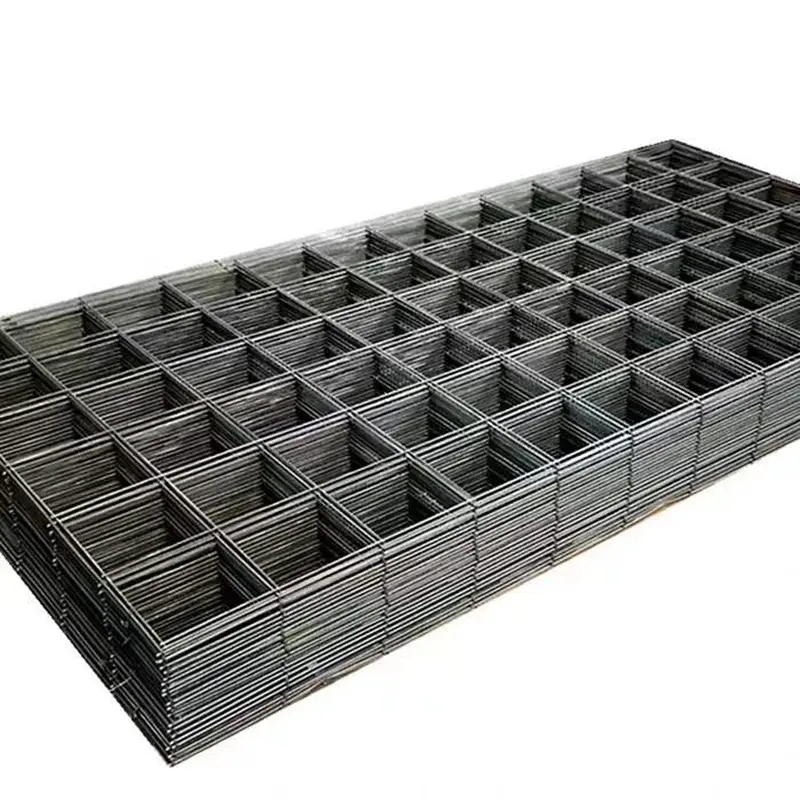
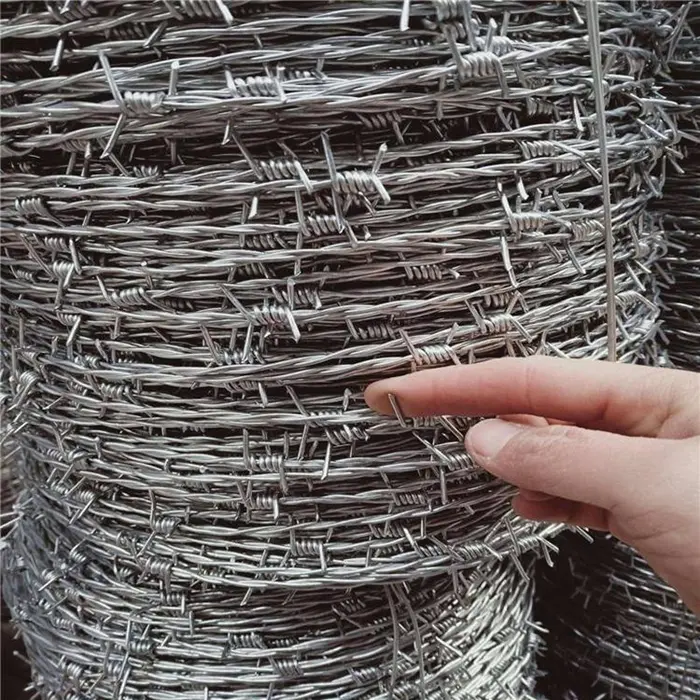
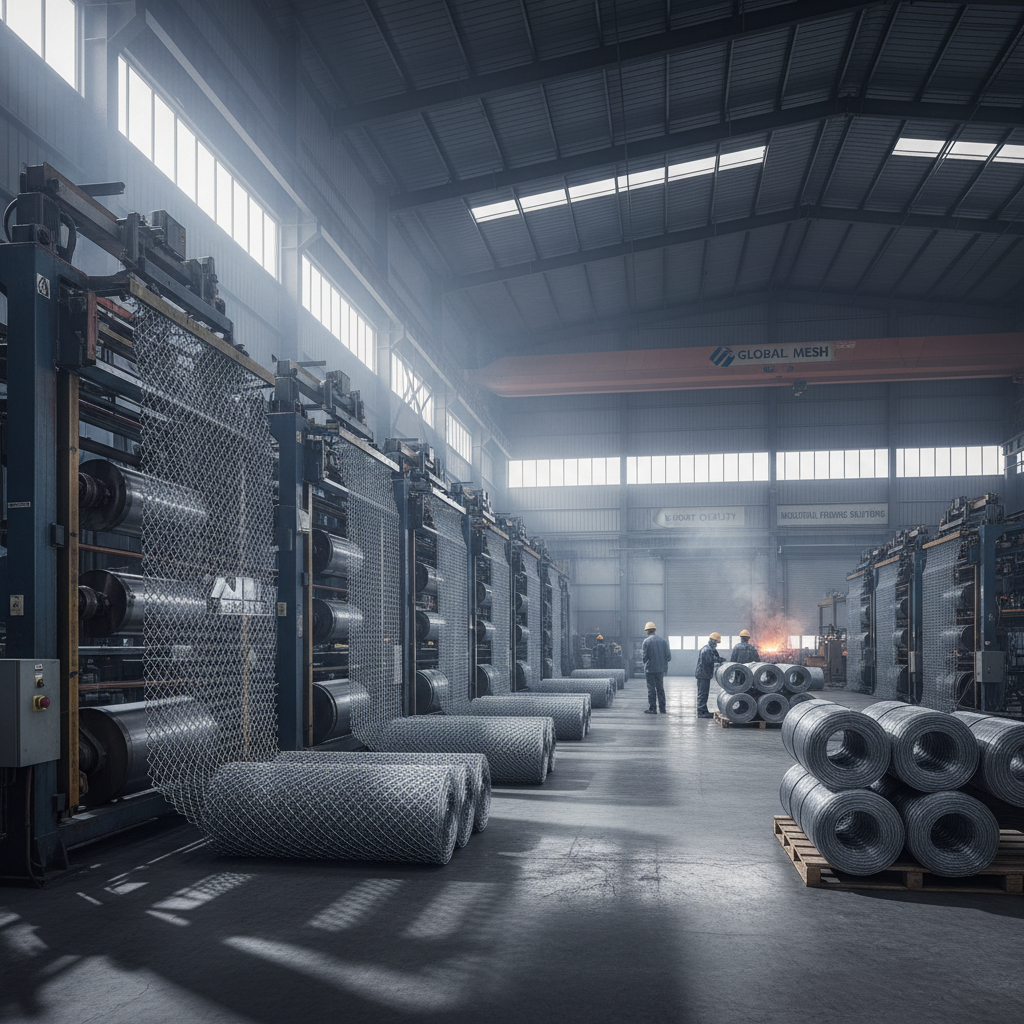
Simply put, cattle fence supplies are materials and equipment used to build, maintain, or repair fences that contain and protect cattle. This includes wire mesh, posts, gates, tensioners, insulators for electric fencing, and fasteners.
Modern cattle fencing requires a blend of traditional materials (like galvanized steel wire) and innovations (such as polymer coatings or solar-powered electric chargers) that boost performance and longevity.
Core Components to Consider
Durability
It’s no secret that fences out in the open face weather extremes—UV rays, moisture, rust. Products with corrosion resistance and strong physical properties last years longer, cutting down repair and replacement cycles.
Scalability and Modularity
Whether you manage a small family ranch or an extensive commercial operation, fencing systems need to be scalable. Modular setups using convenient panels and connectors allow for easy expansion or reconfiguration.
Cost Efficiency
Naturally, budgets matter. But choosing the cheapest wire often backfires because it snaps or corrodes fast. Thus, balancing upfront costs with lifespan and maintenance is key for true value.
Animal Safety
The materials and configurations chosen must minimize injury risks. For example, smooth wires or plastic-coated options reduce the chance of cuts or snags.
Ease of Installation & Maintenance
Quick-to-assemble kits and accessories help farmers deploy fences rapidly and fix issues without expert crews. This is especially beneficial in remote or developing regions.
Typical Product Specification Table
| Product | Material | Wire Gauge | Coating | Panel Size |
|---|---|---|---|---|
| Welded Wire Mesh | Galvanized Steel | 12.5 GA | Zinc Coated | 50" x 150 ft Roll |
| Electric Fence Wire | High Tensile Steel | 14 GA | Polymer Coated | Rolls of 3280 ft |
| Steel Fence Posts | Galvanized Steel | 1.5 inches diameter | Powder Coated | 6 ft Length |
Mini takeaway: When selecting cattle fence supplies, prioritize durable, scalable, and animal-friendly products that fit your budget and maintenance capabilities.
Global Applications & Use Cases
In Australia, where livestock spans vast open ranges, high-tensile fencing solutions with solar-powered energizers are common. Brazil’s cattle industry benefits from electrically charged fences that minimize impact on fragile ecosystems by managing grazing patterns sustainably.
Meanwhile, in Africa and Southeast Asia, humanitarian NGOs use cattle fence supplies to reestablish livelihoods by securing grazing areas following droughts or conflicts. For example, cattle fence supplies enable rural communities to protect cattle from predators and restrict movement to prevent overgrazing fragile lands.
Vendor Comparison
| Vendor | Product Range | Quality Assurance | Sustainability Initiatives | Price Range |
|---|---|---|---|---|
| FencingWireMesh Co. | Full range including electric, welded, posts | ISO 9001 Certified | Uses recycled steel | $$ - Mid |
| GreenField Fencing | Specializes in eco-friendly polymers | Third-party durability testing | 100% biodegradable coatings | $$$ - Premium |
| RuralTech Supply | Basic fencing essentials | Customer reviews & spot checks | Minimal | $ - Budget |
Long-Term Advantages of Quality Fencing
- Cost Savings: Durable supplies reduce frequent replacements and labor costs.
- Sustainability: Controlled grazing supports soil health and biodiversity.
- Animal Welfare: Safe fencing minimizes injuries and stress.
- Security: Prevents theft and limits interactions with predators or neighboring livestock.
On an emotional level, reliable fencing provides peace of mind to those whose livelihoods depend on their herds. It fosters trust between farmers and their environment—something a simple wire can facilitate.
Emerging Trends in Cattle Fence Supplies
Tech innovations are creeping into this traditional field: smart fences equipped with sensors can now detect breaches or livestock movements remotely, sending alerts to farmers' smartphones. Also, solar-powered energizers and biodegradable polymer coatings are gaining traction among sustainability-minded producers.
Challenges and Practical Solutions
Despite advances, challenges like harsh environment damage, theft, and high installation costs persist. Experts suggest combining electric fencing with CCTV surveillance to deter theft. Modular fencing kits cut labor time, and government subsidies or NGOs often help alleviate upfront expenses in developing regions.
FAQ: Common Questions About Cattle Fence Supplies
Q1: What type of fence is best for large cattle herds?
A: High tensile wire fencing combined with electric energizers is often best for large herds, offering strength and controlled grazing with relatively low maintenance.
Q2: How long do galvanized steel fence wires typically last?
A: Galvanized steel wires can last 15–20 years, depending on climate and maintenance. Proper coating and tensioning extend lifespan significantly.
Q3: Are electric fences safe for cattle?
A: Properly installed and maintained electric fences deliver mild shocks designed to deter crossing without harming animals, reducing escape and injury risks.
Q4: Can I adapt fencing supplies for other livestock?
A: Yes. Though designed for cattle, many wire meshes and posts are versatile enough for sheep, goats, and other farm animals with minor adjustments.
Q5: How can organizations source quality cattle fence supplies internationally?
A: Utilizing established suppliers with clear certifications and transparent shipping policies, such as those featured on cattle fence supplies, ensures quality and compliance for global shipments.
Conclusion: Why Investing in the Right Cattle Fence Supplies Pays Off
In real terms, the right fencing solutions save money, protect livestock, and support environmental stewardship. Whether you’re a large-scale producer or a smallholder in a developing nation, investing in quality supplies lays the foundation for healthier herds and sustainable farming futures.
Explore trusted cattle fence supplies today and see how improved fencing can transform your operation.
Reflecting on this, it’s clear that sometimes the humblest materials—wires and posts—can hold the key to global agricultural resilience and food security.