
Chain Fence Installation: A Comprehensive Guide
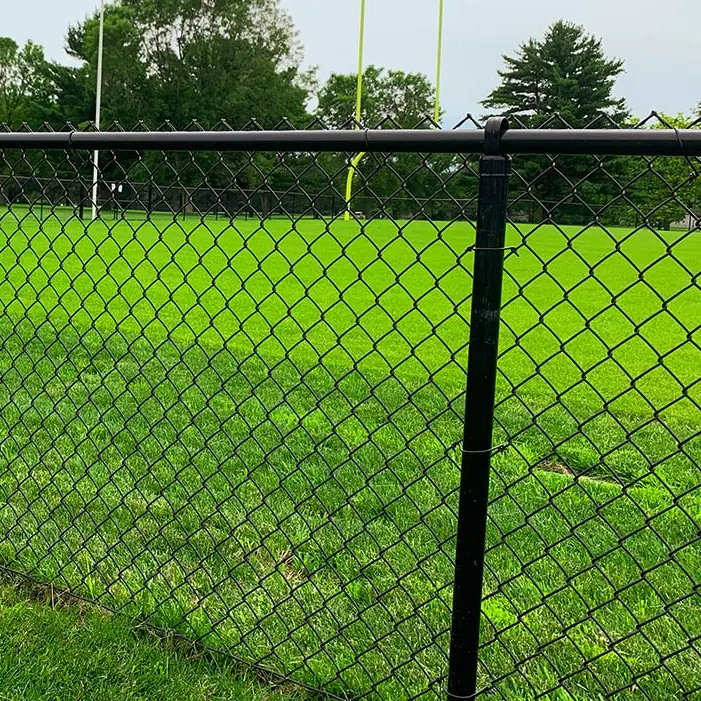
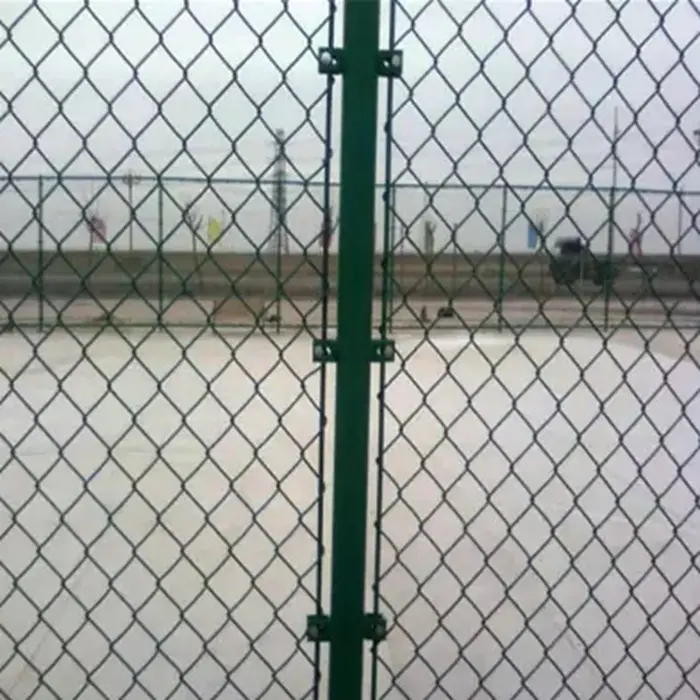
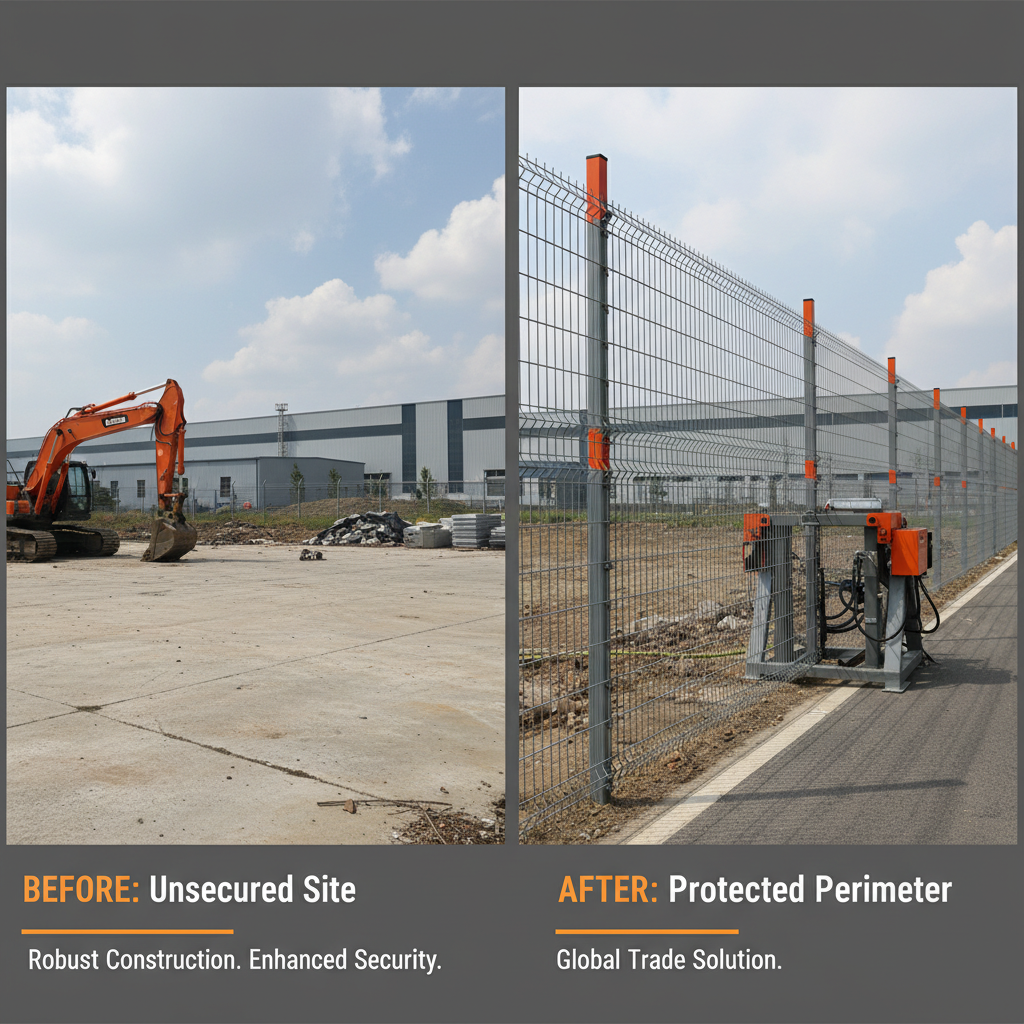
Installing a chain fence is a great way to secure your property, protect your family or livestock, and enhance its aesthetic appeal. This guide covers everything you need to know about chain fence installation, from choosing the right materials to the final steps of completion. A properly installed chain link fence provides long-lasting security and value. We'll walk you through the process, ensuring a durable and effective fence.

Planning Your Chain Fence Installation
Before you begin, careful planning is essential. First, check local regulations and homeowner association rules regarding fence height and placement. Mark the property lines accurately to avoid disputes with neighbors. Determine the fence's purpose – is it for security, privacy, or containing animals? This will influence the height and gauge of the chain link fabric you choose. Finally, consider underground utilities; call 811 before you dig to locate any buried lines. A well-planned installation minimizes complications and ensures a compliant and effective fence.
Key Considerations: Local regulations, property lines, fence purpose, underground utilities.
Materials Needed for Chain Fence Installation
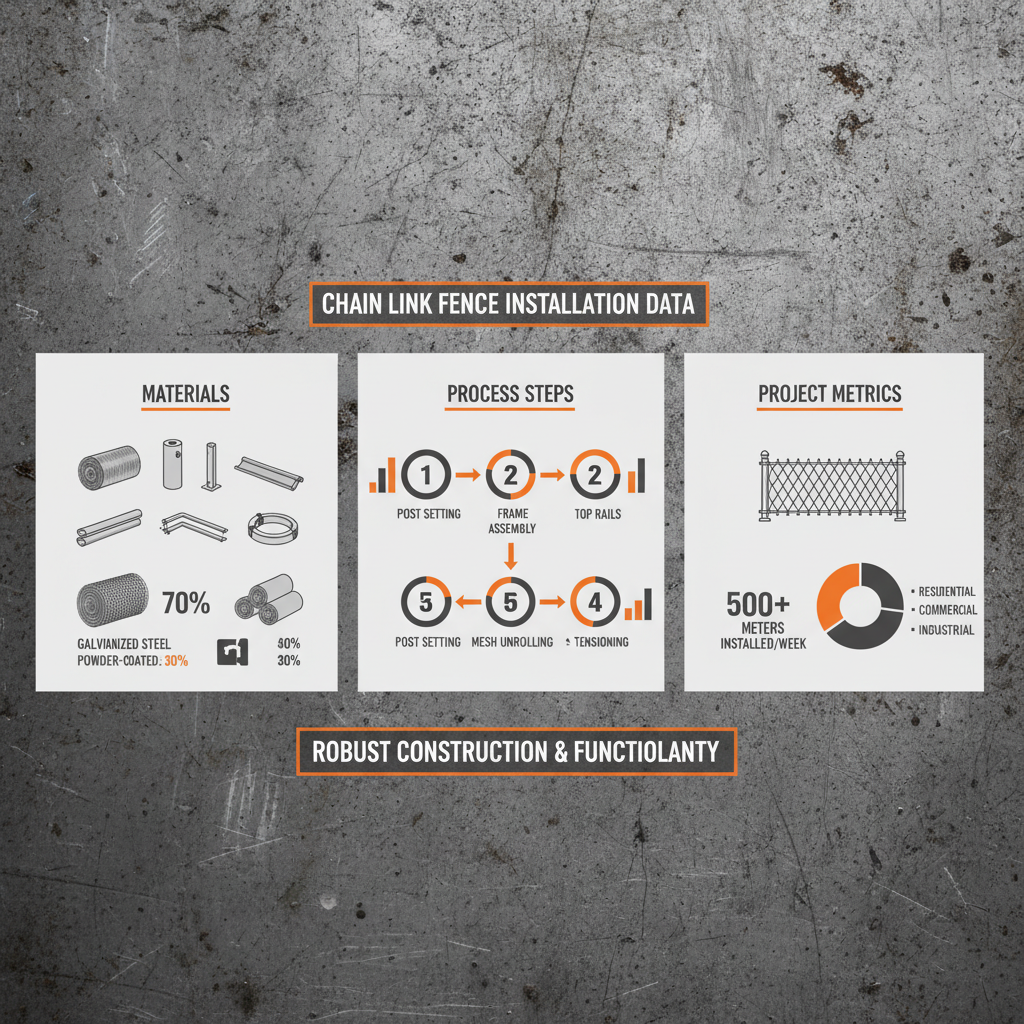
Gathering the right materials is crucial. You'll need chain link fabric, line posts, corner posts, top rail, tension wire, brace bands, post caps, tie wires, and hardware for attaching the gate. Consider the gauge of the wire – lower gauges are thicker and more durable. Galvanized steel is standard, but vinyl-coated chain link provides added aesthetic appeal and corrosion resistance. Posts should be appropriately sized for the fence height and soil conditions. Quality materials are an investment in the longevity of your fence.
Essential Materials:
• Chain link fabric
• Line posts
• Corner posts
• Top rail
• Tension wire
Step-by-Step: Chain Fence Installation
The installation process involves several key steps. First, set the posts in concrete, ensuring they are plumb and properly spaced. Allow the concrete to cure completely. Next, attach the top rail to the posts. Unroll the chain link fabric and attach it to the top rail and tension wire using tie wires. Stretch the fabric tightly, and secure the tension wire to the corner posts. Finally, install the gate and all necessary hardware. Take your time and follow instructions carefully to ensure a secure and stable fence.
Chain Link Fence Gauge and Height Considerations
Choosing the correct chain link fabric gauge and height is vital. A 9-gauge chain link is common for residential applications, offering a good balance of durability and cost. For higher security or commercial use, consider a heavier 6-gauge. Fence height should be determined by the intended purpose. 4-foot fences are suitable for containing small pets, while 6-foot fences offer better security and privacy. Taller fences may require permits. Fencing Wire Mesh can help you select the right materials for your needs.
Maintaining Your Chain Link Fence
Regular maintenance will extend the life of your chain link fence. Inspect the fence periodically for loose tie wires, damaged fabric, or corroded posts. Tighten loose wires and replace damaged sections promptly. Clean the fence periodically to remove dirt and debris. For galvanized fences, consider applying a rust inhibitor to prevent corrosion. A little maintenance goes a long way in preserving your investment and ensuring continued security.
Conclusion: Secure Your Property with Professional Installation
Proper chain fence installation is crucial for long-term security and peace of mind. By following the steps outlined in this guide, or by partnering with experienced professionals like those at Fencing Wire Mesh, you can ensure a durable, effective, and aesthetically pleasing fence for your property.
Frequently Asked Questions (FAQs)
How deep should chain link fence posts be set?
Generally, chain link fence posts should be set at least 24-36 inches deep, depending on the fence height and local soil conditions. Deeper posts provide greater stability, especially in areas with loose or sandy soil. A good rule of thumb is to bury at least 1/3 of the post length. Always check local building codes for specific requirements. Proper post depth is crucial for preventing the fence from leaning or falling over time.
What is the best way to tension a chain link fence?
The most effective way to tension a chain link fence is using a come-along tool attached to the tension wire. Gradually tighten the wire, checking for proper tension and ensuring the posts remain plumb. Avoid over-tensioning, as this can damage the fabric or posts. Proper tension ensures the fence is taut and secure, preventing sagging and maintaining its protective capabilities. Regularly check and re-tension the fence as needed.
How do I prevent rust on a galvanized chain link fence?
Rust can be prevented by regularly cleaning the fence with a mild detergent and water to remove dirt and debris. Applying a galvanized coating or a rust inhibitor can also provide an extra layer of protection. Inspect the fence for any signs of corrosion and address them promptly. Choosing vinyl-coated chain link is a proactive way to eliminate rust concerns altogether.
Can I install a chain link fence on a sloped yard?
Yes, you can install a chain link fence on a sloped yard, but it requires careful planning. You can follow the slope of the land, creating a stepped appearance, or you can “rack” the fence, meaning the height of the fabric gradually changes to follow the slope. Racking requires more precise cutting and fitting of the fabric. Proper post spacing and ensuring the posts are plumb are crucial on sloped ground.