
Chain Link Fence Estimated Cost: A Comprehensive Guide
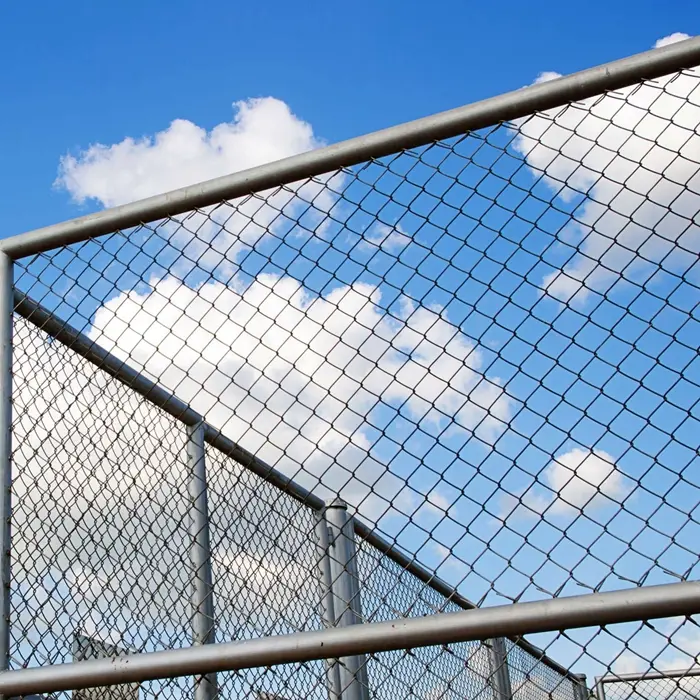
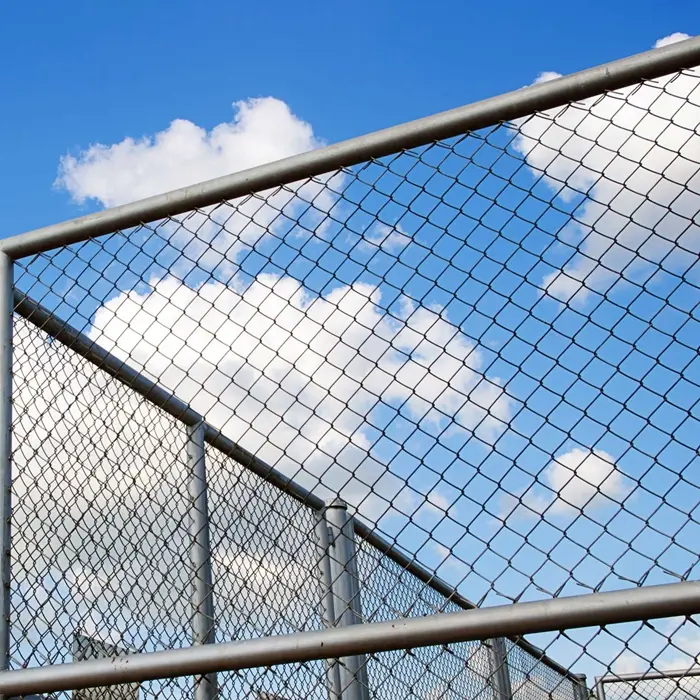
Planning a fencing project and considering a chain link fence? Understanding the estimated cost is a crucial first step. This article will break down the factors influencing price, provide a general cost overview, and help you budget effectively for your project. We’ll cover materials, labor, and potential add-ons to give you a clear picture of the investment involved. Knowing the chain link fence estimated cost empowers you to make informed decisions and secure the best value.
Factors Affecting Chain Link Fence Costs
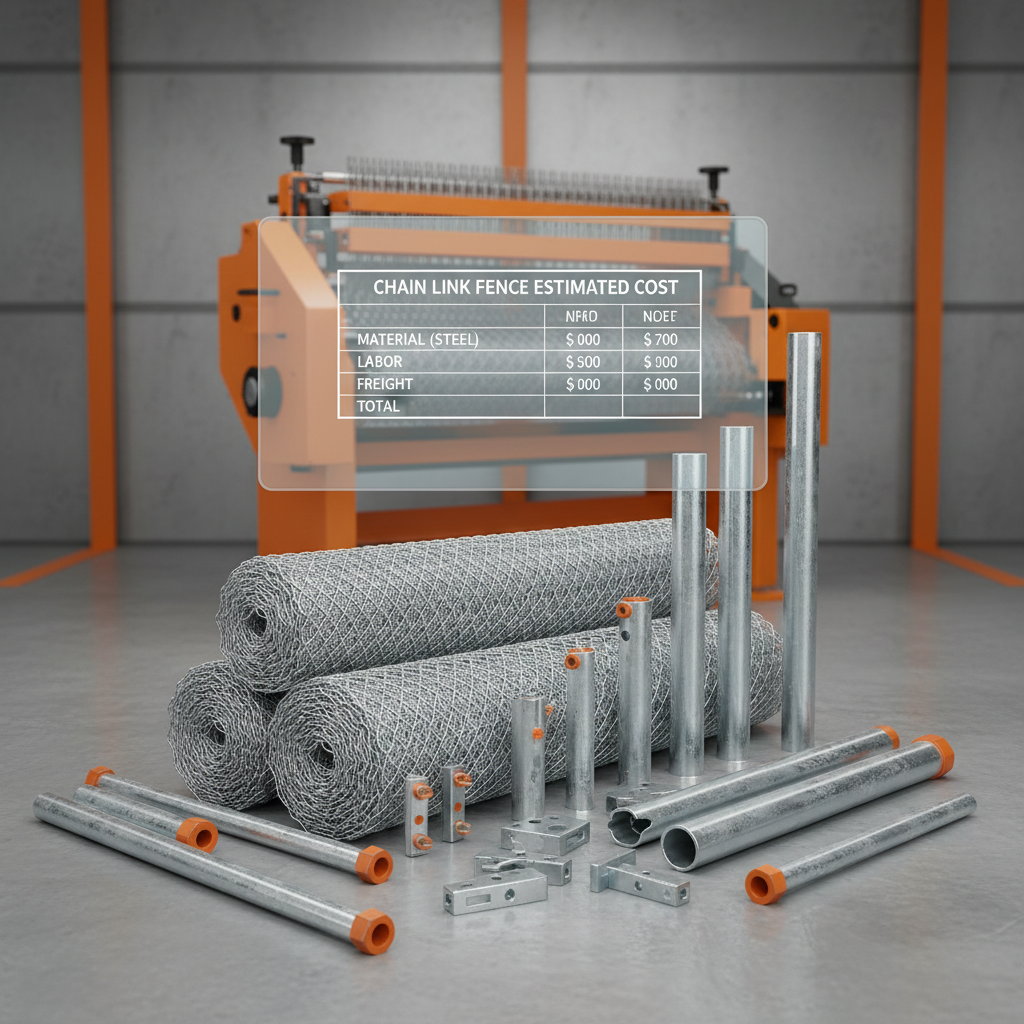
Several factors contribute to the overall cost of a chain link fence. The most significant is the fence height; taller fences naturally require more materials and labor. Next, fence gauge (wire thickness) impacts durability and price. Heavier gauges are more expensive but offer superior longevity. Post spacing also plays a role – closer spacing requires more posts. Furthermore, terrain can increase labor costs if the ground is uneven or rocky. Finally, local labor rates and permit fees will vary depending on your location. Don’t forget to factor in gate costs if you need access points. Consider these elements when getting quotes from fencing contractors.
Average Chain Link Fence Estimated Cost
Generally, you can expect to pay between $10 to $30 per linear foot for a professionally installed chain link fence. This is a broad range, heavily influenced by the factors discussed earlier. Basic, 4-foot tall chain link fencing with standard gauge wire might cost around $10-$15 per foot. Taller, 6-foot fences with heavier gauge wire could range from $18-$30 per foot. These figures typically include materials, labor, and basic installation. Remember, these are averages – always get customized quotes for your specific project.
Key Takeaway: The complexity of the installation, the quality of materials, and your geographic location are all key drivers of the final cost.
Chain Link Fence Cost Breakdown: Materials vs. Labor
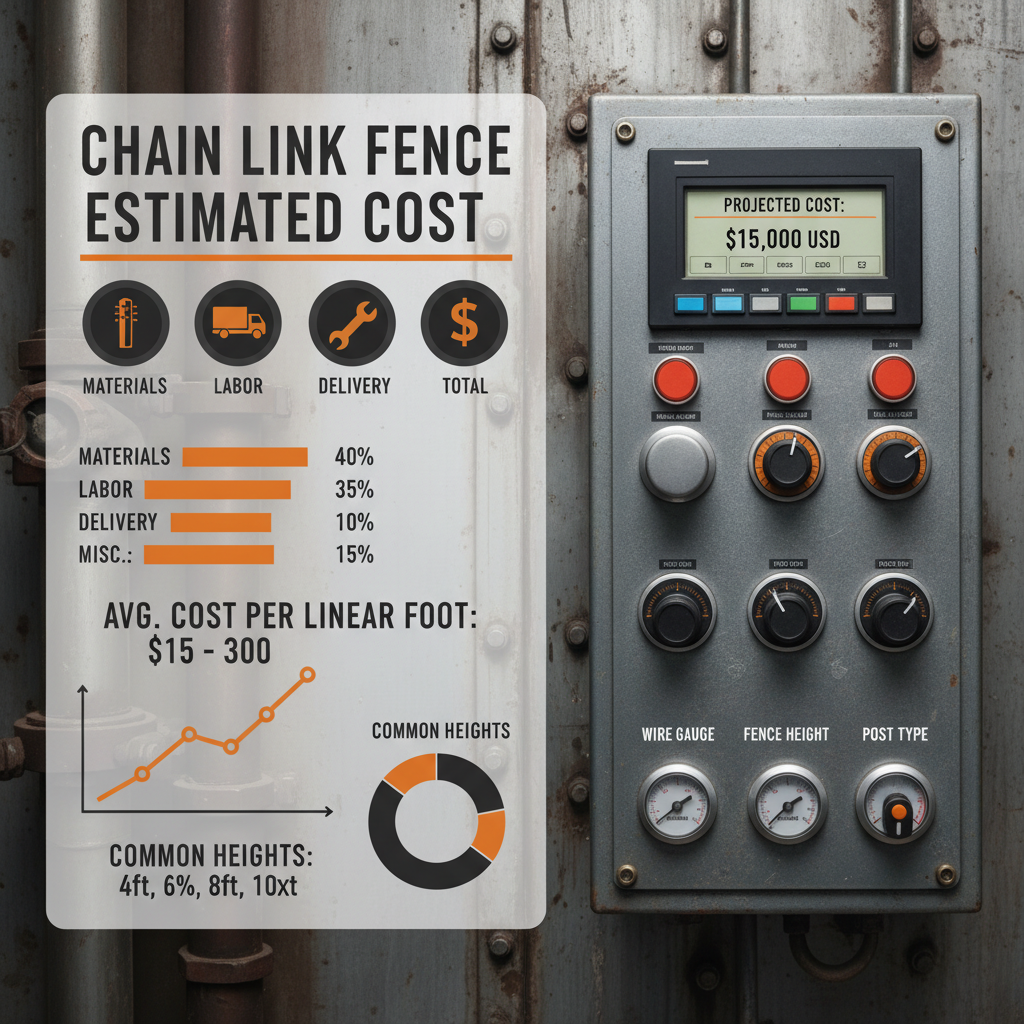
A typical chain link fence cost breakdown looks like this: approximately 50-60% of the total cost goes towards materials, while 40-50% covers labor. Materials include the chain link fabric, posts, top rail, tension bands, brackets, hardware, and gate(s). Labor costs cover site preparation, post setting, fabric installation, tensioning, and gate installation. If you're considering a DIY installation, you'll save on labor but need to account for the cost of renting tools and potentially the value of your time.
Additional Costs to Consider
Beyond the basic fence installation, there are potential add-on costs. These include: Gate installation (swinging or sliding gates add to the cost), Privacy slats (adding slats for increased privacy), Post upgrades (using stronger, more durable posts), Ground leveling (if the terrain is uneven), and Security features (such as barbed wire or razor ribbon – check local regulations). It's wise to allocate a buffer in your budget to cover unexpected expenses. A reliable fencing supplier like Fencing Wire Mesh can help you assess all potential costs.
Saving Money on Your Chain Link Fence Project
There are ways to manage your chain link fence estimated cost. Consider doing some site preparation yourself, such as clearing brush and debris. Comparing quotes from multiple contractors is essential. Choosing a standard fence height and gauge can also lower costs. Finally, purchasing materials during off-peak seasons or taking advantage of sales can result in savings. Don’t compromise on quality for price; a well-built fence will last longer and require less maintenance.
Conclusion: Planning for a Cost-Effective Chain Link Fence
Understanding the chain link fence estimated cost requires considering various factors. By carefully planning, obtaining multiple quotes, and potentially handling some of the work yourself, you can achieve a secure and affordable fencing solution. Fencing Wire Mesh provides quality materials and expert advice to help you through every step of the process.
Frequently Asked Questions (FAQs)
What is the typical lifespan of a chain link fence?
With proper installation and maintenance, a chain link fence can last 15-20 years or even longer. The lifespan depends on the gauge of the wire, the quality of the materials, and the climate. Galvanized steel chain link is more resistant to rust and corrosion than uncoated steel, extending its longevity. Regular maintenance, such as cleaning and tightening tension bands, is crucial for maximizing the fence's lifespan. Consider a vinyl-coated chain link fence for even greater durability and protection against the elements.
Do I need a permit to install a chain link fence?
Yes, in most jurisdictions, you will need a permit to install a chain link fence. Local regulations vary, so it’s essential to check with your city or county planning department before starting any work. Permits ensure that the fence meets safety standards and doesn't violate property line restrictions. Failure to obtain a permit can result in fines and potentially require you to remove the fence.
Can I install a chain link fence myself?
Yes, it's possible to install a chain link fence yourself, but it requires a moderate level of DIY experience and the right tools. The process involves setting posts, stretching the fabric, and securing the tension bands. Incorrect installation can compromise the fence's stability and durability. If you're not comfortable with any aspect of the installation, it's best to hire a professional.
What is the difference between galvanized and vinyl-coated chain link?
Galvanized chain link is coated with zinc to protect against rust and corrosion. Vinyl-coated chain link has an additional layer of PVC coating over the galvanization, providing even greater protection and a more aesthetically pleasing appearance. Vinyl-coated chain link is more expensive but offers superior durability and is available in various colors.