
Chain Link Fence Gate Installation: A Comprehensive Guide
Installing a chain link fence gate is a crucial step in completing your fencing project. A properly installed gate ensures security, functionality, and longevity. This article provides a detailed guide to the installation process, covering everything from material selection to final adjustments. We'll delve into the necessary tools, step-by-step instructions, and important considerations for a successful installation. A well-installed gate not only enhances the aesthetic appeal of your property but also provides a reliable access point.

Planning Your Chain Link Fence Gate Installation
Before you begin, careful planning is essential. First, determine the desired width of your gate opening. Consider the purpose of the gate – will it be for pedestrian access, vehicle traffic, or both? This will dictate the required gate width and the necessary hardware. Next, identify the gate post locations. These posts must be securely set in concrete and properly aligned with the existing fence line. It's also important to check for underground utilities before digging. Finally, gather all the necessary materials and tools, including the gate frame, hinges, latch, concrete mix, and appropriate tools for cutting and fastening.
Choosing the Right Gate Hardware
Selecting the correct hardware is critical for a functional and durable gate. Hinges should be heavy-duty and designed for the weight of the gate. There are several types available, including strap hinges and post hinges. The latch should be secure and easy to operate, with options ranging from simple fork latches to more complex locking mechanisms. Consider using galvanized or stainless steel hardware to prevent rust and corrosion, especially in harsh weather conditions. Fencing Wire Mesh offers a wide selection of high-quality gate hardware to suit your needs.
Key Considerations: Choosing durable, weather-resistant hardware ensures longevity and minimizes maintenance. Prioritize security based on your property’s needs.
Step-by-Step Chain Link Fence Gate Installation Process
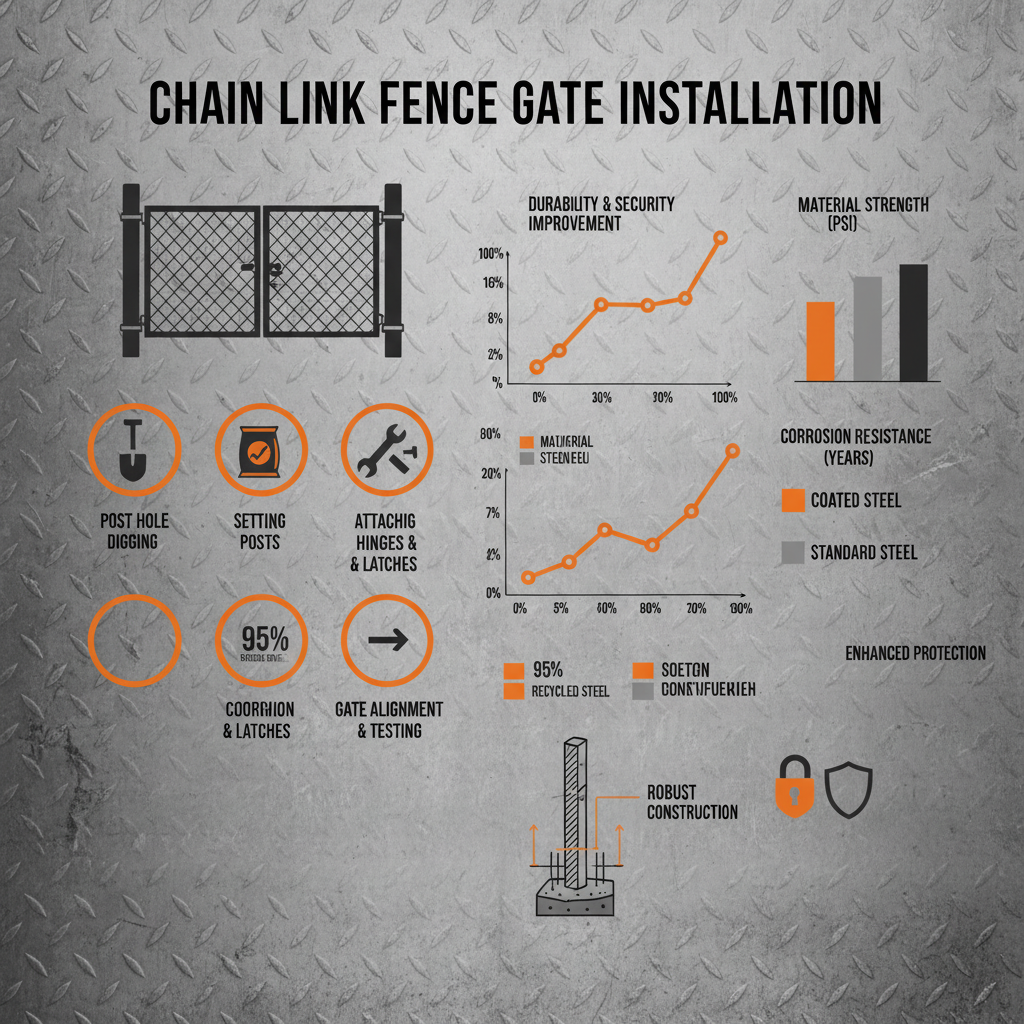
The installation process can be broken down into several key steps. First, install the gate posts, ensuring they are plumb and securely set in concrete. Allow the concrete to fully cure before proceeding. Next, attach the hinges to the gate post and the gate frame. Ensure proper alignment to allow for smooth gate operation. Then, hang the gate on the hinges and adjust as needed. Finally, install the latch and test the gate’s operation. Adjust the hinges and latch as necessary to achieve a secure and smooth closing mechanism. Regularly check the gate's operation and tighten any loose hardware to maintain its functionality.
Installation Checklist:
• Securely set gate posts in concrete
• Properly align hinges and gate frame
• Install a secure latch mechanism
• Regularly inspect and tighten hardware
Comparing Gate Types: Swing vs. Sliding
There are two main types of chain link fence gates: swing gates and sliding gates. Swing gates are the more traditional option, opening inward or outward on hinges. They are generally easier to install but require sufficient space for the gate to swing open. Sliding gates, on the other hand, slide horizontally along a track. They are ideal for areas with limited space but require a more complex installation process. The best choice depends on your property layout and personal preference. Here's a comparison:
Maintaining Your Chain Link Fence Gate
Regular maintenance is essential to ensure the long-term functionality of your chain link fence gate. Inspect the hinges, latch, and gate frame periodically for signs of rust or damage. Lubricate the hinges regularly to prevent squeaking and ensure smooth operation. Tighten any loose bolts or screws. Address any issues promptly to prevent further damage and maintain the security of your property.
Conclusion: Ensuring a Secure and Functional Gate
Proper chain link fence gate installation and ongoing maintenance are crucial for ensuring a secure and functional property boundary. By following the steps outlined in this guide and utilizing high-quality materials from trusted suppliers like Fencing Wire Mesh, you can enjoy a gate that provides lasting security and peace of mind.
Frequently Asked Questions (FAQs)
How much concrete is needed for a gate post?
The amount of concrete needed depends on the size of the gate post and the depth of the hole. A general rule of thumb is to use at least 1.5 cubic feet of concrete per post. For larger posts or areas with unstable soil, you may need more. It's important to ensure the hole is properly sized and the concrete is mixed correctly to provide adequate support. Consider the frost line in your area when determining the depth of the hole, as the base of the post should extend below the frost line to prevent movement.
What is the best way to align the gate posts?
Accurate alignment of gate posts is critical for smooth gate operation. Use a string line or laser level to ensure the posts are perfectly aligned with the existing fence line and with each other. Check both the horizontal and vertical alignment. Temporarily brace the posts with wooden supports until the concrete has fully cured. Re-check the alignment after the concrete has set to make any necessary adjustments.
How can I prevent my chain link gate from sagging?
Gate sagging is a common issue, but it can be prevented with proper installation and maintenance. Ensure the gate posts are securely set in concrete and are plumb. Use heavy-duty hinges and a diagonal brace to provide additional support. Regularly tighten any loose hardware and lubricate the hinges. If the gate does start to sag, adjust the hinges or add a tension rod to correct the problem.
What tools are essential for chain link gate installation?
Essential tools for chain link gate installation include a post hole digger, concrete mixer, level, string line, measuring tape, wrenches, pliers, a hammer, a socket set, and safety glasses. Depending on the gate type and hardware, you may also need a wire cutter, chain, and a tensioning device. Having the right tools will make the installation process much easier and more efficient.