
Commercial Sound Barrier: A Comprehensive Guide
In today’s increasingly noisy world, maintaining a peaceful and productive environment is crucial, especially for commercial properties. A commercial sound barrier offers an effective solution to mitigate noise pollution. This article provides an in-depth exploration of commercial sound barriers, covering their benefits, types, installation considerations, and choosing the right solution for your needs. Whether you’re looking to reduce traffic noise, industrial sounds, or other disturbances, understanding these barriers is the first step toward creating a quieter, more comfortable space.
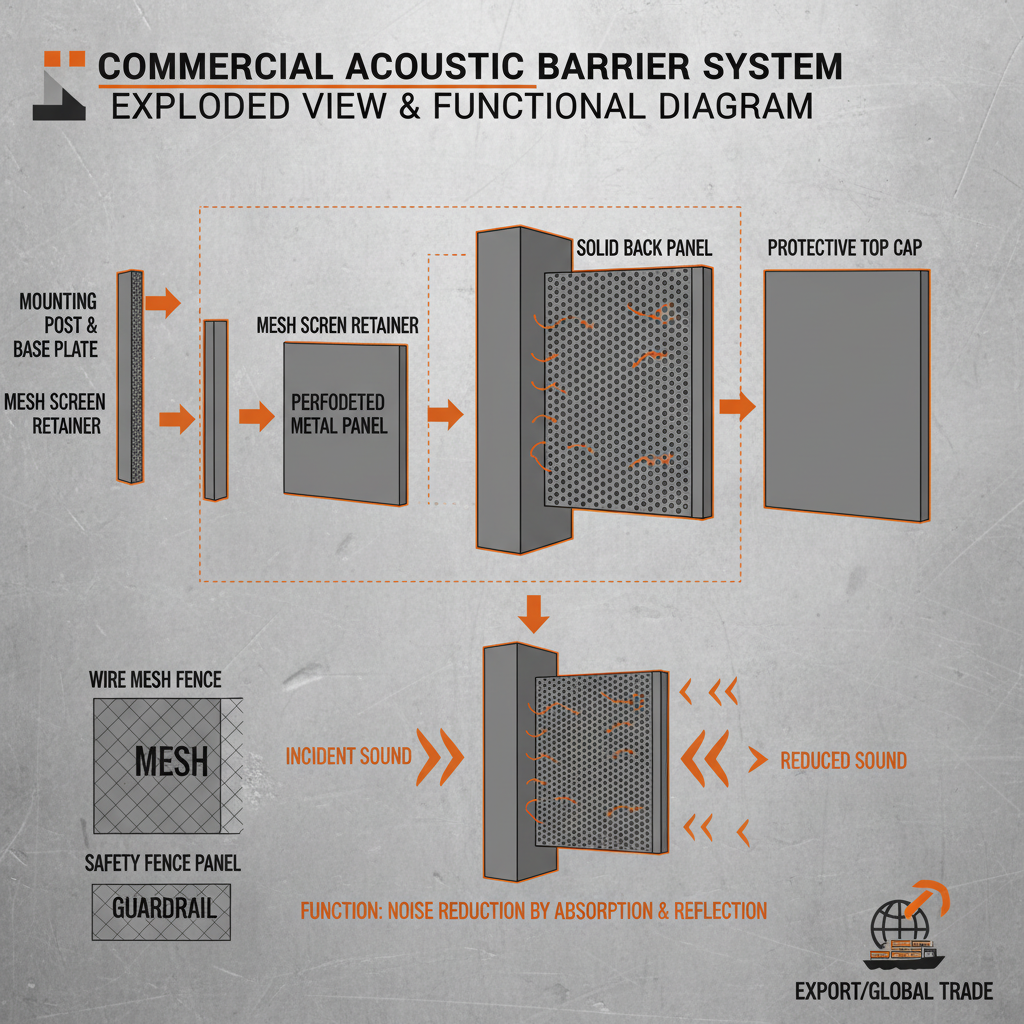
Understanding the Benefits of Commercial Sound Barriers
Investing in a commercial sound barrier brings a wealth of advantages. Beyond simply reducing noise levels, these barriers enhance the quality of life for employees, customers, and nearby residents. Lower noise pollution translates to improved concentration, reduced stress, and increased productivity. Additionally, sound barriers can increase property value, demonstrating a commitment to creating a comfortable and desirable environment. They can also help businesses comply with local noise ordinances, avoiding potential fines and legal issues. A well-designed sound barrier can be both functional and aesthetically pleasing, integrating seamlessly with the surrounding landscape.
Key Benefits: Improved concentration, reduced stress, increased productivity, enhanced property value, compliance with noise ordinances, and enhanced aesthetic appeal.
Types of Commercial Sound Barriers
Several types of commercial sound barriers are available, each with its own strengths and weaknesses. Common options include concrete barriers, earth berms, wooden fences, and specialized acoustic panels. Concrete barriers are highly effective but can be visually imposing. Earth berms offer a natural aesthetic but require significant land space. Wooden fences are more affordable but generally provide less noise reduction. Acoustic panels, often made from recycled materials, offer a balance of performance, aesthetics, and cost-effectiveness. The best choice depends on the specific noise source, the desired level of reduction, the budget, and the surrounding environment. Fencing Wire Mesh offers a variety of sound barrier solutions tailored to different needs.
Sound Barrier Comparison:
• Concrete Barriers: High effectiveness, visually imposing.
• Earth Berms: Natural aesthetic, requires large space.
• Wooden Fences: Affordable, lower noise reduction.
• Acoustic Panels: Balance of performance, aesthetics, and cost.
Key Factors in Choosing a Commercial Sound Barrier
Selecting the right commercial sound barrier requires careful consideration of several factors. The frequency and intensity of the noise source are paramount. Lower frequencies require more massive barriers. The distance between the noise source and the receiver also influences the barrier's effectiveness. Height is critical; the barrier must effectively break the line of sight between the noise source and the listener. Local regulations and aesthetic considerations should also be factored into the decision. Material durability and maintenance requirements are important long-term considerations. Choosing a reputable supplier like Fencing Wire Mesh can ensure you receive a high-quality, effective solution.
Installation and Maintenance Considerations
Proper installation is critical for the effectiveness of any commercial sound barrier. The foundation must be stable and capable of supporting the barrier's weight. Gaps or cracks in the barrier can significantly reduce its performance. Regular maintenance, including inspections for damage and repairs as needed, is essential to ensure long-term effectiveness. Depending on the material, maintenance may involve painting, cleaning, or replacing damaged sections. A professional installation team will ensure the barrier is installed correctly and adheres to all relevant safety standards.
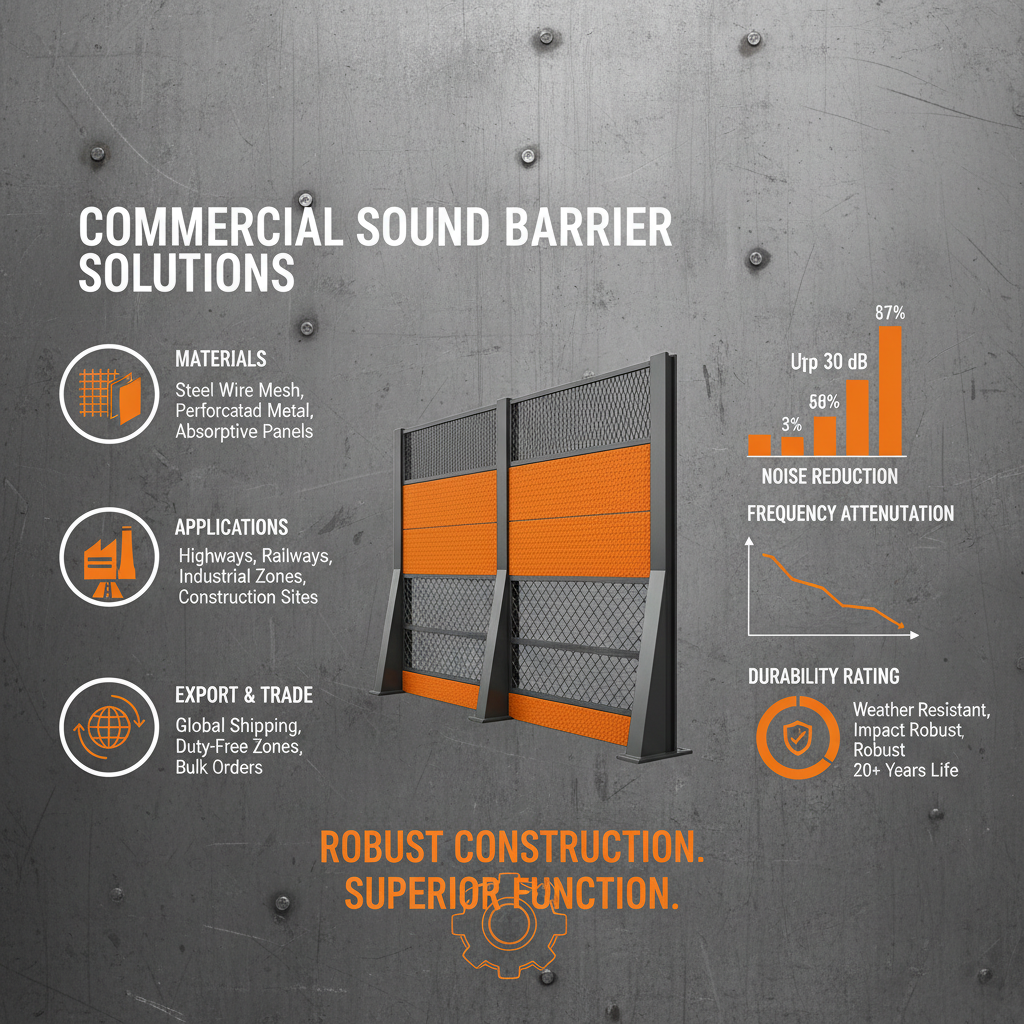
Choosing the Right Partner for Your Sound Barrier Needs
Selecting a qualified and experienced provider is paramount when investing in a commercial sound barrier. Look for a company with a proven track record, a wide range of product options, and a commitment to customer satisfaction. A reputable provider will offer site assessments, custom design services, professional installation, and ongoing support. Fencing Wire Mesh is a trusted source for high-quality sound barriers, offering comprehensive solutions tailored to your specific needs.
Conclusion: Invest in Peace and Productivity
A commercial sound barrier is a smart investment for any business seeking to improve its environment, enhance productivity, and comply with regulations. By carefully considering your needs and choosing the right solution, you can create a quieter, more comfortable space for employees, customers, and the surrounding community. Don’t let noise pollution impact your bottom line – invest in a sound barrier today.
Frequently Asked Questions (FAQs)
What level of noise reduction can I expect from a commercial sound barrier?
The level of noise reduction varies depending on the barrier's height, material, and the specific noise source. Typically, a well-designed sound barrier can reduce noise levels by 10-20 decibels. Higher barriers and denser materials provide greater noise reduction. Factors like flanking paths (noise traveling around the barrier) and the distance to the receiver also play a role. A professional assessment can provide a more accurate estimate of the expected noise reduction for your specific situation.
Are sound barriers aesthetically pleasing?
While early sound barriers often had a purely functional appearance, modern options offer a wide range of aesthetic choices. Acoustic panels can be customized with various colors, textures, and even graphics. Wooden fences can be designed to blend with the surrounding landscape. Even concrete barriers can be clad with attractive materials. Fencing Wire Mesh offers sound barriers that are both effective and visually appealing.
How long does it take to install a commercial sound barrier?
The installation timeline depends on the barrier's size, complexity, and the site conditions. A simple wooden fence might take a few days to install, while a larger concrete barrier could take several weeks. Site preparation, foundation work, and the barrier's construction all contribute to the overall timeframe. A reputable installer will provide a detailed project schedule upfront.
What is the cost of a commercial sound barrier?
The cost varies significantly based on the chosen materials, height, length, and installation complexity. Concrete barriers are generally the most expensive, followed by acoustic panels and wooden fences. Labor costs, site preparation, and permits also contribute to the overall expense. Obtaining quotes from multiple providers is recommended to compare pricing and find the best value.