
Understanding Cyclone Fence Cost: A Comprehensive Guide
When considering perimeter security for your property, a cyclone fence, also known as chain link fencing, is often a cost-effective and durable solution. However, determining the actual cyclone fence cost can be complex, as it depends on several factors. This article will break down the elements impacting the price, providing a clear understanding of what to expect. From materials and installation to height and location, we’ll cover everything you need to know to budget accurately for your fencing project.
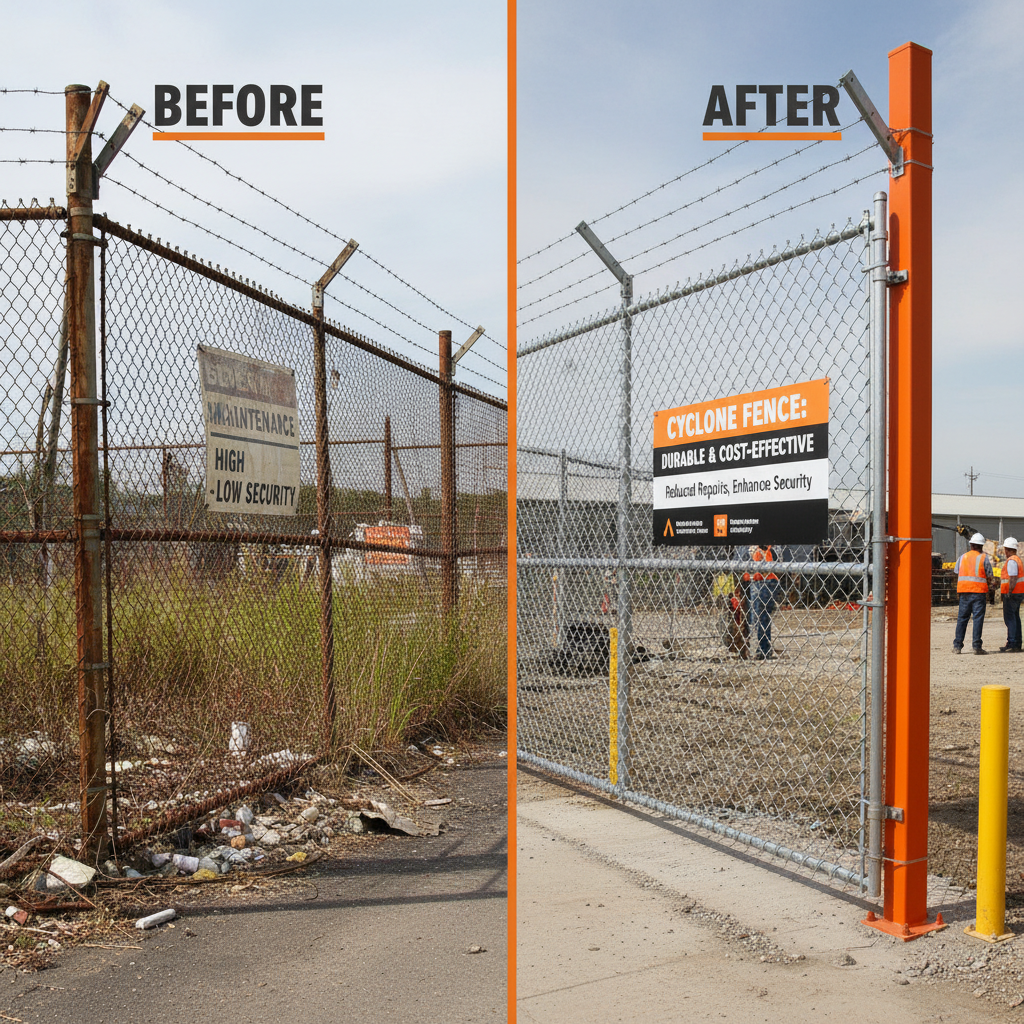
Factors Influencing Cyclone Fence Cost
Several key factors contribute to the overall cost of a cyclone fence. The most significant is the gauge (thickness) of the wire used. Heavier gauge wire offers greater durability but comes at a higher price. Fence height is another crucial factor; taller fences require more materials and labor. The type of posts (line posts, terminal posts, gate posts) and their spacing also play a role. Finally, terrain and accessibility can significantly impact installation costs. Sloped ground, rocky soil, or limited access will likely increase labor expenses. Remember that high-quality cyclone fencing isn’t just about initial price; it's about long-term security and reduced maintenance.
Key Takeaway: The gauge of the wire, fence height, post type, and installation conditions are the primary drivers of cost.
Material Costs Breakdown for Cyclone Fencing
Understanding the cost of individual materials is vital for accurate budgeting. Here’s a general breakdown (prices are approximate and can vary by location and supplier):
Installation Costs: Labor and Additional Expenses
Labor costs typically range from $3 to $8 per linear foot, depending on the complexity of the installation and local labor rates. This includes post setting, fabric attachment, tensioning, and gate installation. Additional expenses can include site preparation (clearing vegetation, leveling ground), gate hardware (latches, hinges), and any necessary permits. It's always best to obtain multiple quotes from reputable fencing contractors to ensure you're getting a competitive price. Contact us for a free quote!
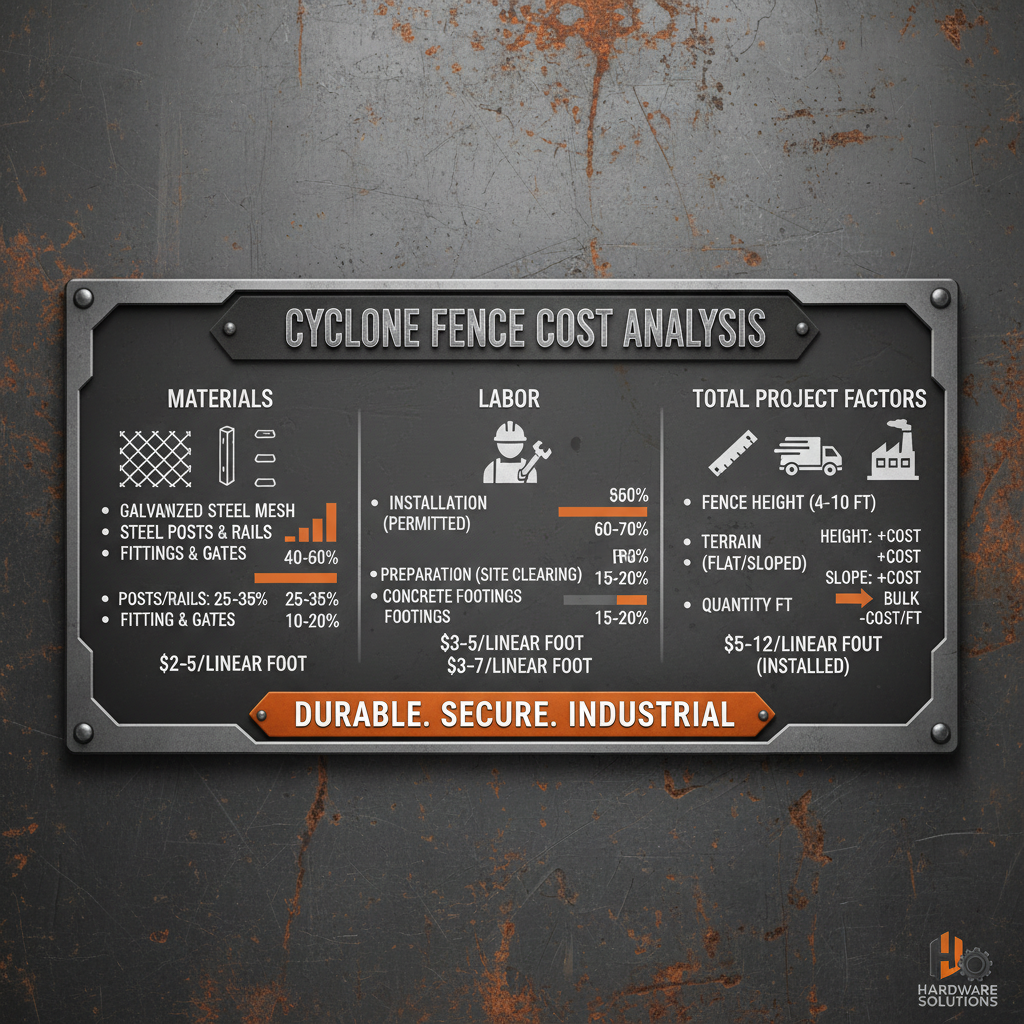
Cyclone Fence Cost: A Comparative Look
Compared to other fencing options, cyclone fencing generally offers a lower upfront cost. Here’s a rough comparison per linear foot (installed):
Maximizing Value: Tips for Reducing Cyclone Fence Costs
While cost is a factor, don't sacrifice quality for price. Here are some tips to help you minimize costs without compromising security: Choose a standard fence height – custom heights are typically more expensive. Opt for a slightly lighter gauge wire if security isn’t a primary concern. Prepare the site yourself by clearing vegetation and removing obstacles. Consider doing some of the simpler installation tasks yourself, if you're comfortable and have the necessary skills. We can help you navigate these choices!
Conclusion: Investing in Reliable Security
Understanding the factors that contribute to cyclone fence cost is the first step towards making an informed decision. By carefully considering your needs, researching materials, and obtaining quotes from qualified contractors, you can secure a durable, cost-effective fencing solution that provides long-lasting security for your property. Don't hesitate to contact us at Fencing Wire Mesh for expert advice and competitive pricing.
Frequently Asked Questions (FAQs)
What is the typical lifespan of a cyclone fence?
With proper installation and maintenance, a cyclone fence can last for 15-20 years or even longer. The lifespan depends on the quality of the materials, the environment (coastal areas with salt spray can accelerate corrosion), and regular maintenance such as cleaning and repairing any damage. Galvanized or powder-coated finishes significantly extend the fence’s lifespan by protecting against rust. Inspecting the fence annually for any signs of corrosion or damage is recommended.
Does the color of the cyclone fence affect the cost?
Yes, the color can influence the cost. While galvanized steel is the standard and typically the most affordable option, powder-coated finishes in various colors add to the expense. Powder coating provides enhanced corrosion resistance and aesthetic appeal but requires an additional processing step. Black and green are common color choices that often don’t incur a significant price increase, while more custom colors might be more expensive.
What is the best gauge wire for a cyclone fence used for security purposes?
For optimal security, a 9-gauge wire is generally recommended. It offers superior strength and resistance to cutting and damage. While 11-gauge wire is more cost-effective, it’s less robust and more vulnerable to breaches. Consider the specific security risks in your area when making your decision. If vandalism or theft are concerns, investing in the heavier 9-gauge wire is a worthwhile investment.
Can a cyclone fence be installed on sloped ground?
Yes, a cyclone fence can be installed on sloped ground, but it requires careful planning and installation techniques. The fence will need to follow the contour of the slope, potentially requiring stepped sections or a combination of different fence heights. Proper post setting and tensioning are crucial to ensure the fence remains stable and secure. Installation on sloped ground typically increases labor costs due to the added complexity.