
Understanding Chain Link Fence Sections: A Comprehensive Guide
Chain link fence sections are a versatile and cost-effective solution for a wide range of perimeter security and containment needs. From residential yards to industrial complexes, these fences offer durability and reliable protection. This article will delve into the various aspects of chain link fence sections, covering materials, sizes, installation, and applications. Whether you're a homeowner, contractor, or property manager, this guide will equip you with the knowledge to make informed decisions. Choosing the right fence can significantly enhance your property's security and aesthetic appeal.
Materials Used in Chain Link Fence Sections
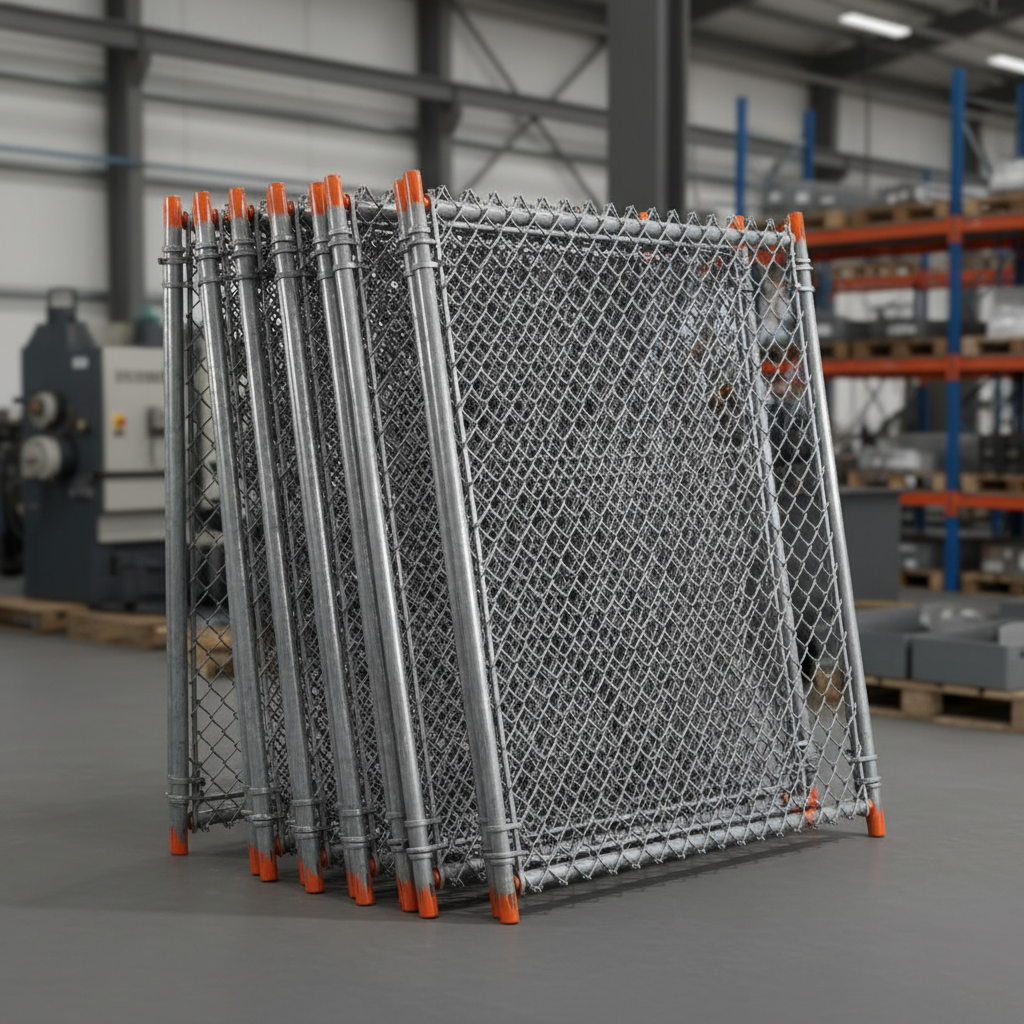
Chain link fence sections are primarily constructed from galvanized steel wire. The galvanization process involves coating the steel with zinc, providing excellent corrosion resistance. However, for enhanced durability and aesthetic appeal, other materials are commonly used. Vinyl-coated chain link offers a colored finish and added protection against the elements. Aluminum chain link is a lightweight and rustproof option, suitable for residential applications. The choice of material depends on your budget, climate, and desired level of maintenance. Fencing Wire Mesh offers a variety of these materials to suit different needs.
Key Highlights: Galvanized steel provides strong corrosion resistance, while vinyl coating adds color and extra protection. Aluminum is a lightweight and rustproof choice.
Common Sizes and Heights of Chain Link Fence Sections
Chain link fence sections come in various heights and widths to accommodate diverse requirements. Common heights range from 3 feet to 8 feet, with 4-foot and 6-foot heights being the most popular choices for residential use. The width of a standard roll is typically 12.5 feet, although custom sizes are available. The mesh gauge (wire thickness) also varies, impacting the fence's strength and durability. Lower gauge numbers indicate thicker wire. Our company offers a wide range of sizes to meet any specification.
Common Chain Link Fence Section Sizes:
• Heights: 3ft, 4ft, 5ft, 6ft, 7ft, 8ft
• Roll Length: Typically 12.5ft
• Mesh Gauge: 9 gauge, 11 gauge, 12.5 gauge
Chain Link Fence Sections: Comparing Materials and Costs
Selecting the appropriate material for your chain link fence involves considering both cost and long-term value. Galvanized steel is the most economical option, providing a balance of strength and affordability. Vinyl-coated chain link comes at a moderate price premium, offering enhanced aesthetics and corrosion resistance. Aluminum chain link is typically the most expensive, but its rustproof qualities make it a worthwhile investment in coastal or humid environments. Understanding these trade-offs is crucial for making an informed decision.
Applications of Chain Link Fence Sections
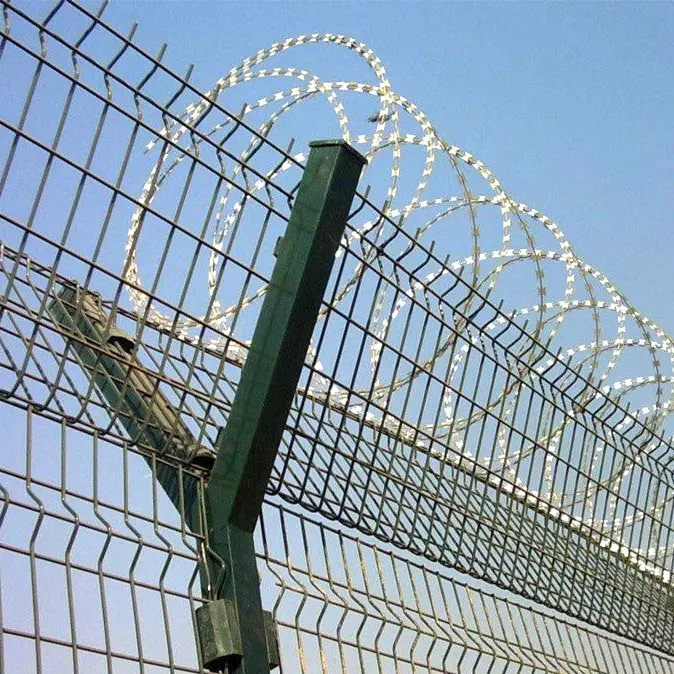
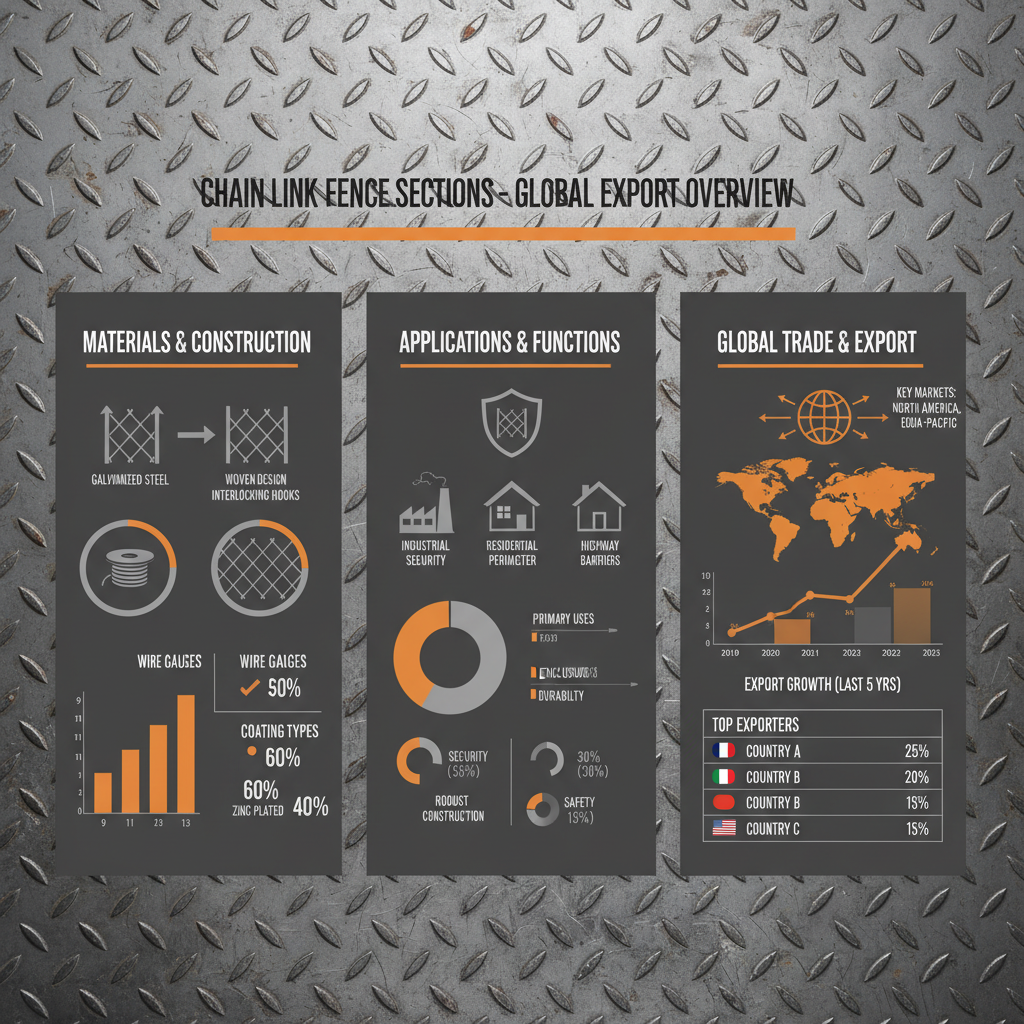
Chain link fence sections are incredibly versatile and used in a wide array of applications. Residential homeowners utilize them for pet containment and property boundary marking. Commercial properties employ them for security perimeters, often incorporating barbed wire or razor ribbon for increased protection. Industrial facilities rely on them for safety barriers and access control. They're also common around sports fields, swimming pools, and construction sites. The adaptability of chain link makes it a practical choice for numerous scenarios.
Installation Tips for Chain Link Fence Sections
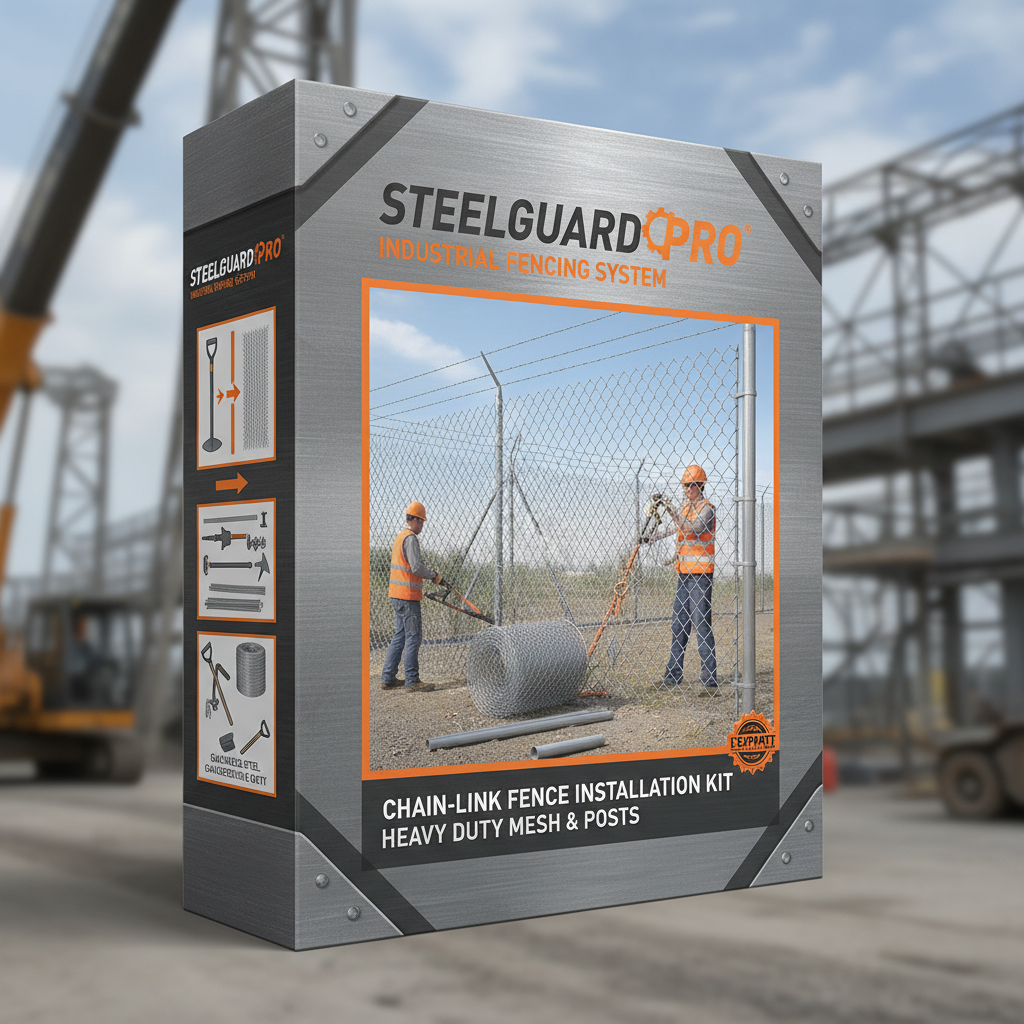
Proper installation is essential for ensuring the longevity and effectiveness of your chain link fence. Begin by accurately marking the fence line and setting posts at appropriate intervals (typically 8-10 feet). Ensure posts are deeply embedded in the ground and adequately braced for stability. Attach the chain link fabric to the posts using tension bands and tension wire. Proper tensioning is critical for a taut and secure fence. Finally, install the top rail and gate hardware. If you're not comfortable with DIY installation, consider hiring a professional fencing contractor. Contact us for professional installation advice.
Conclusion: Choosing the Right Chain Link Fence Section
Selecting the right chain link fence section involves considering factors like material, size, cost, and application. Whether you need a secure perimeter for your property or a safe enclosure for a sports field, chain link offers a reliable and cost-effective solution. By understanding the different options and following proper installation techniques, you can ensure a long-lasting and effective fence that meets your specific needs.
Frequently Asked Questions (FAQs)
How long will a galvanized chain link fence last?
The lifespan of a galvanized chain link fence depends on several factors, including the climate and the gauge of the wire. Typically, a galvanized fence can last 10-20 years with minimal maintenance. However, in harsh environments with high humidity or exposure to saltwater, the galvanization can corrode more quickly. Regular inspections and occasional touch-ups with a zinc-rich paint can extend its lifespan. Using heavier gauge wire also contributes to increased durability.
Can chain link fence sections be repaired?
Yes, chain link fence sections can often be repaired. Minor tears or holes can be patched with repair splices and tension wire. Damaged posts can be replaced. However, extensive corrosion or damage may necessitate replacing entire sections of the fence. It's important to address repairs promptly to prevent further deterioration and maintain the fence's security.
What is the best way to prevent rust on a chain link fence?
Preventing rust on a chain link fence involves several strategies. Choosing galvanized or vinyl-coated chain link provides inherent corrosion resistance. Regular cleaning to remove dirt, debris, and salt buildup is crucial. Applying a protective coating, such as zinc-rich paint, every few years can also help prevent rust. In coastal areas, consider using aluminum chain link, which is naturally rustproof.